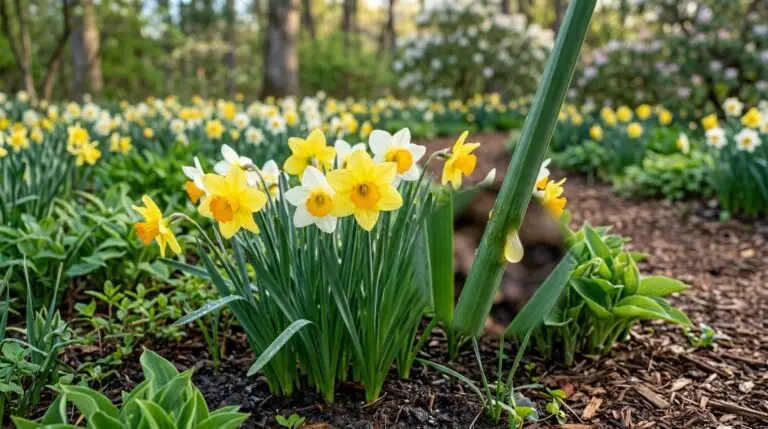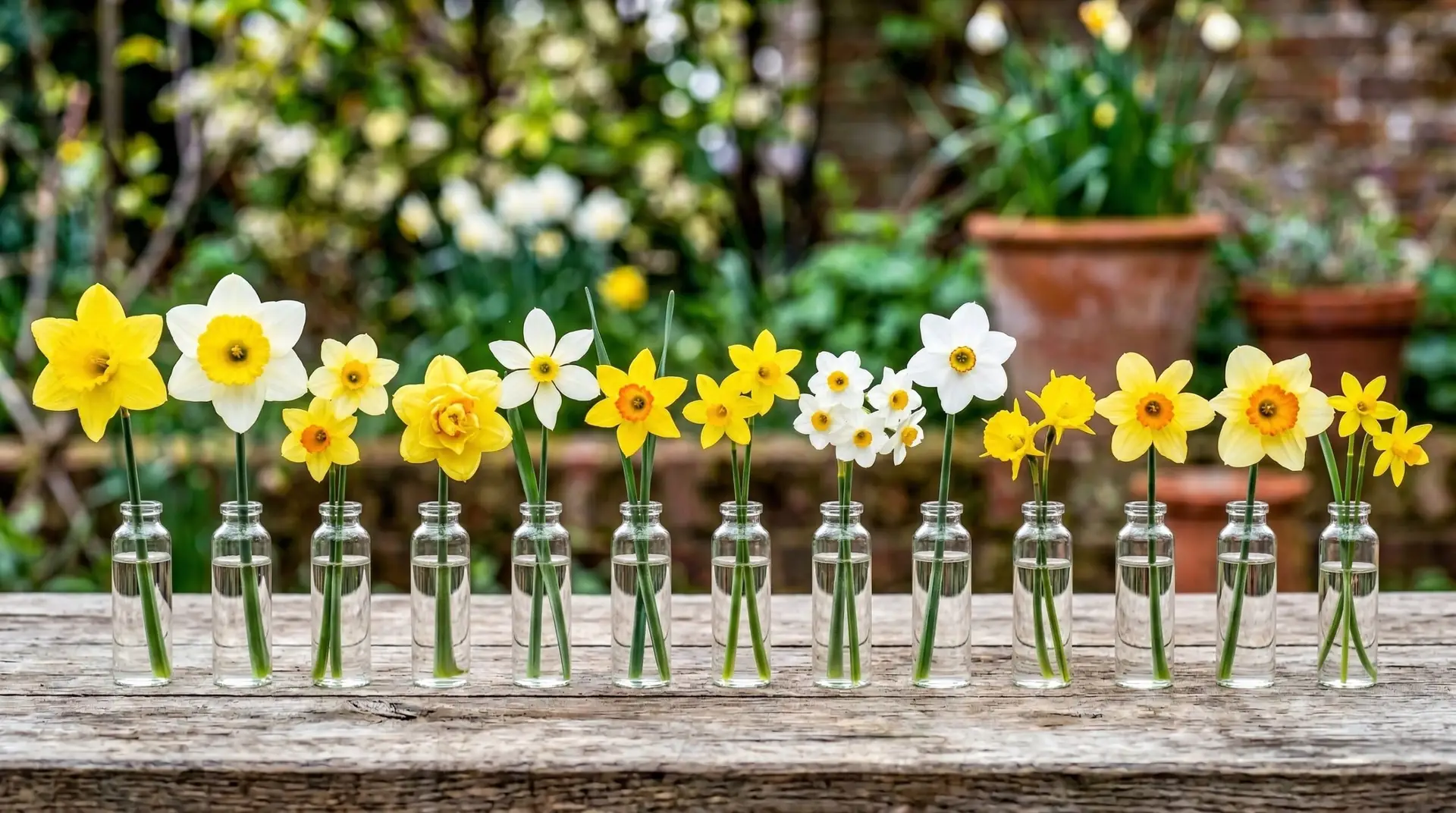
The Royal Horticultural Society classifies daffodils into thirteen distinct divisions based on their cup shape and petal arrangement. Navigating these thirteen divisions can easily overwhelm a gardener looking to plant a reliable spring display. Many catalogs present hundreds of options, pushing heavily ruffled novelties or split-corona types that often look battered after a single spring rain. Rather than trying to represent every possible genetic variation, a thoughtful garden relies on varieties chosen for weather resistance, perennial vigor, and visual elegance. The goal is to select specific types of daffodils that perform predictably year after year without demanding constant division or pampering. By focusing on a few exceptional cultivars across the early, mid, and late spring seasons, you can create a succession of blooms that actually improves with time.
The earliest days of spring require flowers that can withstand freezing nights and sudden snow squalls. While many gardeners rely on the delicate snowdrop to open the season, miniature daffodils offer a much bolder splash of color just a few weeks later. These smaller varieties typically belong to the cyclamineus or miniature divisions, characterized by swept-back petals and a sturdy, compact habit. Their low stature keeps them safe from high winds that snap the stems of taller flowers. Planting these early bloomers in large drifts under deciduous trees provides a bright yellow carpet before the canopy leaves cast their heavy shade. They ask for very little space and integrate perfectly into the edges of woodland paths.
When selecting miniature daffodils, the standard by which all others are measured is Tete-a-Tete. This tiny powerhouse rarely exceeds eight inches in height, yet it produces multiple blooms per stem and multiplies rapidly in almost any soil type. I prefer it over newer dwarf introductions because of its ironclad reliability and perfectly proportioned, classic yellow trumpet form. For a completely different texture in the early garden, the historic variety Rip van Winkle offers a fascinating alternative. Dating back to the late nineteenth century, this miniature double daffodil looks like a spiky, greenish-yellow dandelion. Rip van Winkle brings an unexpected architectural element to rock gardens or the front of a border, proving that early spring flowers do not have to be strictly traditional in shape.
Reliable mid-season performers
As the season progresses into April, the large-cupped daffodils take center stage and provide the bulk of the classic spring display. The variety Ice Follies belongs to this group and has earned its place in millions of gardens through sheer durability. It opens with pristine white outer petals and a wide, ruffled yellow cup that slowly fades to creamy white as the flower matures. Many guides recommend planting dozens of different mid-season varieties for a varied look, but in practice, a massive sweep of Ice Follies creates a much more cohesive and striking visual impact. This variety is exceptionally resistant to basal rot and naturalizes so effectively that a small initial planting will yield a dense colony within five years. It bridges the gap perfectly between the early miniatures and the late-season bloomers.
Mid-season daffodils also have an important practical function in the mixed border. Their foliage contains toxic alkaloids that deter deer, rabbits, and voles from browsing the garden. Interplanting these daffodils with a vulnerable tulip helps protect the tastier bulbs from hungry rodents. The strong, upright stems of large-cupped varieties like Ice Follies stand tall above emerging perennial foliage, holding their ground even during heavy spring downpours. I deliberately omit the heavily double, top-heavy varieties from this mid-season period because they consistently end up face-down in the mud after a rainstorm. A clean, single-cupped flower sheds water easily and maintains its dignity through unpredictable weather.
Late season fragrance and form
By late spring, the garden is usually transitioning toward early summer perennials, but the late-blooming daffodils offer one final, highly scented performance. The poetaz and poeticus divisions dominate this late window, bringing intense fragrance and refined, smaller blooms. The variety Cheerfulness is an outstanding double poetaz type that produces clusters of creamy white flowers with flecks of yellow at their center. Unlike the top-heavy mid-season doubles I avoid, Cheerfulness bears smaller, tightly constructed blooms on thick stems that easily support their weight. The scent is remarkably sweet, similar to gardenias, and carries well on the warm afternoon breezes typical of late spring. Planting these near a walkway or an open window ensures you can actually appreciate their perfume without having to kneel in the dirt.
The truth about giant trumpets
The image most people associate with the word daffodil is a massive, solid yellow flower with a trumpet as long as its petals. For generations, the variety King Alfred defined this category, and you will still see millions of bulbs sold under this name every autumn. The historical reality is that the true King Alfred bulb was largely lost to disease decades ago, and the bulbs sold today are simply various large yellow trumpet hybrids packaged under a famous name. Rather than chasing a ghost, gardeners should look to specific, named modern trumpet varieties like Marieke or Dutch Master. These modern selections offer the same giant, golden-yellow presence but possess far superior resistance to modern soil pathogens. Interplanting these massive yellow blooms with a brightly colored tulip creates a classic spring contrast. They provide that bold, traditional look, though I recommend using them sparingly in small gardens where their fading foliage can become an eyesore in early summer.
After evaluating hundreds of daffodil varieties across all thirteen divisions, one specific flower is the finest choice for almost any garden context. The triandrus daffodil Thalia was introduced in 1916 and remains unsurpassed in its elegant simplicity. Each stem produces two to three nodding, pure white flowers with narrow, slightly reflexed petals that resemble orchids more than traditional daffodils. Thalia blooms in the mid-to-late season, glowing vividly in the twilight and blending seamlessly with any color palette you have established. It naturalizes beautifully, tolerates damp soils better than most other divisions, and possesses a light, fruity fragrance. If you only have space to plant a single variety of daffodil, Thalia offers an unmatched combination of grace, longevity, and reliable performance.
More About Daffodils (Narcissus)
Designing a succession of daffodils that bloom from February through May
Naturalizing daffodils in lawns and woodland areas for wild spring beauty year after year
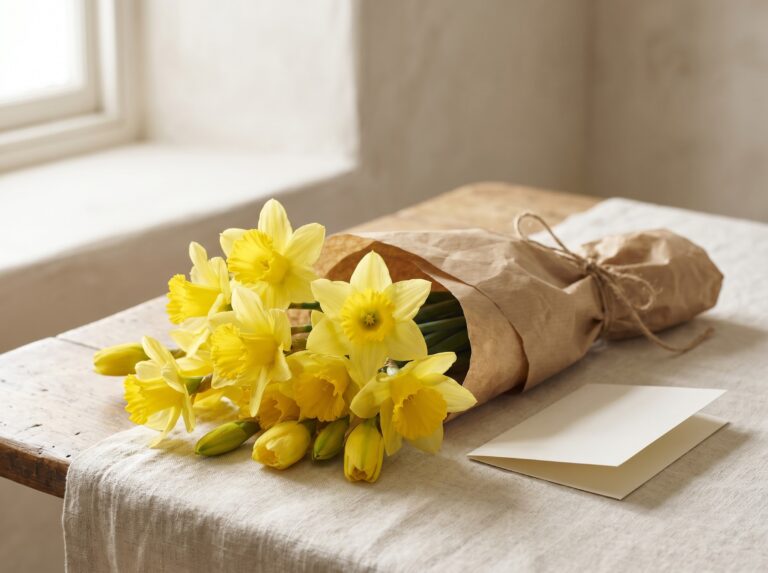
Daffodil meaning, from new beginnings to the Narcissus myth, honestly explained
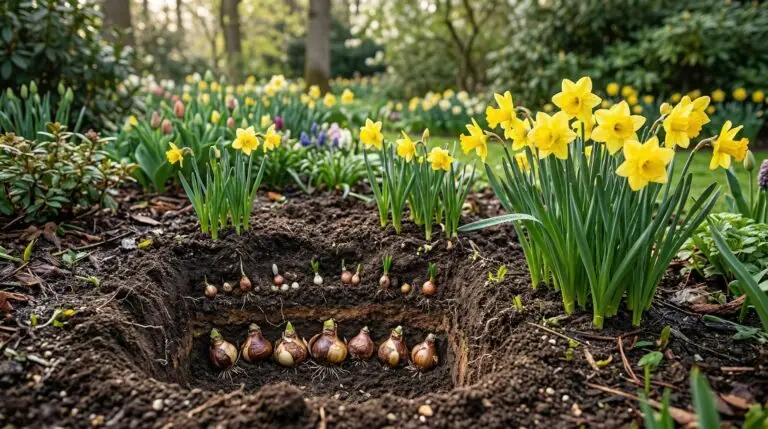
Growing daffodils in containers and pots for spring color on patios and porches
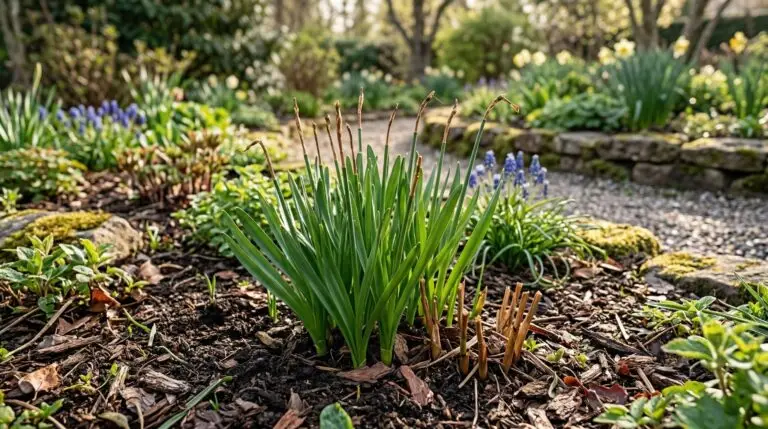
Why daffodils stop blooming after the first year and how to get flowers back
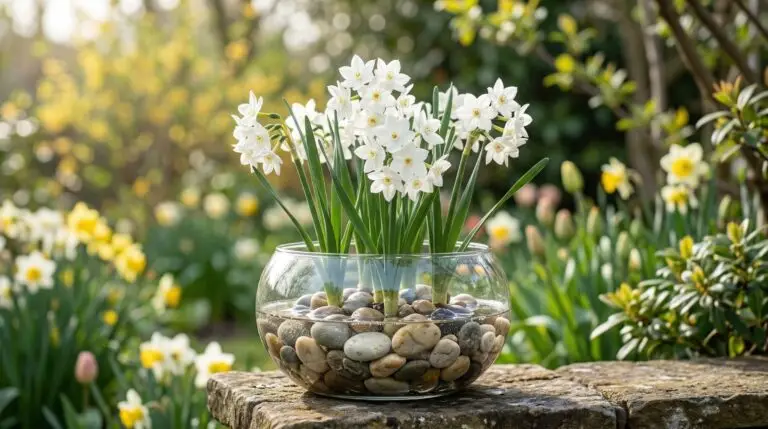
How to force daffodil bulbs indoors for cheerful winter blooms on your windowsill
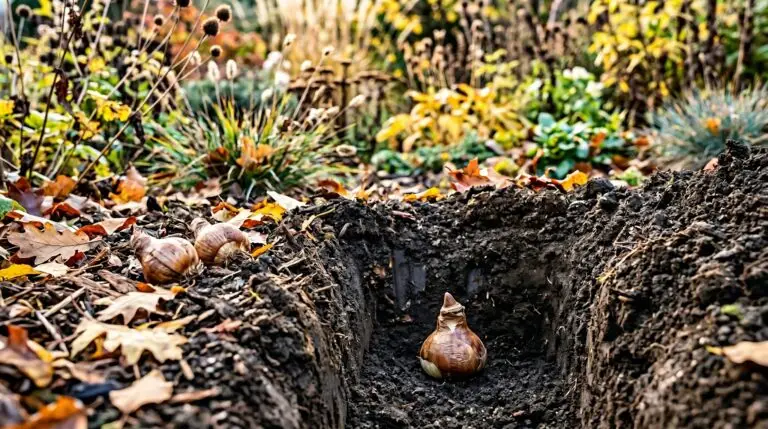
How to plant daffodil bulbs in fall for a golden carpet of spring flowers
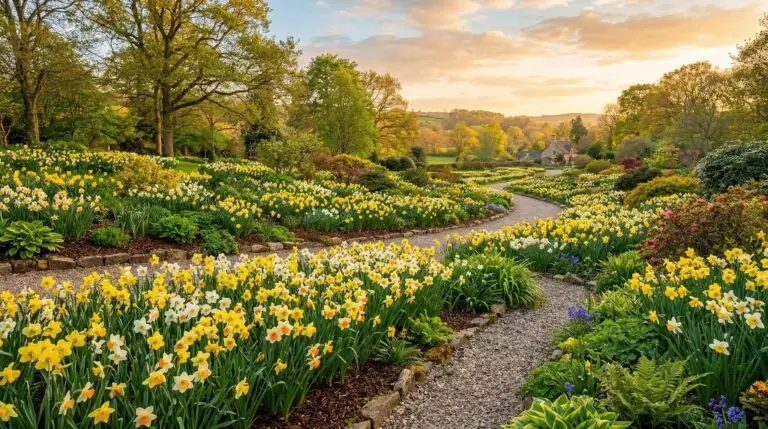
What to do with daffodil foliage after blooming and why you must leave it alone