Mid-July on a concrete patio is a harsh testing ground for any potted plant. The afternoon sun bakes the containers, the soil turns into a dry sponge, and most flowers simply surrender to the heat by dropping their heads. This is the exact moment when growing lantana in pots proves its worth to a tired gardener looking for a break from watering chores. While other patio favorites demand constant babysitting and twice-daily watering, this tough plant actually thrives when the temperature climbs and the water is scarce. After wrestling with high-maintenance container gardens for years, shifting the focus to heat-tolerant varieties changes the entire summer patio experience. The leaves might have a slightly rough texture and a pungent smell when brushed, but the continuous clusters of bright flowers make up for any minor quirks. You can leave for a long weekend in August without hiring a neighbor to water your containers, and the plants will be completely fine when you return.
Choosing between upright and trailing varieties
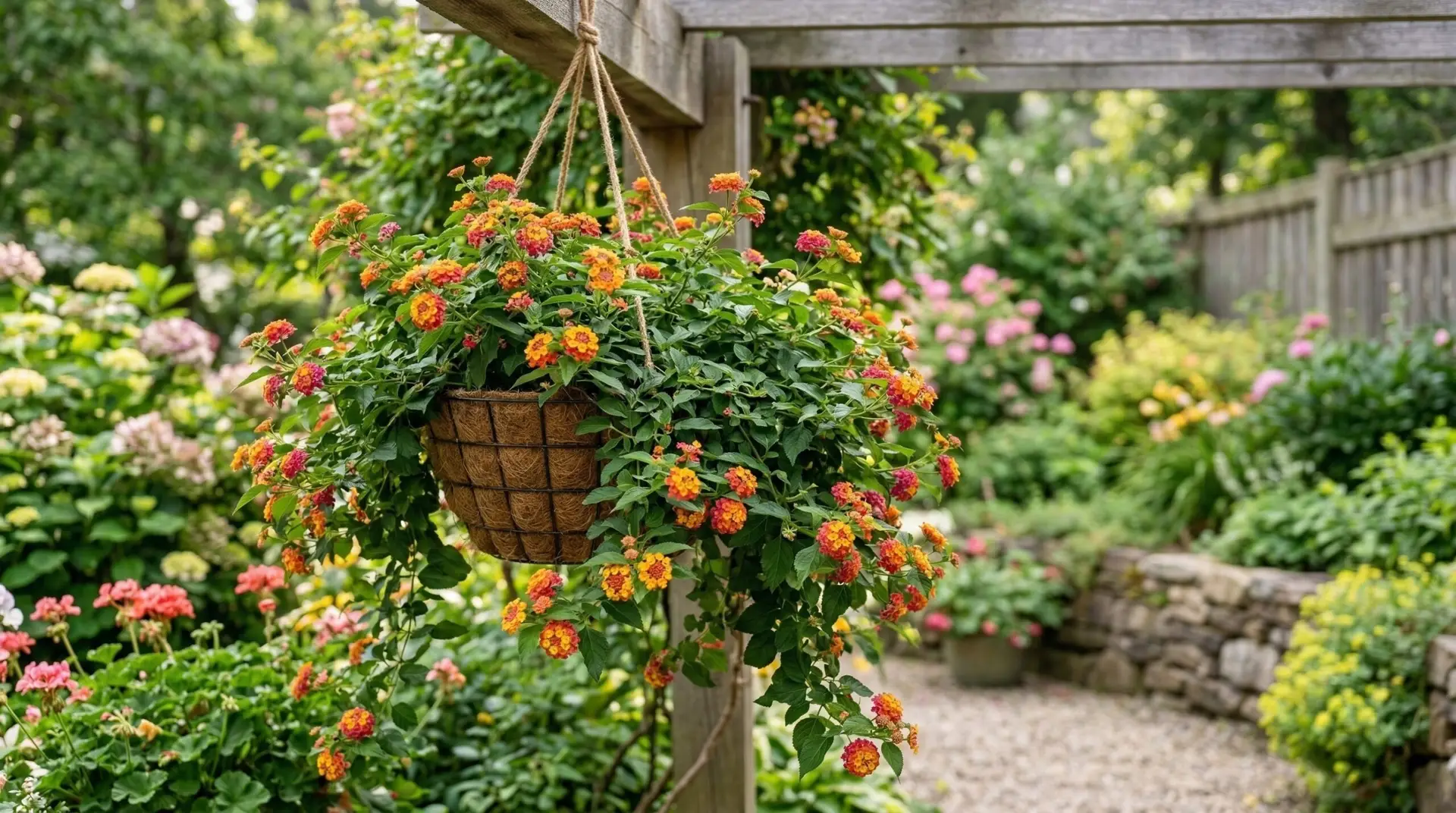
Picking up a flat of seedlings at the local nursery requires a bit of label reading because lantana grows in completely different shapes depending on the variety. Upright types will grow into bushy mounds that work perfectly as the centerpiece in a large patio container. Trailing varieties are entirely different animals that will spill over the edges, making them the only reliable choice for a lantana hanging basket that bakes in full sun. Mixing up these two types leads to frustrating results, like a trailing plant crawling awkwardly across the dirt instead of standing tall. Nurseries also sell standard tree forms, which are simply upright varieties trained onto a single bare stem to look like a tiny lollipop tree. These tree forms cost quite a bit more, but they create immediate height in a pot and leave plenty of room underneath for shorter flowers. If the local garden center is sold out of trailing types, a heat-loving verbena makes a similar spilling plant for the edge of a basket. Taking the time to read the tags ensures the right plant ends up in the right type of container.
Soil and watering rules for patio containers
The quickest way to kill this plant is to treat it like a thirsty tropical flower and water it every single day. A lantana container needs to dry out significantly between waterings, which is a massive relief for anyone who occasionally forgets to check their patio pots. Standard, affordable potting soil works perfectly fine, though mixing in a few handfuls of perlite helps guarantee the water drains straight through the bottom. Terracotta pots are excellent for these plants because the porous clay breathes and pulls moisture out of the soil, preventing the roots from rotting. Gardeners in the South can often leave these pots completely alone unless there is a severe drought, while those in northern zones might need to wait until June for the weather to get hot enough for the plants to actually start growing. When first transplanted, the seedlings often look entirely dead or drop all their leaves in protest of being moved. They are not dead, and giving them two weeks of benign neglect in the sun will usually result in a flush of new green growth. Resisting the urge to flood a sad-looking new transplant with water is the hardest but most necessary lesson to learn.
Building summer container recipes
Creating a mixed pot requires choosing companion plants that share the exact same love for dry soil and punishing sunlight. Putting a moisture-loving plant in the same container will always end in a compromise where one of the plants suffers. A classic and reliable combination uses an upright yellow or orange lantana in the center, surrounded by purple or dark blue trailing flowers. A tough, sun-loving petunia variety will weave through the bottom stems and spill over the side without competing too hard for water. For a softer look around the edges of a large barrel or tub, a border of sweet alyssum will tolerate the dry conditions while adding a honey scent to the patio. Do not crowd too many plants into a single pot, because these root systems grow aggressively once the summer heat arrives. Three plants in a standard fourteen-inch pot is usually plenty to create a full, spilling display by the middle of August. Leaving a few inches of bare soil between the root balls at planting time gives everyone enough room to stretch out.
Managing pests and late summer growth
Even the toughest patio plants run into a few hurdles when August stretches into September. Whiteflies are the most common uninvited guests, fluttering up in a little white cloud whenever the leaves are brushed or watered. Spraying the undersides of the leaves with a simple insecticidal soap usually knocks them back enough to keep the plant healthy. By late summer, a lantana hanging basket might start looking a bit long and stringy, with flowers only appearing at the very ends of bare stems. Taking a pair of sharp scissors and cutting the longest trailing stems back by half will force the plant to branch out closer to the soil. The basket will look a bit bare for about ten days before the new growth pushes through and covers the cuts. This mid-season trim guarantees a fresh flush of blooms that will last right up until the autumn temperatures drop. Gardeners in frost-free zones can keep these pots going year-round, but the plants will eventually become woody shrubs that need aggressive spring pruning to stay contained.
Keeping the blooms going until frost
Older varieties of this plant produce small green berries after the flowers fade, and the plant will stop blooming if those berries are allowed to mature. Snipping off the spent flower heads every few weeks tells the plant to keep making new buds instead of producing seeds. Many of the newer varieties sold at garden centers are sterile and never make berries, which completely eliminates the chore of deadheading. Feeding these plants requires a very light hand, as giving them too much liquid fertilizer results in a massive bush of green leaves with almost no flowers. A slow-release granular fertilizer mixed into the soil at planting time is usually all the food they need for the entire summer. One honest drawback to keep in mind is that the tiny individual flowers shatter and drop constantly, creating a colorful but messy dusting of petals on the patio floor. Sweeping up the dropped petals is just part of the deal when keeping these pots on a clean wooden deck or concrete slab. When the first hard frost finally hits, the plants will turn black and drop their leaves, signaling that it is time to empty the soil into the compost bin and stack the empty pots in the shed.
More About Lantana
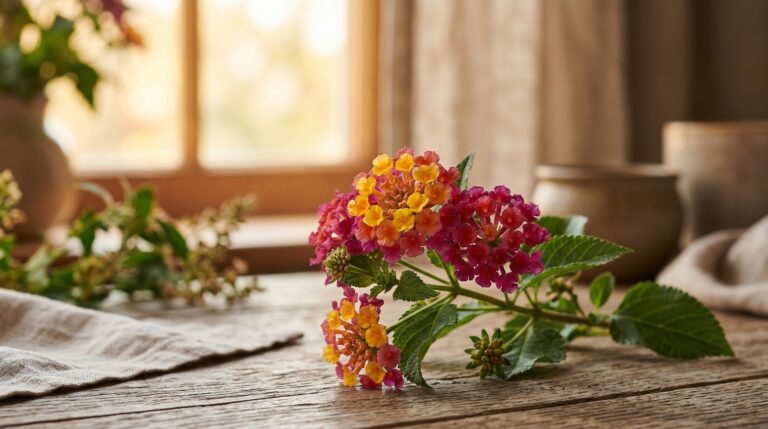
Why lantana flowers change color as they age and the science behind the show
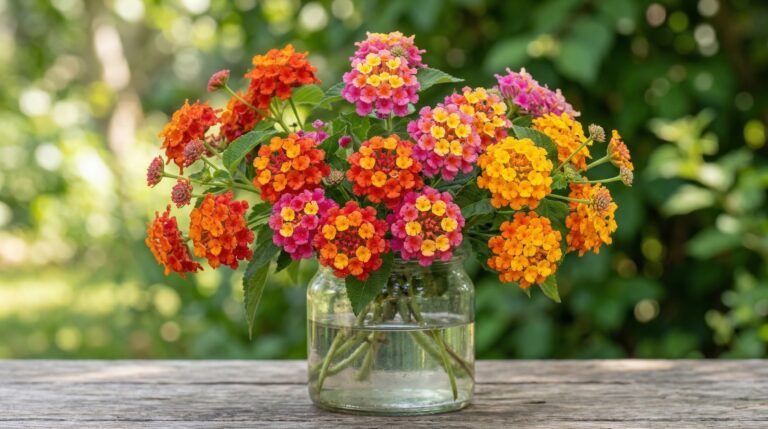
Best lantana varieties from multicolor Confetti to pure white Nivea
Companion plants for lantana that share its dry, sunny bed
Lantana flower meaning and the resilient beauty of this tough tropical bloomer
Lantana as a low-maintenance ground cover for slopes and hard-to-mow areas
Overwintering lantana plants indoors for saving your favorite varieties until spring
Is lantana invasive and how to grow it responsibly in warmer climates
How to grow lantana for non-stop color in the hottest driest spots in your garden