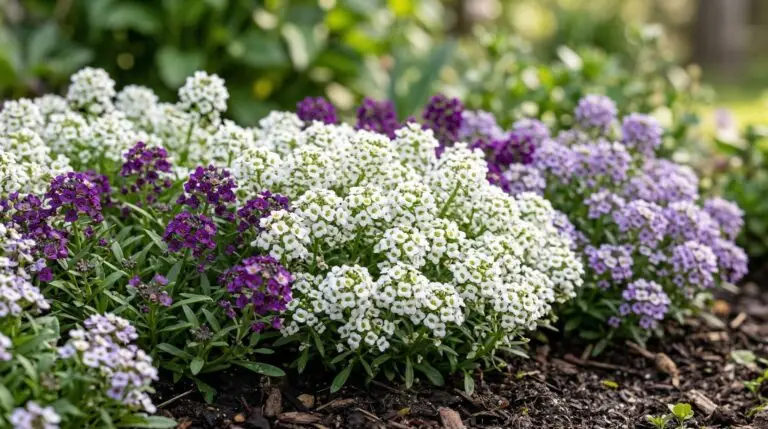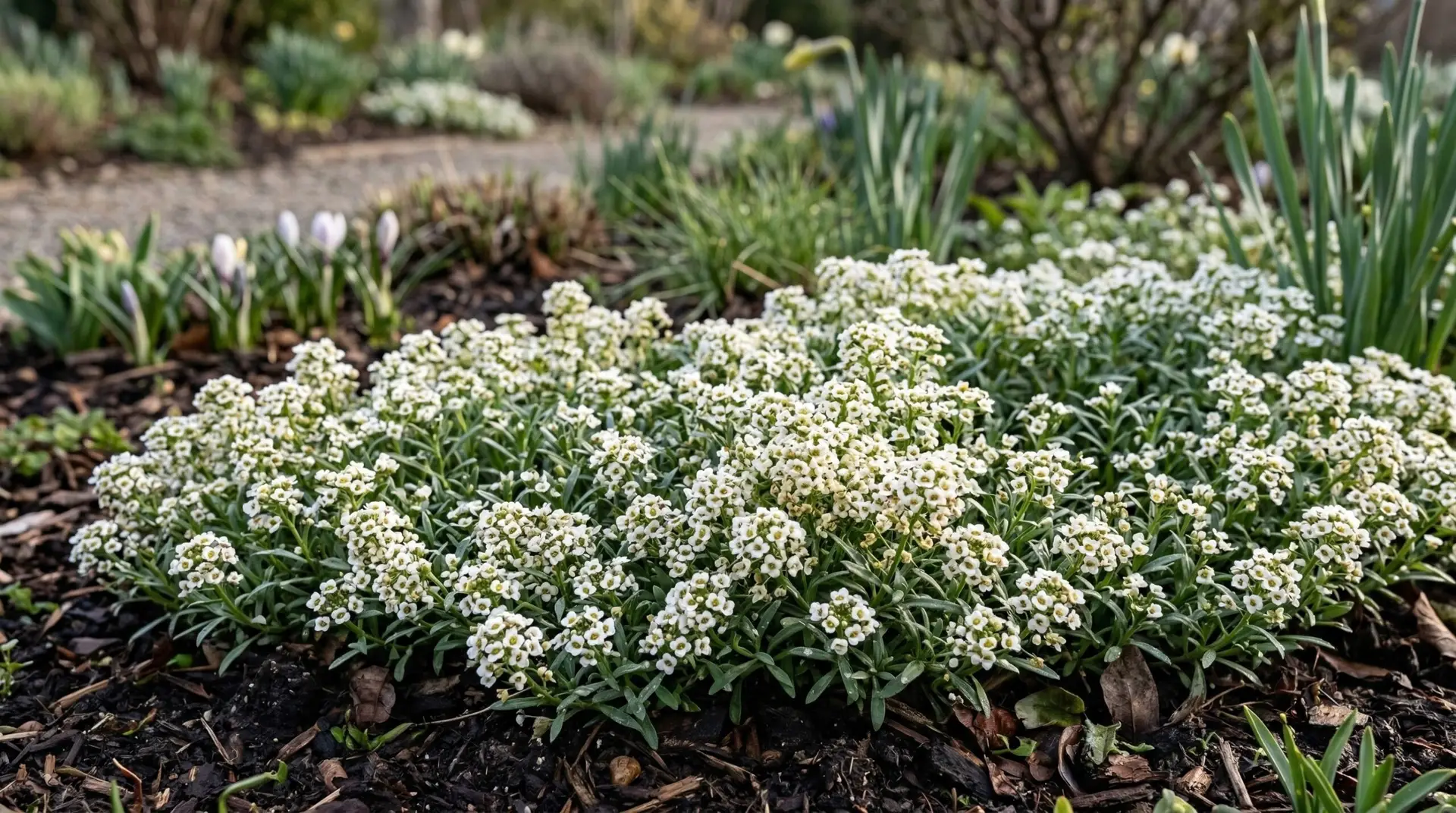
Most gardeners have experienced the exact same frustration with sweet alyssum. You buy a flat of these tiny white flowers in early May, plant them along your borders, and enjoy a thick carpet of honey scented blooms for about six weeks. Then July arrives with its baking sun, and your beautiful border turns into a crispy, yellowing mat of dead stems. The natural reaction is to reach for the hose and water the plants heavily, assuming they are just thirsty. When the extra water fails to revive them and actually makes the stems rot at the base, people often conclude they have a brown thumb and pull the plants out completely. The truth is that sweet alyssum dying in summer heat is a completely normal biological response, not a failure of your gardening skills. Understanding how this plant reacts to temperature changes will save you a lot of unnecessary guilt and wasted water.
Sweet alyssum is hardwired to thrive in cool weather and struggle when the air gets hot and humid. When nighttime temperatures start staying above seventy degrees, the plant goes into survival mode and stops producing new flowers. The energy shifts away from blooming and goes directly into setting seed so the plant can reproduce before the heat kills it. You will notice the stems elongating, the flower clusters thinning out, and tiny flat seed pods forming along the stems where flowers used to be. This is the exact same behavior you see in a snapdragon when summer heat arrives, as both plants belong to the cool season category. Once sweet alyssum shifts into this seed production phase, no amount of fertilizer or extra water will force it to make new flowers. The plant is simply waiting out the hostile weather conditions, and you have to change your care approach to match its dormant state.
Managing the midsummer decline
When your sweet alyssum starts looking ragged and stops blooming, the most effective fix is to give the plant a severe haircut. Grab a pair of sharp garden shears or scissors and cut the entire plant back by at least half its height. You want to remove all the stringy growth, the spent flowers, and most importantly, the developing seed pods. Cutting away the seed pods stops the plant from completing its reproductive cycle and signals it to generate fresh green growth instead. This process will leave your garden borders looking quite bare and unattractive for a few weeks, which requires some patience. The remaining stubble might look completely ruined, but the root system is still alive and waiting for better conditions. By removing the stressed upper foliage, you reduce the amount of water the roots need to support, helping the plant survive the hottest days of August.
Watering your newly sheared sweet alyssum correctly is the hardest part of the summer recovery process. When the foliage is reduced to stubble, the plant uses very little moisture, making it incredibly vulnerable to root rot if you keep up your spring watering schedule. You must let the top inch of the soil dry out completely before you apply any more water to the bed. If you see the remaining lower leaves turning yellow and mushy, it usually means the soil is staying too wet, and the fix is to back off the watering immediately. Conversely, if the stems turn brittle and snap when you touch them, the plant has dried out too much and needs a deep soak. Finding this balance takes a bit of trial and error, especially if your alyssum is planted in the ground rather than in containers with drainage holes. Keep the soil barely moist, skip the fertilizer entirely, and let the plant rest until the weather breaks.
Choosing better varieties for hot climates
If you live in a region with long, brutal summers and absolutely hate the ugly midsummer waiting period, you need to change the type of sweet alyssum you plant. Traditional varieties grown from cheap seed packets are the ones that melt down the fastest when July arrives. Plant breeders have solved this problem by creating sterile hybrid varieties, with ‘Snow Princess’ being the most common and reliable option you will find at garden centers. Because these sterile hybrids cannot produce seeds, they never receive the biological signal to stop blooming and shut down for the summer. They will continue to push out new white flowers right through the worst heat waves, provided you give them consistent moisture and regular feeding. These vigorous hybrids grow much larger than traditional types, often sprawling like a healthy petunia, so they require more space in your beds. Buying these sterile plants costs more upfront than starting regular sweet alyssum from seed, but the uninterrupted summer performance makes the investment worthwhile for hot climates.
The fall comeback and replanting strategy
For those who kept their traditional sweet alyssum alive through the summer heat, the reward arrives as soon as the first cool autumn breezes begin. When daytime temperatures drop back into the seventies and nights become crisp, your sheared plants will suddenly push out a dense flush of fresh green foliage. Within a week or two of this new growth, the flower buds will form and open, completely covering the plants in white or purple blooms once again. This fall display is often more robust than the spring show because the plants have spent months developing a massive, established root system. The flowers will easily survive light frosts and will keep blooming right up until a hard freeze finally kills the plant for the winter. If your summer plants did not survive the shearing process, early September is the perfect time to buy fresh transplants from the nursery. Fall planted sweet alyssum requires almost no maintenance and will fill your empty garden borders with color long after other annuals have died.
The most useful piece of advice for growing sweet alyssum is to treat it strictly as a shoulder season plant rather than a summer workhorse. Adjust your expectations and plan your garden design knowing that there will be a gap in performance during July and August. Plant your alyssum next to sprawling petunias or other heat loving annuals that will grow large enough to hide the sheared alyssum stubble during the hottest weeks of the year. When you stop fighting the plant’s natural biology and learn to work with its cool weather preferences, you will experience far less frustration. Recognize the signs of heat stress early, be brave enough to cut the plants back hard, and practice restraint with your watering can while they rest. If you follow this simple rhythm of spring enjoyment, summer pruning, and fall revival, sweet alyssum will become one of the most reliable performers in your garden.
More About Sweet Alyssum
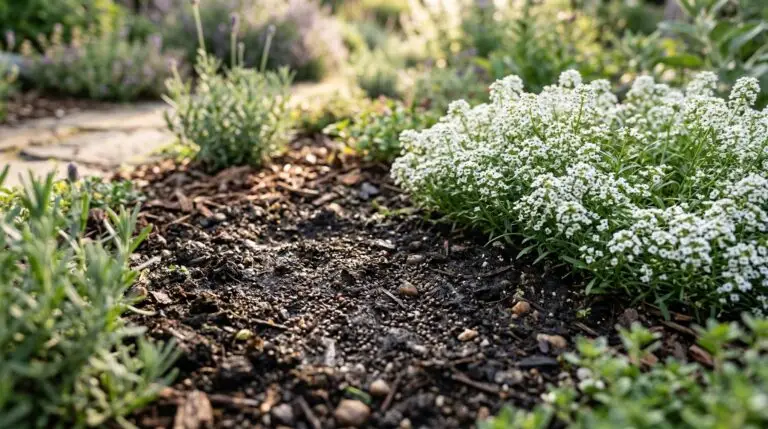
Growing sweet alyssum from seed and the scatter-sow method that could not be simpler
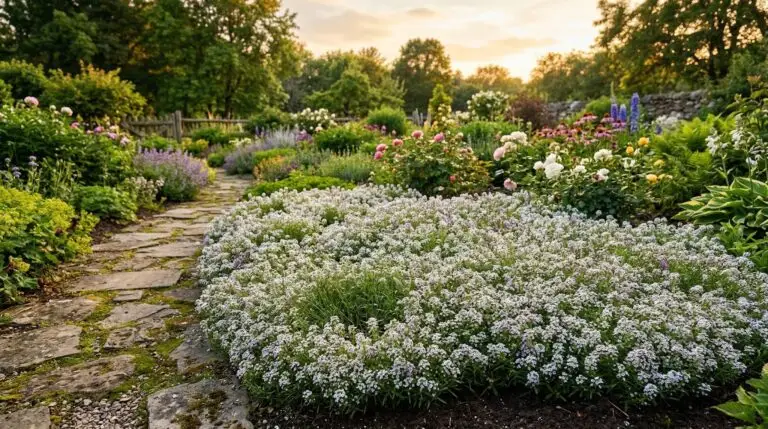
Sweet alyssum as a living mulch and ground cover that suppresses weeds while smelling amazing

Sweet alyssum between pavers and stepping stones for fragrant walkway edges
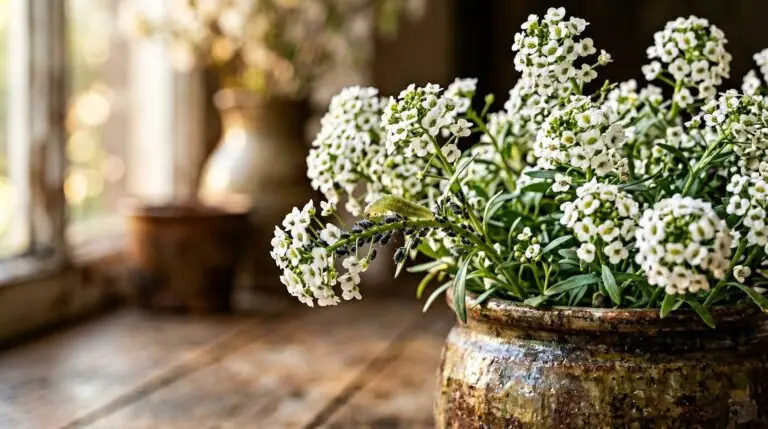
Sweet alyssum as a beneficial insect attractor that brings hoverflies and parasitic wasps
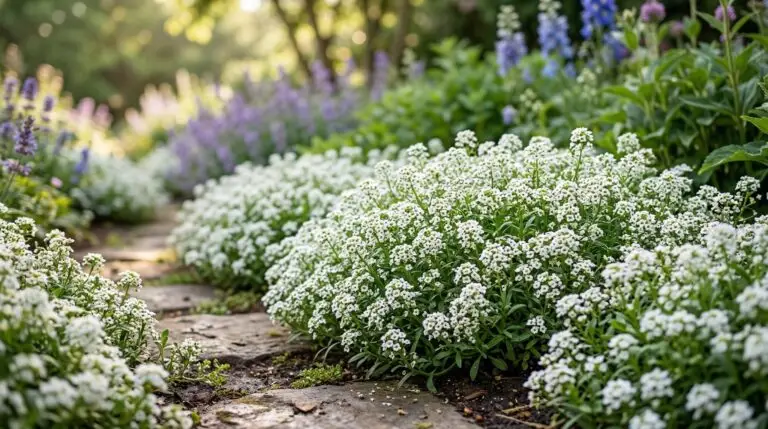
How to grow sweet alyssum for fragrant white carpets that spill over every edge
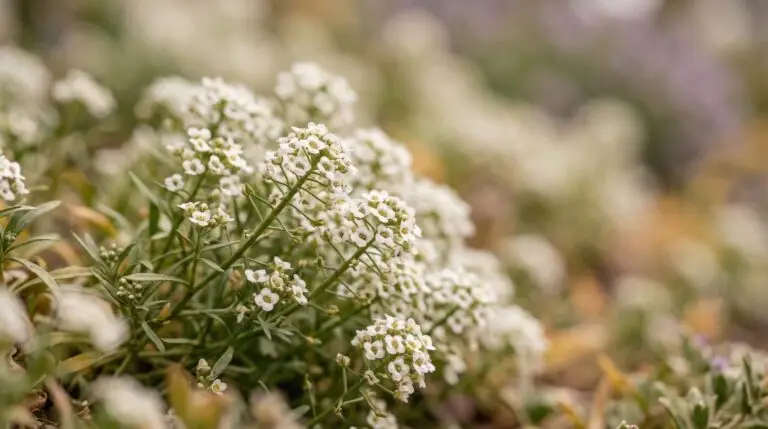
Sweet alyssum flower meaning and the modest charm of this honey-scented ground hugger
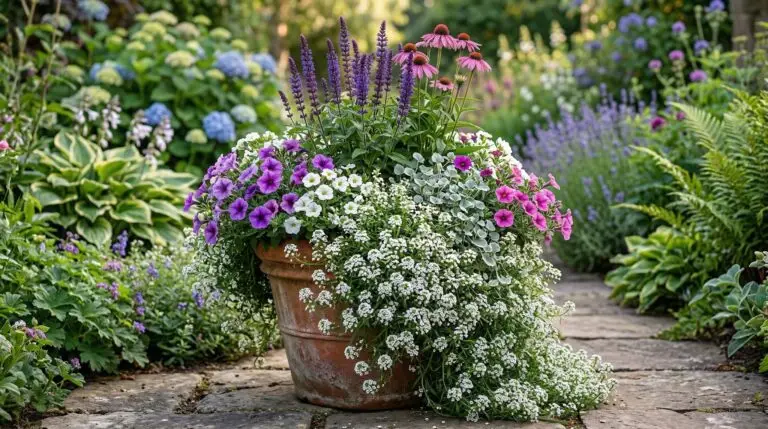
Sweet alyssum in containers and hanging baskets as the perfect fragrant spiller plant