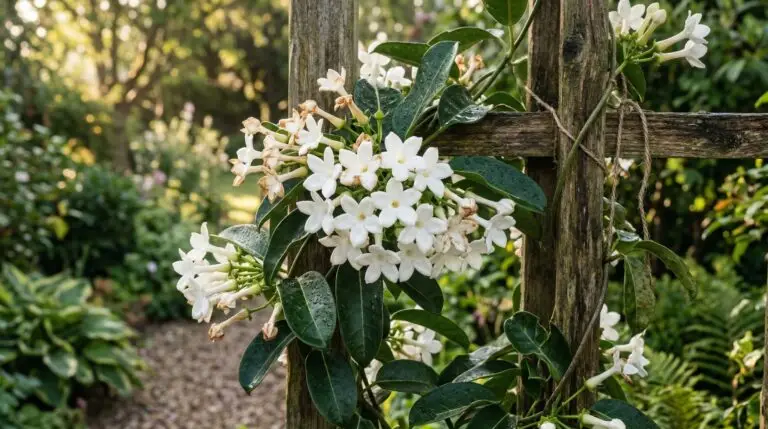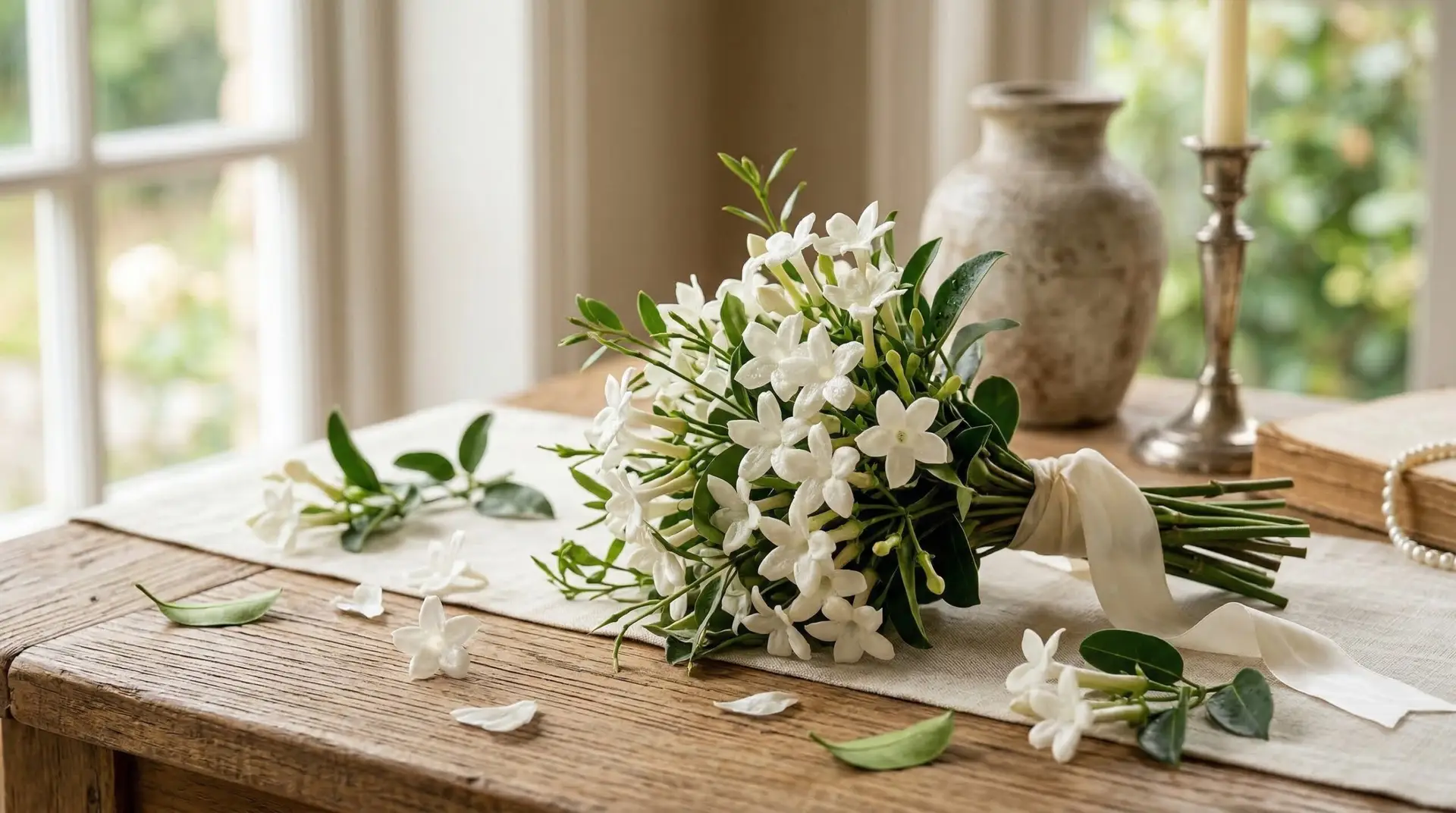
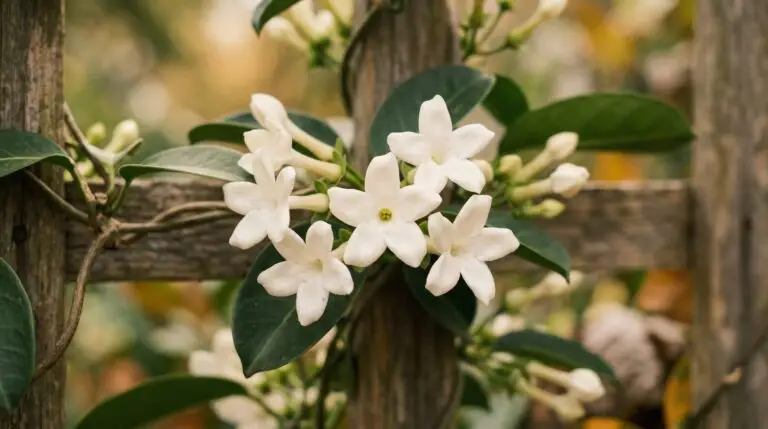
The air inside a floral design studio on a Saturday morning carries a distinct, heavy sweetness when stephanotis is on the workbench. Long vines of dark green leaves cascade over the edges of the table, but the true prize lies in the clusters of pure white, waxy, star-shaped blossoms. Florists gently snap these individual blooms from their vines, handling them with the care usually reserved for fragile glass. The fragrance is intoxicating, reminiscent of a sweet gardenia but with a cleaner, sharper note that cuts through the humid air of the cooler. For generations, this small blossom has carried the heavy title of the traditional wedding flower. Brides have sought out these tiny white stars to carry down the aisle, drawn by both their perfume and their pristine appearance. There is something deeply satisfying about holding a flower that seems designed entirely for a single, momentous occasion.
Botanically known as Stephanotis floribunda, the vine is native to Madagascar and thrives in warm, humid environments. Gardeners often cultivate it as a greenhouse exotic, coaxing the woody stems to climb trellises and produce their highly scented clusters. In the floral trade, however, the focus is entirely on the cut blossoms rather than the climbing plant itself. The name stephanotis translates roughly from Greek as “fit for a crown,” a fitting moniker for a flower that has adorned royal brides and high society weddings for over a century.
A royal tradition of marital happiness
The association between stephanotis and weddings was cemented in the public imagination during the mid-twentieth century. When Grace Kelly married Prince Rainier of Monaco, she carried a small, teardrop-shaped bouquet composed almost entirely of lily of the valley and stephanotis. The tight, formal arrangement became an instant classic, setting a standard for bridal elegance that florists are still asked to replicate today. The appeal goes beyond the visual elegance of the crisp white petals against dark foliage. In the language of flowers, stephanotis specifically signifies marital happiness. Most gardeners discover that while a classic rose speaks of romantic love, stephanotis carries a more specific promise of enduring joy in marriage. This targeted symbolism made it an essential ingredient in traditional bridal work, where every element was chosen for its meaning as well as its beauty.
Achieving that effortless, classic look requires an immense amount of behind-the-scenes labor. Unlike most cut flowers that arrive at a flower shop with long, sturdy stems ready to be dropped into a vase, stephanotis presents a unique physical challenge. The blossoms grow on very short pedicels attached directly to the thick main vine. A florist must remove the flower from the vine to use it, leaving practically no stem to work with.
The quiet art of wiring and taping
Preparing stephanotis for a bridal bouquet is a quiet, meditative process that tests a designer’s patience. Because the natural stem is too short to insert into floral foam or gather into a hand-tied arrangement, each individual flower must be given an artificial stem. A florist takes a thin piece of silver wire and carefully pierces the swollen base of the white blossom, creating a tiny hairpin bend to secure it. Often, a small piece of damp cotton is tucked against the base of the flower before the wire is wrapped in pale green or white floral tape. This damp cotton provides the only moisture the bloom will receive throughout the wedding day. The taping process must be tight and smooth, creating a clean line that mimics a natural stem without adding unnecessary bulk to the final bouquet. A traditional cascading arrangement might require fifty or more individual stephanotis blooms, meaning the florist spends hours just preparing the raw materials before the actual design work begins.
To add another layer of refinement, designers often insert a single pearl-headed pin directly into the center of the stephanotis tube. The pearl rests perfectly within the throat of the flower, hiding the reproductive parts and giving the blossom a finished, tailored appearance. This technique catches the light beautifully and provides a subtle echo of the pearls worn by the bride. It is a detail that requires a steady hand, as the waxy petals are unforgiving and will show a brown bruise if they are fumbled or squeezed too tightly.
Designing the classic bridal bouquet
Once the wiring is complete, the stephanotis is ready to be woven into the bridal bouquet. The flexible wire stems give the designer complete control over the placement and angle of every single flower. They can be clustered together to form a dense, fragrant focal point or extended outward on longer wires to float delicately at the edges of the arrangement. Stephanotis pairs exceptionally well with other classic white wedding blooms. A florist might tuck the wired stars between the ruffled petals of a white peony or use them to soften the structured trumpet of a lily. The pure white of the stephanotis serves as a bright, clean contrast to the creamy, sometimes yellow-tinged whites of other popular wedding flowers. The resulting bouquet is highly structured but visually light, carrying a fragrance that will follow the bride down the aisle.
The true magic of the stephanotis bridal bouquet reveals itself long after the wedding day has passed. Scent is deeply tied to human memory, and the sharp, sweet perfume of Madagascar jasmine has a way of anchoring the events of the day in the mind. Years later, a bride might encounter a blooming vine in a botanical garden or catch a similar fragrance on the evening air. In that brief moment, the scent brings back the weight of the bouquet, the rustle of the dress, and the quiet anticipation of the walk down the aisle.
More About Stephanotis
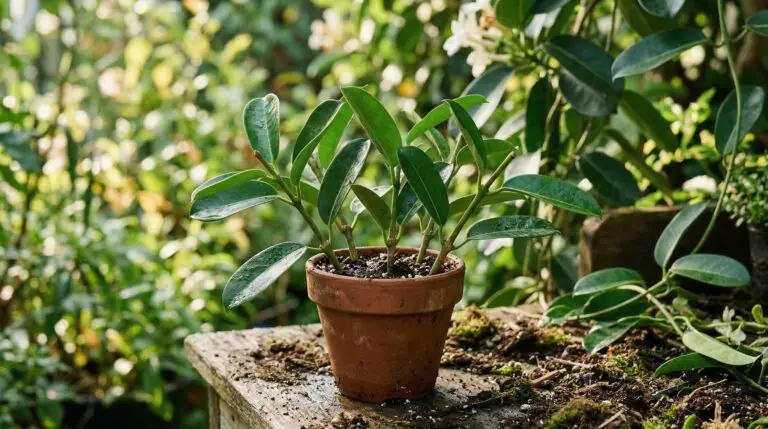
Propagating stephanotis from cuttings for new plants from your prized vine

How to get stephanotis to bloom indoors with the right winter rest and spring warmth
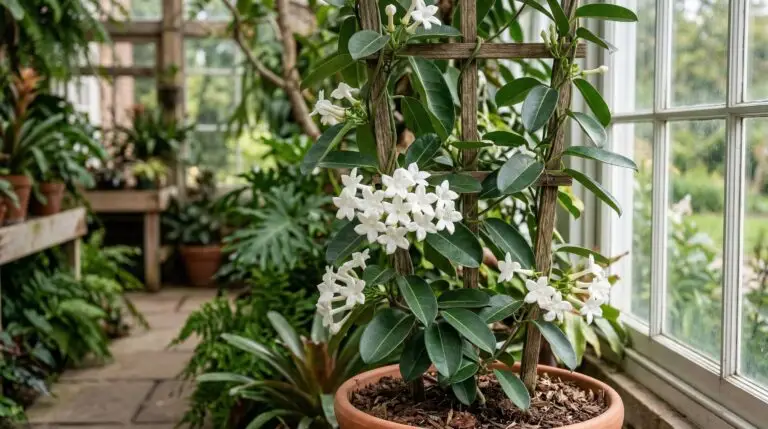
How to grow stephanotis for waxy white stars with an intoxicating jasmine-like fragrance
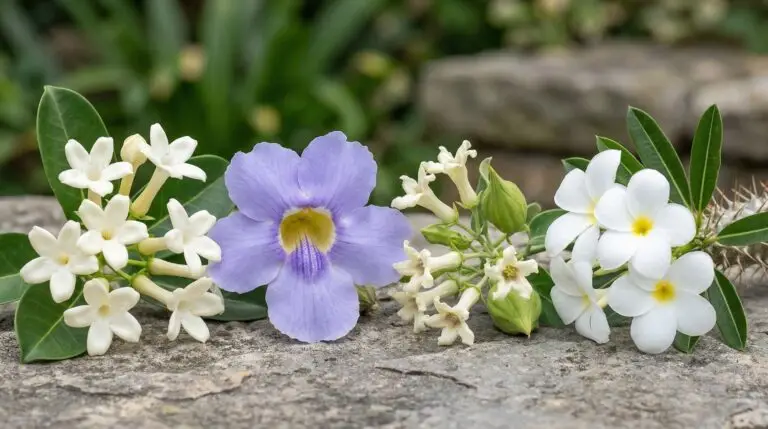
Stephanotis versus jasmine and choosing the right fragrant white vine for your home
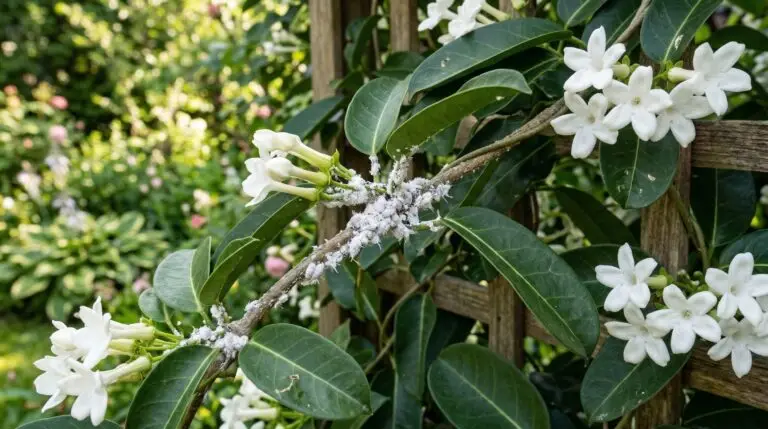
Common stephanotis pests from mealybugs to scale and keeping your vine clean
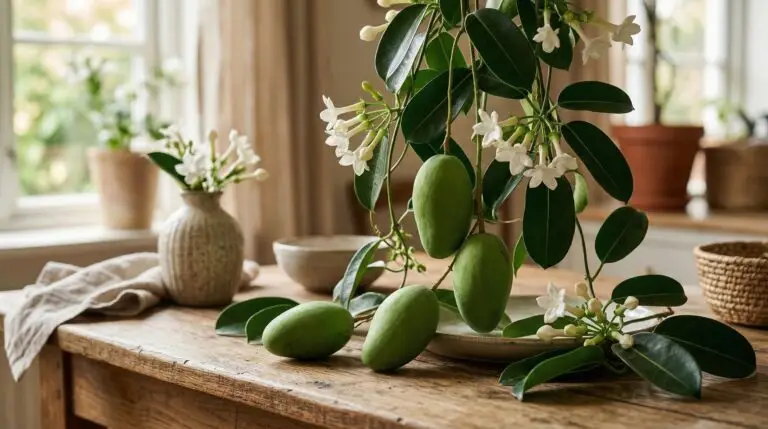
Stephanotis seed pods the giant green fruits that sometimes appear on indoor plants
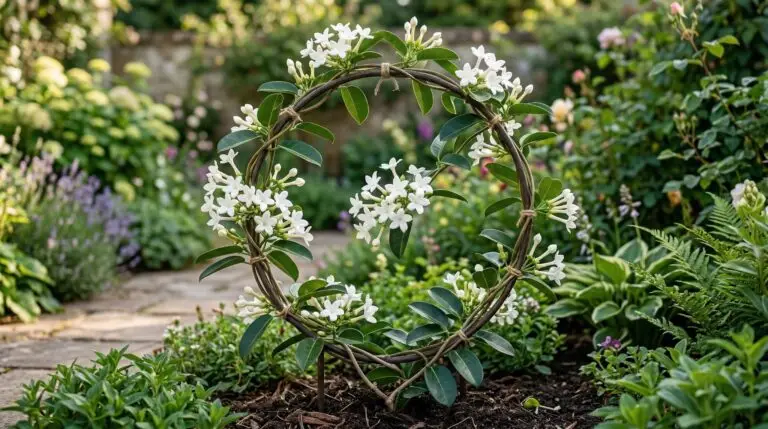
Growing stephanotis on an indoor trellis or hoop for a fragrant living room feature
Stephanotis flower meaning and the marital happiness this bloom has promised for centuries