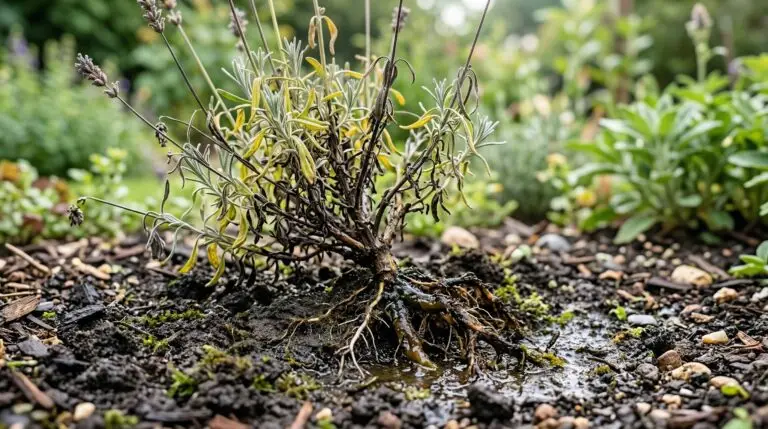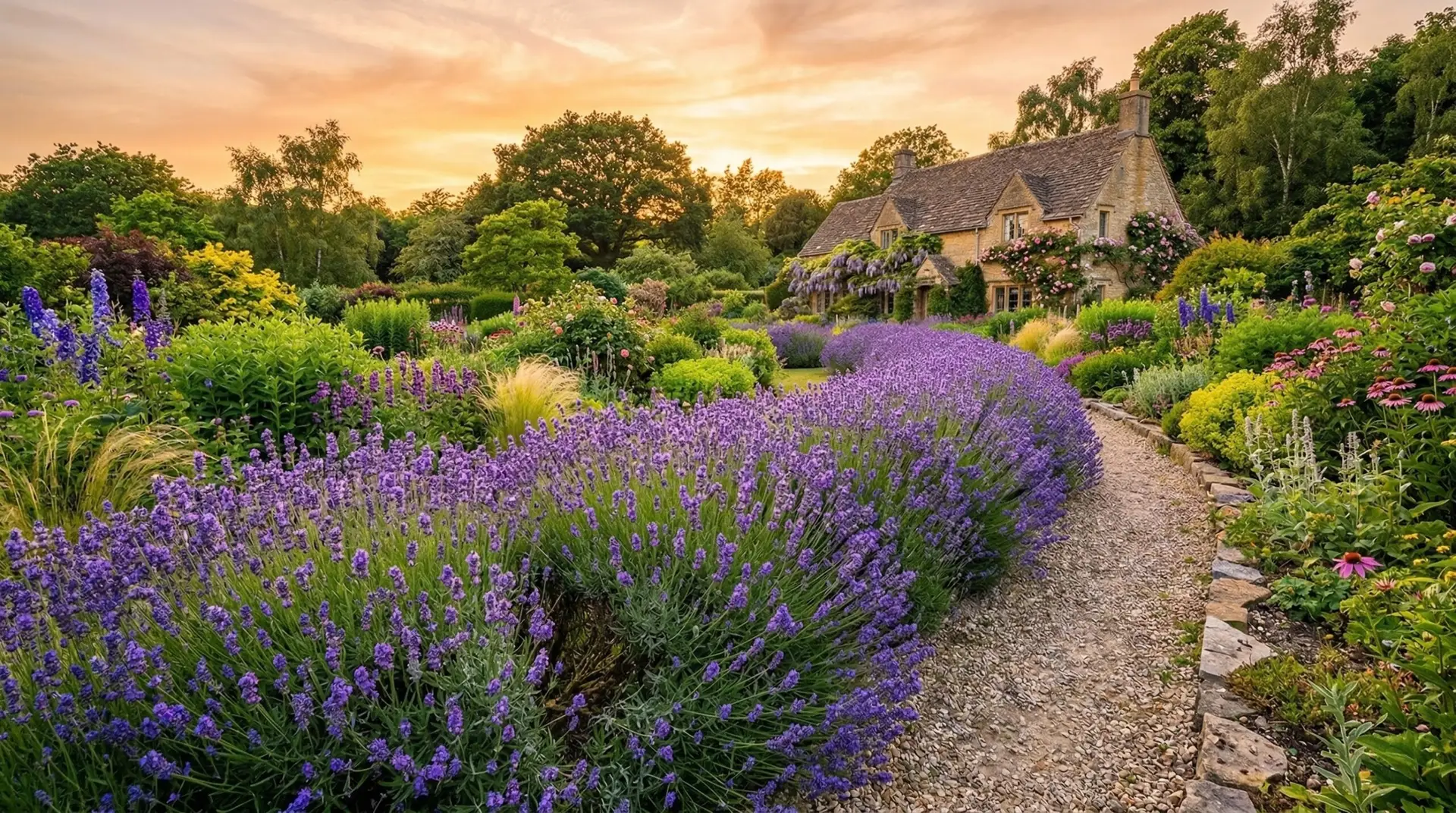
Lavender dies from the bottom up when you cut into brown wood. The single most important rule of pruning lavender is to leave the old, leafless stems completely alone. Once a stem turns brown and hard, it loses the ability to generate new green shoots from dormant buds. Cutting below the lowest green leaves guarantees a dead branch and eventually a dead plant. You must maintain a tight mound of green growth by removing exactly one third of the total plant volume every year. If you skip a single year of pruning, the base becomes permanently woody and the plant begins to splay open from its own weight. Regular, disciplined shearing forces the plant to branch out closer to the center, keeping the overall structure dense and capable of supporting heavy blooms. Understanding this growth habit directs every cut you will make throughout the lifespan of the plant.
Spring pruning dictates the season’s shape
Wait until you see the very first signs of green growth at the base of the stems before making your spring cuts. Pruning too early exposes the freshly cut tips to late frosts, which kills the new buds you are trying to stimulate. Once the weather stabilizes and the plant wakes up, grab a handful of stems and shear off the top few inches of green growth. You are aiming to shape the plant into a smooth hemisphere, which encourages uniform sunlight penetration to the interior leaves. English lavender varieties generally tolerate a slightly harder cut than Spanish or French types, but the rule of leaving at least two inches of green growth above the woody base applies universally. Always use bypass pruners or sharp hedge shears sanitized with rubbing alcohol to prevent the spread of bacterial infections. Remove any stems that died completely over the winter, cutting those specific branches all the way back to the main trunk to improve air circulation through the center of the mound.
Post-bloom shearing prevents stem splitting
Your second pruning happens immediately after the primary summer bloom fades. Do not wait for the flowers to turn completely gray and brittle before taking action. Removing the spent flower stalks along with about an inch of the leafy stem below them prevents the plant from wasting energy on seed production. This summer cut removes the top-heavy weight that causes older lavender bushes to split open down the middle during heavy rain. Plants that split apart expose their sensitive woody centers to trapped moisture, leading directly to fungal diseases and crown rot. Similar to the midseason cutback required for catmint, this prompt summer shearing often produces a smaller second flush of flowers in early autumn. The goal is to leave the plant compact and tight before winter weather arrives to crush loose, sprawling branches under heavy snow loads.
Correcting mechanical damage and winter dieback
Sometimes a heavy snowfall or a passing animal will crush a mature lavender plant, breaking stems down to the woody base. When dealing with severe mechanical damage, you must carefully evaluate each broken branch rather than blindly shearing the entire plant. If a stem is snapped below the lowest green leaves, cut it off cleanly flush with the main trunk. Leaving jagged, broken wood invites rot and insect damage directly into the core of the subshrub. If the breakage leaves a lopsided plant, you must resist the urge to cut the undamaged side down to match the broken side if it means cutting into brown wood. You will have to accept an asymmetrical shape for a season while the plant pushes new growth to fill the gap. Consistently applying the one-third rule to the remaining healthy green sections will eventually encourage enough lateral branching to restore a balanced appearance.
The limits of rejuvenation
Despite what many sources claim, you cannot rejuvenate a neglected, woody lavender plant by cutting it to the ground. Herbaceous perennials like Russian sage will reliably push new growth from the roots after a hard dormant pruning, but lavender is a subshrub with entirely different physiological rules. If your lavender has a sprawling, twisted base of bare wood with just a few tufts of green at the tips, the plant is already structurally ruined. Attempting a severe cutback to force new growth will simply kill it faster because the old wood lacks the necessary active cells to regenerate. You can try to salvage a slightly overgrown plant by pruning back to the lowest possible green node, but you must accept the existing woody framework as permanent. The only way to deal with a severely woody, splayed lavender bush is to dig it out entirely and start over with a new specimen. Proper pruning is preventative maintenance, not a cure for years of neglect.
Realistic lifespan and replacement
Even with precise pruning, lavender is not a permanent fixture in the garden. A well-maintained English lavender will produce dense foliage and flowers for roughly seven to ten years before natural decline sets in. French and Spanish varieties typically exhaust themselves in four to five years regardless of how carefully you manage their growth. As the plant ages, the woody base inevitably thickens and the production of new green shoots slows down drastically. You will notice the center of the plant becoming sparse and the overall shape becoming irregular and lopsided. Rather than fighting the natural lifecycle of a short-lived subshrub, plan to propagate or purchase replacements before the original plant completely fails. Pulling out an old, woody plant gives you the opportunity to amend the soil with fresh grit and lime before installing its successor. Replace your lavender when it stops responding to your shears.
More About Lavender
Lavender flower meaning and why this herb has calmed humanity for thousands of years
Harvesting and drying lavender at the perfect moment for the strongest fragrance
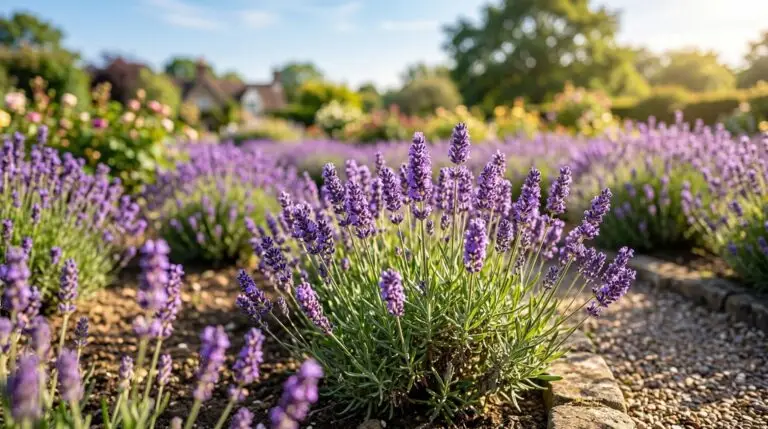
How to grow lavender for fragrant purple spikes and the Mediterranean garden of your dreams
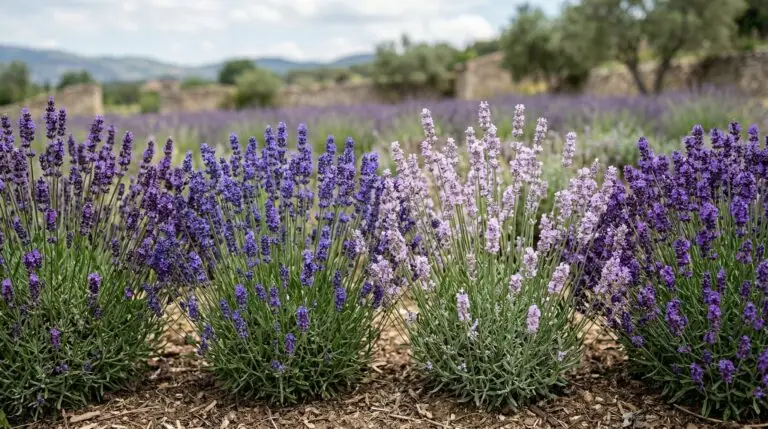
Best lavender varieties from English Hidcote to French Provence and Spanish butterfly types
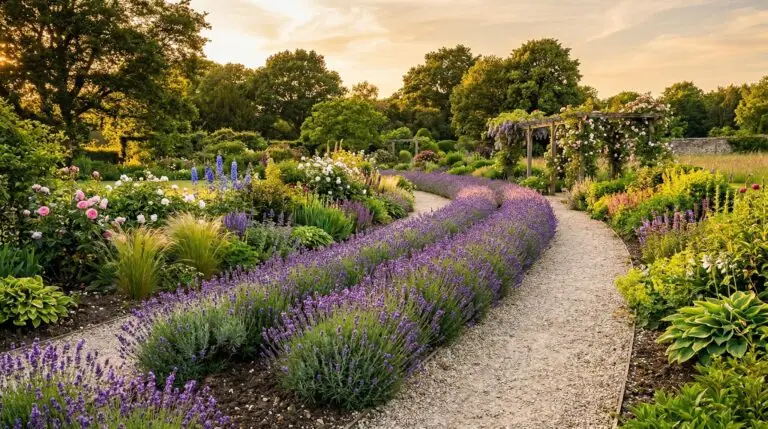
Designing a lavender hedge border that lines your garden path with fragrance
Cooking with lavender from herb-crusted lamb to lavender lemonade and shortbread
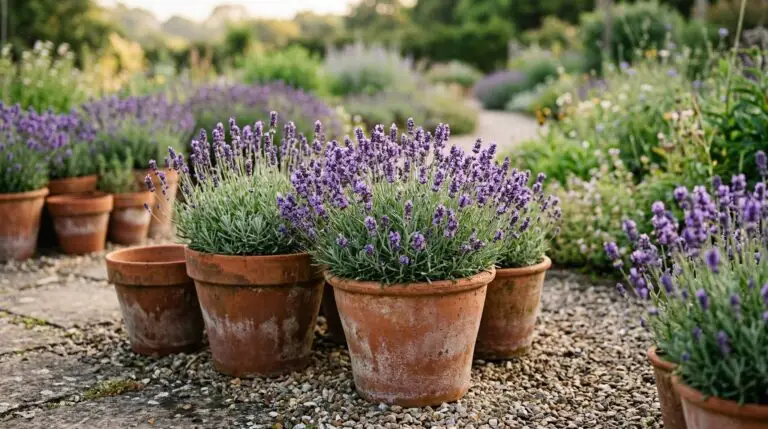
Growing lavender in containers for fragrant patio and balcony gardens
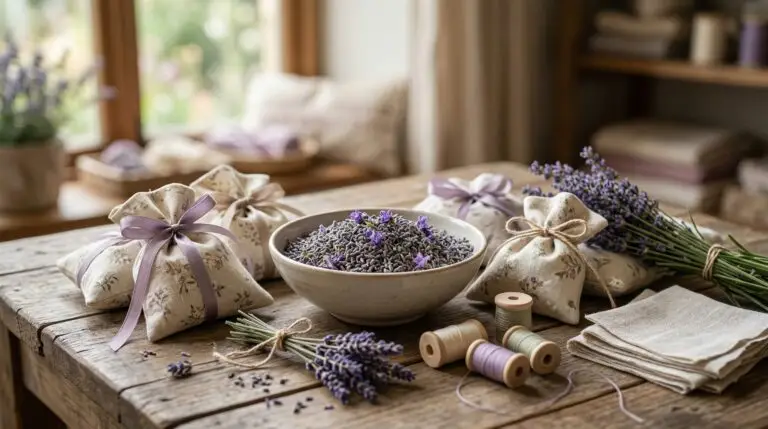
Lavender sachets potpourri and dried flower crafts using your garden harvest