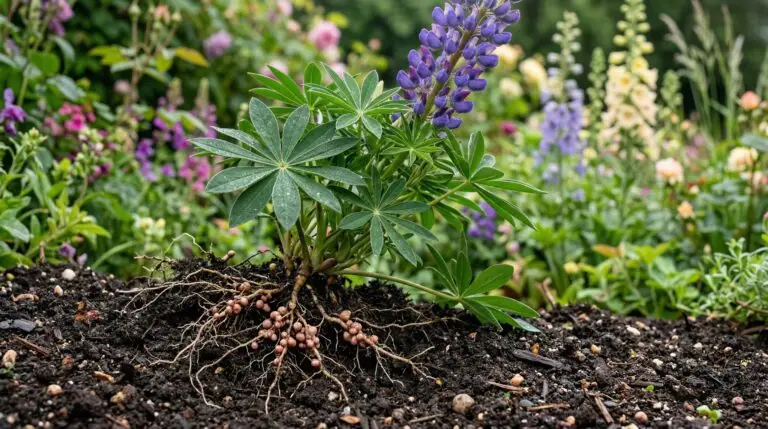
The sight of tall flower spikes rising from a cluster of pots is a classic gardening goal that brings much-needed vertical color to a paved patio. Many people grab a standard nursery pot and try to cram a towering plant into it, only to watch the foliage struggle by mid-summer. Lupines are particularly notorious for throwing a fit when their roots hit plastic walls. They have a long, stubborn taproot that wants to drive straight down into the earth, making traditional container gardening tricky. After years of pulling stunted, yellowing plants out of shallow terra cotta bowls, the secret to growing a lupine patio display comes down to respecting that taproot. Treating them as a single season vertical show, rather than a permanent fixture, changes the entire approach and leads to much healthier plants.
Choosing the right pot for a demanding root system
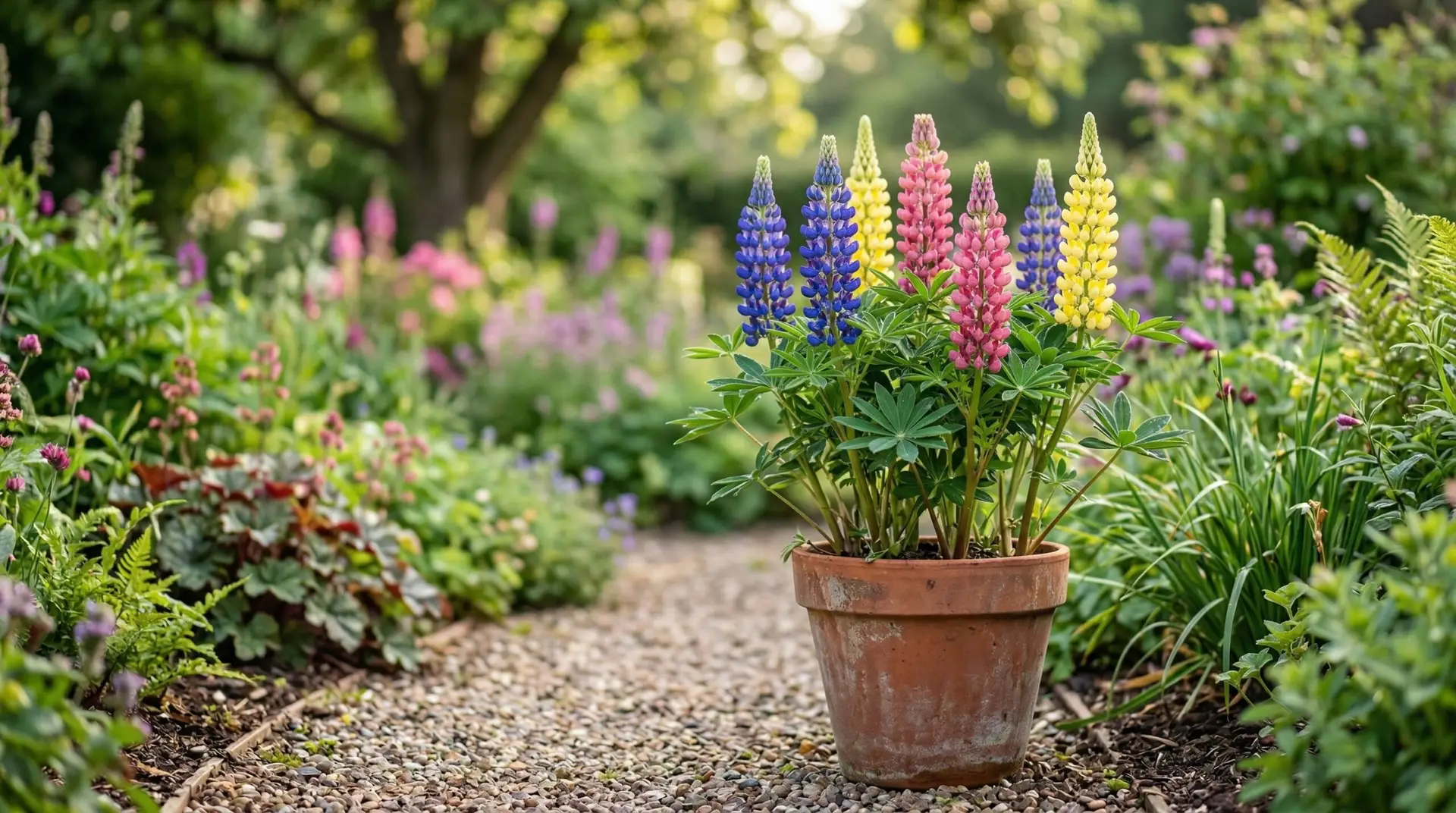
The most common mistake with container lupines happens before the plant even leaves the garden center. A standard ten-inch wide pot is almost never deep enough to keep these plants happy for a full season. Because that taproot needs somewhere to go, the container must be at least fourteen inches deep, and ideally deeper. Tall, narrow resin planters work beautifully for this, and they are lightweight enough to move around the patio when the sun gets too intense. For a more affordable solution, tall utility buckets with several large drainage holes drilled into the bottom provide the exact dimensions these plants crave. When the roots have room to stretch downward, the foliage stays green and the flower spikes reach their proper height without flopping over.
Getting the soil mix right matters just as much as the depth of the pot. Lupines despise sitting in wet, heavy muck, especially when confined to a container where water pools at the bottom. A standard bag of potting soil is usually too dense right out of the bag and needs a heavy dose of perlite or coarse sand mixed in. The water should drain out the bottom holes within seconds of watering, leaving the soil moist but never soggy. If the leaves start turning pale yellow while the veins stay green, the roots are likely drowning in a perched water table at the base of the pot. Elevating the container on a few bricks or cheap pot feet ensures the drainage holes never get blocked by the patio surface.
Selecting varieties that fit the space
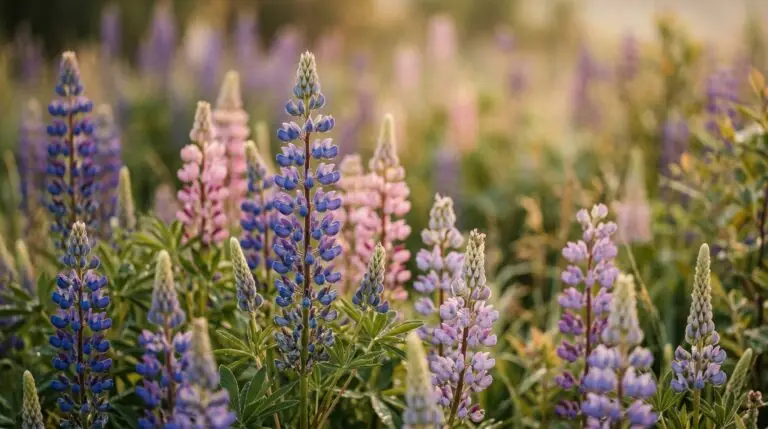
Trying to grow the classic, towering Russell lupines in a pot usually ends in disappointment. Those massive plants need wide open garden beds to support their heavy foliage and heavy flower stalks. For container gardening, the Gallery dwarf series is the only reliable choice that consistently performs well. These compact plants top out around eighteen to twenty-four inches tall, keeping them perfectly proportioned for doorstep displays without needing ugly bamboo stakes. They produce the same dense, colorful flower spikes as their larger cousins, just on a much sturdier frame that stands up to spring breezes on an exposed patio. Gardeners looking for a similar vertical effect might also consider growing Delphinium elatum or a tall variety of snapdragon, though the dwarf lupines offer a distinctly rugged, textured foliage that looks great even before the blooms open.
Watering and feeding for strong vertical growth
Lupines are a bit strange when it comes to feeding, and treating them like heavy-feeding annuals will ruin the display. Because they are legumes, they pull nitrogen right out of the air and fix it in the soil, meaning they rarely need extra nitrogen fertilizer. Pouring standard liquid plant food over them usually results in a massive flush of floppy green leaves and very few flowers. A light top-dressing of bone meal or a phosphorus-heavy bloom booster early in the season is all they require to push up those tall spikes. Watering requires a careful balance, as the deep taproot needs moisture but the crown will rot if it stays wet. Soaking the pot thoroughly until water runs out the bottom, then letting the top two inches of soil dry completely before watering again, is the most reliable routine.
Keeping the root zone cool all summer
Lupines are cool-weather plants that quickly lose their temper when the summer heat sets in. In a garden bed, the surrounding soil insulates the roots from baking sun, but a plastic pot sitting on concrete acts like an oven. Keeping the root zone cool is the hardest part of growing lupine in pots, but using light-colored containers makes a massive difference by reflecting the sunlight. Grouping several pots together so the outer plants shade the containers in the middle is an old, reliable trick that costs absolutely nothing. Gardeners in the South will need to move their pots into dappled shade by early afternoon to prevent the plants from collapsing entirely. In northern zones, the plants can handle full sun much longer, provided the soil surface is covered with a thick layer of light mulch like straw or pale wood chips to trap moisture and block the heat.
Managing common pests on the patio
The moment those thick flower buds start to swell, the local aphid population will find them. Lupines are absolute magnets for aphids, which gather in thick gray or green clusters right on the newest growth at the top of the spike. Spraying them with harsh chemicals is usually overkill and can damage the tender buds right before they open. A strong blast from the garden hose is the cheapest and most effective way to knock them off, though it requires supporting the stalk with one hand so it does not snap. For stubborn infestations, a simple spray bottle filled with water and a few drops of mild dish soap will dry out the pests within a day. Checking the stems every time you walk out to the patio prevents a minor bug problem from ruining the entire vertical show.
Accepting the single season lifespan
While seed packets label these plants as perennials, trying to overwinter them in containers is a frustrating gamble. The freeze and thaw cycles in a pot usually rot the crown, leaving behind a mushy mess by spring. Experience shows that treating container lupines as a single season display saves a lot of heartache and frees up the pots for fall planting. Once the main flower spikes fade, cutting them off right at the base will sometimes encourage a smaller, secondary flush of blooms. By late summer, the foliage will inevitably start to look ragged and tired with powdery mildew, which is completely normal and not a sign of failure. Pulling the plants out and tossing them in the compost bin when they decline is just part of the natural rhythm of container gardening.
More About Lupine
Wild lupines along American roadsides and meadows and where to see them bloom
Why lupines die after a few years and how to keep them going through seed saving
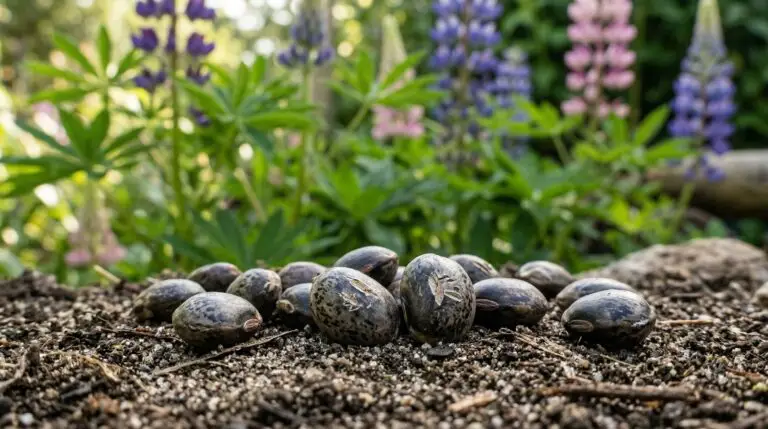
Growing lupines from seed and the scarification trick that unlocks fast germination
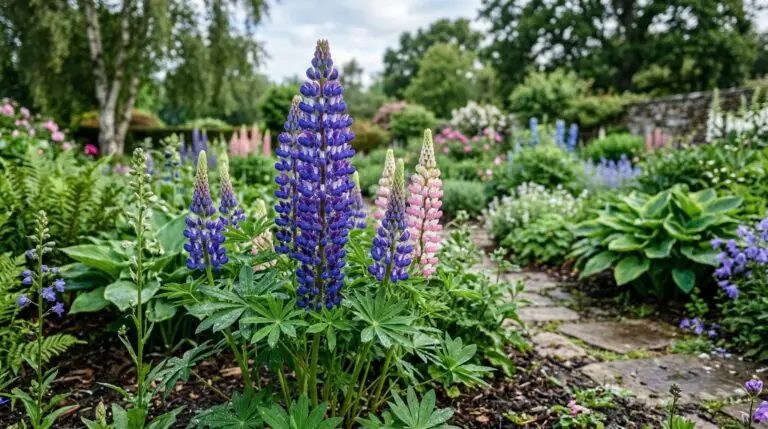
How to grow lupines for dramatic flower spires that bring cottage garden magic
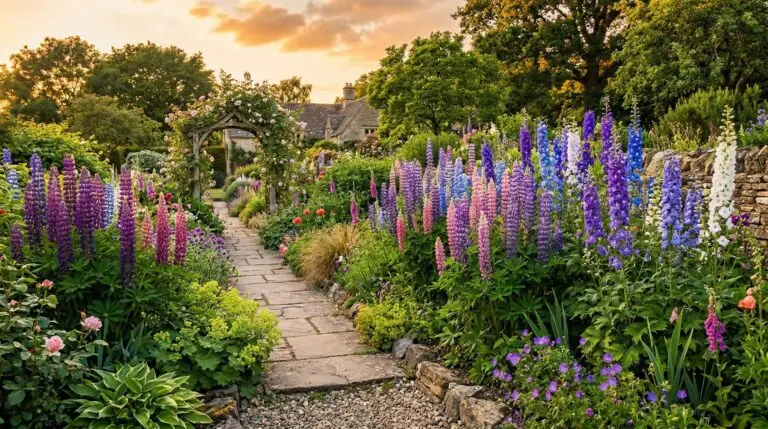
Lupine companion plants: what to grow and what to avoid
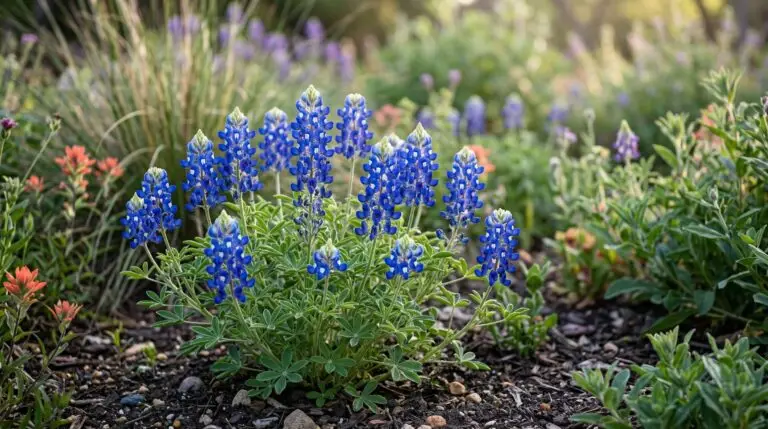
Lupines in hot climates and the challenge of growing these cool-weather beauties in the south
Lupines as nitrogen fixers that naturally enrich and improve your garden soil
Lupine flower meaning and why these wild spires symbolize imagination and creativity