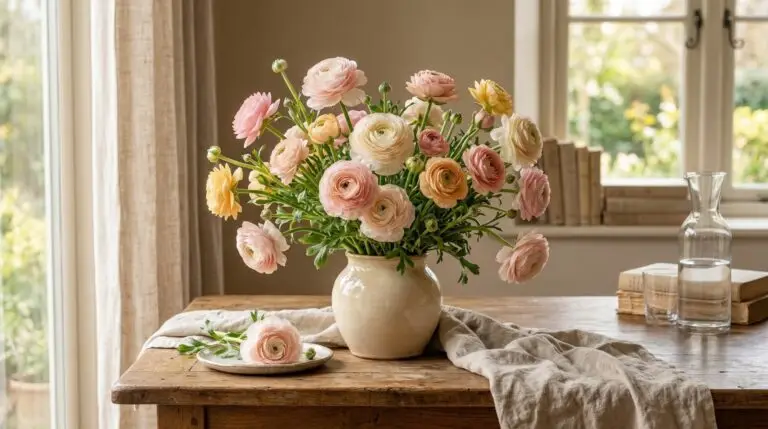
Gardeners and floral designers frequently find themselves weighing the merits of two deeply romantic, multi-petaled blooms. The classic garden rose has held the title of the premier romantic flower for centuries, offering rich fragrance and a traditional ruffled form. Yet the ranunculus has steadily gained ground as a formidable competitor in both cutting gardens and floral arrangements. Deciding between a ranunculus vs roses comes down to understanding their distinct growing habits, seasonal timing, and how they perform once cut. Both flowers provide that sought-after lush, cabbage-like appearance, but they demand entirely different approaches from the person growing them.
Making this choice matters because these plants operate on completely different timelines and require different levels of commitment. A rose bush is a woody perennial shrub that will live in your landscape for decades, requiring annual pruning, feeding, and disease management. A ranunculus grows from a small, claw-like corm that acts as an annual in many climates, blooming furiously for a few weeks in spring before dying back when the heat arrives. The soil requirements and root structures of these plants mean they rarely compete for the exact same physical space in a mixed border. Your decision depends heavily on whether you want a permanent landscape fixture or a temporary, high-yield crop specifically meant for early spring cutting.
Comparing petal density and visual impact
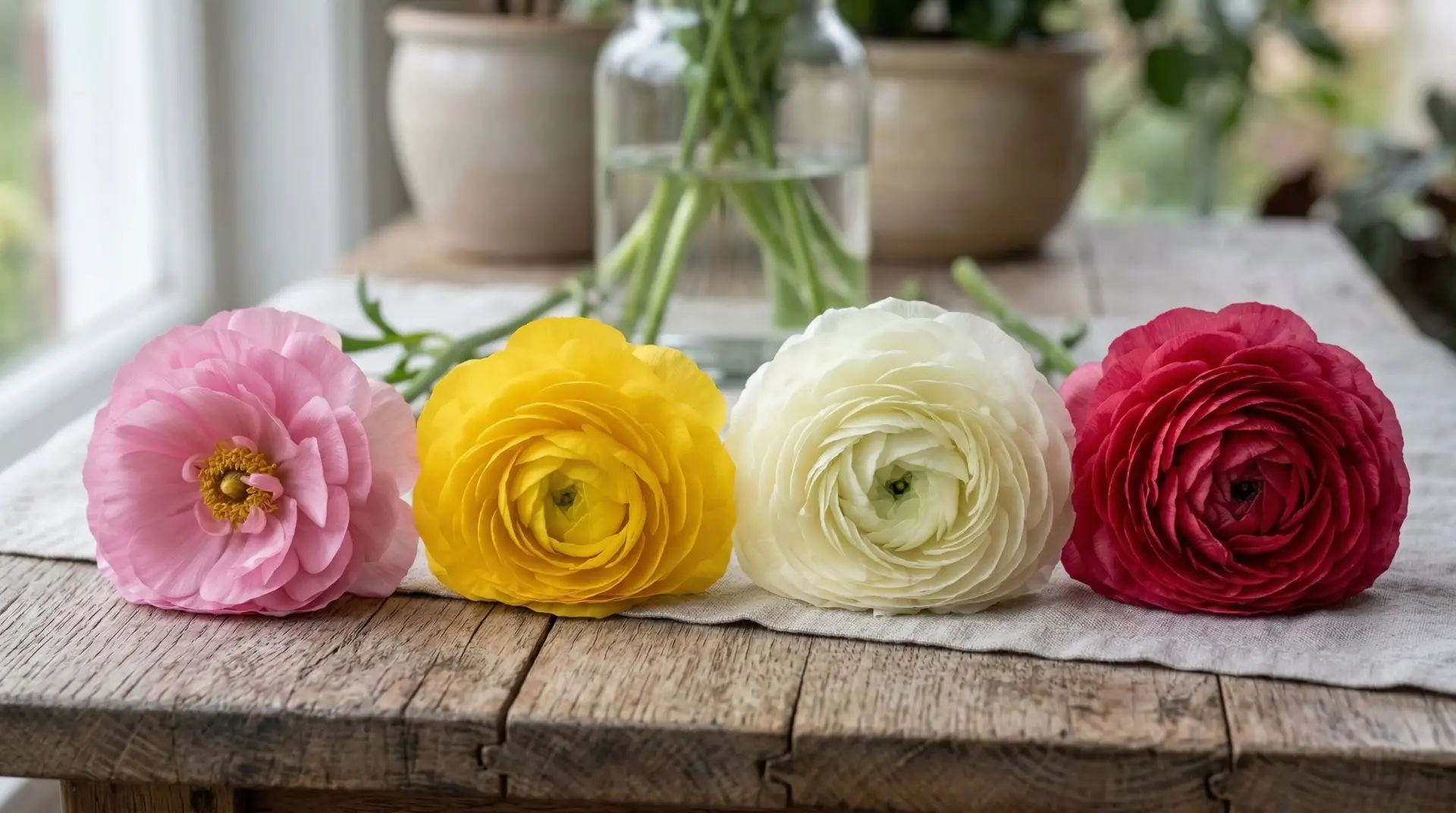
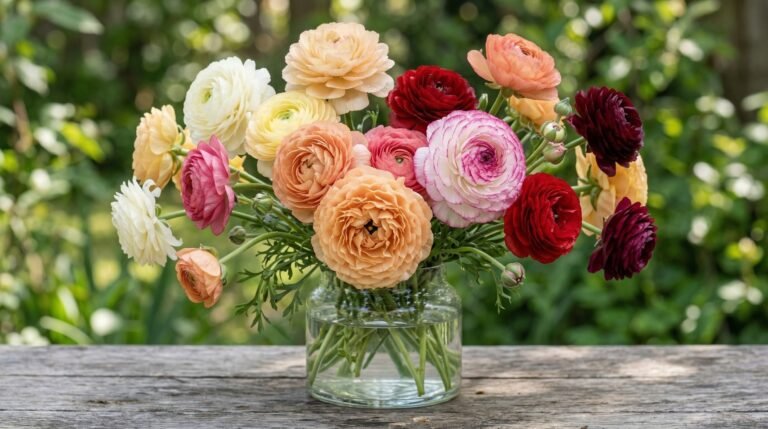
The visual appeal of a ranunculus lies in its extraordinary petal density and geometric precision. A single bloom can hold well over one hundred tissue-thin petals arranged in tight, concentric circles that slowly unfurl over many days. The texture of a ranunculus petal is smooth and almost papery, giving the flower an origami-like quality as it opens. Colors range from stark whites and pale pinks to deep burgundies, muddy browns, and bright oranges, often with picotee edges or subtle gradients. Some varieties have a distinct green center that slowly becomes visible as the outer layers peel back. This dense, circular structure makes the ranunculus alternative to roses a highly effective choice for anyone seeking a tightly packed, spherical bloom that looks immaculate close up.
Garden roses offer a different interpretation of the high-petal-count flower. While they also have dozens of petals, a rose bloom tends to be looser, more ruffled, and often quartered in the center. The petals of a garden rose have a velvety texture and a relaxed drape that feels more organic and less rigid than the precise whorls of a ranunculus. Roses also bring the distinct advantage of fragrance, a trait that ranunculus completely lacks. The color palette of garden roses is equally broad, but the overall effect in a vase or on the bush is one of soft, spilling abundance rather than tight, contained geometry. As a rose opens fully, it often reveals golden stamens at its heart, adding a wilder element to the flower.
Seasonal availability and growing requirements
A direct ranunculus comparison must address the stark differences in when these plants actually produce flowers. Ranunculus corms prefer cool weather and will only bloom when temperatures remain moderate, usually in early to mid-spring. Gardeners in mild winter climates plant the dormant corms in the fall for early spring blooms, allowing the root systems to establish over the winter. Those in cold climates must start them indoors or wait until early spring to plant, racing against the approaching summer heat. Once daytime temperatures consistently reach into the eighties, ranunculus plants turn yellow and go completely dormant. They offer a spectacular but brief window of production, much like peonies, making them a fleeting seasonal treat rather than a reliable summer staple.
Roses provide a much longer season of interest for the home gardener. Most modern garden roses are repeat bloomers, producing their first major flush in late spring or early summer and continuing to push out new flowers until the first hard frost. A mature rose bush requires a dedicated, sunny spot with good air circulation and rich soil to support this continuous growth. While they endure the summer heat that kills off ranunculus, roses demand regular watering, fertilizing, and vigilance against fungal diseases like black spot and powdery mildew. The trade-off for this extended blooming period is the physical space the shrub occupies year-round and the maintenance required to keep it healthy. You must commit to a regular care schedule to keep a rose bush productive over its long lifespan.
Vase life and cost per stem
When it comes to performance as a cut flower, the ranunculus holds a distinct advantage. A freshly cut ranunculus stem can easily last ten to fourteen days in a vase if the water is kept clean and the stems are given a fresh trim every few days. The stems are hollow and fleshy, meaning they take up water efficiently but can be prone to rotting if submerged too deeply. As the days pass, the ranunculus bloom continues to grow and expand, changing its shape entirely from a tight ball to a wide, flat saucer. Garden roses, particularly the highly fragrant, many-petaled varieties, are notorious for their short vase life. A cut garden rose often blows open and drops its petals within four to seven days, depending on the variety and the ambient temperature of the room.
The economics of growing these two flowers also look very different. You can purchase dozens of ranunculus corms for the price of a single high-quality, bare-root rose bush. This makes ranunculus an incredibly cost-effective way to generate a massive volume of cut flowers for a single spring season. However, if you are buying the cut stems from a florist, specialty ranunculus often command a premium price comparable to luxury garden roses because of the labor involved in their seasonal cultivation. The rose bush requires a higher initial investment of money and space, but it pays dividends over many years by producing hundreds of stems without the need to replant. A well-tended rose garden eventually drops the cost per stem to mere pennies over the life of the plant.
Choosing the right flower for your space and arrangements
Your specific gardening situation will dictate which of these flowers makes the most sense to grow. If you have a small space, rely on container gardening, or want to maximize your early spring flower production, the ranunculus is the better choice. You can pack dozens of corms into a relatively small raised bed or large pot, harvest the blooms for weeks, and then pull the plants to make room for summer heat lovers like a dahlia crop. Ranunculus are also the superior option if your primary goal is creating long-lasting floral arrangements for events or gifting, given their exceptional vase life and sturdy, straight stems. They travel well and hold up beautifully under the stress of being handled during floral design work.
Garden roses are the clear winner if you want a permanent structural element in your landscape that provides color for months on end. They suit gardeners who are willing to invest time in learning proper pruning techniques and who want the sensory experience of a fragrant garden. Roses also work better for those who live in climates with very short, unpredictable springs that quickly turn into scorching summers, a weather pattern that makes growing ranunculus exceptionally frustrating. If you want to step out your back door in July and cut a handful of fragrant, ruffled blooms for the kitchen table, a reliable shrub rose is the only plant that will deliver. They provide a classic garden aesthetic that temporary spring corms simply cannot replicate.
Ultimately, you do not necessarily have to choose one over the other if you have the space to accommodate both. However, if you must decide, base your choice on your timeline and your tolerance for plant maintenance. Choose ranunculus corms for a low-cost, high-yield, temporary spring crop that dominates in vase longevity and geometric beauty. Invest in garden roses for a permanent, fragrant landscape anchor that will reward your ongoing care with months of summer blooms. Evaluating your local climate, your available garden space, and your end goals for the flowers will point you directly toward the right plant for your needs.
More About Ranunculus
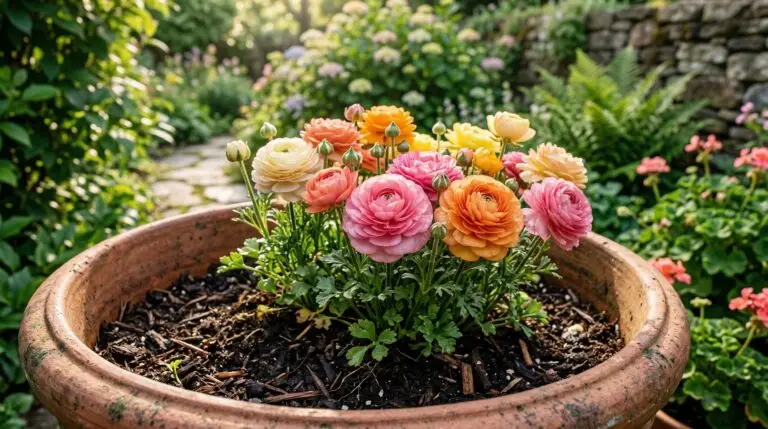
Growing ranunculus in containers for a spring flower show on patios and porches
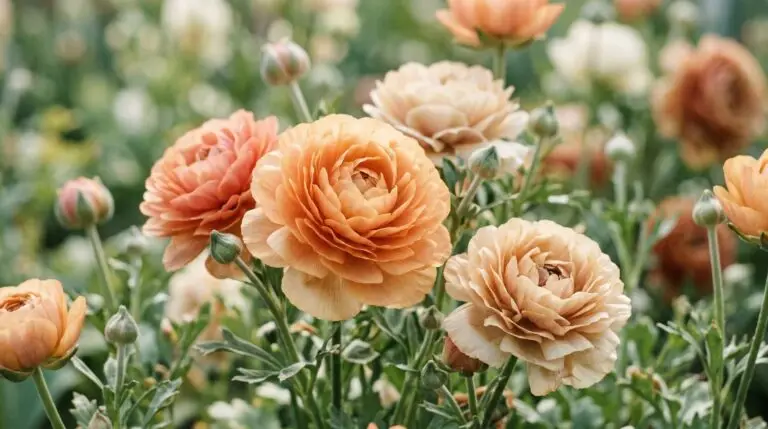
Ranunculus flower meaning and the radiance this buttercup-family bloom symbolizes
Best ranunculus varieties from classic Italian to ruffled Butterfly and Elegance types
Ranunculus companion plants: what to grow, and what to avoid
Ranunculus as the ultimate cut flower and why flower farmers cannot grow enough of them
Why ranunculus melts in summer heat and the fall-to-spring growing trick for warm climates