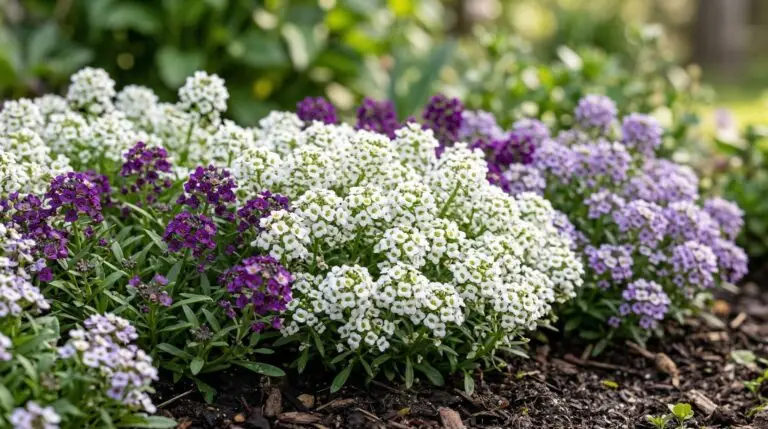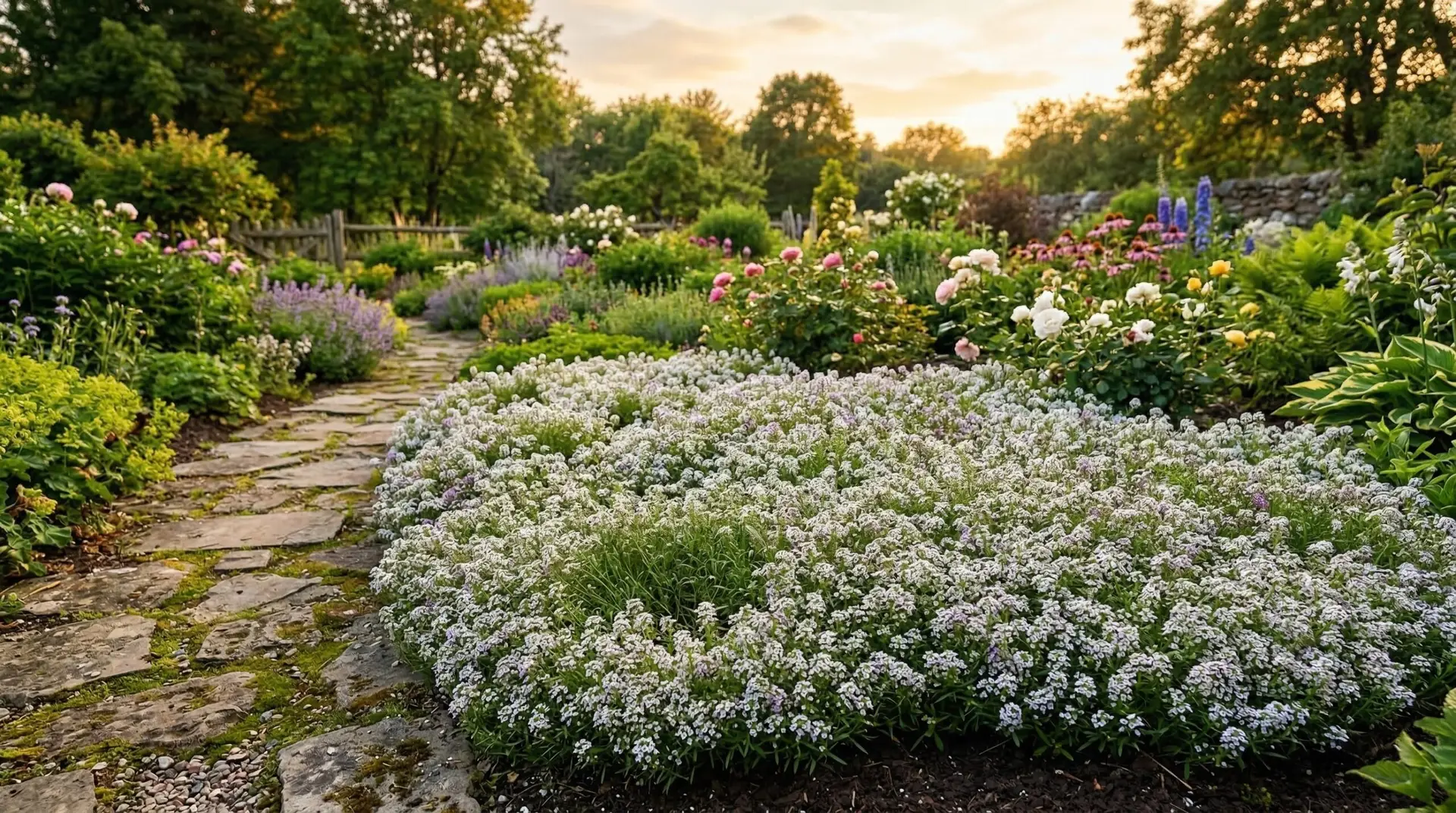
Before you decide to use sweet alyssum as a living mulch, you need to evaluate exactly what you want it to accomplish in your garden space. Many gardeners like the idea of a fragrant carpet that chokes out weeds, but achieving that dense mat requires specific site conditions and proper timing. You must first look at your target area and determine how many hours of direct sunlight it receives each day. Sweet alyssum needs at least six hours of sun to form the tight, low-growing mat that successfully shades out weed seeds. If your site is heavily shaded, the plants will grow leggy and sparse, leaving plenty of bare soil for weeds to colonize. You also need to assess your soil moisture retention, as this plant requires consistent watering during its establishment phase to build a strong root system. Understanding these baseline conditions helps you decide if sweet alyssum is the right functional cover for your vegetable garden edges or ornamental beds.
Assessing your site for a sweet alyssum ground cover
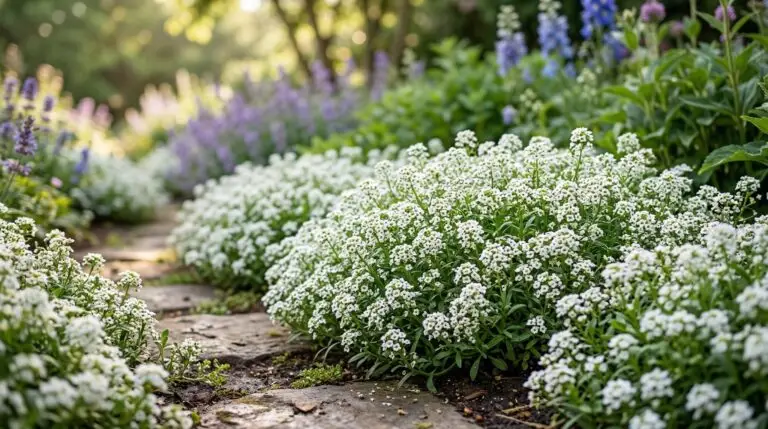
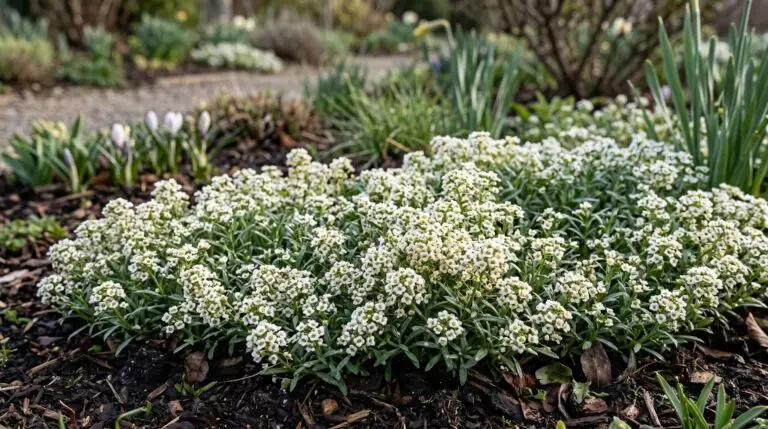
Once you confirm your sunlight levels, you need to think about the physical layout of your garden beds and how a sweet alyssum ground cover fits into your overall design. This plant typically grows four to six inches tall and spreads up to twelve inches wide, creating a dense canopy over the soil surface. This low growth habit makes it an effective living mulch that cools the soil and reduces moisture evaporation around taller vegetable crops or established perennials. You should identify specific zones where weed pressure is high and where you want to draw beneficial insects like hoverflies and parasitic wasps. Planning to edge your vegetable beds with sweet alyssum creates a functional barrier that suppresses intrusive weeds while supporting the pollination of your food crops. You must also consider the lifespan of the plant in your specific climate zone, as sweet alyssum thrives in cool weather and often pauses its growth or dies back during the extreme heat of midsummer.
Preparing the planting area and budgeting resources
The preparation phase dictates the success of your sweet alyssum weed control strategy, starting with a clear budget and material list. Buying nursery transplants provides instant gratification, but purchasing enough flats to cover a large area quickly becomes expensive and impractical for a living mulch project. Growing from seed is the most economical approach, costing only a few dollars for thousands of seeds that will easily cover a sizable border. Before you buy anything, you must thoroughly clear your target planting area of all existing weeds, roots, and debris. Sweet alyssum prevents new weed seeds from germinating by blocking sunlight, but it cannot outcompete established perennial weeds that are already actively growing in the space. You need to rake the soil surface smooth and water the bare ground deeply a few days before your planned sowing date. This pre-watering step ensures the soil profile holds enough moisture to support the tiny seeds without requiring heavy overhead watering that might wash them away.
Executing the planting phase for maximum weed suppression
Proper execution of your planting plan relies heavily on timing your seed sowing to match the cool temperatures of early spring or early autumn. You should scatter the seeds directly onto the prepared soil surface, pressing them down lightly with your hands or a flat board to ensure good soil contact. Do not cover the seeds with soil, as sweet alyssum requires light to germinate properly and break dormancy. You must commit to keeping the soil surface consistently moist for the first eight to fourteen days, which often means misting the area lightly once or twice a day if the weather is dry. Allow four to six weeks from the germination date to the first significant bloom, during which time the plants will rapidly expand to cover the bare soil. As the plants grow together, they form an interlocking mat that becomes a highly effective sweet alyssum living mulch. You can plan to interplant these fragrant borders with other reliable performers like marigolds to create a highly functional and pest-resistant edge around your vegetable plots.
Managing ongoing maintenance and seasonal transitions
The maintenance commitment for sweet alyssum is generally low, but you must plan for specific interventions to keep the ground cover looking tidy and functioning well. The most critical maintenance task occurs after the first massive flush of flowers begins to fade and produce seed pods. You need to shear the entire planting back by half its height using sharp garden scissors or grass shears. This simple pruning step prevents the plants from looking exhausted and forces a new round of dense, compact growth and a second wave of flowers. During hot summer months, you will need to monitor soil moisture closely and provide supplemental water to keep the shallow roots from drying out completely. If you live in a region with very hot summers, you should expect the plants to decline, and you may need to plan for a second sowing in late summer for an autumn display. You might also consider combining your autumn sowing with late-season bloomers like coreopsis to maintain continuous color and weed suppression throughout the changing seasons. Sweet alyssum drops abundant seeds, so you should anticipate volunteer seedlings appearing in the same spot the following spring, which significantly reduces your replanting efforts in year two.
Your immediate action plan for the week
To move from planning to action, you should start by measuring the exact square footage of the garden edges or beds you want to cover with living mulch. Write down the dimensions and observe the area at three different times tomorrow to verify it receives the necessary six hours of direct sunlight. Once you confirm the light levels, order your seeds in bulk quantities rather than buying small individual packets, as you will need plenty of seed to achieve a thick, weed-suppressing mat. Spend one hour this weekend pulling all existing weeds from your chosen site and raking the top inch of soil so it is perfectly smooth and ready for planting. Taking these specific steps now ensures your planting area is completely prepared for sowing as soon as the cool weather arrives.
More About Sweet Alyssum
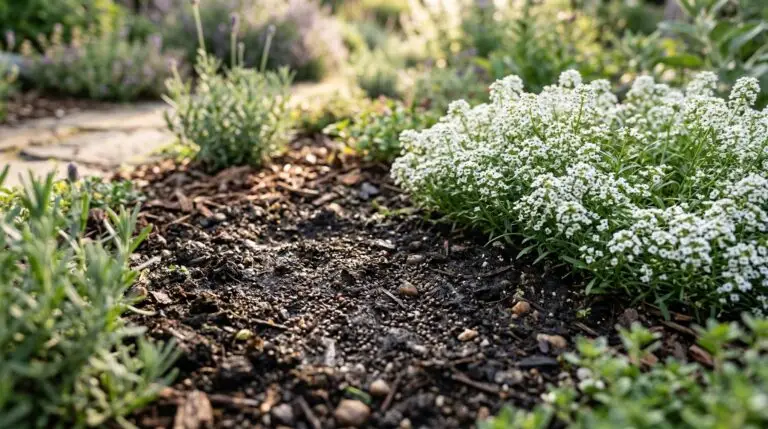
Growing sweet alyssum from seed and the scatter-sow method that could not be simpler

Sweet alyssum between pavers and stepping stones for fragrant walkway edges
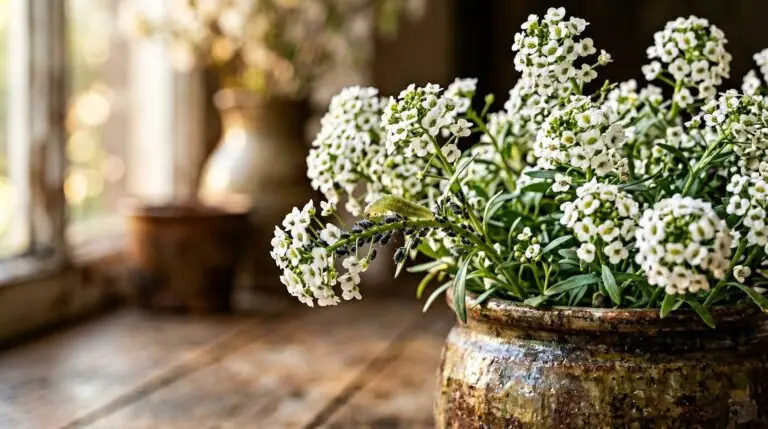
Sweet alyssum as a beneficial insect attractor that brings hoverflies and parasitic wasps
How to grow sweet alyssum for fragrant white carpets that spill over every edge
Sweet alyssum flower meaning and the modest charm of this honey-scented ground hugger
Why sweet alyssum dies in summer heat and the fall comeback you can count on
Sweet alyssum in containers and hanging baskets as the perfect fragrant spiller plant