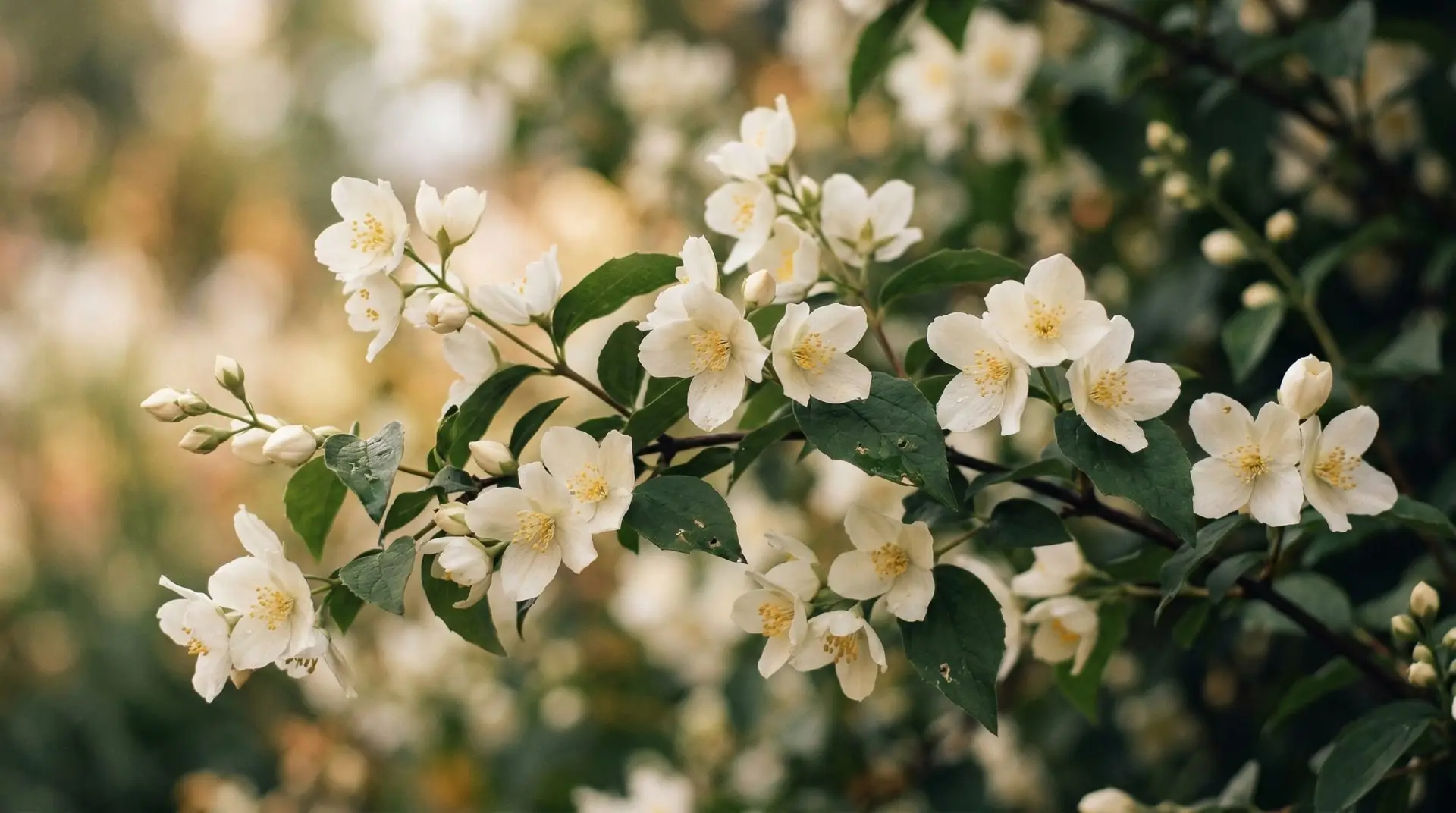
When sixteenth-century English herbalist John Gerard first documented the shrub we now call mock orange, he noted a profound sensory illusion. The plant produced four-petaled white flowers that released a heavy, sweet fragrance identical to the blossoms of true citrus trees. For gardeners in northern climates where actual orange trees would perish in the winter frost, this hardy shrub offered a remarkable botanical substitute. Visitors to early European plant collections often believed they were standing near a true orange grove when they encountered the shrub in full bloom. The plant earned the common name mock orange precisely because it fooled so many people with its precise olfactory mimicry. This sensory deception allowed the shrub to secure a permanent place in gardens across Europe and eventually North America, where it became intertwined with cultural ideas of memory, illusion, and longing.
The ancient roots of a brotherly name
The scientific name for the mock orange genus is Philadelphus, a word that carries a complex history stretching back to ancient Egypt and Greece. The name derives from the Greek words “philos,” meaning loving, and “adelphos,” meaning brother. Botanists applied this name in honor of Ptolemy II Philadelphus, an Egyptian king from the third century BC who married his sister Arsinoe II and adopted the epithet to signify sibling devotion. When sixteenth-century taxonomists were organizing the plant kingdom, they assigned the name Philadelphus to the mock orange, likely because the shrub produces stems that grow closely intertwined, much like devoted siblings. The concept of brotherly love remains permanently attached to the plant through its botanical classification. While the city of Philadelphia shares the exact same linguistic root, the plant predates the American city’s naming by centuries. This ancient association gives the mock orange a historical weight that contrasts sharply with its later reputation as a garden trickster.
A deceptive scent in European gardens
The European fascination with citrus cultivation during the seventeenth and eighteenth centuries elevated the status of the mock orange significantly. Wealthy estate owners built elaborate heated glasshouses called orangeries specifically to keep true citrus trees alive through freezing European winters. For those who lacked the vast wealth required to build and heat an orangery, the mock orange provided the exact same sensory experience for free in the open garden. The shrub originated in southern Europe and the Caucasus region, making it naturally adapted to survive cold winters without any special protection. Gardeners planted it near open windows and along popular walking paths where its heavy perfume could drift through the evening air. It became a staple of the spring garden, blooming just as the lilac finished its season and before the summer heat arrived. European horticulturists soon began breeding new varieties, selecting for larger flowers and more intense citrus fragrances that rivaled even the most heavily scented jasmine vines growing in the protected glasshouses.
Victorian sentimentality and the language of flowers
During the nineteenth century, the Victorian middle class developed a complex system of floral symbolism where every bloom communicated a specific hidden message. True orange blossoms were the traditional choice for royal bridal wreaths, representing purity, chastity, and eternal love. Because the mock orange looked and smelled like the bridal flower but belonged to an entirely different botanical family, the Victorians assigned it the meaning of deceit or counterfeit. Giving someone a bouquet of mock orange was a subtle way to accuse them of being false or pretending to be something they were not. Over time, the negative connotations softened into a deep association with memory and nostalgia. The intense fragrance of the flowers had a unique ability to trigger strong recollections of childhood gardens and past springtimes. Writers and poets of the era began referencing the mock orange as a trigger for bittersweet memories, transforming it from a symbol of trickery into a sentimental emblem of times gone by.
Traditional uses and indigenous cultivation
While European gardeners focused entirely on the scent and symbolism of the Eurasian species, Indigenous peoples in North America maintained a deeply practical relationship with the native mock orange species. The western mock orange, Philadelphus lewisii, grows abundantly across the Pacific Northwest and produces the same sweet citrus fragrance as its European cousin. Native American tribes, including the Salish and the Nez Perce, recognized the exceptional qualities of the plant’s wood rather than just its flowers. The shrub produces numerous straight, strong shoots that harden significantly as they age. Indigenous craftspeople harvested these straight stems to manufacture arrows, pipe stems, combs, and netting shuttles. When the American explorer Meriwether Lewis encountered the plant in 1806 during his expedition to the Pacific Ocean, he collected specimens for scientific study, which led to the species being named in his honor. The practical utility of the North American mock orange demonstrates how a single type of plant can hold entirely different cultural values depending on the needs and traditions of the people interacting with it.
Preserving memory in the modern garden
The historical journey of the mock orange informs how we experience the plant in contemporary garden settings. Modern plant breeders continue to work with the exact same genetic lines established by French and Dutch horticulturists in the nineteenth century. While newer varieties offer double petals or more compact growth habits, the primary appeal remains the unmistakable scent of a citrus grove in a cold climate. Gardeners today still place these shrubs near entryways and bedroom windows, following the exact same spatial logic used by seventeenth-century estate owners. The plant requires a period of winter dormancy to produce its spring flowers, meaning it remains firmly tied to the seasonal rhythms of temperate climates. When the white flowers open and release their heavy perfume, they recreate a sensory experience that has connected human beings to the natural world for centuries. The mock orange persists as a living artifact that carries the weight of ancient kings, Victorian sentiment, and indigenous craftsmanship into the present day.
More About Mock Orange
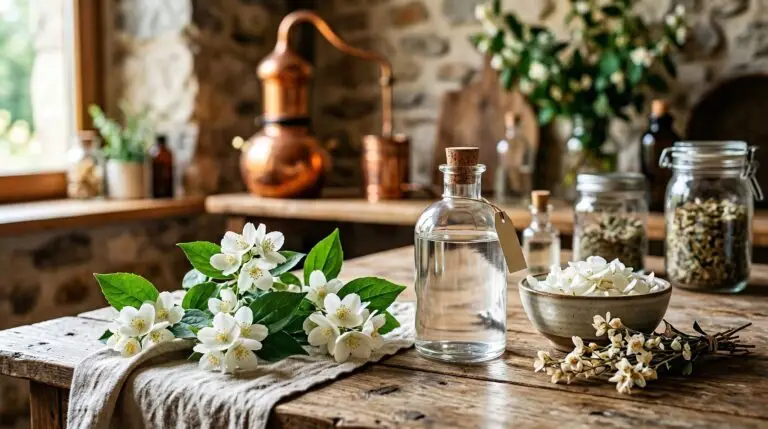
Mock orange flowers for homemade perfume and potpourri with an orange blossom scent

Companion plants for mock orange: what to grow and avoid

Mock orange as a fragrant hedge that fills the neighborhood with perfume in June
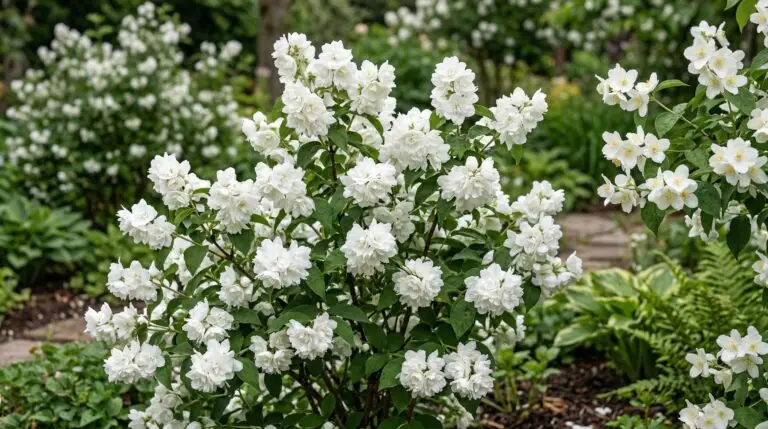
Dwarf mock orange varieties for small gardens that still deliver incredible fragrance
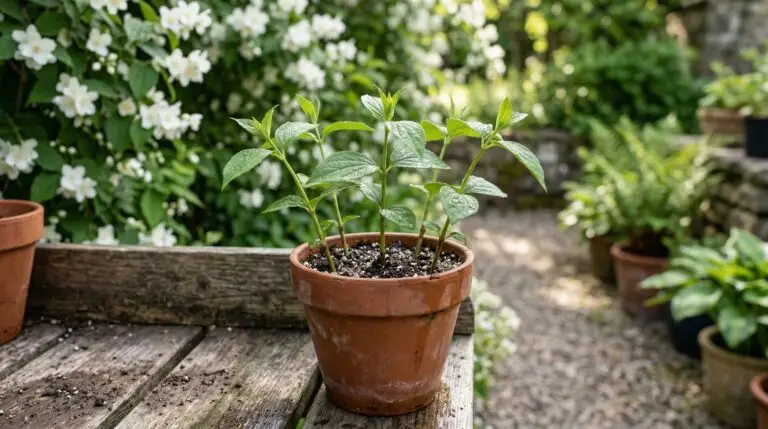
How to propagate mock orange from cuttings for free new shrubs from your favorite plant
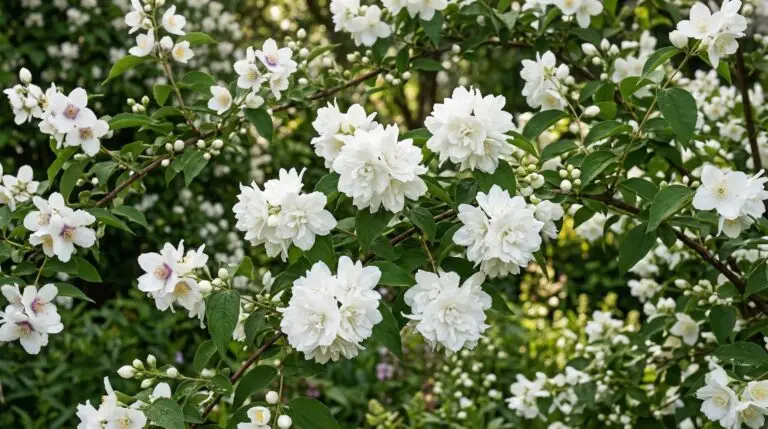
Best mock orange varieties from compact Snowbelle to the intensely fragrant Virginal
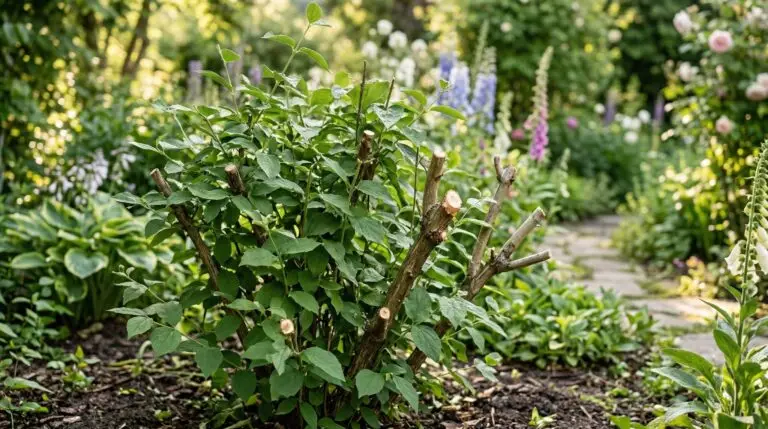
Why mock orange is not flowering and the common reasons this shrub refuses to bloom
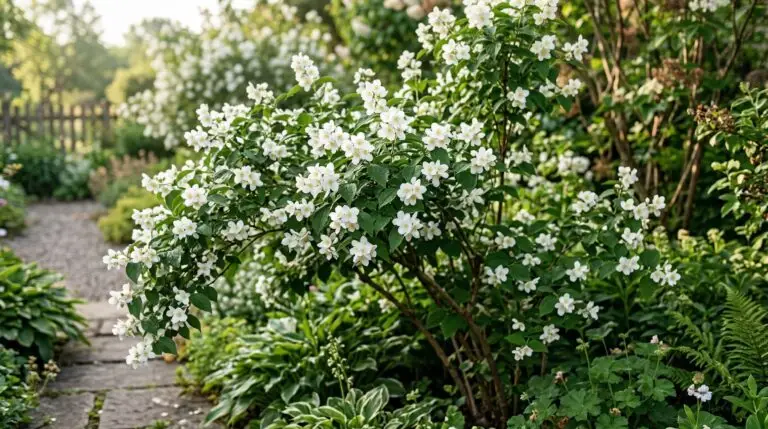
How to grow mock orange for intoxicating citrus-scented white blooms in early summer