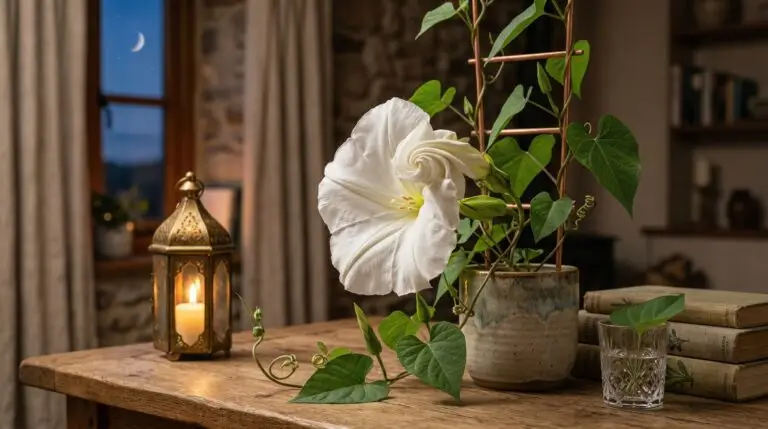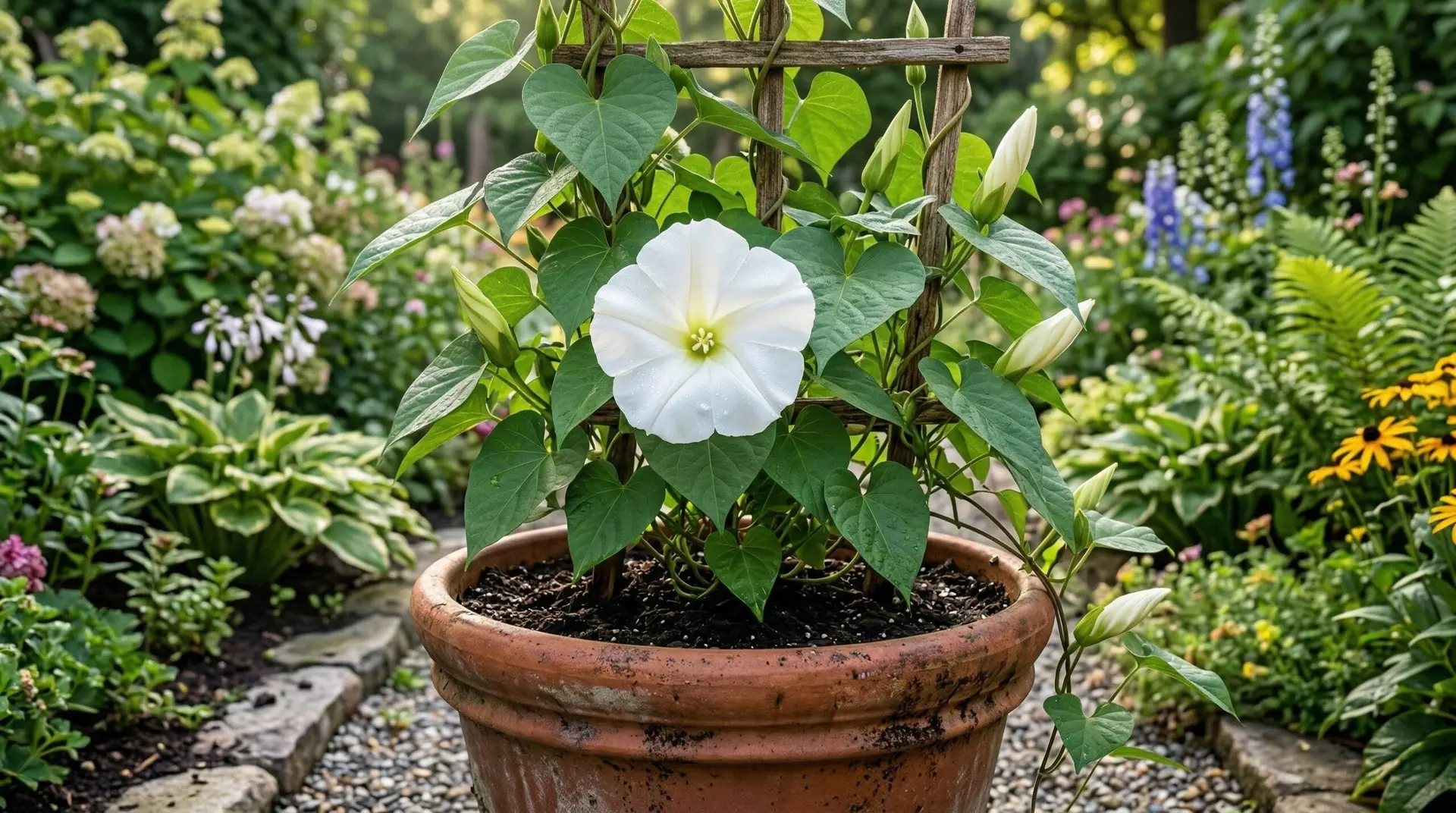
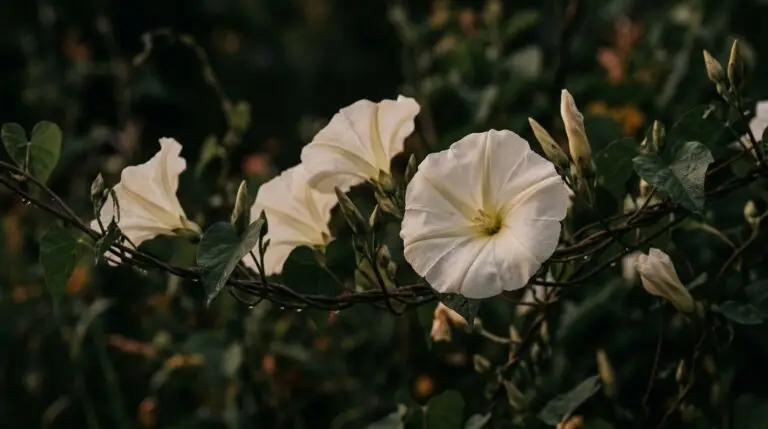
Sitting on a small apartment balcony after a long summer day is one of the best ways to unwind, especially when the evening air starts to cool down. Most garden flowers close up just as people are finally getting home to enjoy them, leaving the outdoor space looking a bit tired. Growing a moonflower in a pot changes that completely because these vines wait until dusk to put on their show. Watching the large white buds unfurl in real time is a fascinating process that happens over just a few minutes, right before night fully sets in. A balcony or a small patio is actually the perfect spot for these vines because the heavy, sweet fragrance stays trapped in the enclosed space. Many people assume a sprawling vine needs a massive yard to thrive, but a moonflower container garden works beautifully with the right setup.
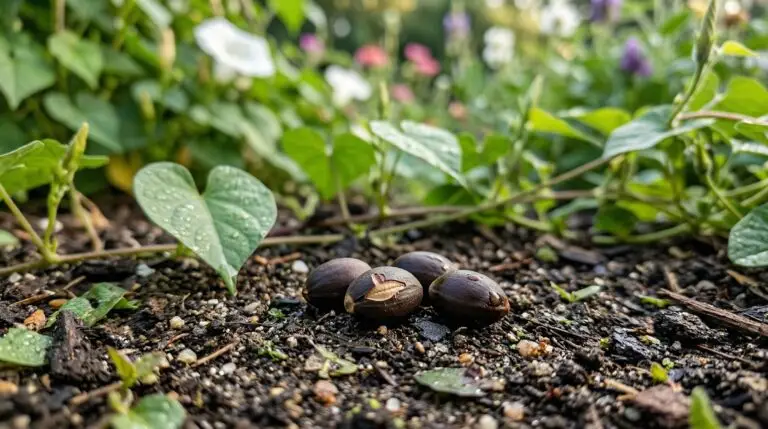
Getting these seeds started takes a little bit of patience and a simple trick to break through their tough outer shells. Nicking the hard seed coat with a metal file and soaking the seeds in warm water overnight speeds up germination significantly. Do not panic if the seedlings look incredibly frail or even completely stalled for a couple of weeks after sprouting. They spend their early days putting down a deep taproot before putting any energy into growing leaves or climbing. Gardeners in the South may find that seeds sown directly outside sprout quickly in the warm spring soil, while northern gardeners usually need to start them indoors a month before the last frost. Peat pots or paper cups work best for indoor starting because moonflower roots hate being disturbed during transplanting, and paper pots can go straight into the final container.
Choosing the right container and soil mix
The biggest mistake made with balcony vines is picking a pot that is simply too small to support the root system. A moonflower in pots requires a container that holds at least five to ten gallons of soil to keep the plant from stunting. A standard five-gallon plastic bucket from the hardware store, with several drainage holes drilled in the bottom, is an affordable and perfectly functional option if decorative pots are out of the budget. Heavy clay pots are excellent for windy balconies because the weight keeps the tall vines from blowing over during summer storms. Fill the container with a high-quality potting mix that drains well, rather than heavy garden dirt that will turn into a brick in a confined pot. Mixing in a few handfuls of perlite and some slow-release granular fertilizer gives the roots the loose texture and steady nutrients they need to grow quickly.
Because these plants are closely related to morning glories, they share the same vigorous growth habit once the summer heat kicks in. The vines will easily reach ten to fifteen feet long, which means they will quickly outgrow a small hanging basket or a shallow window box. Giving them a deep container allows the roots to stay cool and retain moisture during the hottest parts of the afternoon. A layer of shredded bark mulch over the top of the soil helps prevent the sun from baking the surface and keeps the roots protected. If the container is sitting directly on a concrete balcony floor, elevating it on a few spare bricks or pieces of scrap wood ensures the excess water can escape freely. Proper drainage is non-negotiable because sitting in soggy soil will rot the roots long before the first flower ever opens.
Providing support for aggressive vines
A moonflower balcony setup requires a solid plan for vertical support before the vines start reaching out for something to grab. Pushing a metal or wooden trellis deep into the container at the time of planting is the easiest way to get them started. Waiting until the vine is already two feet long to add a trellis usually results in snapped stems and damaged roots. If a traditional trellis is too expensive, tying vertical lengths of cheap jute twine from the pot up to a balcony railing or a hook on the wall works just as well. The vines naturally want to twine around anything they touch, so gently guiding the new shoots toward the twine or railing is usually all the training they need. Once they grab hold, they will pull themselves up and create a dense screen of heart-shaped leaves that provides great privacy for a small seating area.
Training the vines horizontally along a balcony railing is a great trick for keeping the blooms right at eye level. As the main stem grows up the initial support, gently bend the flexible new growth along the top or bottom rail, tying it loosely with strips of old cotton t-shirts or soft plant ties. The plant will naturally try to shoot straight up, so it takes a weekly adjustment to keep winding the new growth sideways. If the vines reach the end of the railing, they can be carefully looped back in the opposite direction to create a thicker wall of foliage. Be mindful of your neighbors if you share a balcony divider, as these vines will happily climb over a partition and take over the adjacent space. Keeping a pair of sharp scissors handy to trim away any rogue stems keeps the plant tidy and contained within your own growing area.
Watering and feeding for evening blooms
Container plants dry out much faster than anything planted in the ground, and a massive vine with huge leaves drinks a surprising amount of water. During the peak of summer, a large moonflower container will likely need a deep soaking every single day to keep the leaves from wilting. Checking the soil moisture by sticking a finger a few inches into the dirt is the most reliable way to know when it is time to water. If the top two inches are completely dry, give the pot a thorough watering until liquid runs out the drainage holes at the bottom. Wilting in the late afternoon sun is normal and usually temporary, but if the leaves are still drooping after the sun goes down, the plant is desperately thirsty. Setting up a simple drip irrigation line on a battery timer is a lifesaver for anyone who works long hours or travels frequently during the summer.
Feeding these fast-growing vines requires a bit of balance to get flowers instead of just a massive pile of green leaves. Nitrogen-heavy fertilizers will cause the vine to explode with lush foliage while producing absolutely zero flower buds. Switching to a bloom-boosting fertilizer with a higher phosphorus number right around midsummer encourages the plant to start forming those giant white blossoms. A liquid fertilizer applied every two weeks gives container plants a quick nutrient boost that compensates for the nutrients washed away by daily watering. Yellowing leaves at the base of the plant are often a sign that the soil has run out of nutrients, which happens frequently in the confined space of a pot. Plucking off the dead or yellowing leaves keeps the container looking neat and prevents pests from hiding in the decaying plant matter.
Companion plants for a night garden
Designing a container garden specifically for the evening hours opens up a whole new way to enjoy a small outdoor space. Pairing the climbing moonflower with plants that spill over the edges of the pot creates a complete, professional-looking arrangement. White sweet alyssum is a cheap and easy trailing plant that thrives in the same sunny conditions during the day and adds a honey-like scent to the evening air. Adding a pot of jasmine nearby creates a layered fragrance profile that makes a tiny apartment balcony feel like a tropical courtyard. Light-colored foliage plants like dusty miller or silver falls dichondra catch the moonlight beautifully and provide contrast against the dark green leaves of the vines. Keeping the color palette focused on whites, silvers, and pale yellows ensures the entire container garden remains visible long after the sun disappears.
Dealing with pests in a container garden is usually easier than in a large yard, but moonflowers still attract a few common bugs. Aphids love to cluster on the tender new growth at the very tips of the vines, slowly sucking the sap and causing the leaves to curl. A strong blast of water from a hose or a spray bottle is often enough to knock them off without needing any harsh chemicals. Spider mites can also become a problem in hot, dry weather, leaving behind tiny webs and stippled yellow leaves. Misting the foliage with water in the early evening raises the humidity around the plant and makes the environment much less inviting for mites. Growing a successful night garden on a balcony takes a little daily observation and consistent watering, but watching those massive white flowers spin open in the twilight makes all the hauling of soil and water completely worthwhile.
More About Moonflower
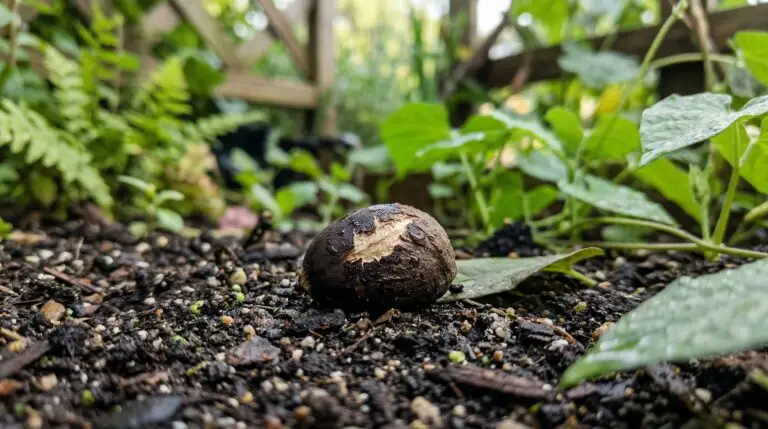
Growing moonflowers from seed and the nick-and-soak method for stubborn hard seeds
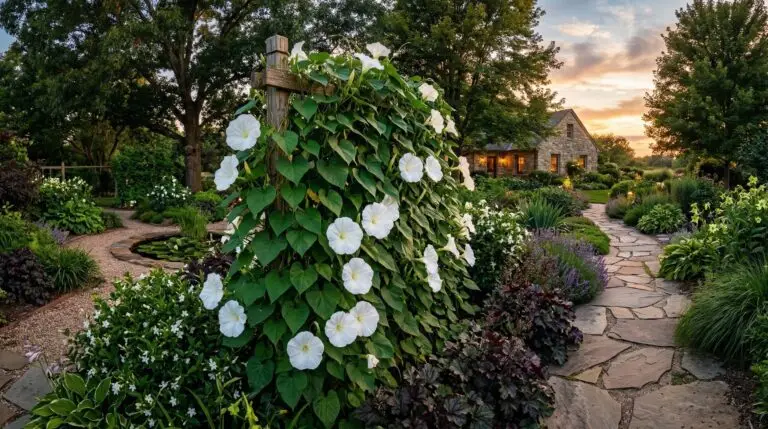
Creating a moonlight garden with moonflowers and other white flowers that glow after dark
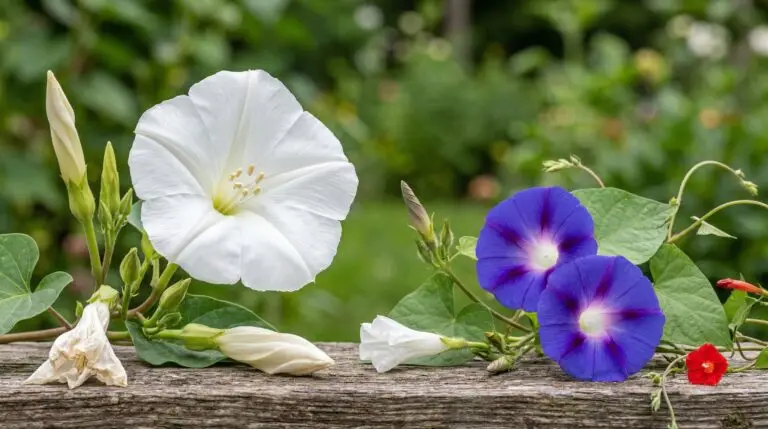
Moonflowers versus morning glories and growing both for day and night garden beauty
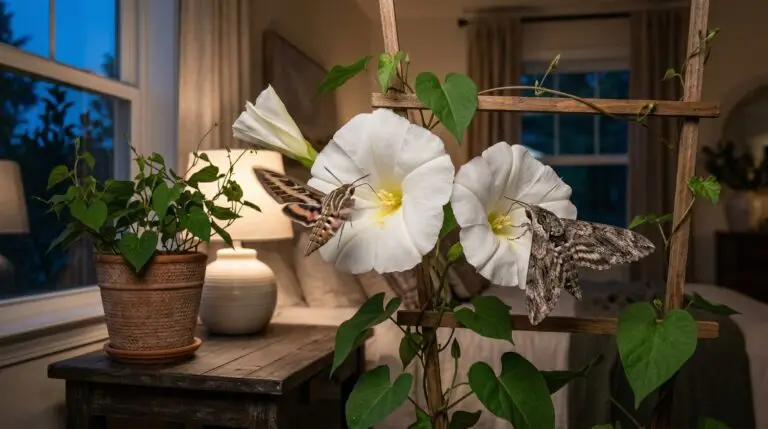
Moonflower pollinators and the fascinating world of hawk moths and night-flying creatures
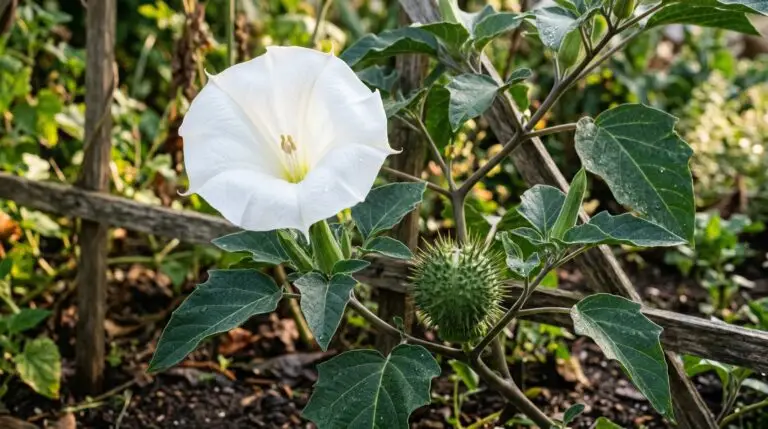
Why moonflowers are toxic and the important safety warnings for gardens with children and pets
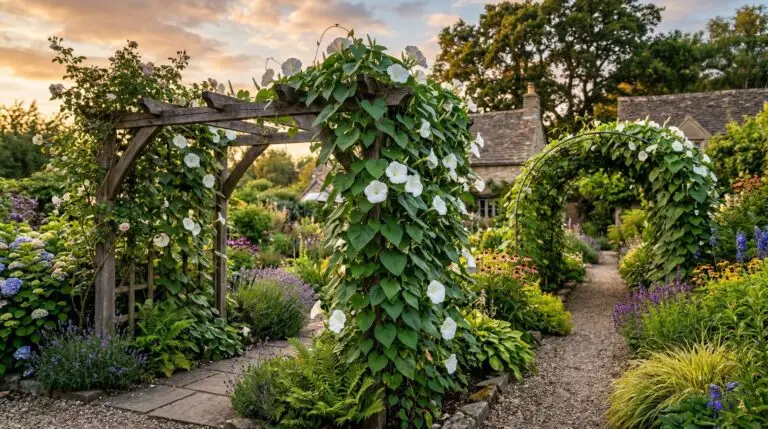
Training moonflower vines on arbors and trellises for a dramatic nighttime garden feature
How to grow moonflowers for enormous white blooms that open at dusk and glow in moonlight
Moonflower flower meaning and the romance of night-blooming flowers in garden lore