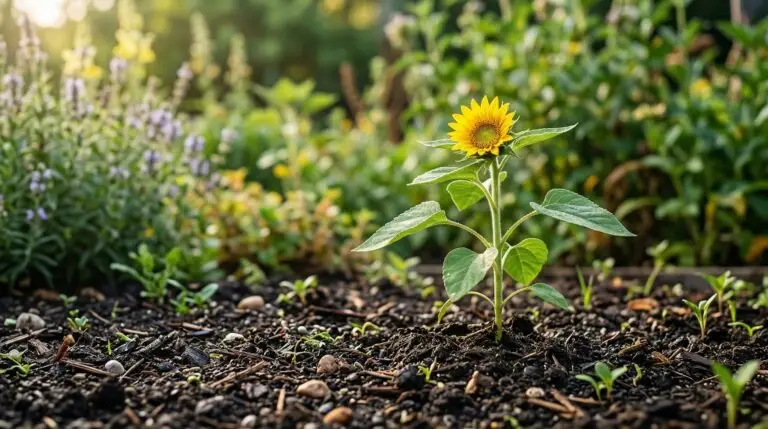
Everyone loves the idea of growing towering sunflowers until a late summer storm snaps the ten-foot stalks right at the base and leaves them tangled in the lawnmower path. For those working with limited yard space or just a sunny patio, trying to support a plant the size of a small tree is a frustrating battle against gravity. The dwarf sunflower offers all the cheerful yellow energy of the giant types without the need for heavy-duty staking or a massive garden bed. These compact plants top out anywhere from twelve to thirty-six inches tall, making them perfect candidates for container growing and balcony gardens. The trick to keeping them happy on a patio is choosing a heavy enough pot, like a thick terracotta or a plastic tub weighted with gravel at the bottom. A top-heavy plant in a flimsy plastic pot will blow over repeatedly, damaging the leaves and snapping the stems. Securing the container against a railing or wall provides an extra layer of protection against strong summer winds.
Selecting the best small sunflower varieties
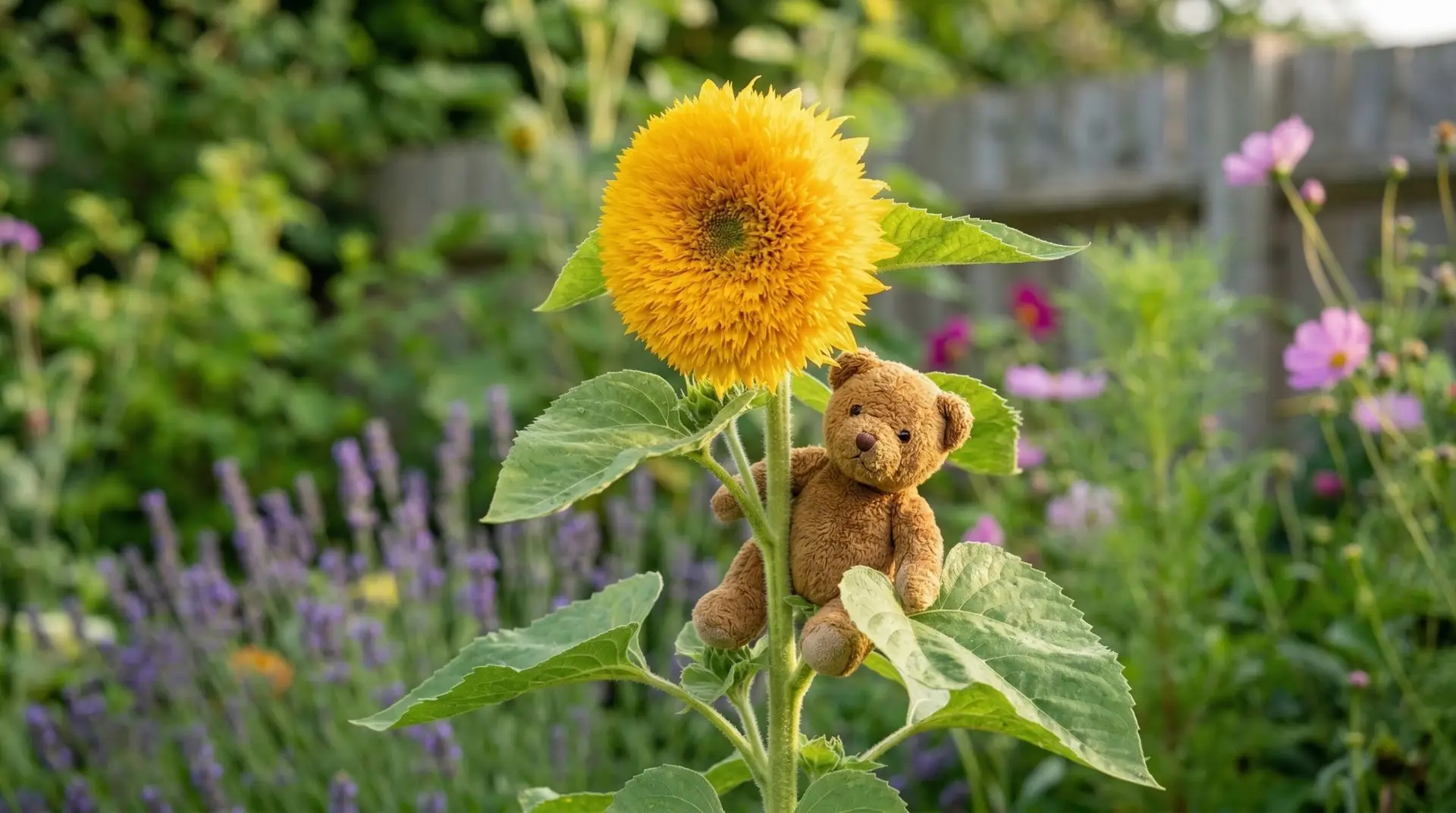
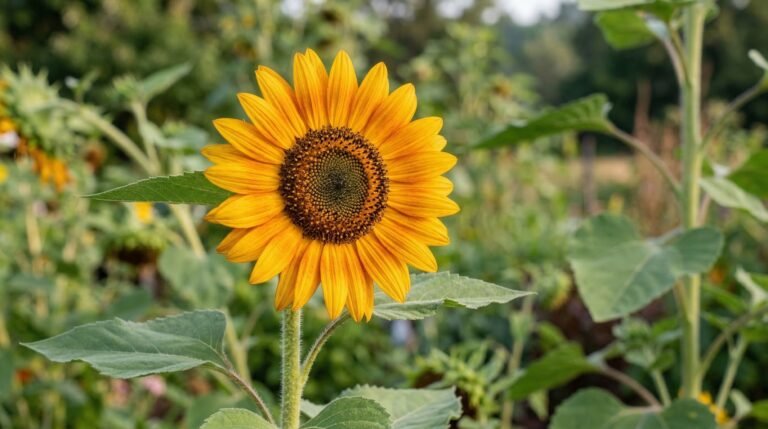
Walking down the seed aisle presents a lot of options, but a few specific varieties consistently perform well in tight spaces. The Teddy Bear variety produces fully double, fluffy golden blooms that look almost like oversized pom-poms on stalks that rarely exceed two feet tall. Sunspot is another reliable choice that delivers a traditional large yellow flower with a dark center, looking exactly like a classic giant sunflower that simply stopped growing at three feet. When planting these seeds in pots, pushing them about an inch deep into the soil and spacing them four to six inches apart yields the best results. The seedlings look dead or completely stalled out for about two weeks after transplanting if you start them in smaller cells. Direct sowing the seeds right into their final container avoids this transplant shock entirely and leads to faster, stronger growth.
Gardeners looking for more branching and different colors should look for Sundance Kid and Little Becka. Sundance Kid produces multiple blooms per plant with yellow and red petals, while Little Becka offers deep crimson and gold bi-color flowers on very compact, two-foot plants. Because these varieties branch out and produce several smaller flowers rather than one massive head, cutting off the faded blooms prompts the plant to push out new buds for a longer show. A five-gallon bucket or a similarly sized planter holds about three of these branching dwarf plants comfortably. Cramming more seeds than that into a single pot leads to powdery mildew and stunted growth, as the broad leaves block airflow and shade each other out. Leaving a little empty space around the rim of the pot allows the air to circulate and keeps the foliage dry and healthy.
Soil, water, and daily container care
Growing any plant in a pot changes the rules for watering and feeding, and sunflowers are notoriously thirsty plants. Standard garden dirt packed into a pot turns into a solid brick after a few waterings, suffocating the roots and slowing down growth. A basic, affordable potting mix works fine, especially if you mix in a few handfuls of perlite or coarse sand to keep the drainage sharp. Drilling three or four extra holes in the bottom of cheap plastic planters takes only a minute and prevents the roots from sitting in stagnant water after a heavy rain. Adding a thin layer of shredded bark mulch over the top of the soil helps trap moisture on hot afternoons. Since potting soil loses its nutrients quickly as water washes through the container, feeding the plants with a basic liquid tomato fertilizer every two weeks keeps the leaves dark green and supports heavy blooming.
Watering a dwarf sunflower in a container requires daily attention during the hottest parts of the summer. A plant with large, rough leaves loses moisture rapidly through transpiration, and a pot sitting on a hot balcony bakes from all sides. The easiest way to know if the plant needs water is to tip the pot slightly to feel its weight. A light pot means the soil is dry all the way through, while a heavy pot means there is still moisture at the bottom where the deepest roots are feeding. Gardeners in the South may find this daily watering chore exhausting by August, and moving the pots so they get morning sun and afternoon shade keeps the plants from crisping up at the edges. In northern zones, leaving them in full blasting sun from dawn until dusk is exactly what they need to thrive. Checking the soil moisture every single morning prevents the leaves from wilting, which stresses the plant and shortens the blooming window.
Managing pests and extending the season
Pests treat sunflower seeds and tender seedlings like an open buffet, and growing them on a patio does not offer much protection from hungry wildlife. Squirrels and chipmunks routinely dig up freshly planted seeds before they even have a chance to sprout. Laying a piece of scrap chicken wire directly over the soil surface and pinning it down until the seedlings are a few inches tall stops the digging entirely. Once the plants grow larger, aphids often gather in thick clusters right under the flower buds. Spraying them off with a strong blast from the garden hose every few days is usually enough to keep the population under control without needing to buy expensive chemical sprays. Planting a few marigolds in smaller pots nearby can also help attract beneficial insects like ladybugs that will naturally clean up the aphid problem for you.
Sunflowers are fast growers, but most dwarf varieties have a definite lifespan and will not bloom continuously from spring until frost. The traditional single-stem types like Sunspot bloom once, hold their flower for a few weeks, and then begin to fade and drop petals. To keep a balcony or patio looking bright all summer, planting a new pot of seeds every three weeks creates a steady rotation of fresh flowers. When the first pot finishes blooming, you can simply pull the exhausted plants, toss them in the compost pile, and move the next blooming pot into the prime viewing spot. For a truly continuous display of summer color that requires less replanting, mixing pots of dwarf sunflowers with zinnias creates a garden space that handles the heat and provides cut flowers for months. To add even more variety to a small patio, keeping a few extra pots of zinnia flowers nearby ensures there is always something blooming while waiting for the next round of sunflowers to open. The effort of managing a few heavy pots and keeping up with the watering schedule pays off entirely when those big, cheerful faces finally open up right outside the back door.
More About Sunflower
Why sunflowers follow the sun and the fascinating science of heliotropism
Sunflower flower meaning and why this golden bloom represents adoration and loyalty
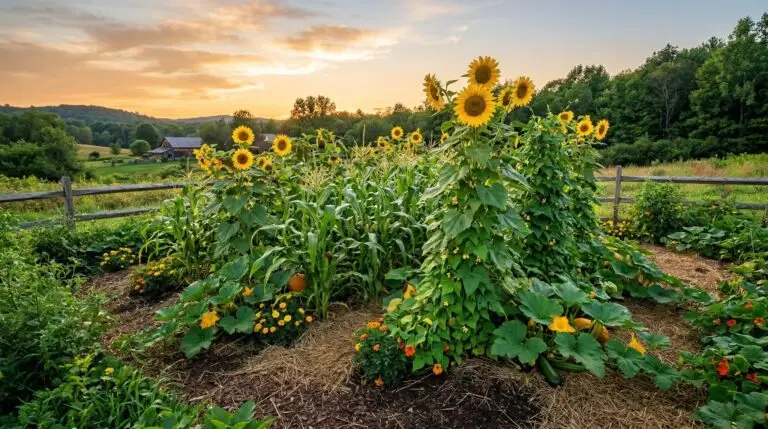
Sunflower companion plants: what to grow and what to avoid
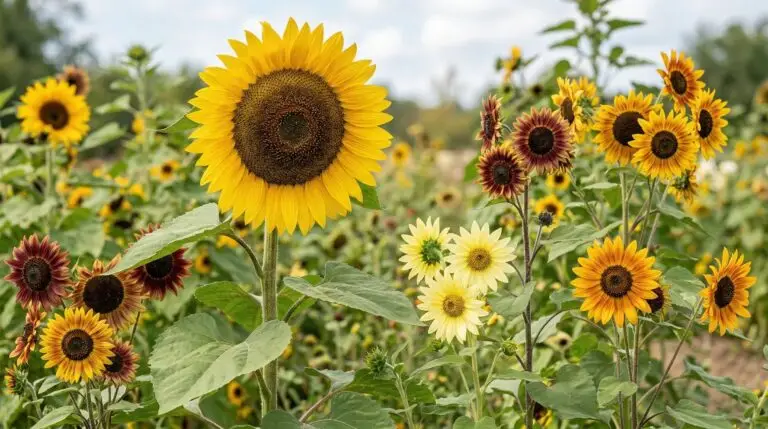
Best sunflower varieties from single-stem giants to branching bouquet types
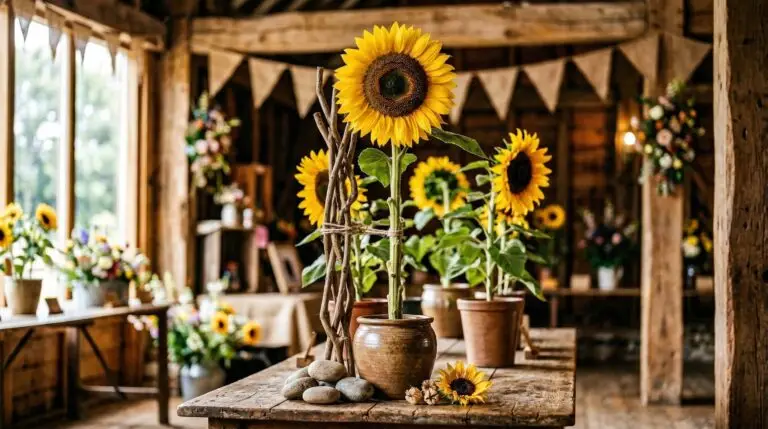
Growing sunflowers with children for the easiest and most exciting garden project ever
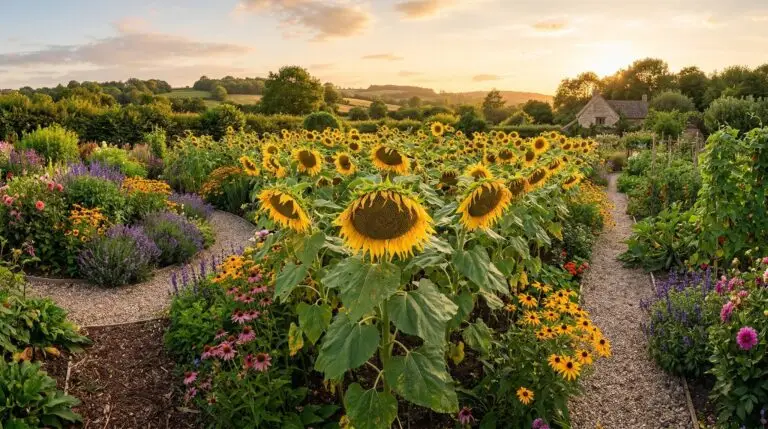
Harvesting sunflower seeds for roasting eating and saving for next year’s garden
Pollen-free sunflowers for cutting gardens and allergy-friendly bouquet arrangements

Creating a sunflower field effect in your backyard for the ultimate summer photo backdrop