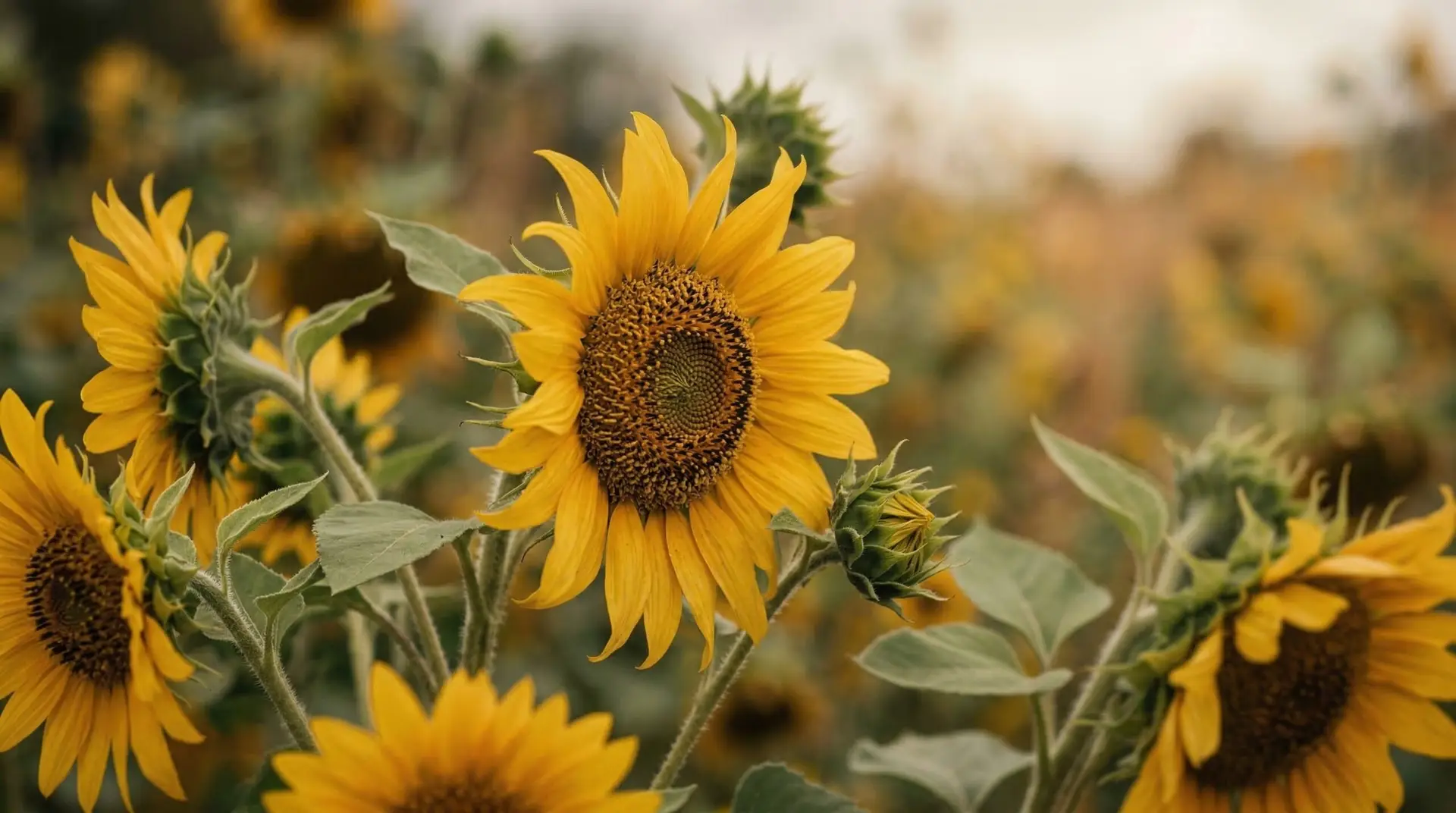
Long ago in Greek mythology, a water nymph named Clytie fell entirely and hopelessly in love with Apollo, the god of the sun. She would sit on the bare ground for days, refusing food or water, doing nothing but watching his golden chariot move across the sky from east to west. The other gods took pity on her quiet suffering and transformed her into a flower with a golden center and bright yellow petals. Even in her new form, she continued her daily vigil, turning her heavy head to follow the sun’s path across the heavens. This ancient story forms the very foundation of sunflower meaning in the language of flowers. Because Clytie never stopped watching the object of her affection, the bloom became a universal symbol of adoration and loyalty. When people give these flowers today, they unconsciously participate in a tradition of expressing unwavering devotion that stretches back thousands of years.
Contents 3 sections
Following the light from dawn to dusk
This mythological devotion translates perfectly into the botanical reality of the young plant. Before a sunflower reaches maturity, it exhibits a behavior called heliotropism, a daily rhythm of tracking the sun. In the cool quiet of early morning, the green buds face east, waiting for the first light to break over the horizon. As the day progresses, the flexible stems bend slowly, following the heat and light westward until dusk settles over the garden. During the night, the plant resets itself, turning slowly back to the east to wait for the morning. This physical movement perfectly captures the sunflower symbolism of loyalty, as the plant literally cannot take its eyes off the sun. Gardeners watching this daily performance often feel a kinship with these attentive plants that seem so aware of their surroundings. Much like the bright faces of a Black Eyed Susan catching the midsummer heat, the young sunflower actively seeks out the energy it needs to grow.
Once the flower fully opens and the stem stiffens with maturity, this daily rotation stops completely. The mature bloom permanently faces east, warming its pollen early in the day to attract the bees that sleepily emerge with the sunrise. The heavy head fills with hundreds of individual seeds, bowing slightly toward the earth under its own weight. This shift from active pursuit to quiet, steadfast waiting adds another layer to the sunflower flower language, suggesting a love that has settled into comfortable permanence.
A golden crop travels the continents
Long before the Greeks told stories of water nymphs, Indigenous peoples of North America cultivated these tall plants for food, oil, and dye. Spanish explorers eventually carried the seeds across the Atlantic, introducing the towering stalks to European botanical gardens in the sixteenth century. The plant thrived in these new soils and quickly spread across the continent, finding a particularly welcoming climate in the vast agricultural fields of Eastern Europe. In Ukraine, the sunflower took on profound cultural significance and eventually became the national flower. The bright yellow petals and dark centers are woven into traditional clothing, painted on wooden furniture, and planted around countless rural homes. Over generations, the meaning evolved beyond simple agricultural value to represent peace, resilience, and the enduring spirit of the people who tend the land. Just as a Marigold carries deep cultural weight in its native and adopted lands, the sunflower became entirely inseparable from Ukrainian identity.
Paint and petals in the artist studio
The sunflower symbolism of friendship and gratitude found its most famous expression in the south of France during the late nineteenth century. When the Dutch painter Vincent van Gogh rented a yellow house in Arles, he wanted to welcome his friend and fellow artist Paul Gauguin. He set out to decorate Gauguin’s bedroom with paintings of sunflowers, working frantically from sunrise to sunset before the cut flowers could wilt in their vases. Van Gogh saw the color yellow as an expression of happiness and the flower itself as a symbol of gratitude. He painted them in all stages of life, from tight, hopeful buds to heavy, seed-laden heads dropping their petals onto the table. The thick, textured oil paint captured the rough reality of the plant, elevating a common garden crop to a subject of intense artistic study. Today, those paintings hang in museums around the world, forever preserving a few fleeting weeks of late summer in a French studio.
The life cycle of this plant offers a distinct contrast to the early bloomers that begin the gardening year. While the cheerful cups of Daffodils signal the very beginning of the growing season, the towering sunflower dominates the late summer and early autumn. It requires the long, hot days of July and August to build its massive stalk and develop its dinner-plate-sized bloom. By the time the golden petals begin to shrivel and drop, the garden is already preparing for the first frost.
Watching a sunflower move through its seasons gives a gardener plenty of time to consider what loyalty really looks like in the dirt. You press a single striped seed into the cool spring soil, and months later, you are standing in the shadow of a plant that has entirely outgrown you. In the crisp air of autumn, the stalks turn brown and woody, and the massive heads droop low, offering up their oil-rich seeds to the migrating birds. The bright adoration of summer gives way to the quiet nourishment of winter, a different kind of devotion that feeds the local wildlife when everything else has died back. Pulling the spent stalks from the ground takes real effort, as their thick roots grip the earth with the same stubbornness they showed when tracking the sun. The garden feels noticeably emptier without their golden faces watching over the fence line. You brush the dirt from your hands, save a handful of seeds in a paper envelope, and wait for the spring light to return.
More About Sunflower
Why sunflowers follow the sun and the fascinating science of heliotropism
Dwarf sunflowers for containers and small gardens that still bring big sunshine energy
Sunflower companion plants: what to grow and what to avoid
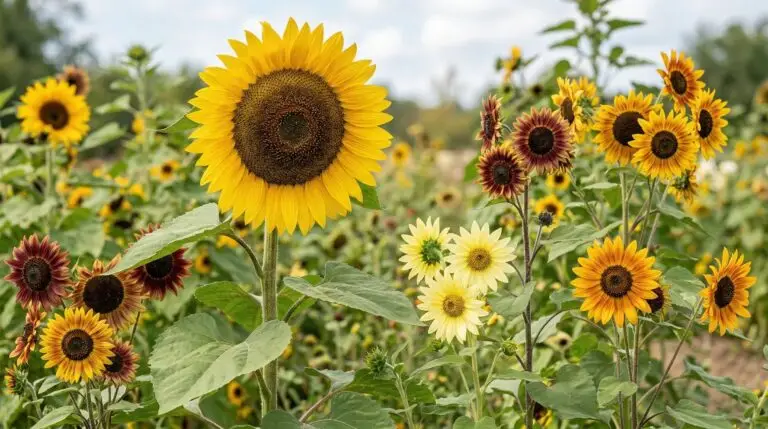
Best sunflower varieties from single-stem giants to branching bouquet types
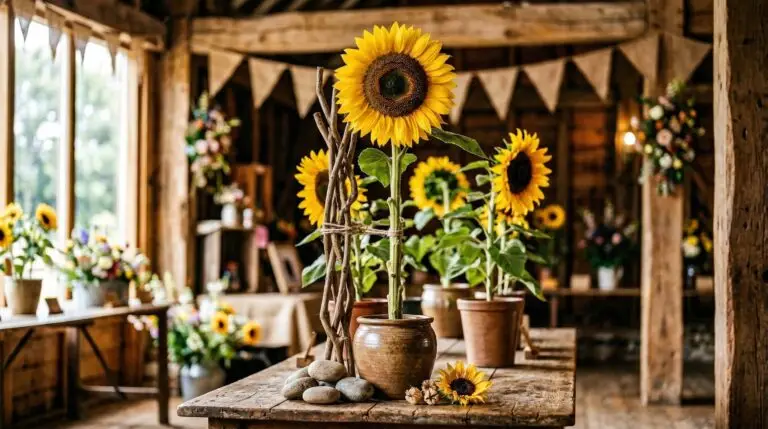
Growing sunflowers with children for the easiest and most exciting garden project ever
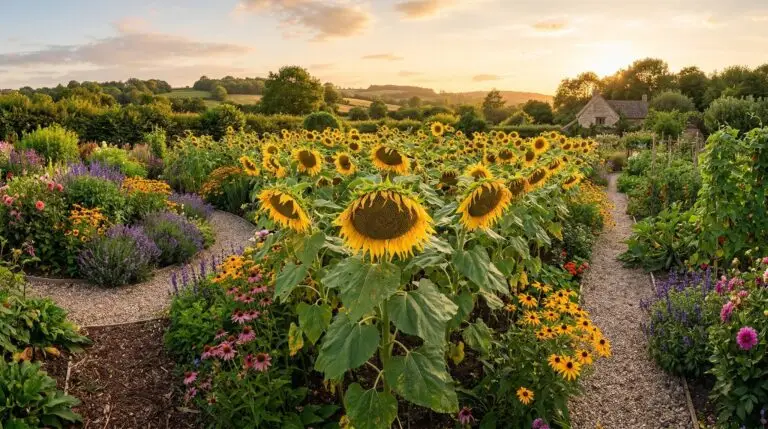
Harvesting sunflower seeds for roasting eating and saving for next year’s garden
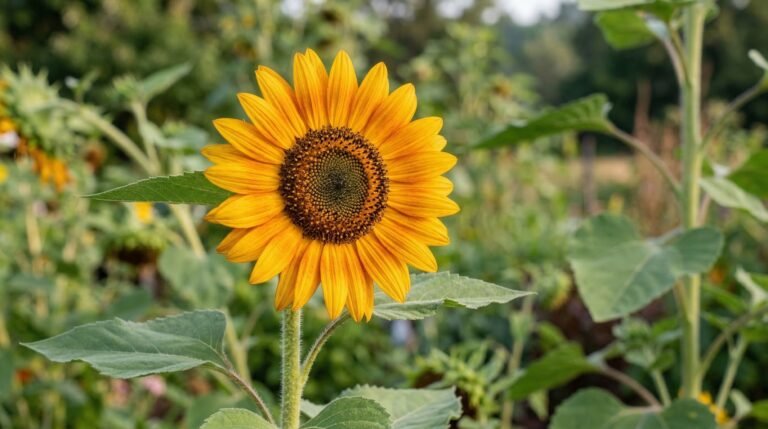
Pollen-free sunflowers for cutting gardens and allergy-friendly bouquet arrangements
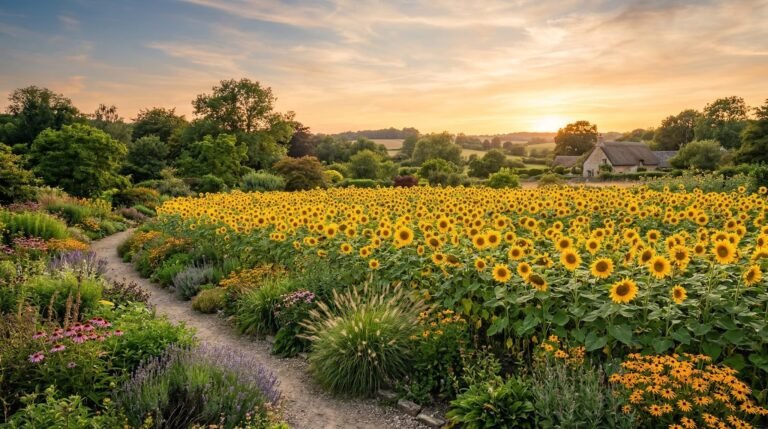
Creating a sunflower field effect in your backyard for the ultimate summer photo backdrop
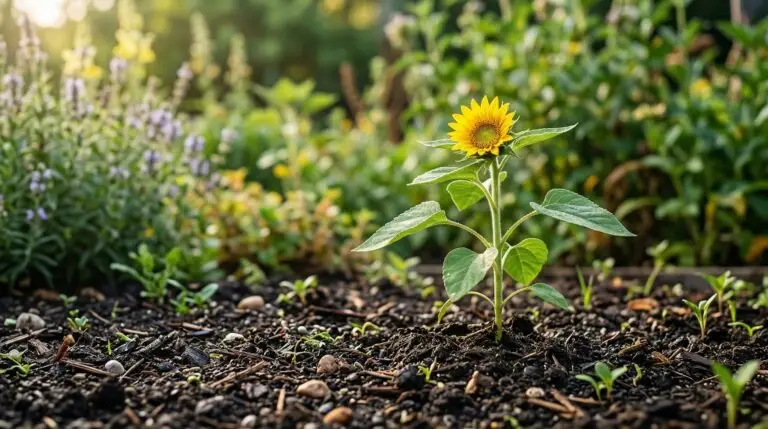
How to grow giant sunflowers that tower over the garden and make everyone smile
Enjoying our flower guides? Add YourFlowersGuide as a preferred source on Google. It helps more readers find us.
Add to Preferred Sources