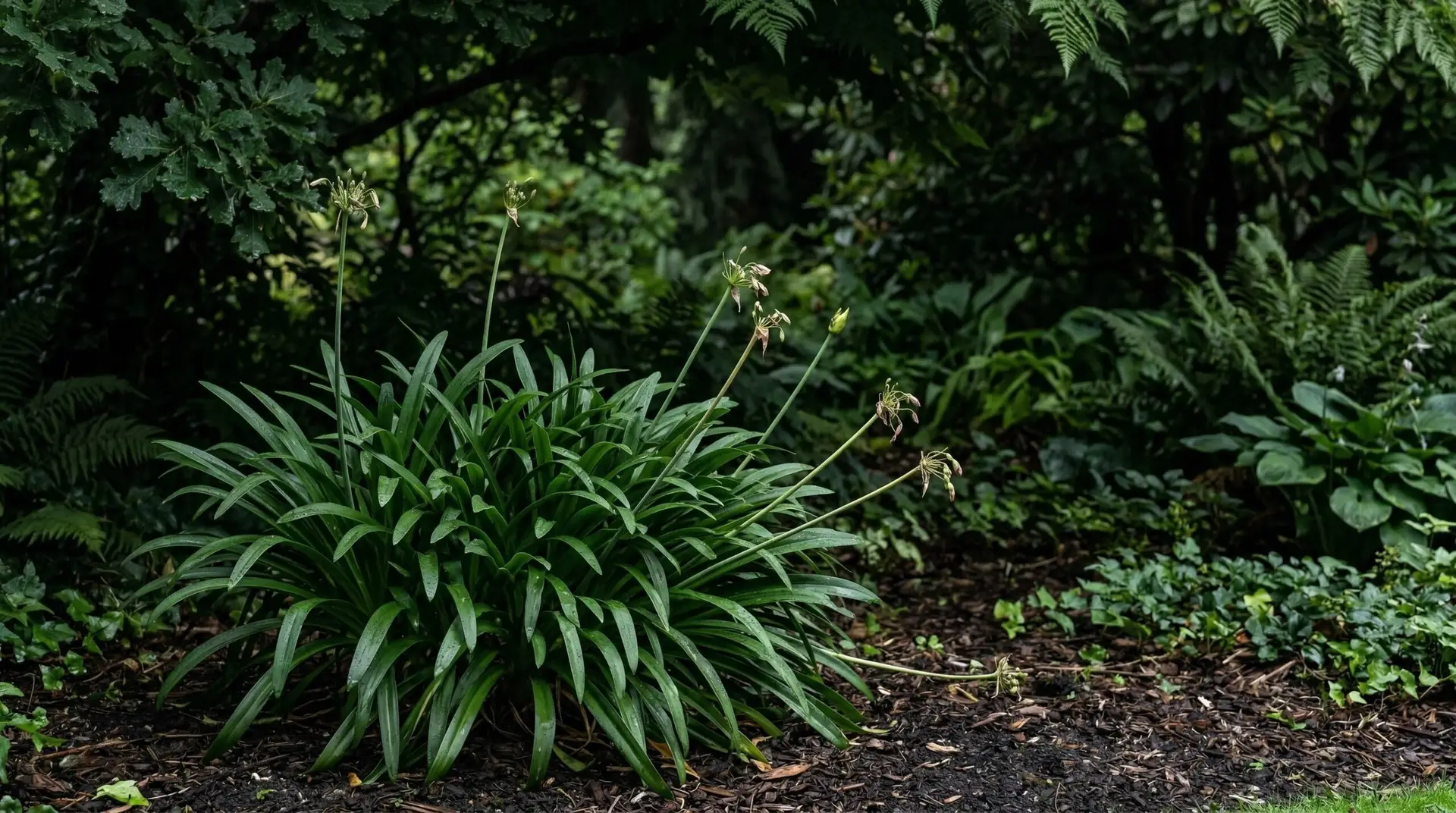
Gardeners frequently ask me why their agapanthus is producing nothing but a massive clump of green leaves year after year. You buy these plants for those tall stalks topped with distinctive blue or white spheres, so it is incredibly frustrating when summer arrives and the stems never emerge. When someone asks why won’t my agapanthus bloom, the answer almost always comes down to a mismatch between what the plant expects and what it is actually getting in your yard. These South African natives are tough survivors that will tolerate a lot of abuse, but they will stubbornly refuse to flower if their specific conditions are not met. The good news is that an agapanthus not flowering is rarely a sign of a dying plant, but rather a plant that is protesting its environment or care routine. By adjusting a few basic factors like light, root space, and nutrition, you can usually trick that stubborn clump of foliage into producing the blooms you paid for.
The relationship between sunlight and flower production
The most common reason for a lack of blooms is simply a lack of direct sunlight. Agapanthus plants evolved in bright, open environments, and they require a significant amount of solar energy to push up those thick stalks and heavy flower heads. When a plant is sitting in partial shade or getting blocked by a growing tree canopy, it will usually survive and push out plenty of healthy green leaves. However, without at least six full hours of direct, unobstructed sunlight every day, the plant will not have the energy reserves required to form flower buds. If your plant used to bloom beautifully but has stopped over the last few years, look around to see if nearby shrubs or trees have grown taller and cast new shadows over the bed. The fix here is straightforward but requires some physical effort, as you will need to dig up the clump and move it to a brighter location. Keep in mind that moving the plant will cause temporary shock, so you might have to wait another full season before the blooms return in their new sunny spot.
Root space and the dividing dilemma
There is a persistent gardening myth that agapanthus absolutely must be completely rootbound to flower, which leads people to make poor decisions about container sizing and dividing. While they do not need to be choking in their pots, they strongly prefer having their roots kept snug and restricted. When you take a small agapanthus and plant it in a massive container with plenty of room to spread out, the plant goes into expansion mode. It will spend all of its energy growing new roots and pushing out more leaves to fill that available space, completely ignoring flower production in the process. This same problem occurs when gardeners divide their clumps too frequently, thinking they are doing the plant a favor by giving it room to breathe. Over-dividing shocks the root system and resets the plant’s biological clock back to the vegetative growth stage. You should only split your agapanthus when the roots are literally pushing the plant out of the soil or cracking the sides of its container.
If you realize you have given your potted agapanthus too much room, the solution is not to immediately rip it out and shove it into a tiny pot. Instead, you just need to practice patience and let the plant grow into its current container, which might take two or three years. For those growing agapanthus in the ground, spacing is equally important, as planting them too far apart in loose, newly tilled soil can trigger that same excessive root expansion. Just like when dealing with an iris that refuses to bloom after being divided into tiny sections, an agapanthus needs time to establish a dense, mature colony before it feels secure enough to reproduce via flowers. When you do finally need to divide a massive, overgrown clump, make sure you break it into large, substantial pieces rather than small individual fans. Leaving a good chunk of the root mass intact will minimize the shock and help the new divisions return to their blooming cycle much faster.
Fertilizer choices and the nitrogen trap
Another frequent culprit behind the agapanthus no flowers issue is the type of fertilizer you are applying to the surrounding soil. Many homeowners unknowingly sabotage their summer blooms by feeding their garden beds with high-nitrogen lawn fertilizers or generic all-purpose plant foods. Nitrogen is the nutrient responsible for pushing lush, green leafy growth, and agapanthus plants are highly responsive to it. When an agapanthus receives a heavy dose of nitrogen in the spring, it directs all its energy into growing taller, thicker leaves at the expense of developing flower stalks. To fix this imbalance, you need to starve the plant of nitrogen and switch to a fertilizer that is high in phosphorus and potassium. Applying a tomato feed, bone meal, or a dedicated bloom-boosting fertilizer in early spring will signal the plant to focus on flower production rather than foliage. You should apply this right as the plant breaks dormancy and starts its active growth phase, stopping all feeding once the flower stalks actually appear.
Winter damage and hidden bud loss
Gardeners in colder climates often face a hidden problem where winter temperatures secretly destroy the plant’s ability to flower long before spring arrives. Agapanthus plants form their flower buds deep down inside the crown of the plant during the late summer and fall of the previous year. If you live in a region that gets hard freezes and you leave a tender or borderline-hardy variety unprotected outside, the cold penetrates the crown and kills those microscopic buds. The plant itself often survives the freeze and pushes up fresh green leaves when the weather warms, hiding the fact that the flowering mechanism was destroyed months ago. To prevent this cold damage, you must either grow them in pots and move them into a frost-free garage or greenhouse for the winter, or apply a very thick layer of dry mulch over the crowns of in-ground plants. Just remember to pull that heavy mulch away in the early spring so the soil can warm up and the new growth can push through easily. Much like protecting a sensitive daylily crown from severe ground freezes, insulating your agapanthus is a mandatory chore if you want reliable summer blooms in colder zones.
The most useful piece of advice I can give anyone dealing with a stubborn agapanthus is to understand that these plants operate on a delayed timeline. Whenever you change their conditions, whether you are moving them to more sun, repotting them, dividing them, or changing their fertilizer routine, they will almost always pout for a year. The changes you make this spring might not result in flowers until the following summer, and that waiting period causes many gardeners to panic and make even more changes. Pick the right spot with full sun, use a tight pot or plant them in undisturbed soil, feed them the right phosphorus-heavy nutrients, and then leave them alone. Constant moving, digging, and fussing will only reset their internal clock and prolong the time you spend staring at a pile of green leaves. If you give them the stability and the specific conditions they crave, they will eventually reward you with those massive blue and white globes year after year.
More About Agapanthus
The meaning and symbolism of agapanthus flowers across cultures
Evergreen versus deciduous agapanthus and which type suits your garden
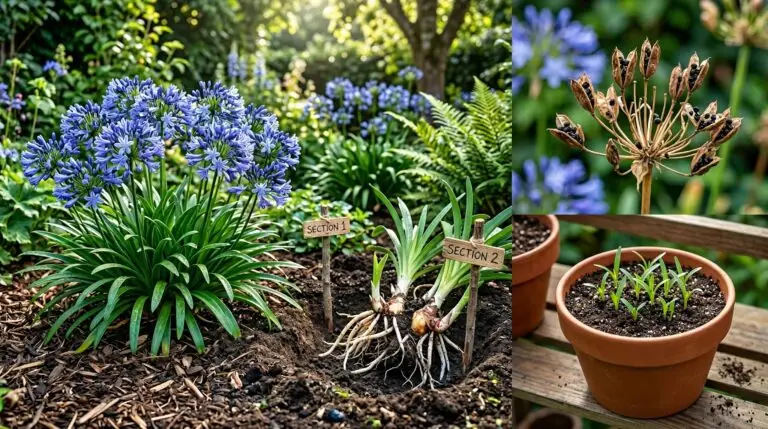
How to divide and propagate agapanthus for more plants every season
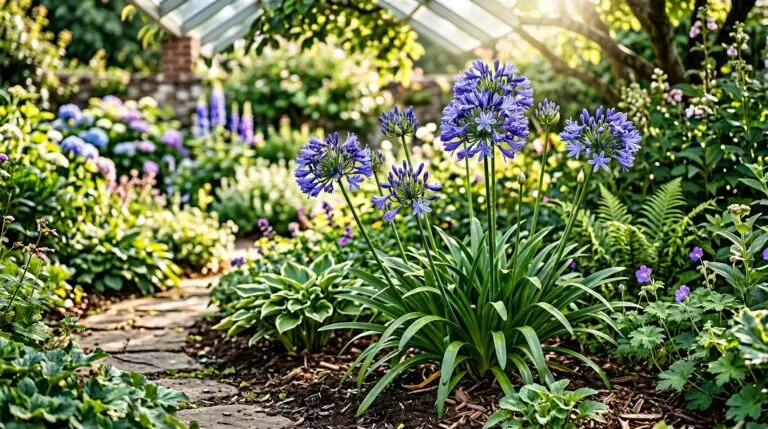
Growing agapanthus indoors as a striking houseplant that actually blooms
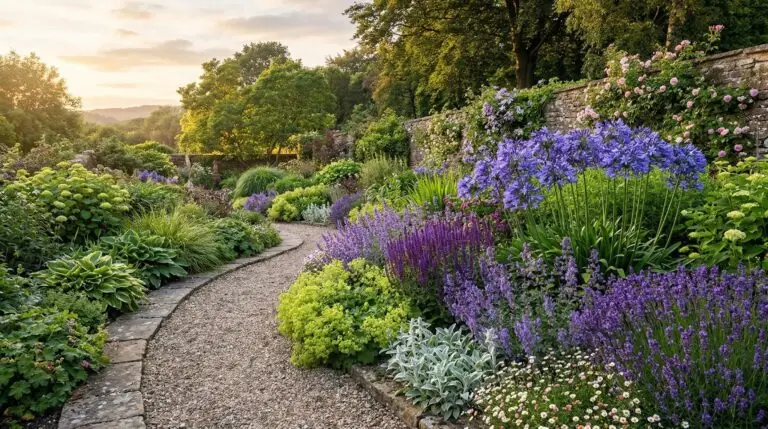
Companion plants for agapanthus: what to grow, avoid
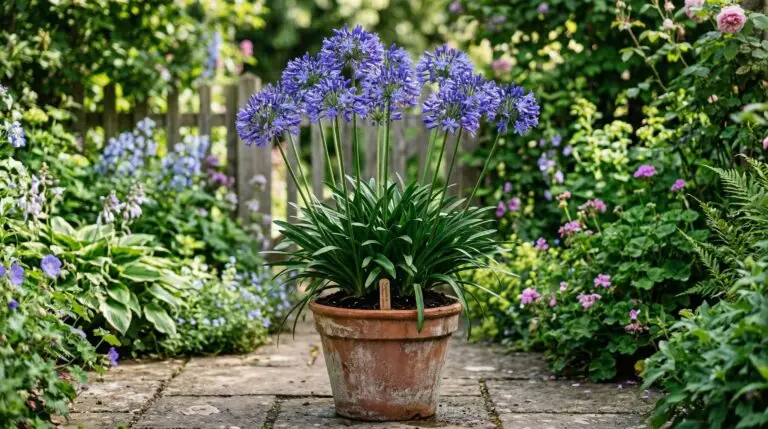
How to grow agapanthus in pots and containers for a spectacular patio display

Agapanthus wedding bouquets and floral arrangements that feel effortlessly elegant