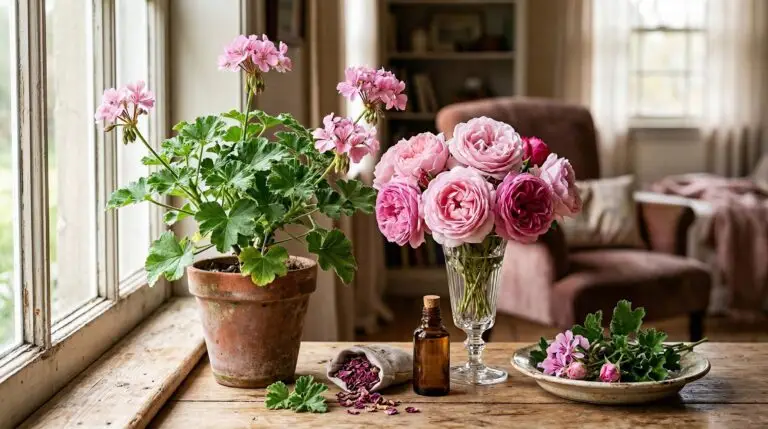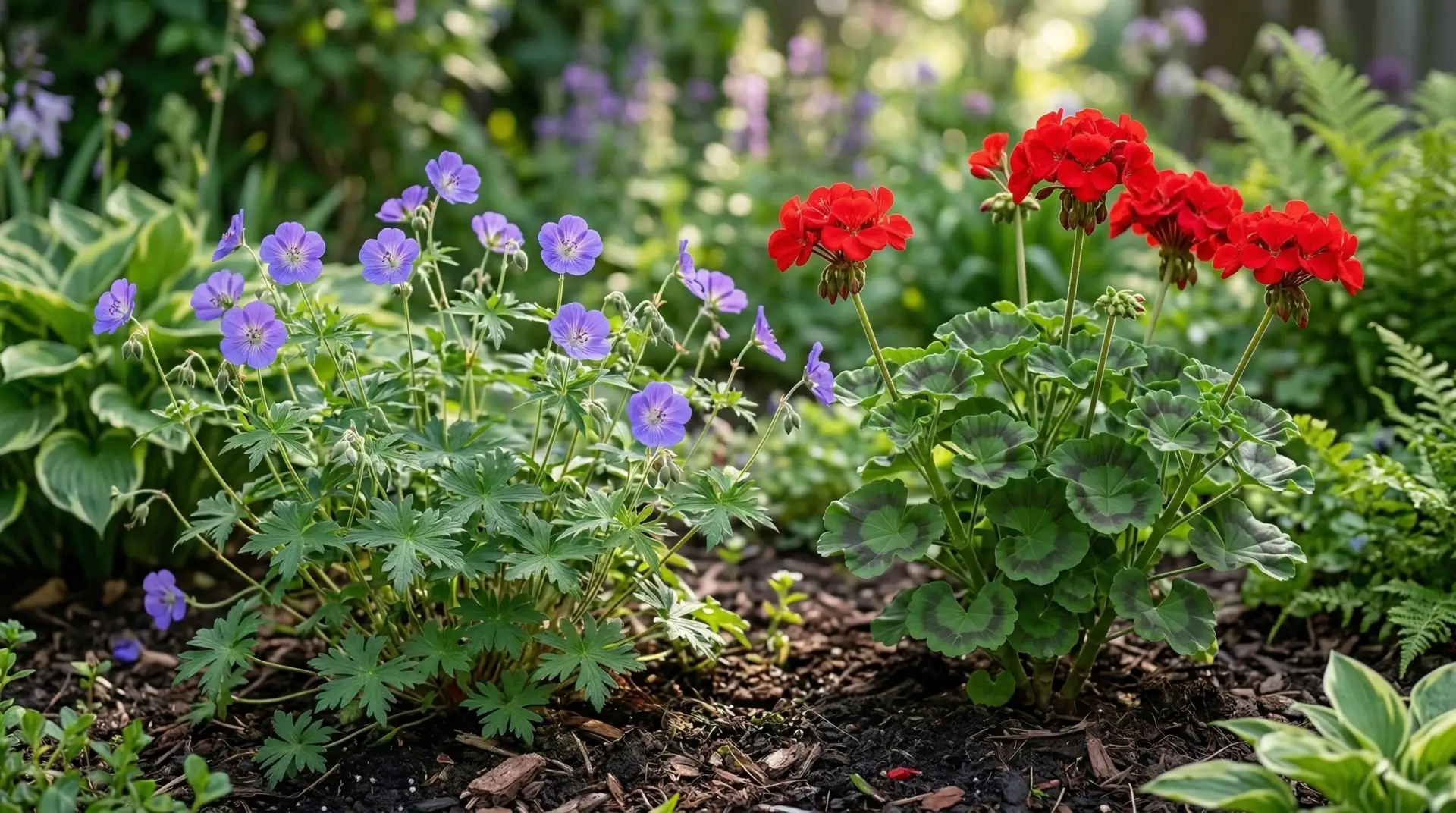
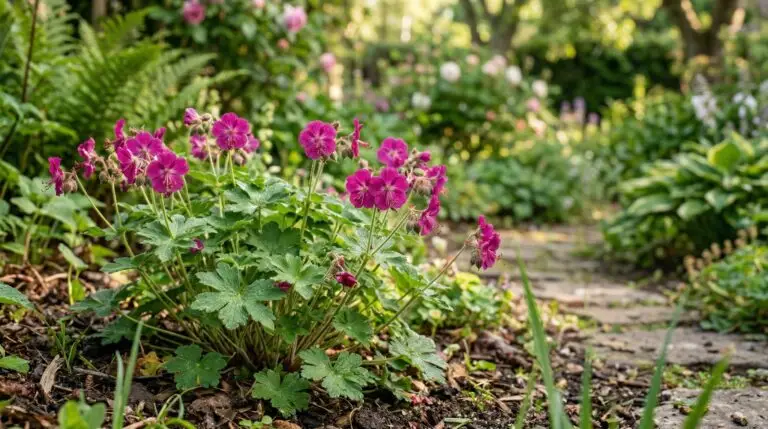
When someone asks me about growing hardy geraniums, the conversation almost always begins with a necessary botanical clarification. The bright red flowers spilling out of window boxes across the country are actually members of the genus Pelargonium, which are frost-tender plants treated as annuals in most climates. True geraniums belong to a completely different group of plants often called cranesbill geranium because of the distinctive beak-like shape of their seed pods. Having grown dozens of species across various botanical gardens, I can attest that true geraniums are among the most reliable herbaceous perennials available to temperate gardeners. They offer an entirely different growth habit than their tender cousins, forming low mounds of deeply lobed foliage that spread steadily without becoming invasive. These plants are the quiet workhorses of the perennial border, providing months of subtle color while suppressing weeds through their dense canopy of leaves.
The primary utility of a cranesbill geranium is its ability to act as a living mulch. Most varieties are rhizomatous, meaning they spread by underground stems that produce roots and shoots along their length, creating a thick mat of foliage that blocks light from reaching weed seeds. Once established, this dense growth habit significantly reduces the time you will spend weeding your garden beds. The foliage itself is highly variable across the genus, with some species offering deeply dissected, lacy leaves and others presenting broader, softly lobed shapes that often turn brilliant shades of red and orange in the autumn. Unlike many aggressive ground covers that choke out neighboring plants, hardy geraniums tend to weave politely around the bases of taller perennials and shrubs. Their shallow root systems make them easy to divide or redirect if they wander past their intended boundaries.
Choosing the right varieties for your light conditions
The genus Geranium contains over four hundred species, which means there is a plant adapted to almost any garden microclimate. For full sun locations, the hybrid cultivar Rozanne has earned its reputation through sheer blooming power, producing violet-blue flowers continuously from early summer until the first hard frost. It requires a bit of space to sprawl, often throwing its flowering stems two or three feet in every direction. Another classic choice for sunny spots is Johnson’s Blue, a slightly older hybrid that offers true sky-blue flowers in early summer but tends to finish blooming much earlier than Rozanne. If you are dealing with dry shade under mature trees, Geranium macrorrhizum is an exceptionally tough species that thrives where little else will grow. The thick, aromatic leaves of this shade-tolerant species discourage deer and rabbits while forming an impenetrable carpet over difficult root zones.
Integrating hardy geraniums into an existing garden design requires an understanding of how they share space with other perennials. In sunny borders, the violet and blue tones of cranesbill geranium contrast beautifully with the bright yellow blooms of a Coreopsis plant. Because geraniums typically stay under two feet tall, they make excellent edging plants to mask the bare lower stems of taller mid-border perennials. You can also pair them effectively with Catmint, as both plants share similar soil requirements and offer a relaxed, sprawling aesthetic that softens hardscape edges. For a longer succession of interest, interplanting them near a reliable Daylily ensures that the ground remains covered and colorful even when the taller plants are resting. The geranium foliage will persist through the heat of summer, maintaining a clean green base layer that ties the entire planting scheme together.
Soil requirements and establishing your plants
Proper geranium care begins with understanding their preferred soil conditions, which are generally quite accommodating. Most hardy geraniums prefer well-drained soil with a slightly acidic to neutral pH ranging from 5.8 to 7.0, though they will adapt to moderately alkaline conditions without showing signs of chlorosis. Heavy clay soils that remain waterlogged during the winter months are the primary enemy of these plants, because excessive moisture will quickly rot their dormant crowns. If you garden in heavy clay, you should amend the planting area generously with coarse compost and plant the crowns slightly higher than the surrounding soil grade. Newly planted geraniums require consistent moisture during their first growing season to establish their root systems deeply into the surrounding soil. Once the plants have settled in for a full year, they become surprisingly drought tolerant, requiring supplemental water only during prolonged dry spells.
The maintenance required to keep cranesbill geranium looking fresh throughout the growing season is minimal but specific. Many of the early-blooming varieties, including the popular Johnson’s Blue, tend to look somewhat tired and floppy after their initial flush of flowers fades in midsummer. The most effective horticultural practice for dealing with this midsummer slump is to shear the entire plant back to about two inches above the soil line. While this aggressive pruning leaves a temporary bare spot in the garden, the plant will respond by pushing out a fresh flush of compact, bright green foliage within two weeks. Depending on the specific cultivar and your local climate, this hard shearing often triggers a second, smaller flush of flowers in the early autumn. Cultivars like Rozanne that bloom continuously do not require this midseason cutback, needing only a simple cleanup of dead stems in late winter before new growth emerges.
Propagation and long term garden performance
Growing hardy geraniums is a long-term investment, as these plants frequently outlive many other popular herbaceous perennials in the mixed border. As the plants age, the center of the clump may begin to die out or become woody, which is a clear morphological signal that the plant needs division. Spring or early autumn are the optimal times to lift and divide mature clumps, using a sharp spade to slice through the thick rhizomes. Each division should have at least three healthy growth buds, or eyes, and a solid mass of fibrous roots attached to the main rhizome. Replanting these divisions immediately at the same depth they were previously growing ensures a high success rate and provides you with free plants to expand your ground cover. The vigor of these divided sections often surpasses that of the aging parent plant, renewing the dense foliage canopy that makes this genus so dependable.
The transition from reading about these plants to successfully cultivating them starts with evaluating your current garden beds for bare soil or persistent weed problems. Look for areas along walkways, at the base of leggy shrubs, or on gentle slopes where a low-maintenance ground cover would reduce your weekly gardening chores. Purchase your initial plants locally in spring so you can inspect the crowns for firm, healthy tissue and vigorous early foliage. Plant them about eighteen inches apart, water them deeply, and apply a light layer of organic mulch around the base to conserve moisture while they take hold. By midsummer, the individual plants will knit together into a continuous mat of foliage and flowers, proving exactly why experienced horticulturists rely so heavily on this adaptable genus.
More About Geranium
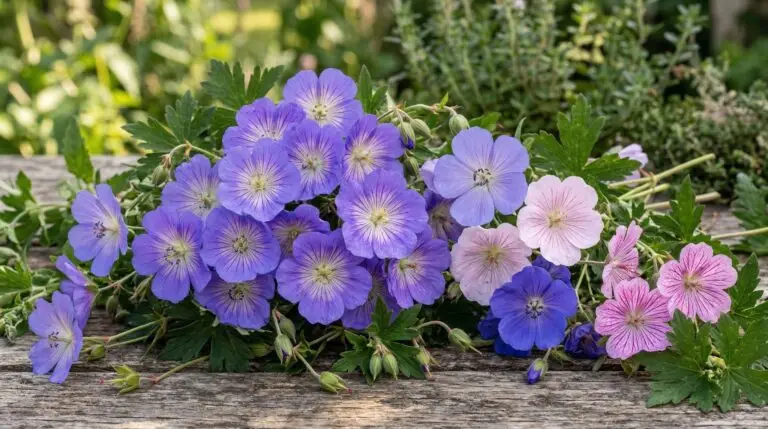
Best hardy geranium varieties from the legendary Rozanne to shade-loving types
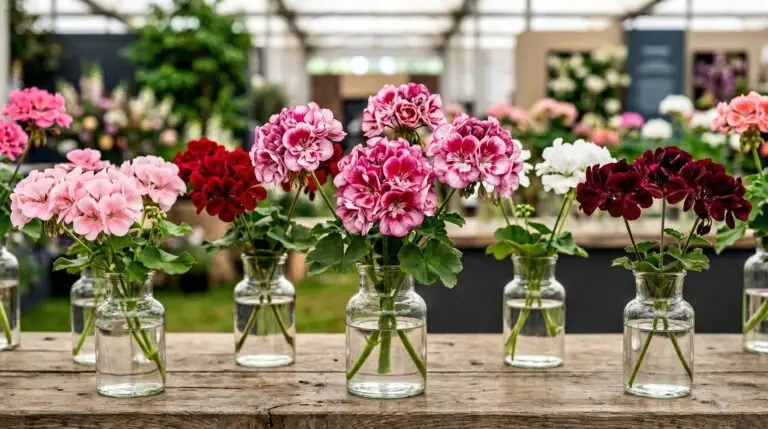
Geranium Rozanne and why one plant became the most popular perennial in the world
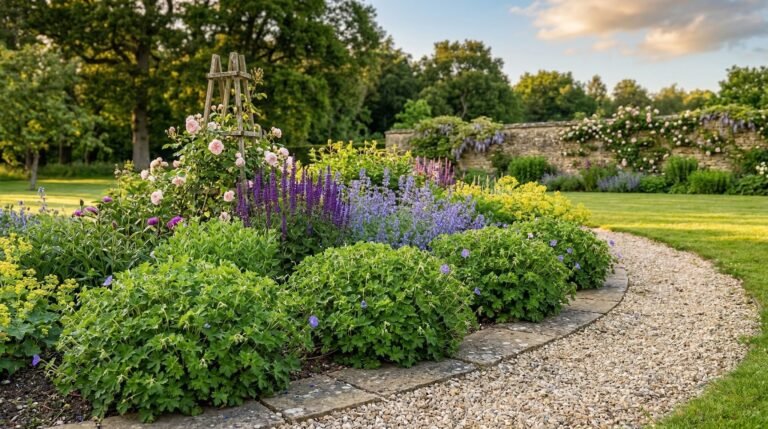
How to cut back hardy geraniums in midsummer for fresh foliage and a second flush
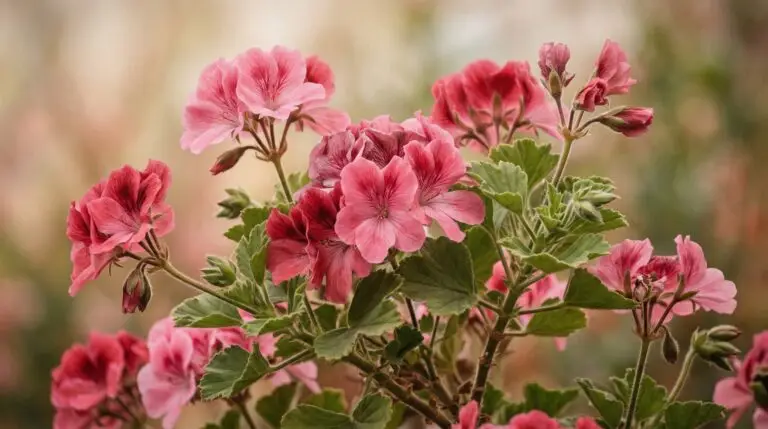
Geranium flower meaning and the Victorian message of comfort and true friendship
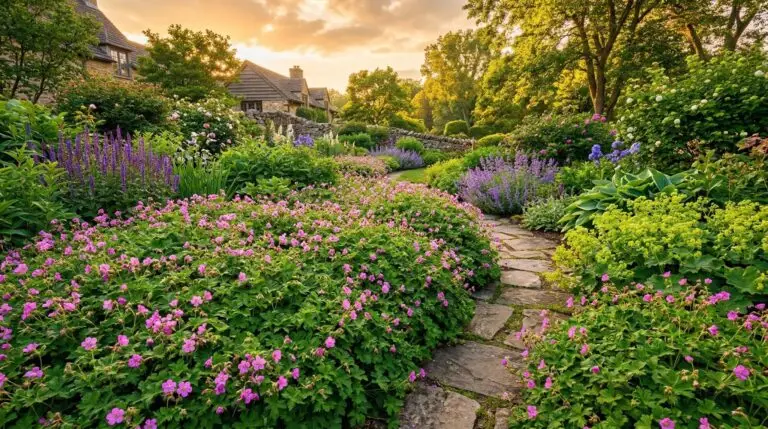
Using hardy geraniums as weed-suppressing ground cover under roses and shrubs
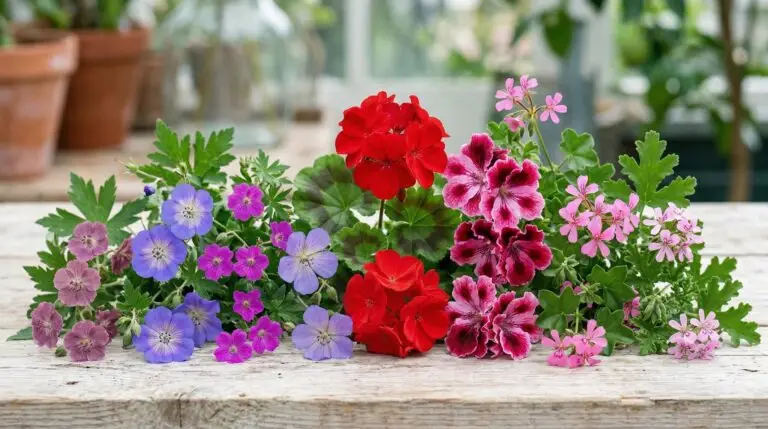
Hardy geraniums versus pelargoniums and why the garden world confuses them
Hardy geraniums for deep shade that bring flowers to the darkest garden corners
Companion plants for geraniums: what to grow and avoid