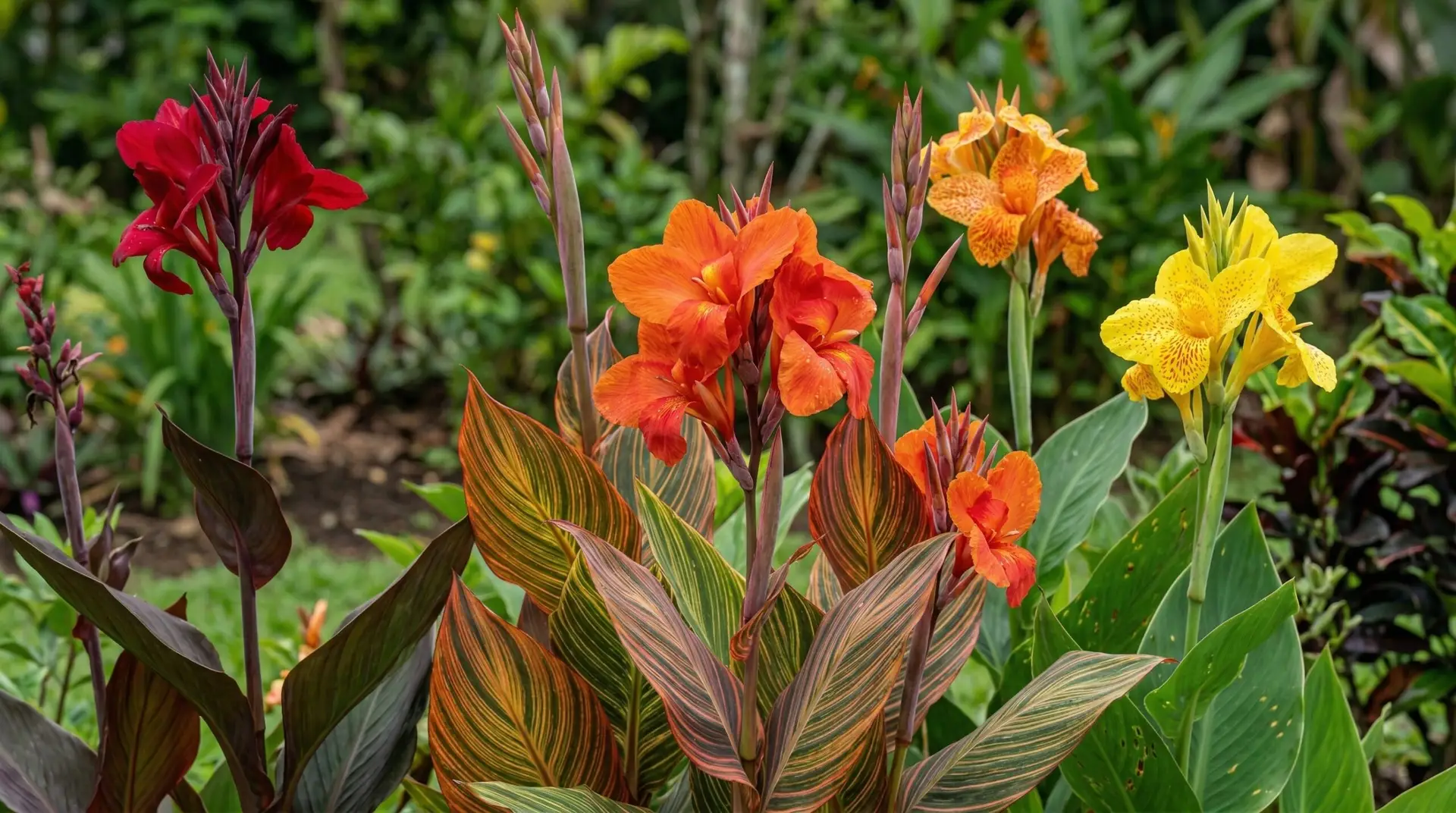
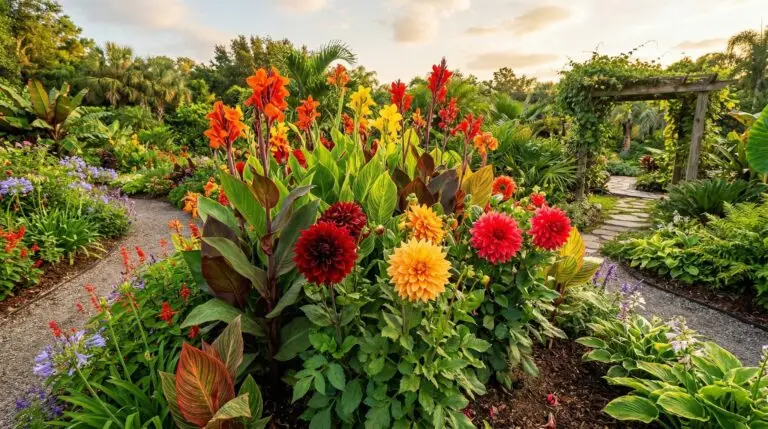
I remember the exact moment I stopped caring about canna lily flowers. I was standing in a late afternoon garden, and the setting sun was hitting a massive stand of cannas from behind. The light illuminated the leaves like stained glass, glowing with intense veins of pink, yellow, and deep burgundy. While most people buy these plants for their bright summer blooms, the true collectors know that the foliage is the main event. A canna lily provides architectural structure and massive blocks of color from the moment the first leaf unfurls in spring until the first frost takes them down in autumn. You do not have to wait for buds to form to get a display, because the broad, paddle-shaped leaves do all the heavy lifting. I find myself constantly drawn to the varieties that offer wild stripes and deep, dark tones, choosing them entirely for how their leaves will anchor my garden beds.
The magic of striped canna varieties
If you want to start with a striped canna, you have to look at the classic yellow and green varieties that go by names like Pretoria or Bengal Tiger. These two are often sold interchangeably in the trade, and they produce enormous leaves marked with precise, alternating lines of bright lemon yellow and vivid green. Watching a new leaf emerge from the center of the stalk is one of my favorite parts of the growing season. The leaf starts as a tight, vertical roll, and as it slowly opens over a few days, the crisp striping reveals itself perfectly intact. When this plant finally decides to bloom, it pushes up a bright, clear orange flower that contrasts sharply with the yellow foliage. I always plant Pretoria where it will get full sun, as the intense light keeps the yellow stripes bright and prevents the green from overtaking the leaf.
For an entirely different kind of striped effect, Tropicanna is the plant that usually turns visitors into instant canna enthusiasts. The leaves on this variety are a chaotic, beautiful mix of burgundy, olive green, pink, and red lines that shift in color as the leaf matures. The newest leaves emerge with a heavy overlay of deep reddish-pink, and they gradually fade to a more complex, multi-colored pattern as they age down the stalk. I love planting Tropicanna in large pots on the patio where I can appreciate the subtle color changes up close every morning. It produces a tangerine-orange flower that almost feels like an afterthought compared to the sheer volume of color happening on the foliage. You have to give this one plenty of water and fertilizer to keep the leaves looking fresh, but the resulting display is worth every extra watering can you carry out to the patio.
Dark leaf canna types for deep contrast
While striped leaves demand attention, dark leaf canna varieties provide the deep, grounding contrast that makes everything else in the garden stand out. My absolute favorite in this category is Australia, a variety that produces some of the darkest, glossiest foliage of any plant I have ever grown. The leaves are a rich, saturated burgundy-black with a satin finish that catches the light beautifully, especially after a summer rain. The stems themselves are entirely black, rising up to five or six feet tall before topping out with intense, blood-red flowers. I like to use Australia as a dark backdrop for brighter, finer-textured plants, letting its massive, dark paddles create a solid wall of shadow. It is a vigorous grower that quickly forms a dense clump, making it incredibly satisfying to dig and divide at the end of the season.
If you prefer a softer dark leaf, older cultivars like Wyoming and Red King Humbert offer a beautiful bronze-purple tone that feels a bit more muted than the intense black of Australia. Wyoming gives you these large, smoky purple leaves paired with a bright, ruffled orange flower, creating a classic combination that has kept it in gardens for decades. Red King Humbert shifts a bit more toward a reddish-bronze and produces a red flower, though it occasionally throws a fascinating mutation where a flower will bloom half-red and half-yellow. These bronze varieties are incredibly reliable and seem to tolerate a bit more neglect than the highly variegated types. I often rely on them to fill large, difficult spaces in the back of the border where I need height and color but cannot constantly monitor the soil moisture. They provide a steady, dark presence that anchors the garden through the hottest weeks of August.
Balancing leaf color, flower color, and height
When you start collecting canna varieties, you quickly realize that managing their height is just as important as choosing their leaf color. The massive, eight-foot tall varieties like Australia or the giant musafolia types belong strictly at the back of the border or in the center of a very large island bed. If you put them too close to the front, they will completely swallow their neighbors by mid-July. Fortunately, breeders have developed many dwarf and medium-sized cultivars that stay in the three to four-foot range, making them perfectly suited for large containers or middle-of-the-border placement. I spend a lot of time in the winter sketching out my beds, trying to match the mature height of my cannas with the surrounding perennials. A dark-leaved canna looks incredible when rising behind a bright, late-summer blooming dahlia, as the massive flat leaves contrast perfectly with the complex, geometric flower heads.
You also have to think about how the foliage color interacts with the other big personalities in your late summer garden. I love pairing the bright yellow stripes of Pretoria with plants that have deep purple or blue flowers to create a high-contrast, energetic display. The dark, brooding leaves of Australia look completely at home next to a large, hardy hibiscus, creating a lush, jungle-like atmosphere right in the middle of a temperate zone backyard. The trick is to give the canna enough physical space to spread its leaves without shading out the companion plants. Because cannas are heavy feeders and drinkers, I always make sure to plant them with companions that enjoy the same rich, moist soil conditions. When you match the growing requirements perfectly, the entire bed thrives together as a single cohesive unit.
The realities of growing and keeping cannas
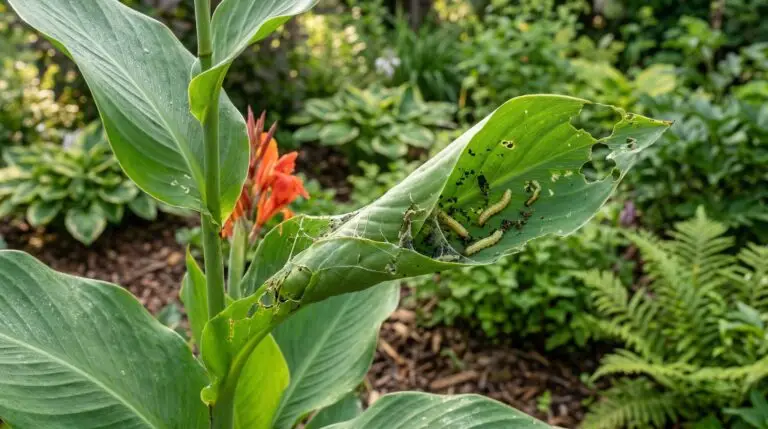
For all my love of these plants, growing cannas is not without its specific frustrations and heartbreaks. The biggest disappointment in the canna world is the prevalence of canna viruses, particularly the yellow mottle virus, which distorts the leaves and ruins the plant’s vigor. There is no cure for it, and the only responsible thing to do when you see the telltale streaking and twisted growth on a previously healthy plant is to dig it up and throw it in the trash. It is a painful task, especially when it happens to a variety you have been saving and multiplying for years. Beyond the virus, you also have to watch out for leaf rollers, which are caterpillars that literally sew the leaves shut before they can unfurl. I spend a lot of time in early summer gently prying open the young leaves to check for these pests, preferring to catch them early before they chew holes straight through the foliage.
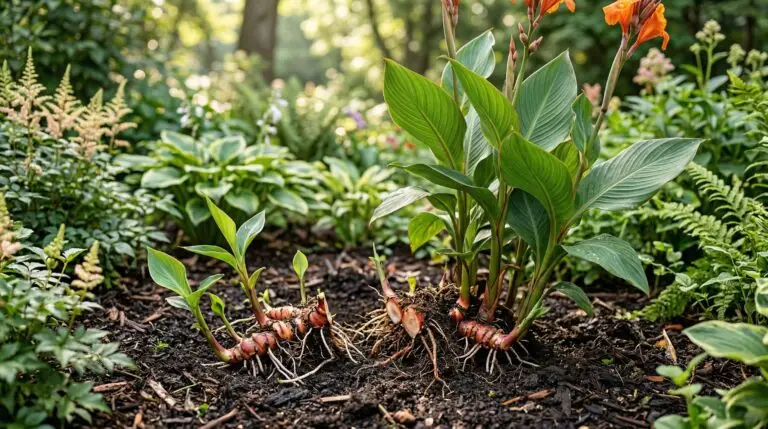
Despite the pests and the heavy lifting required to dig and store the rhizomes in cold climates, I cannot imagine a summer garden without them. There is a deep, physical satisfaction in digging up a massive cluster of fat, healthy rhizomes in October, knowing that the single root you planted in May has multiplied tenfold. I lay them out to dry in the autumn sun, brush off the loose dirt, and pack them away in boxes of peat moss for the winter. Checking on them in the basement over the cold months becomes a quiet ritual, a reminder that the explosive growth of summer is just waiting to happen again. When the soil finally warms up in spring and I press those rhizomes back into the earth, I know I am setting the stage for another season of massive, colorful leaves. The sheer reliability of that summer transformation is exactly what keeps me planting cannas year after year.
More About Canna Lily
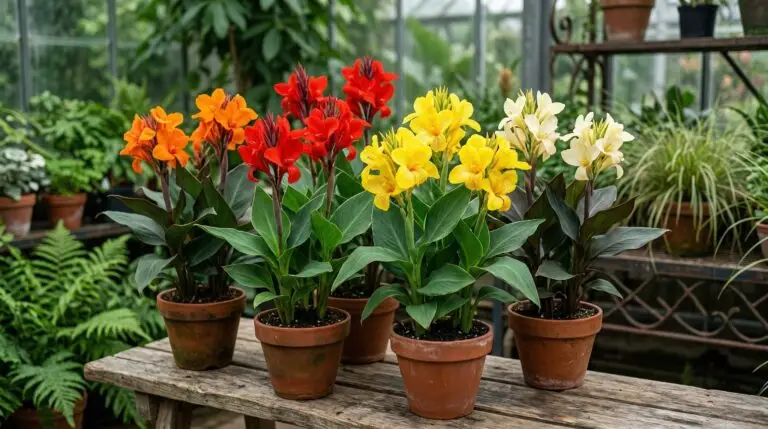
Dwarf canna varieties perfect for small gardens and front-of-border planting
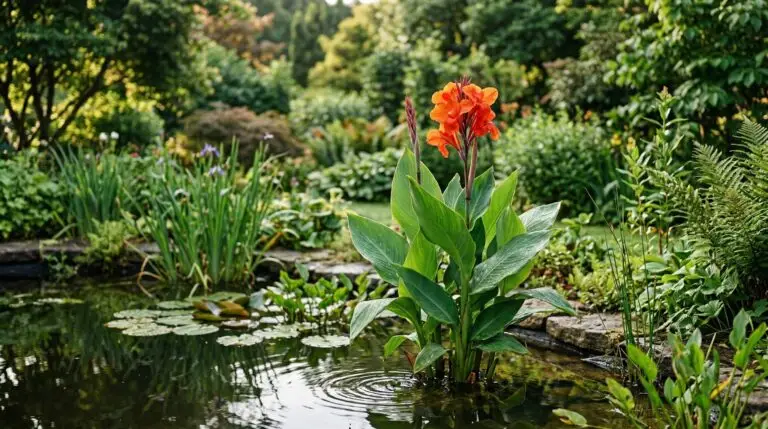
Growing cannas in water gardens and bog conditions for a lush waterside display
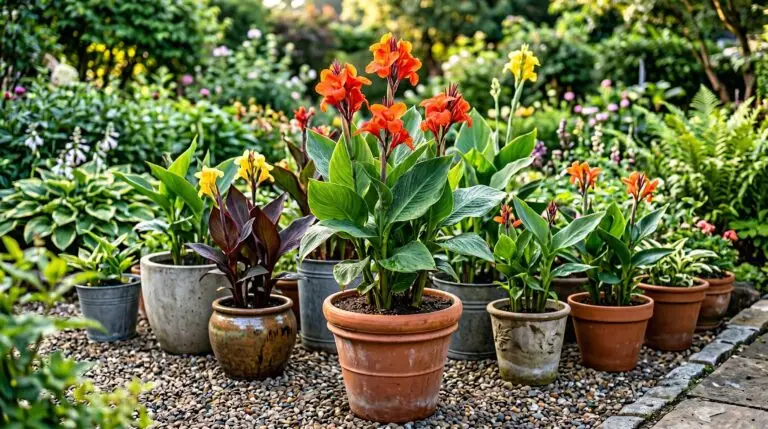
Growing cannas in containers for instant tropical impact on decks and patios
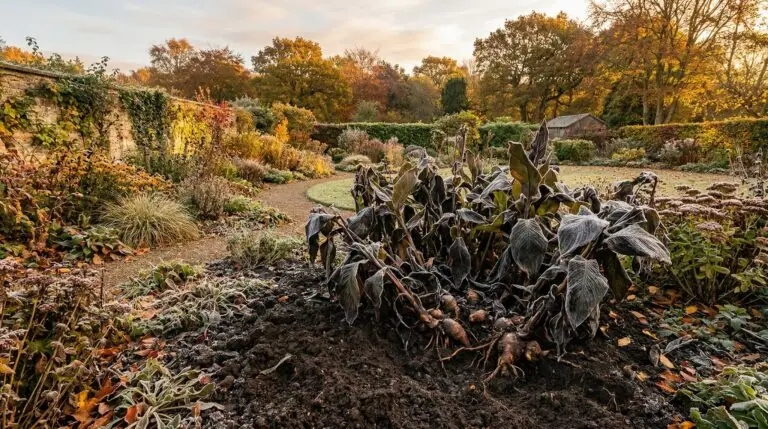
How to overwinter canna lily bulbs in cold climates and replant them in spring
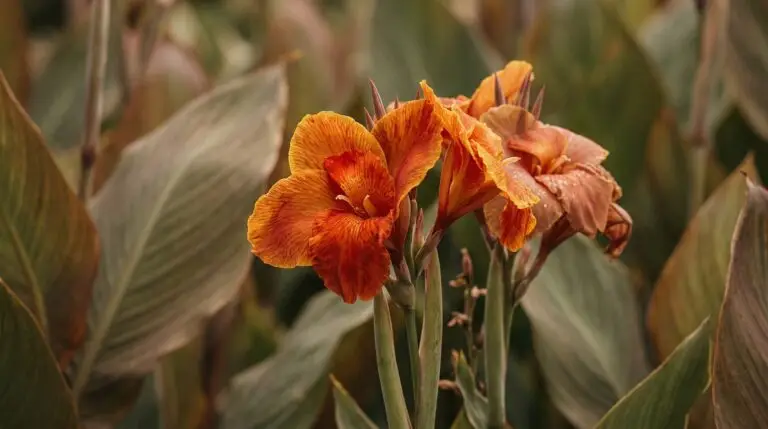
Canna lily flower meaning and its tropical symbolism of beauty and confidence
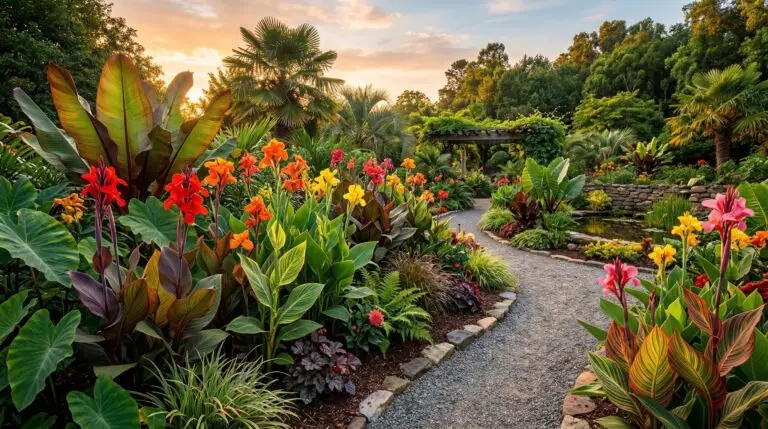
How to create a tropical garden look with cannas as the dramatic centerpiece
Canna and dahlia combinations for a bold late-summer garden border
How to divide canna rhizomes in spring for more plants and bigger clumps