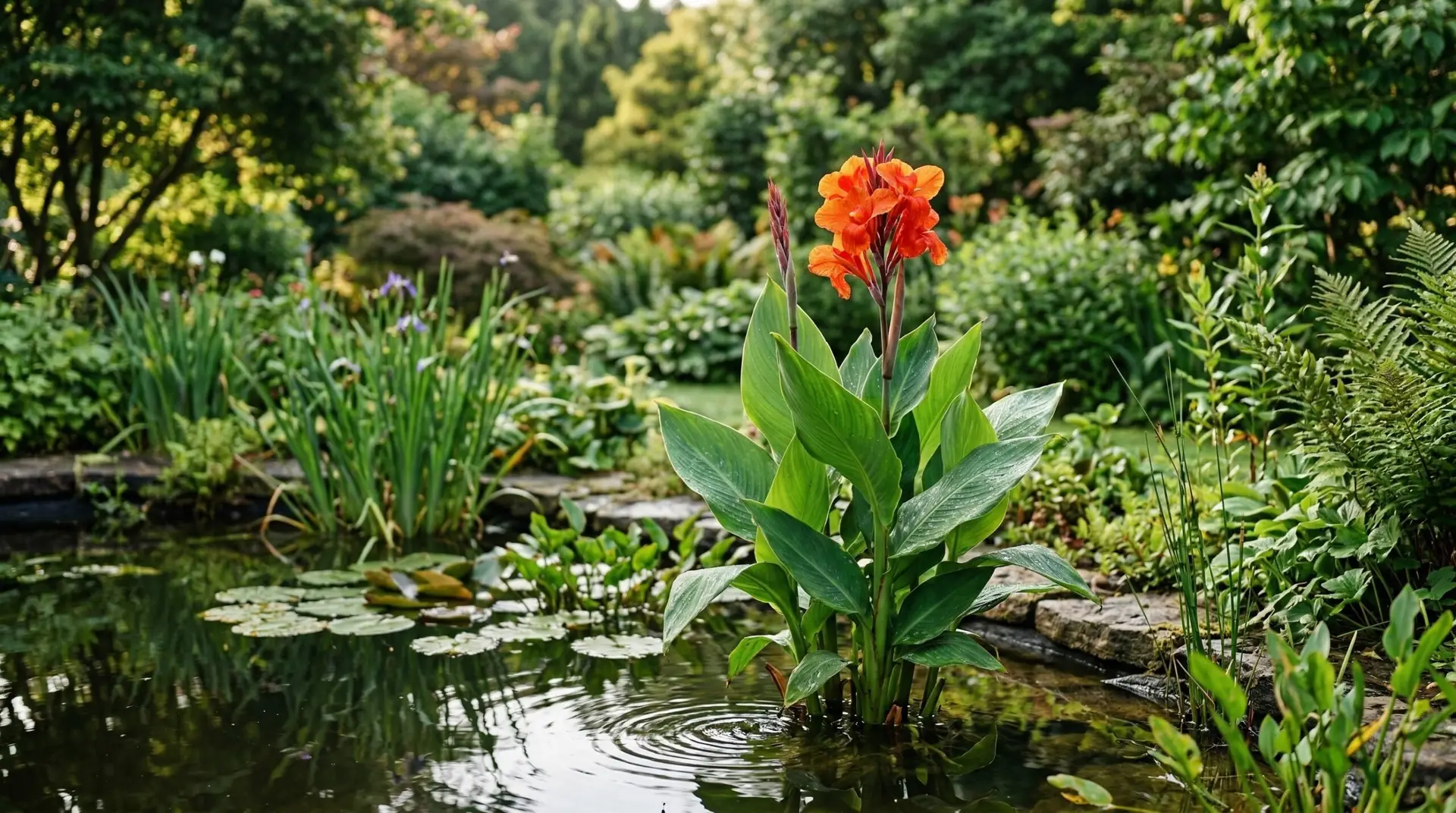
Most terrestrial plants suffocate when their roots are submerged in water because oxygen cannot diffuse through water as quickly as it does through air. The genus Canna bypasses this problem entirely through a specialized internal architecture. If you cut the stem of a water-adapted species like Canna glauca under a microscope, you will see a network of hollow tubes called aerenchyma. These spongy tissues act like snorkels that transport oxygen captured by the large leaves directly down into the root system. This evolutionary adaptation allows the plant to thrive in the anoxic, oxygen-starved mud of tropical and subtropical wetlands across the Americas. Understanding this internal plumbing explains why these plants do not just tolerate wet soil but actively flourish in it.
The engine driving this aquatic survival is the starchy underground stem known as a rhizome. In a natural wetland, the rhizome anchors the plant against shifting water currents while storing substantial amounts of carbohydrates. These energy reserves allow the plant to push new shoots up through several inches of water to reach the sunlight. When gardeners create a canna water garden, they are replicating the exact marginal aquatic zones where these species first evolved. The roots spread out into the submerged mud, utilizing the constant moisture to fuel rapid, continuous growth throughout the warm summer months. This biological reality means we can treat them as true aquatic plants rather than just thirsty garden ornamentals.
Contents 3 sections
Adapting the submerged container method
Bringing these wetland natives into a backyard pond requires a specific approach known as the submerged container method. Standard potting soil contains high amounts of perlite, peat, and organic matter that will simply float away and foul the water. Instead, planting aquatic canna rhizomes requires heavy, dense clay soil that stays put when submerged. The clay packs tightly around the rhizome, providing the physical resistance the roots need to anchor the tall, heavy stems. Gardeners place the planted container directly into the pond, allowing the water to slowly seep in and saturate the heavy soil. A top layer of pea gravel prevents the clay from dispersing into the water column and keeps foraging fish from uprooting the young shoots.
Water depth is a limiting factor in the success of this planting method. The crown of the rhizome, where the new shoots emerge, should sit between two and six inches below the water surface. If the container is placed too deep, the young shoots expend all their stored energy trying to reach the surface and often rot before they find the light. The aerenchyma tissue has physical limits and cannot maintain sufficient oxygen pressure if the distance from the submerged roots to the atmospheric air is too great. By keeping the pots on shallow marginal shelves within the pond, the plant maintains the right balance of constant hydration and immediate air access. This shallow placement mimics the natural receding water lines of their native habitats.
Transpiration and the aquatic canna leaf
The broad, paddle-shaped leaves of a Canna are biological marvels designed for rapid transpiration. In a typical garden bed, these large surface areas lose water quickly, requiring the gardener to provide constant irrigation to prevent wilting. When grown in a pond, the plant has an unlimited water supply and acts as a powerful biological pump. The roots draw water up through the xylem, and the leaves release it into the atmosphere, which actively cools the microclimate around the pond. This continuous flow of water through the plant tissues is entirely different from the passive floating habit of a water Lily, which rests its specialized leaves directly on the water surface to conserve moisture. The Canna instead uses its upright posture to catch the wind, accelerating the transpiration process.
This high rate of water movement also drives a heavy appetite for nutrients. Cannas are heavy feeders, and in an aquatic environment, they pull dissolved nitrogen and phosphorus directly out of the water column. This biological nutrient sink effect makes them highly useful for maintaining pond health. As the roots absorb excess nutrients to build their leaves and flowers, they starve out single-celled algae that would otherwise turn the water green. A healthy canna bog plant will rapidly convert pond waste into vegetative biomass. Gardeners often supplement this natural feeding with aquatic fertilizer tablets pushed deep into the clay, ensuring the plant has enough potassium and trace minerals to produce its complex, asymmetrical flowers.
Designing the pond edge with companion plants
The shallow margins of a pond offer a unique ecosystem where different species share the saturated soil. Cannas grow exceptionally well alongside other robust marginal aquatics that tolerate the same anoxic mud conditions. The vertical, sword-like foliage of a water-loving Iris provides a sharp architectural contrast to the broad, tropical leaves of the Canna. Below the soil surface, the fibrous roots of the iris and the thick, fleshy rhizomes of the canna occupy different physical spaces, preventing direct competition for physical anchoring. This layered root zone stabilizes the pond edge and creates a dense biological filter that cleans the water before it reaches the deeper sections of the pond.
Moving slightly away from the open water creates a transition zone where the soil is permanently wet but not submerged. This is the true bog environment, where the water table sits just below the soil surface. Cannas adapt to this zone by keeping their rhizomes slightly drier while sending fine feeder roots down into the saturated water table. The soil biology in a bog is highly active, filled with anaerobic bacteria that break down organic matter into forms the plant roots can easily absorb. Gardeners can mix them with moisture-loving lilies and ferns to create a seamless transition from the submerged pots to the saturated bog edge. The plants will naturally adjust their root architecture based on the exact moisture levels they encounter in these different zones.
Looking at a Canna thriving in a water garden changes how we understand this familiar plant. It is not just a colorful summer bulb, but a highly evolved amphibious organism capable of bridging the terrestrial and aquatic worlds. Its internal network of oxygen tubes, heavy nutrient demands, and rapid transpiration rates are calibrated for life at the water’s edge. When we plant them in ponds and bogs, we are not forcing them into an unnatural situation. We are returning them to the exact wetland conditions that shaped their biology over millions of years, allowing them to express their true ecological potential.
More About Canna Lily
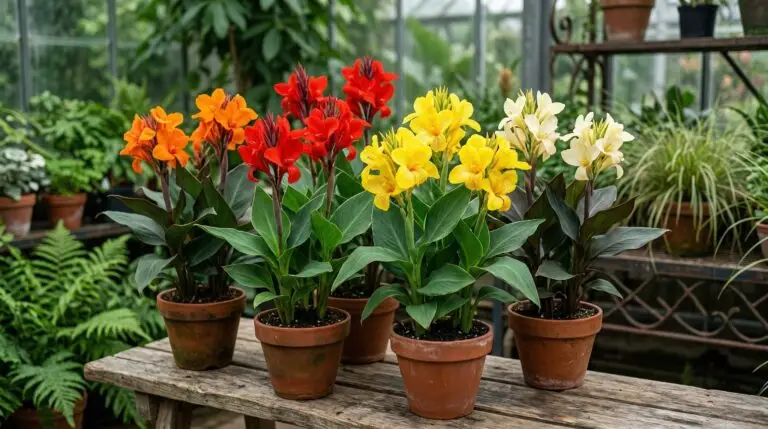
Dwarf canna varieties perfect for small gardens and front-of-border planting
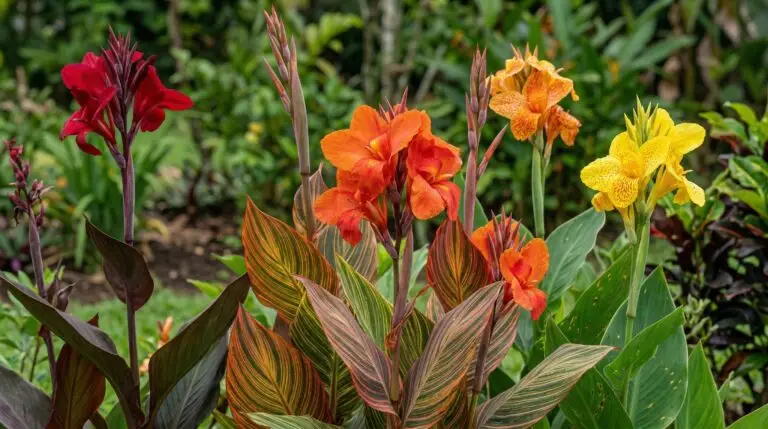
Best canna lily varieties for stunning foliage including dark-leaved and striped types
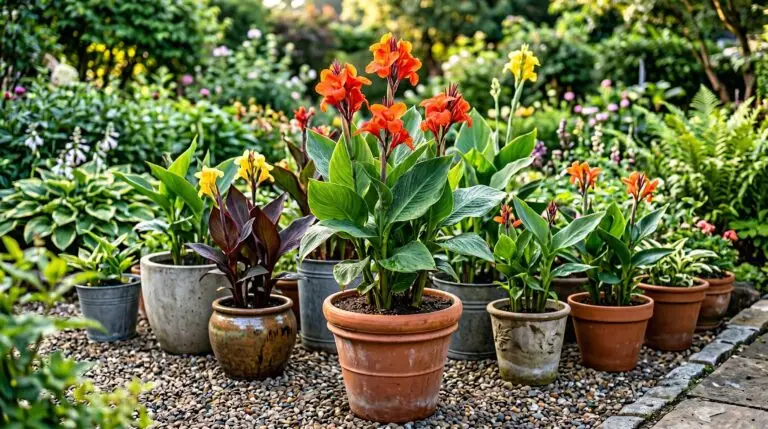
Growing cannas in containers for instant tropical impact on decks and patios
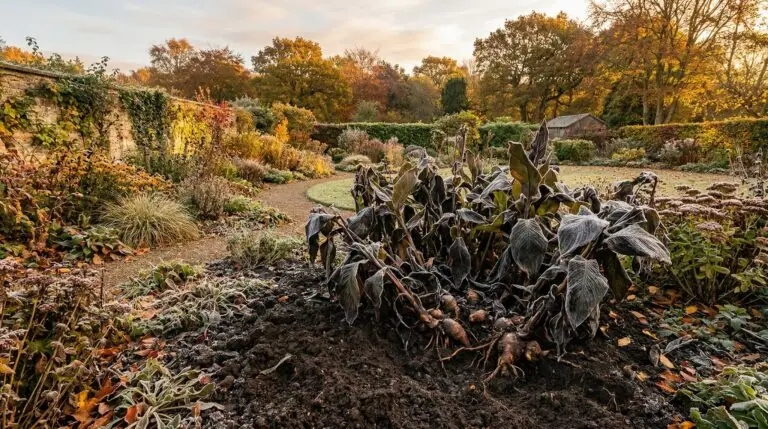
How to overwinter canna lily bulbs in cold climates and replant them in spring
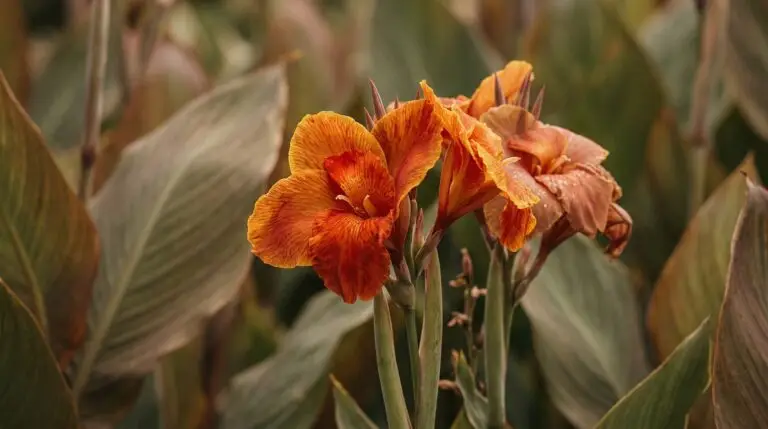
Canna lily flower meaning and its tropical symbolism of beauty and confidence
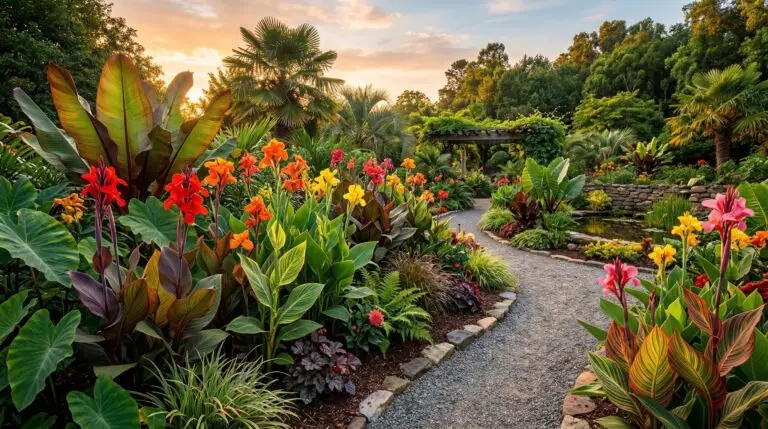
How to create a tropical garden look with cannas as the dramatic centerpiece
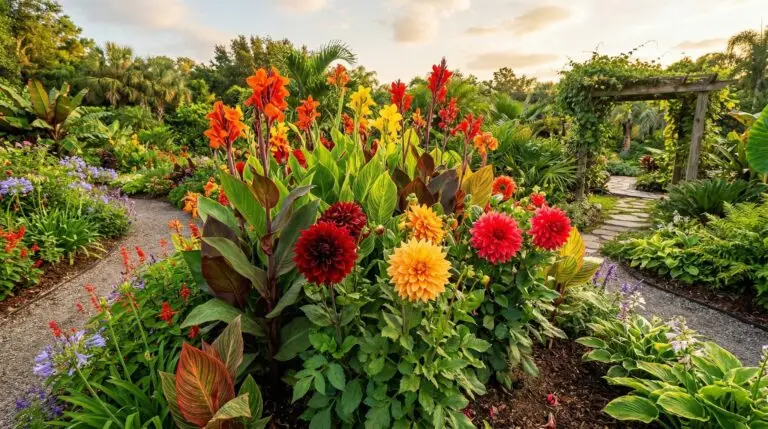
Canna and dahlia combinations for a bold late-summer garden border
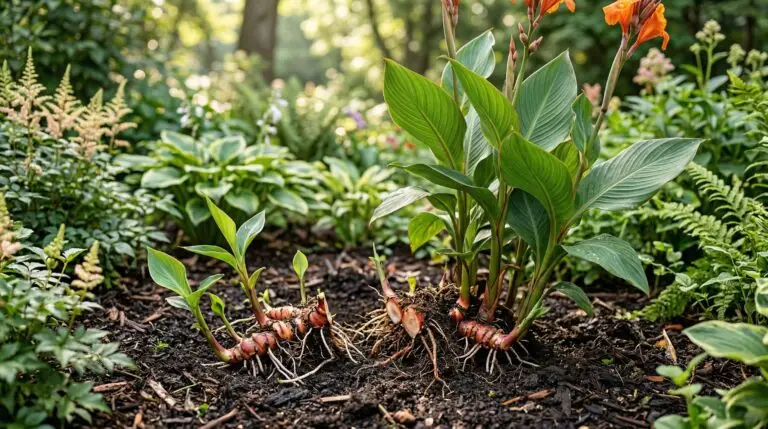
How to divide canna rhizomes in spring for more plants and bigger clumps
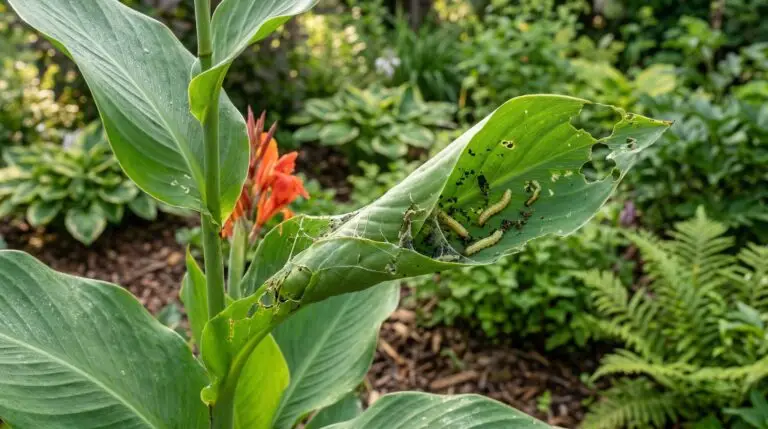
Canna lily problems including canna leaf roller and how to keep leaves pristine
Enjoying our flower guides? Add YourFlowersGuide as a preferred source on Google. It helps more readers find us.
Add to Preferred Sources