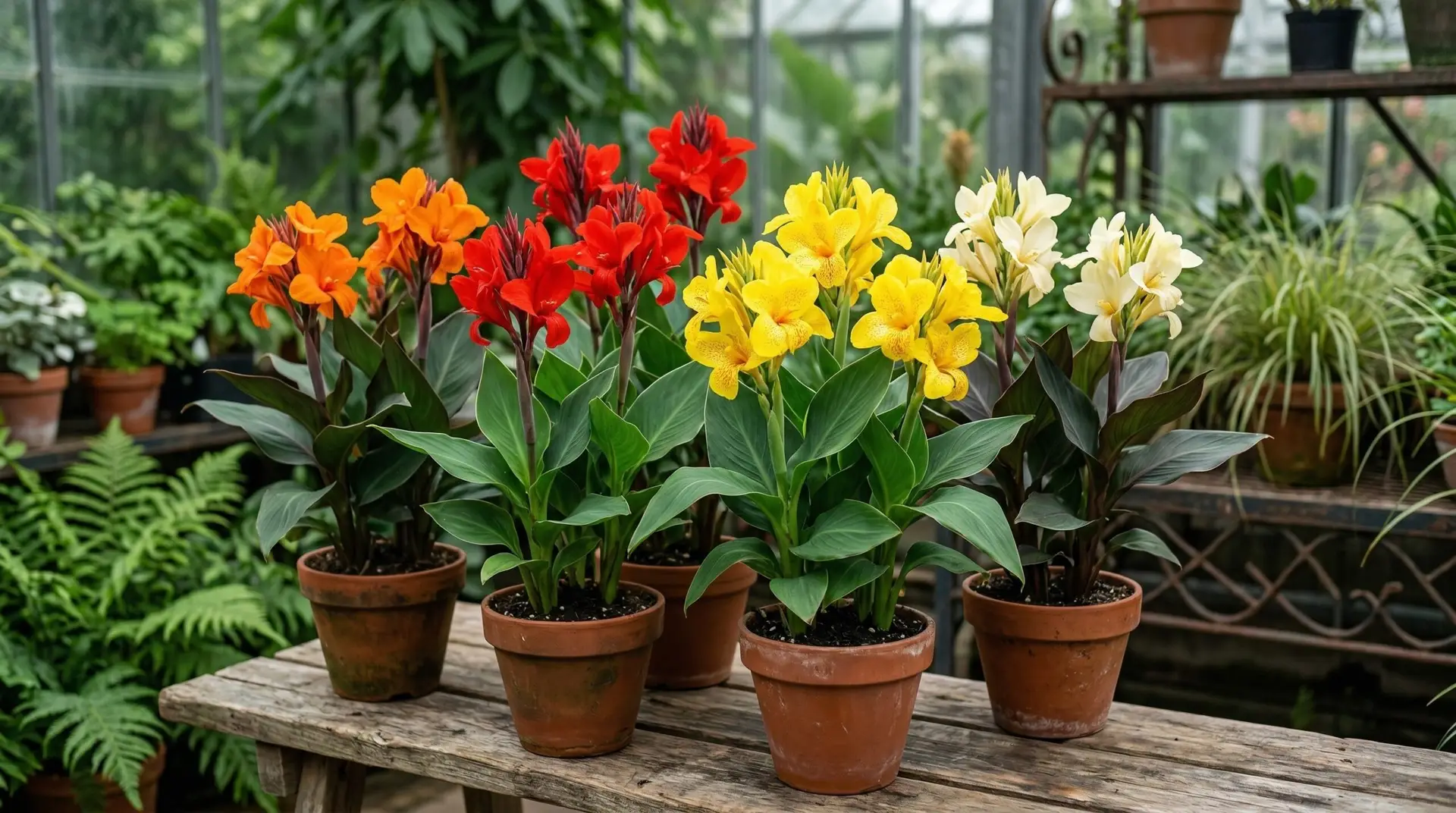
Traditional cannas often reach six to eight feet, dominating the garden and requiring heavy staking to stay upright in the wind. This towering habit makes them difficult to integrate into typical suburban plots or courtyard gardens. Fortunately, breeders have directed their attention toward developing a short canna lily that provides the same tropical foliage without the overwhelming size. These small canna varieties stay firmly under three feet tall. By shrinking the internodes between the leaves, these plants maintain a dense, lush appearance that works perfectly at the front of a garden border. Choosing a dwarf canna requires looking past the generic rhizomes sold in big box stores and selecting specific, stabilized series that guarantee a compact habit.
Many older compact varieties suffer from poor vigor or carry canna viruses that stunt their growth and mottle their foliage. A careful gardener must discard these compromised plants and look toward modern breeding developments. The most significant improvement in recent years is the shift toward seed-grown dwarf cannas. Growing these plants from seed eliminates the viral load that plagues older rhizome-propagated lines. This propagation method results in clean, vigorous plants that begin flowering early in the summer and continue until frost. When evaluating these newer introductions, the focus should be on leaf proportion, flower durability, and reliable height control.
Contents 4 sections
The reliable performance of the Cannova series
The Cannova series is a distinct improvement in the breeding of small canna varieties. Developed in the Netherlands, these plants were specifically bred to perform well in cooler summer climates while maintaining their strict height limit of thirty inches. Most traditional cannas need intense heat to initiate flowering, leaving northern gardeners waiting until late August for blooms. Cannova plants break this rule by blooming much earlier in the season and continuing to produce new flower spikes even when night temperatures drop. The series includes several excellent colors, but the bronze-leafed varieties offer the most value for container design. The dark foliage creates a strong visual anchor that allows you to build mixed plantings around them.
Within the Cannova lineup, ‘Cannova Bronze Scarlet’ is a particularly strong performer that earns a place in any small garden. The dark, chocolate-tinted leaves provide constant structural interest even before the bright red flowers emerge. It creates a bold focal point in a large patio container, requiring very little maintenance throughout the season. You can surround its base with trailing plants or low mounds of lantana to create a continuous display of color that thrives in full sun. This specific combination handles high heat and humidity without dropping leaves or needing constant deadheading. The Cannova series consistently outperforms older dwarf types by producing multiple shoots from the base, ensuring the plant looks full and balanced rather than thin and leggy.
Exceptional color in the South Pacific collection
While the Cannova series excels in cooler conditions, the South Pacific series is the superior choice for gardens that experience intense, relentless summer heat. ‘South Pacific Scarlet’ earned an All-America Selections award for its ability to produce an abundance of flowers on a very compact frame. These plants rarely exceed thirty-two inches in height and possess an incredibly sturdy constitution. The flower petals of the South Pacific varieties are slightly thicker than average. This extra thickness prevents them from melting or crisping during dry, windy afternoons. Their durability makes them highly useful for front-of-border planting where damaged flowers would be immediately noticeable.
The color range in the South Pacific series is tight but highly effective. The breeders selected warm, saturated tones that glow in the afternoon sun. ‘South Pacific Orange’ produces flowers in a clear, bright tangerine shade that avoids the muddy undertones found in older orange cannas. Because these plants stay relatively short, you can easily pair them with mid-sized perennials in a mixed border. They look exceptionally good planted alongside a dark-leaved dahlia, creating a rich contrast of textures and flower shapes. The vigorous root system of the South Pacific series quickly fills available space, making it an excellent choice for gardeners who want immediate impact from a spring planting.
Distinctive patterns in heirloom selections
Most modern dwarf canna breeding focuses on solid colors, but there is still room in a carefully planned garden for varieties with distinctive markings. ‘Picasso’ is an older short canna lily that remains highly relevant because of its unique floral pattern. The flowers are a bright, clear yellow heavily speckled with deep red spots, resembling a leopard print. While it is propagated by rhizomes rather than seed, ‘Picasso’ maintains good vigor and generally resists the viral issues that ruin other heirlooms. It typically tops out around thirty-six inches, placing it at the very upper limit of the dwarf category.
Using a patterned flower like ‘Picasso’ requires a slightly different design approach than using solid colors. Because the blooms are visually busy, this variety looks best when surrounded by calm, solid green foliage or paired with flowers that pick up one of its specific colors. Placing it next to a solid red or solid yellow companion plant helps integrate the spots into the broader garden design. It performs beautifully in large terracotta pots where its unique flowers can be observed up close. You should avoid planting ‘Picasso’ near other heavily patterned or variegated plants, as the resulting combination often looks chaotic rather than intentional.
The definitive choice for small spaces
Choosing the right small canna varieties ultimately depends on your specific climate and design goals, but one option consistently stands above the rest. The ‘Cannova Bronze Scarlet’ offers the most complete package for both container gardening and front-of-border planting. The combination of early blooming, cool-weather tolerance, and striking dark foliage makes it useful for a much longer period than a standard green-leafed canna. Even if the plant never produced a single flower, the structural architecture of the bronze leaves would justify its placement in a small garden. By selecting this specific variety, you gain a reliable, disease-free plant that delivers tropical scale and texture without outgrowing its boundaries.
More About Canna Lily
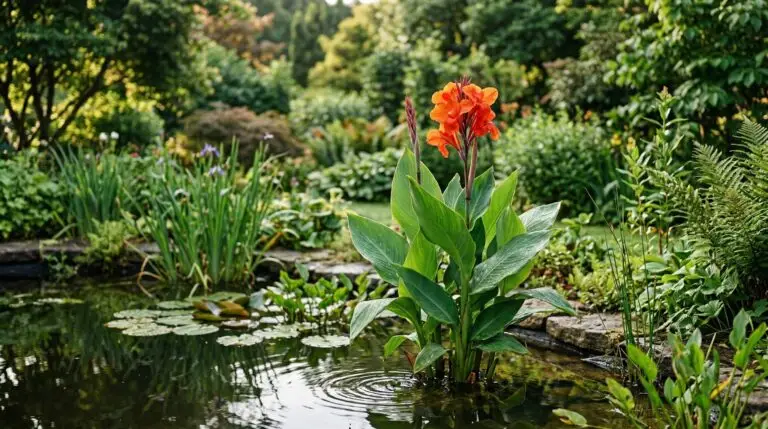
Growing cannas in water gardens and bog conditions for a lush waterside display
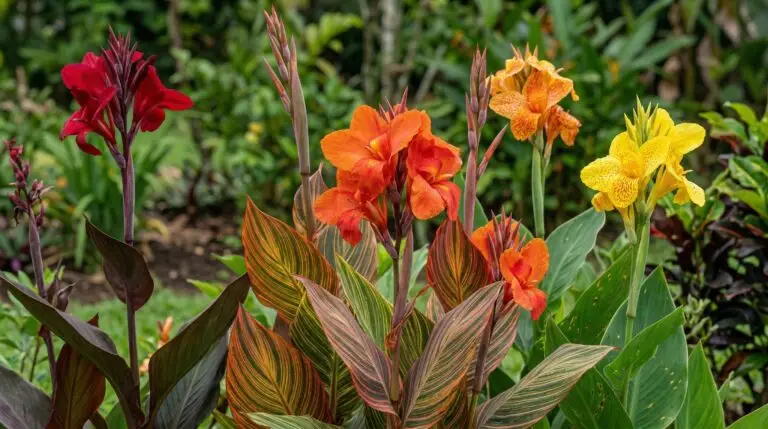
Best canna lily varieties for stunning foliage including dark-leaved and striped types
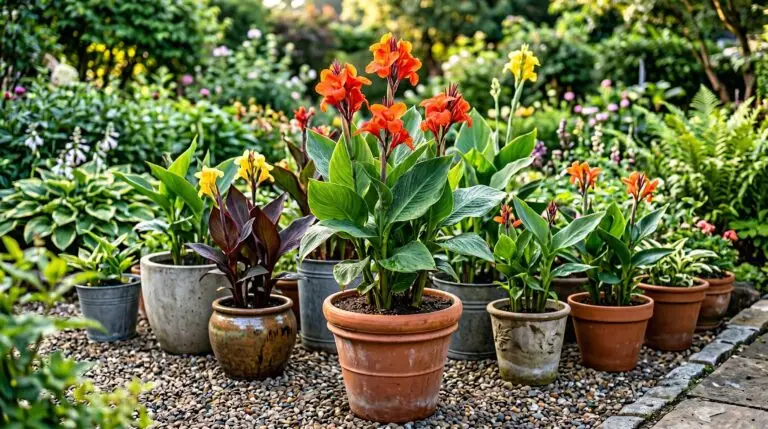
Growing cannas in containers for instant tropical impact on decks and patios
How to overwinter canna lily bulbs in cold climates and replant them in spring
Canna lily flower meaning and its tropical symbolism of beauty and confidence

How to create a tropical garden look with cannas as the dramatic centerpiece
Canna and dahlia combinations for a bold late-summer garden border
How to divide canna rhizomes in spring for more plants and bigger clumps
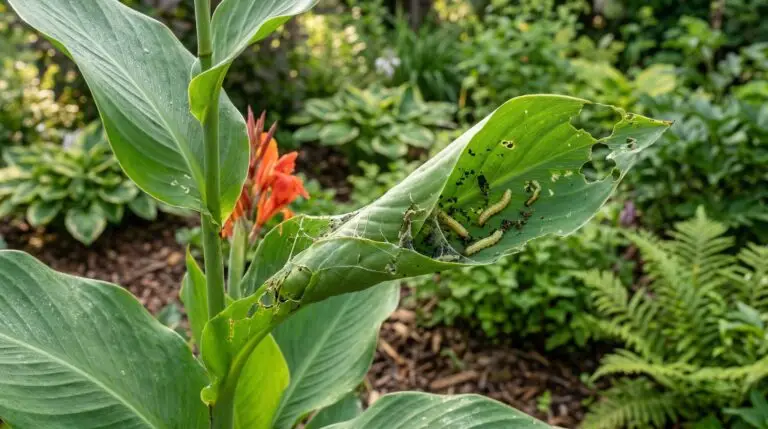
Canna lily problems including canna leaf roller and how to keep leaves pristine
Enjoying our flower guides? Add YourFlowersGuide as a preferred source on Google. It helps more readers find us.
Add to Preferred Sources