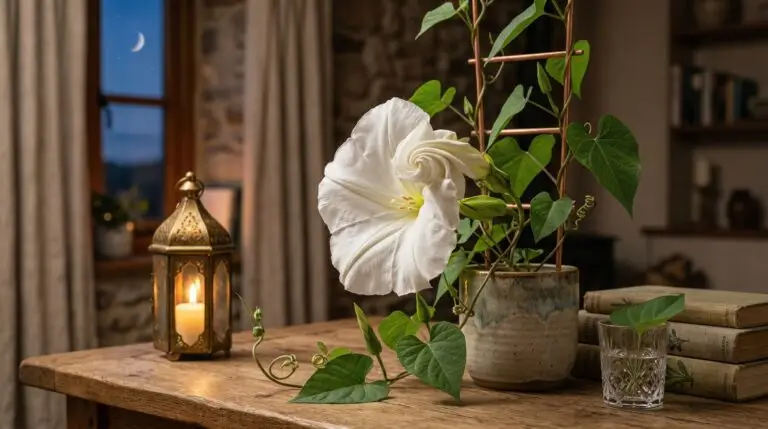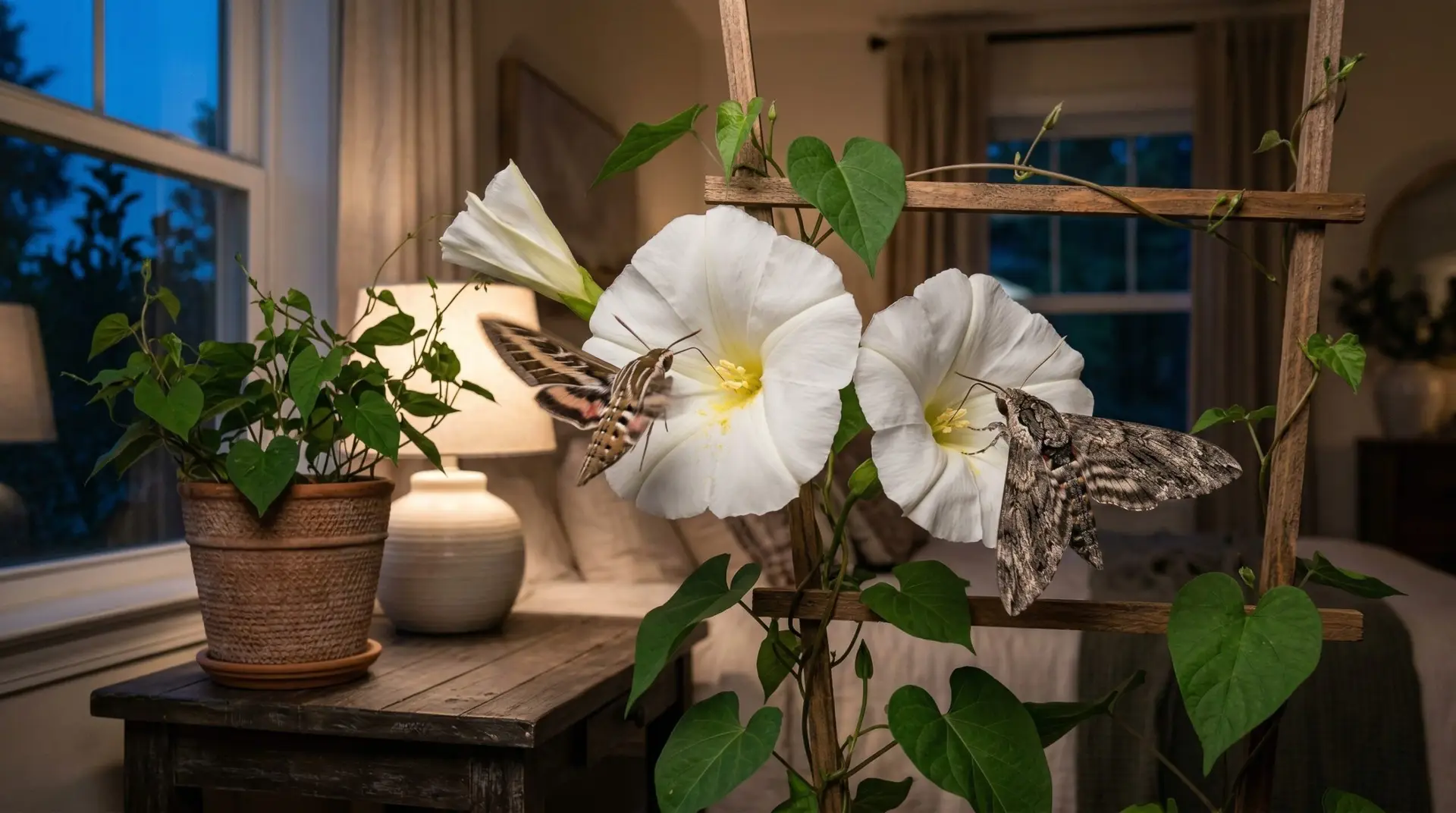
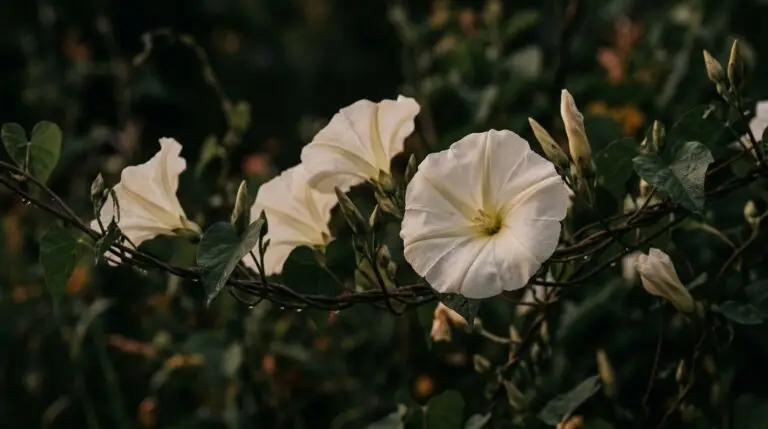
The August heat begins to release its grip just as the shadows lengthen across the porch. I sit in the fading light and watch the thick, twisted bud of the moonflower vine. For hours it has hung there, a tightly furled umbrella of pale green and white, waiting for the precise drop in temperature that signals dusk. Then, with a suddenness that always catches me off guard, the pleats loosen and the wide, flat face of the blossom spirals open. The release of scent is immediate, a heavy, sweet perfume that spills into the humid air. It is a quiet spectacle, one that demands stillness and patience from anyone who wishes to witness it.
Barely ten minutes pass before the first visitor arrives. A shadow detaches itself from the deeper darkness of the treeline and moves with erratic speed toward the luminous white disk. It is a white-lined sphinx moth, heavy-bodied and built like a fighter jet, hovering just inches from the open flower. The wings beat so fast they blur into a gray hum, creating a soft vibration I can almost feel in my chest. This is the creature the moonflower has been waiting for, the specific partner for which it evolved its deep floral tube and nocturnal habits. The plant and the insect are locked in an ancient rhythm, a silent agreement negotiated in the dark.
Signals in the dark
Most of the garden shuts down when the sun sets. The daylilies close their petals, the bees retreat to their hives, and the bright colors of the zinnias disappear into the gloom. But a moonflower operates on a different schedule, turning the absence of light into an evolutionary advantage. Because color is useless in the dark, the blossom relies on a brilliant, reflective white surface that catches whatever ambient glow spills from the moon or the stars. Scent becomes the primary language, broadcasting a chemical invitation across the yard to attract moonflower pollinators from miles away. The fragrance acts as an invisible pathway through the air, drawing the moths directly to the source of nectar hidden deep within the throat of the flower.
The architecture of the moonflower is highly specific, designed to exclude casual visitors and reward only the specialized few. The nectar sits at the very bottom of a long, narrow tube, inaccessible to beetles or short-tongued moths. A hawk moth solves this problem by unrolling a proboscis that can be as long as its entire body. As the moth hovers, it threads this delicate straw down the center of the blossom, sipping the high-energy sugar water required to fuel its demanding flight. In exchange for the meal, the moth brushes against the pollen-laden anthers, dusting its face and body with genetic material before darting off to the next open bloom. It is a perfect exchange, refined over millennia, happening quietly while most of the human world sleeps.
The mechanics of twilight pollination
Growing a plant specifically for night-flying insects changes the way you interact with your garden. You stop measuring success entirely by what you see in the bright light of noon and begin to appreciate the unseen shifts in the local ecosystem. I learned early on that cultivating moonflower moths requires a deliberate stepping back, a refusal to intervene with chemical sprays at the first sign of a chewed leaf. The caterpillars of the sphinx moth, often called hornworms, are voracious eaters that can strip a stem bare in a matter of days. Allowing them to feed feels like a small sacrifice of aesthetic perfection, but without the caterpillar, there is no moth to dance in the evening air. Gardening for pollinators means accepting the whole life cycle, damaged leaves and all.
A single moonflower vine is enough to draw a passing moth, but planting a dedicated night garden creates a true sanctuary for these creatures. I like to layer different nocturnal bloomers to provide a steady supply of nectar from dusk until dawn. A trellis woven with sweetly fragrant jasmine offers hundreds of small, star-shaped blossoms that open in the evening, filling the lower tiers of the garden with scent. Nearby, the thick, waxy clusters of flowering stephanotis provide a similar nighttime allure with their deeply perfumed, tubular blooms. These white-flowered companions share the same ecological strategy, relying on pale petals and heavy fragrance to guide the hawk moths through the dark. Together, they form a reliable feeding ground, a glowing waystation for insects navigating the night.
A different kind of attention
The act of tending these night-blooming plants requires a quiet shift in my own habits. I find myself watering the pots late in the day, checking the soil moisture just as the shadows begin to stretch. Thinning the seedlings in early spring always feels like a small act of cruelty, but crowded plants compete for light and water until none of them thrives. I select the strongest vines, guiding their tender green shoots up the strings on the porch, knowing that the real reward will not come until the heat of late summer. The anticipation builds slowly, measured in the gradual thickening of the buds and the slow climb of the foliage toward the roofline. When the first blossom finally opens, the months of waiting resolve into a single, perfect moment of connection between the plant, the moth, and the observer.
Watching the hawk moths visit the moonflowers reminds me of how much of the living world operates just beyond the edges of our perception. We tend to think of nature as something that happens during the day, under the bright sun, where we can easily catalog and control it. But there is an entire shift of workers that clocks in at twilight, navigating by starlight and the subtle currents of scent. The moonflower does not bloom for us, and the moth does not fly for our entertainment. They exist for each other, bound by a shared ecology that predates our gardens and will outlast them. Sitting on the porch in the dark, listening to the soft whir of wings, I am grateful simply to be a witness to the exchange.
More About Moonflower
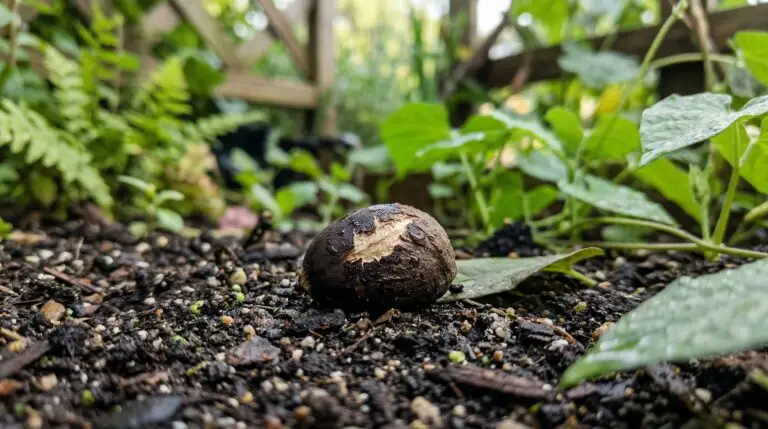
Growing moonflowers from seed and the nick-and-soak method for stubborn hard seeds
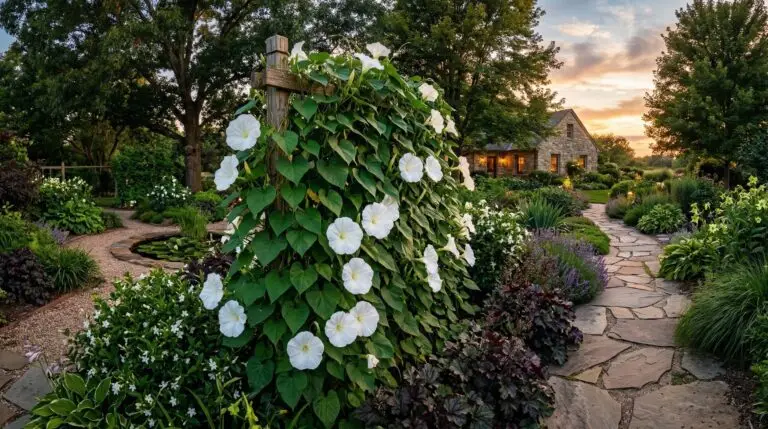
Creating a moonlight garden with moonflowers and other white flowers that glow after dark
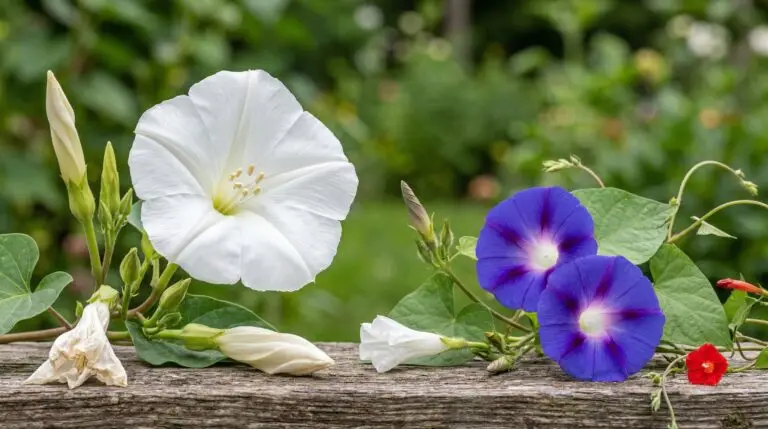
Moonflowers versus morning glories and growing both for day and night garden beauty
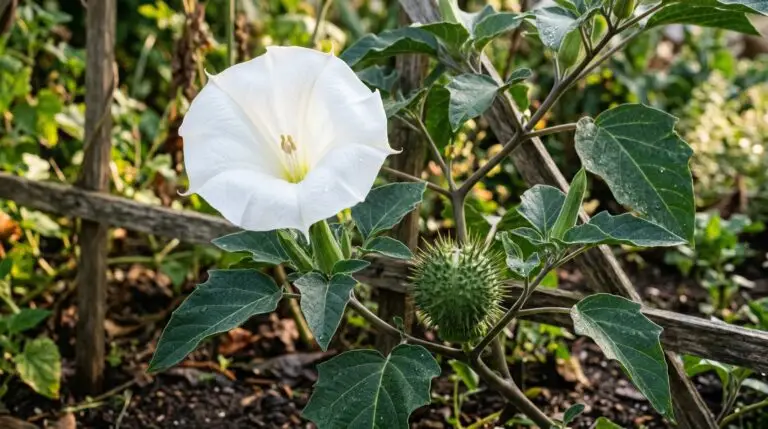
Why moonflowers are toxic and the important safety warnings for gardens with children and pets
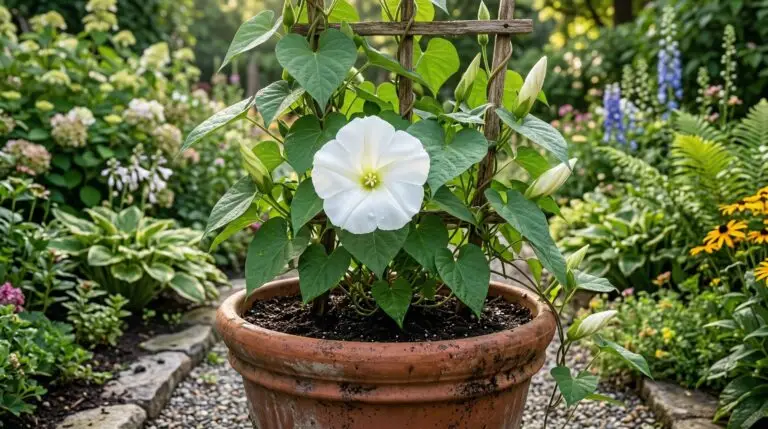
Moonflowers in containers for apartment balconies and small space evening gardens
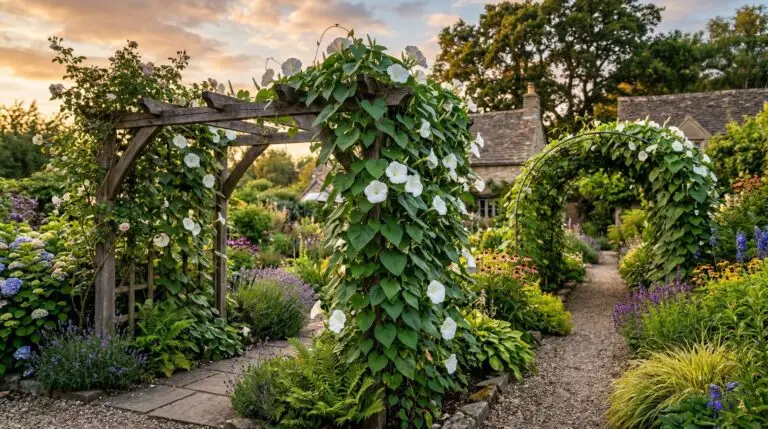
Training moonflower vines on arbors and trellises for a dramatic nighttime garden feature
How to grow moonflowers for enormous white blooms that open at dusk and glow in moonlight
Moonflower flower meaning and the romance of night-blooming flowers in garden lore