Selecting asters for the autumn border
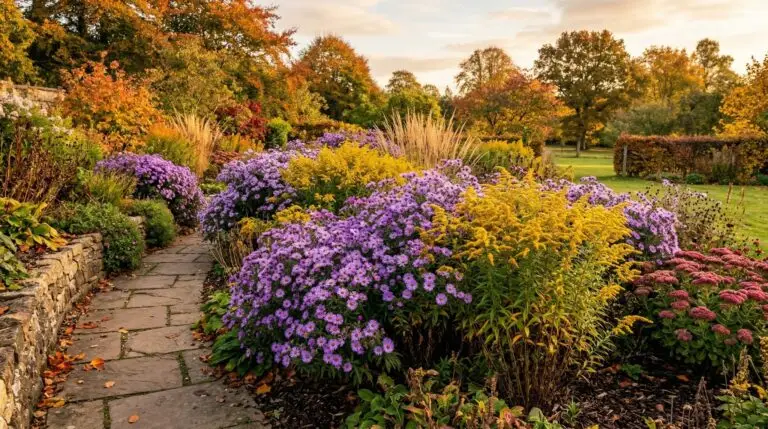
When the garden begins to fade in late September, most gardeners instinctively reach for familiar autumn staples. The garden centers fill with potted options that provide an immediate burst of color before turning brown a week later. A more thoughtful approach to late-season color requires looking past the disposable seasonal offerings and planting perennials that actually thrive in the cooling temperatures of October. The aster is the definitive flower for this specific window of time. Rather than attempting to catalog the hundreds of available species, I have selected three specific groups of aster varieties that consistently deliver strong color, reliable growth habits, and true frost resistance.
My criteria for selecting these specific fall asters rely on three practical factors. First, the plant must possess a sturdy structure that does not require elaborate staking to remain upright after heavy autumn rains. Second, the foliage must demonstrate strong resistance to powdery mildew, a common affliction that ruins the appearance of many older aster varieties just as they begin to bloom. Finally, the bloom time must genuinely extend late into the season, providing pollen for late-foraging insects and visual interest when other plants have entered dormancy. Many popular catalogs still push outdated cultivars that fail on one or more of these fronts, so careful selection is necessary to achieve the best results.
The reliable structure of New England asters
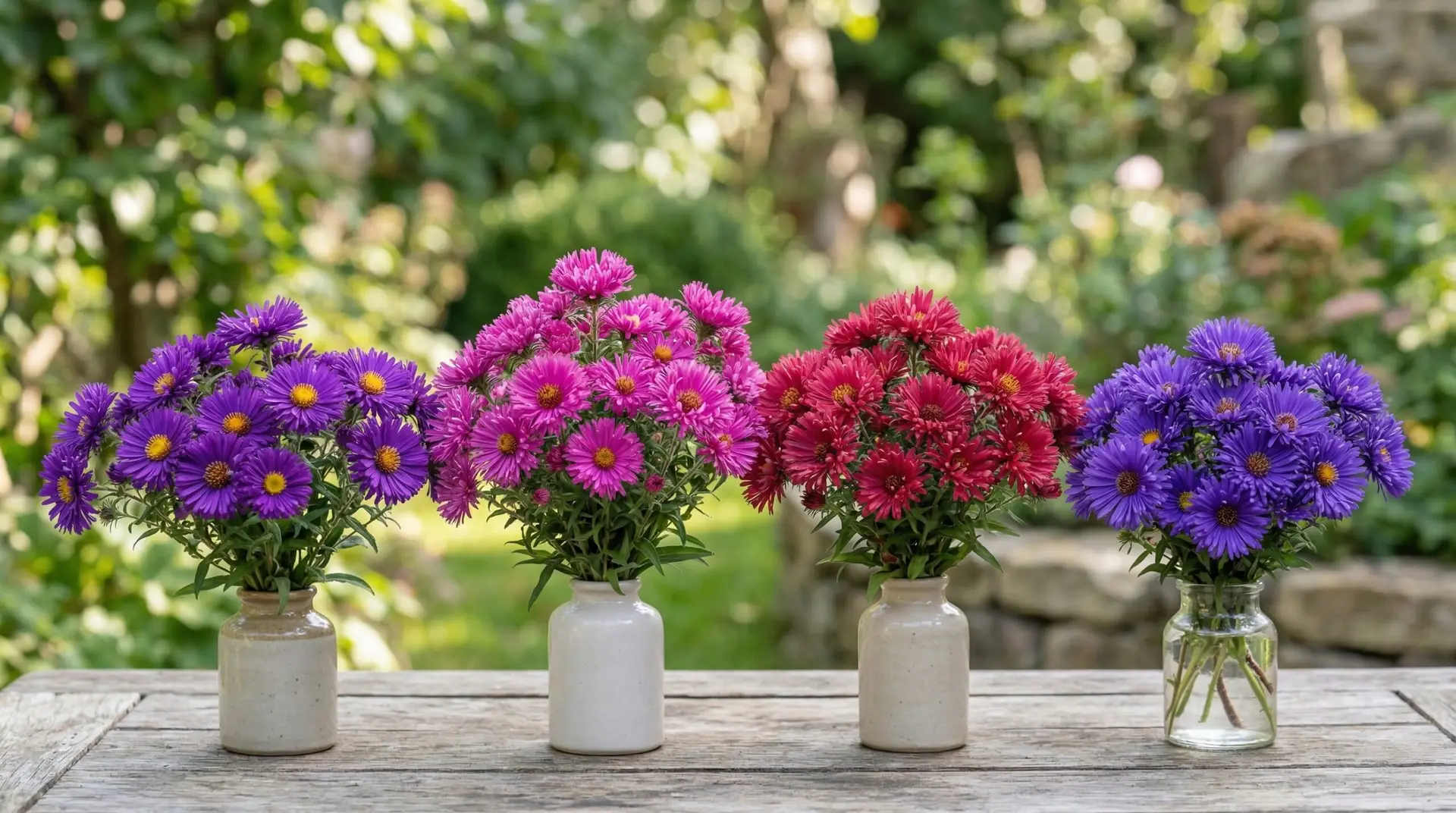
New England asters represent the tall, architectural backbone of the late garden. These native plants typically reach heights of four to six feet, making them ideal candidates for the back of a mixed border where their lower stems can be masked by mid-height companions. While many guides suggest planting any available New England type, I specifically recommend the cultivar ‘Purple Dome’ for its unusually compact habit and dense floral display. Unlike its towering cousins, ‘Purple Dome’ stays under two feet tall and forms a solid mound of deep violet flowers that completely obscure the foliage. This variety solves the traditional problem of bare, woody lower stems that plague the taller members of this species.
For those who specifically want height in their garden, the cultivar ‘Alma Potschke’ remains unmatched in the New England category. It produces an incredibly saturated, warm rose-pink flower that stands out sharply against the fading yellows and browns of the autumn plantings. The stems are thick and rigid, rarely requiring the twine and bamboo stakes that other tall perennials demand by late summer. I frequently pair this tall pink aster with goldenrod to create a classic, high-contrast autumn display that relies entirely on native North American genetics. You will often see ‘Harrington’s Pink’ recommended in older garden books, but ‘Alma Potschke’ offers a much stronger color and superior resistance to foliar diseases.
The dense color of New York asters
New York asters, sometimes sold under the name Michaelmas daisies, offer a completely different visual texture for the garden. Where New England types have hairy leaves and a stiff posture, New York asters feature smooth foliage and a more branching, floriferous habit that creates sweeping clouds of color. They generally occupy the middle of the border, growing two to three feet tall and spreading gently outward as they mature. The sheer volume of flowers produced by a healthy New York aster is difficult to comprehend until you see a mature specimen in full bloom. Because they bloom so profusely, they are excellent companions for the heavy, rounded forms of a late-season chrysanthemum planting.
Within the New York group, the cultivar ‘Marie Ballard’ stands out as a genuinely reliable selection. It produces fully double, pale blue flowers that look almost like miniature dahlias from a distance. The double flower form means the blooms last significantly longer on the plant than single-flowered varieties, holding their shape well through light morning frosts. Another excellent choice in this category is ‘Crimson Brocade’, which offers a rich, semi-double red flower with a bright yellow center. Many nurseries sell generic, unnamed New York asters in their autumn displays, but investing in named cultivars like ‘Marie Ballard’ ensures you get predictable height and verified disease resistance.
The refined habit of the Wood’s series
The Wood’s series of asters deserves special attention from anyone struggling with limited space or persistent powdery mildew issues. Bred specifically to combat the fungal diseases that disfigure traditional asters in humid climates, this group of plants maintains pristine, dark green foliage from spring right through to the first hard freeze. They are extremely compact, rarely exceeding fifteen inches in height, which makes them perfect for edging a pathway or filling the front row of a perennial bed. The series includes ‘Wood’s Purple’, ‘Wood’s Light Blue’, and ‘Wood’s Pink’, all of which share the same tidy, mounding growth habit. I find that planting these in drifts of three or five plants creates a solid ribbon of color that defines the edge of a garden space beautifully.
The uniformity of the Wood’s series makes it a highly useful tool for garden design. Because the three color variations grow to the exact same height and bloom at the exact same time, you can mix them to create a patterned border without worrying about one variety outcompeting the others. ‘Wood’s Light Blue’ is particularly useful, as true blue is a difficult color to find in the autumn garden. The clear, icy blue flowers provide a necessary visual relief from the heavy oranges, reds, and yellows that typically dominate the October garden. While they lack the imposing height of the New England types, their reliability and clean foliage make them an indispensable addition to any fall garden.
The defining choice for the late garden
After evaluating dozens of aster varieties over many seasons, one specific plant emerges as the absolute best choice for the average garden. ‘Raydon’s Favorite’, an aromatic aster native to the eastern United States, outperforms both the New England and New York types in almost every practical measure. It grows to a manageable three feet tall and wide, forming a perfect, dense dome of fine-textured foliage. In late September, it covers itself completely in medium-blue flowers with bright yellow centers, and it continues to bloom heavily long after the first frosts have ruined the rest of the garden. The foliage releases a distinct, minty fragrance when brushed, which seems to deter deer and rabbits entirely.
What elevates ‘Raydon’s Favorite’ above the other selections is its sheer adaptability to difficult conditions. While most asters require consistent moisture to prevent their lower leaves from drying out and dropping, this variety thrives in dry, rocky soils and handles periods of drought with ease. It never requires staking, it never succumbs to mildew, and it provides an astonishing volume of late-season nectar for migrating insects. If you have space for only one aster in your garden, ‘Raydon’s Favorite’ will deliver the most reliable, longest-lasting display of autumn color available. It embodies exactly what a late-season perennial should be, requiring minimal intervention while delivering maximum visual impact just as the gardening year comes to a close.
More About Aster
Aster flower meaning and the September birth flower connection
Why your asters keep getting powdery mildew and how to prevent it for good
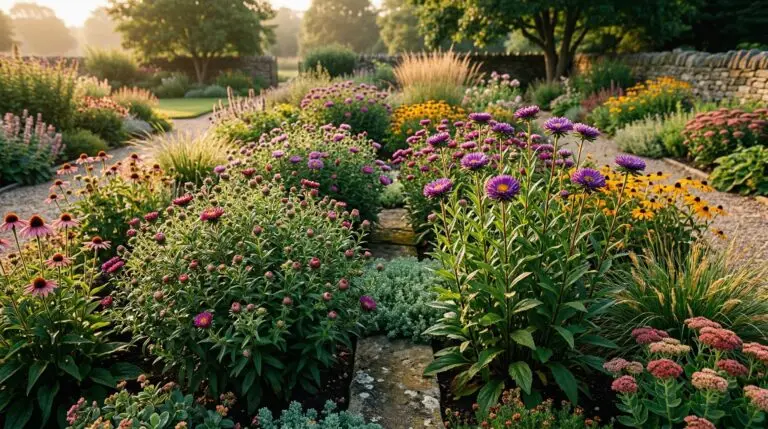
Pinching asters in spring for bushier plants and more abundant fall flowers
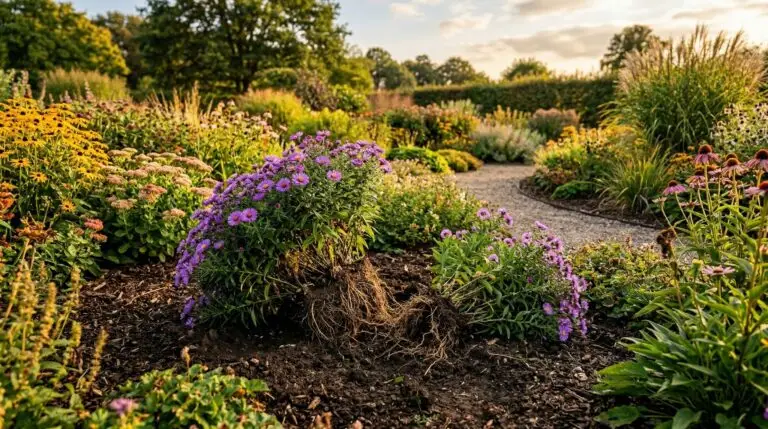
How to divide and rejuvenate aster clumps for stronger blooms every fall
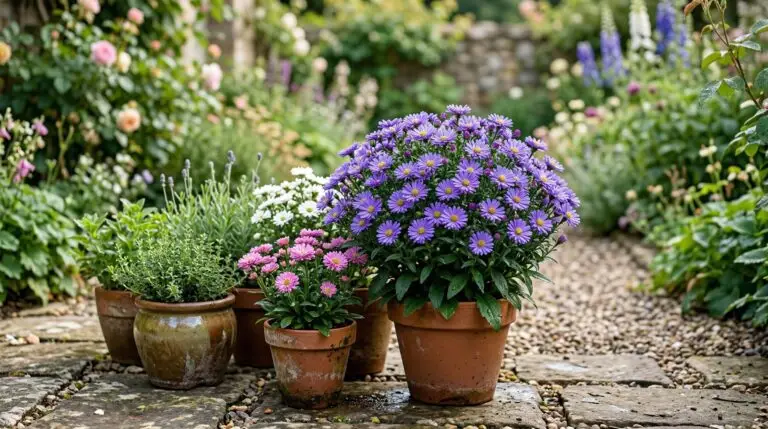
Growing asters in containers for fall color on porches and patios
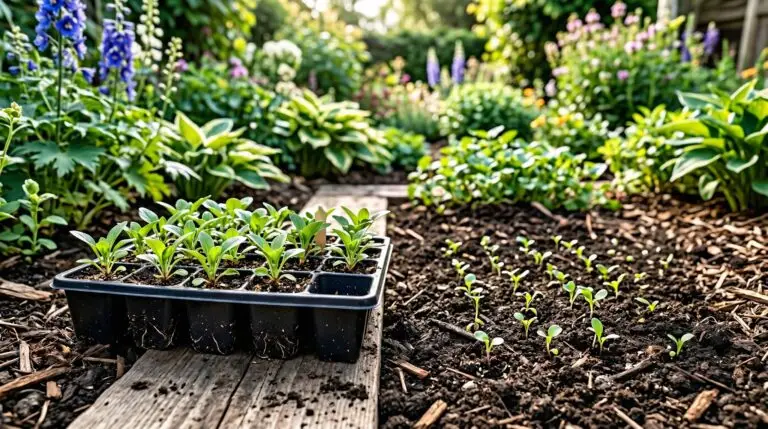
How to grow asters from seed for a wildflower meadow look on a budget
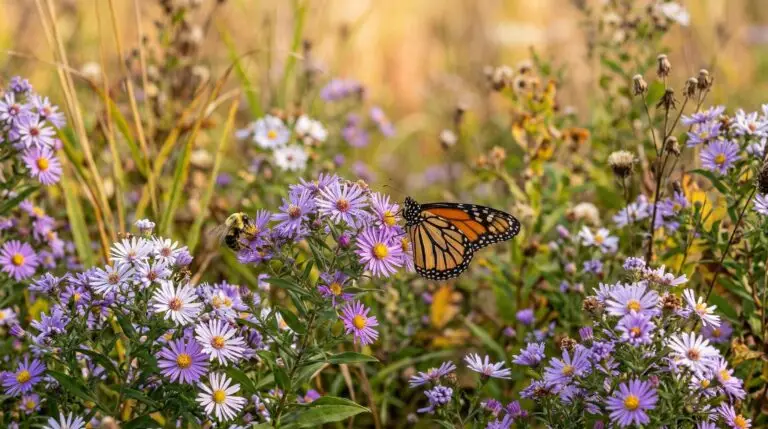
Asters for pollinators and why they are one of the most important late-season flowers
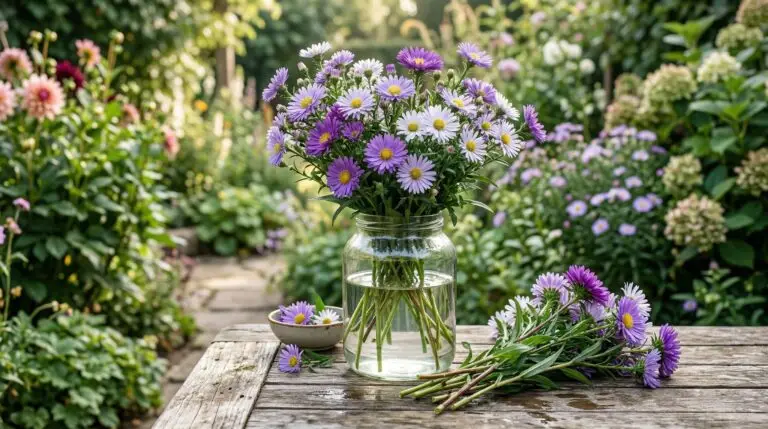
Using asters as cut flowers for fall bouquets and Thanksgiving arrangements