
Pinching asters between late spring and mid-summer is the single difference between a sparse, leggy stalk that collapses under its own weight and a dense, sturdy mound covered in hundreds of blooms. When you remove the growing tip of an aster, you force the plant to redirect its energy from vertical growth into lateral branching. Each severed stem produces two or more new shoots in its place. This exponential multiplication creates a broader structural base and dramatically increases the final flower count. The stems themselves grow thicker and more rigid in response to the cuts. You are trading a few inches of early height for a massive return on autumn color. The process requires only a sharp pair of bypass pruners or clean fingernails and a willingness to cut away perfectly healthy green growth.
Contents 4 sections
Timing the first and subsequent pinches
Wait until your asters reach six to eight inches tall in the spring before making your first cut. Grasp the top one to two inches of the central stem and snip cleanly just above a set of leaves. This specific location is a node, and the dormant buds resting in the leaf axils will break dormancy within a week of the cut. If you cut blindly between nodes, you leave a bare stub of stem that will simply die back and invite fungal diseases to enter the plant. Always wipe your pruners with rubbing alcohol before moving between different plants to prevent the spread of aster yellows or powdery mildew. The first pinch establishes the primary branching structure of the plant for the entire season. Gardeners in warmer climates often see their plants reach this initial height by early May, while northern growers might wait until early June.
You can repeat this process every two to three weeks as the new lateral branches grow another six inches. The traditional rule is to stop all pinching by the Fourth of July in northern zones and mid-July in southern zones. Asters are photoperiodic, meaning their bloom cycle is triggered by the shortening days of late summer. Continuing to cut past this mid-summer window removes the developing flower buds before they become visible, delaying the autumn bloom entirely or preventing it altogether. A plant pinched three times will bloom about two weeks later than an unpinched plant, but it will carry three to four times as many flowers. If you live in an area with very early autumn frosts, limit yourself to a single pinch in late May. This ensures the plant has enough time to set buds and finish flowering before the killing cold arrives.
The mechanics of lateral branching
The science behind this technique relies on manipulating the plant’s natural hormones. The terminal bud at the top of every stem produces auxins, which suppress the growth of lower lateral buds. Removing that top bud eliminates the auxin supply, giving the lower buds permission to grow outward and upward. The new branches emerge at sharp angles, creating a dense interlocking framework of stems. This same hormonal response dictates the care of many autumn-blooming perennials, much like the routine pinching required to build dense canopies on traditional garden chrysanthemums. By repeatedly breaking the apical dominance, you control the final architecture of the plant. The aster becomes a structural dome rather than a top-heavy weed.
Despite what many beginner gardeners fear, cutting off the top of a rapidly growing perennial does not weaken it or sacrifice the season’s display. The opposite is true. Unpinched asters naturally grow tall and thin, putting all their energy into a few terminal flowers at the very top of the stems. When late summer rains and winds arrive, these top-heavy stems inevitably split from the crown, splaying open from the center and falling flat on the ground. A pinched aster develops a thick, woody base and a low center of gravity that easily withstands severe autumn weather. You are building a self-supporting skeleton that will hold up the heavy weight of the September blooms. The inner stems act as a scaffold for the outer stems, eliminating the need for unsightly stakes or cages.
Customizing the technique by variety
Different species of asters require slightly different approaches to spring pruning. New England asters can easily reach five or six feet tall and benefit from aggressive, repeated pinching to keep their height manageable. You can safely remove up to a third of the total plant height during a late June pinch if the spring growth got away from you. New York asters generally stay under three feet tall and require a lighter touch, usually just one or two shallow pinches. Dwarf varieties naturally maintain a compact shape and often need only a single tip-pruning in May to encourage maximum flower production. Treating every aster exactly the same way ignores the genetic differences in their growth habits. You must observe the natural vigor of the specific plant in front of you and adjust your cuts accordingly.
Some gardeners prefer a staggered approach to pinching to extend the overall bloom season. Instead of cutting the entire plant back at once, you cut the front stems by half, the middle stems by a third, and leave the back stems unpinched. This creates a sloped, tiered effect where the back blooms first, followed by the middle, and finally the front over a period of several weeks. This method works exceptionally well in mixed borders where you want continuous color rather than a single massive flush that fades all at once. Managing plant height through staggered cutting is a common structural technique in the garden, similar to the staking and pinching routines used to manage large dinnerplate and border dahlias. The staggered cuts also allow the shorter front stems to physically prop up the taller back stems, creating a solid wall of foliage and flowers.
Post-pinch care and recovery
Every time you remove foliage, the plant requires water and nutrients to fuel the replacement growth. Apply a balanced liquid fertilizer, such as a 10-10-10 formula mixed at half strength, immediately after your first spring pinch. Water the root zone deeply to ensure the nutrients reach the feeder roots and help push the new lateral shoots. Apply a thin layer of compost around the base to retain soil moisture, keeping it an inch away from the stems to prevent rot. Do not apply high-nitrogen lawn fertilizers, which will cause weak, spindly growth that defeats the entire purpose of pinching. The new stems need to be strong and rigid, requiring adequate phosphorus and potassium to build sturdy cell walls. Keep the soil consistently moist but never waterlogged during the two weeks following a hard cutback.
Cease all fertilizer applications by late July when the plant shifts its energy from vegetative growth to bud production. Feeding too late in the season encourages soft green growth at the exact moment the plant should be hardening off and preparing to flower. The work you do with your pruners in May and June dictates the shape of your autumn garden. A tight, disciplined pruning schedule early in the season guarantees you will not spend September trying to tie up broken, sprawling stems with twine. This strong basal structure will even hold its shape through the first winter snows, providing interest long after the flowers fade. The true shape of a fall aster is decided in the spring.
More About Aster

Aster flower meaning and the September birth flower connection
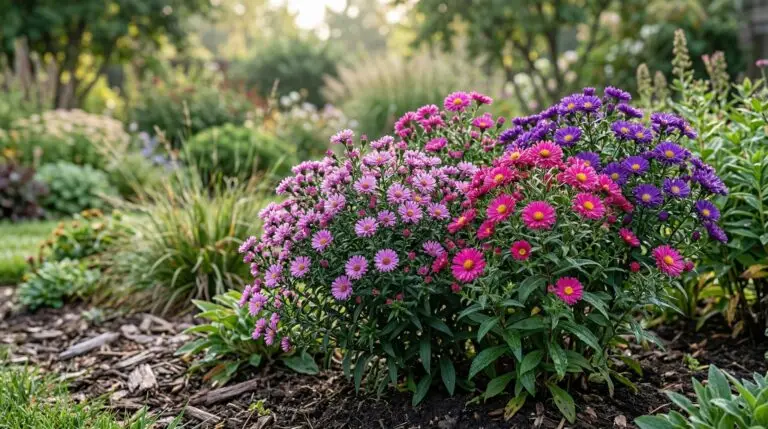
Why your asters keep getting powdery mildew and how to prevent it for good

How to divide and rejuvenate aster clumps for stronger blooms every fall

Best aster varieties for a colorful fall garden that blooms into frost
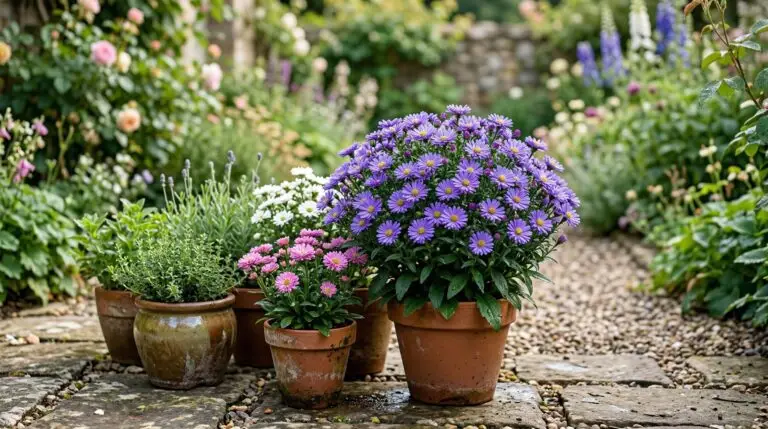
Growing asters in containers for fall color on porches and patios
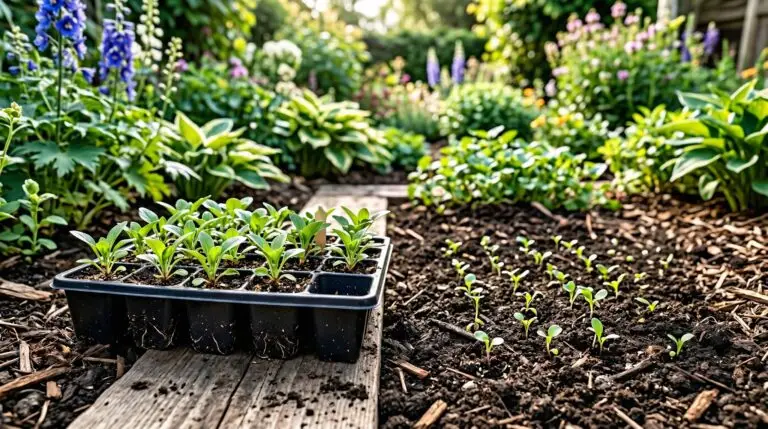
How to grow asters from seed for a wildflower meadow look on a budget

Asters for pollinators and why they are one of the most important late-season flowers

Using asters as cut flowers for fall bouquets and Thanksgiving arrangements

Companion plants for asters: what to grow and what to avoid
Enjoying our flower guides? Add YourFlowersGuide as a preferred source on Google. It helps more readers find us.
Add to Preferred Sources