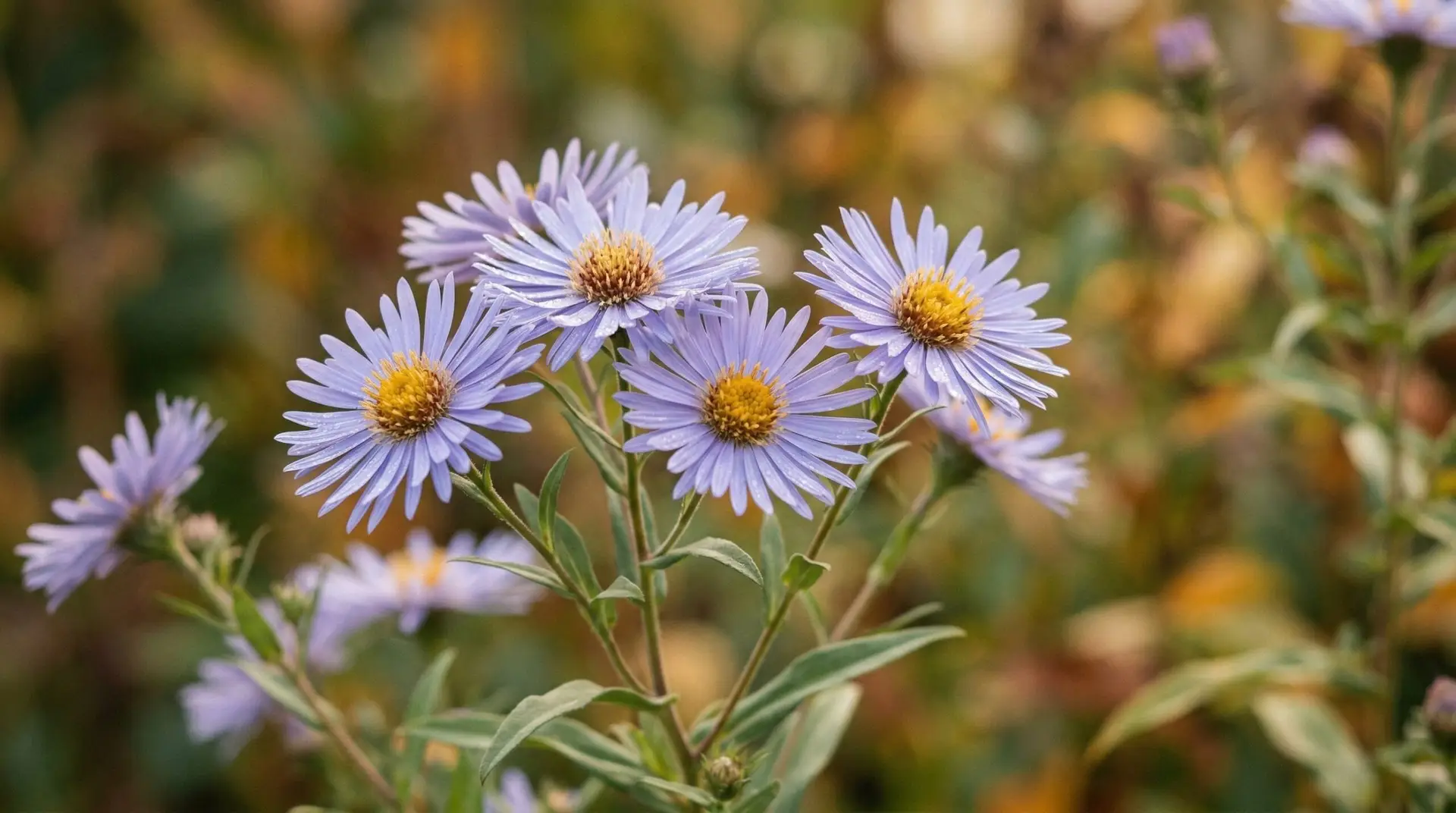
According to Greek mythology, the goddess Astraea once looked down from the heavens and wept because the earth was entirely dark. There were no stars illuminating the ground, only a vast and empty blackness. Her tears fell from the sky and soaked into the soil below. Where those divine tears landed, small, star-shaped flowers pushed through the dirt and bloomed. This is the origin of the aster, a flower whose very name comes directly from the ancient Greek word for star. When you look at the bright yellow center surrounded by thin, radiating petals, the celestial connection is immediate. The original aster meaning grew from this story of a goddess grieving for a dark world and leaving behind a constellation of blooms to light the ground. The myth perfectly captures the physical presence of a flower that brightens the darkest corners of the autumn garden.
Contents 5 sections
A lesson in waiting
Spring arrives with a rush of early blooms, but the aster remains quiet. Through the long, hot days of June and July, the plant simply builds its green structure. It waits while the roses and peonies command attention. This long period of vegetative growth earned the plant its association with patience in the aster flower language. A gardener watching these green mounds might wonder if they will ever bloom. Then, as the light shifts in late August and the air cools, the buds finally form. The aster symbolism of patience is a direct observation of how the plant lives through the seasons. It holds its energy in reserve until the garden needs it most.
The late arrival
By the time September arrives, the garden is usually tired. The early summer perennials have gone to seed, and the leaves are beginning to crisp at the edges. This is when the aster opens, stepping up as the recognized September birth flower. It shares this month with morning glories, though the two operate on completely different rhythms. While the climbing vines open with the dawn and close by noon, the aster stands steady throughout the shortening autumn days. It offers reliable color just when the earth seems ready to fade into brown and gray. For those born in September, the aster is a fitting emblem of arriving at exactly the right time to bring life to a quiet space.
From wild fields to garden borders
Long before they became refined garden staples, asters grew wild across the North American continent. Indigenous peoples recognized the utility and beauty of these late-season blooms, using various species in their daily lives. When European settlers arrived, they encountered fields awash in purple and white stars every autumn. They collected the seeds and sent them back across the Atlantic, where European botanists eagerly cultivated them. The wild American aster was soon bred into countless varieties, returning to American gardens decades later as a cultivated ornamental. This transatlantic exchange shaped the modern aster meaning, blending its wild, untamed origins with formal European garden traditions. The flower you plant today carries the memory of both the open prairie and the structured botanical garden.
Messages in the parlor
During the nineteenth century, people relied heavily on the language of flowers to communicate unspoken feelings. The aster carried specific weight in these botanical exchanges. If someone received a bouquet of purple and white asters, they understood the sender was acknowledging their elegance and refinement. The gift was a physical object, often wrapped in damp moss and tied with silk, handed from a messenger to the recipient. Giving an aster was a quiet compliment, a way to admire someone’s grace without being overly forward. The flowers would sit in a parlor vase, their star-like faces a constant reminder of the sender’s high regard. This historical aster flower language still influences how we view the plant today, elevating it from a simple roadside weed to a garden aristocrat.
Sapphires of the soil
The colors of the autumn garden lean heavily toward warm tones like gold, rust, and orange. The aster cuts through this warmth with sharp, clear shades of cool blue, violet, and indigo. This cool palette links the September birth flower directly to the month’s traditional birthstone, the sapphire. The deep blue asters mirror the faceted depths of the gem, creating a natural pairing between the earth’s minerals and its flora. Early American gardeners noticed this striking contrast and began planting asters specifically to cool down the fiery colors of the fall border. Before the heavy frosts arrive and the chrysanthemum takes over the late-season beds, the aster provides a necessary visual balance. The blue petals draw the eye and offer a moment of calm amid the bright decay of autumn.
The life cycle of the aster concludes as the first hard frosts coat the ground in white. The purple and blue petals finally shrivel, leaving behind small, fluffy seed heads that catch the low winter sunlight. Even in death, the plant resembles a pale, fading star. When you walk through your own garden in late autumn, you might notice these dried stems standing rigid against the cold wind. They are reminders of the patience required to tend a garden and the elegance of a flower that waits until the end of the year to speak. The story of the aster asks us to appreciate the late bloomers, the quiet presences that save their best for last. You cut the stems back to the soil, knowing the stars will return to the earth next September.
More About Aster
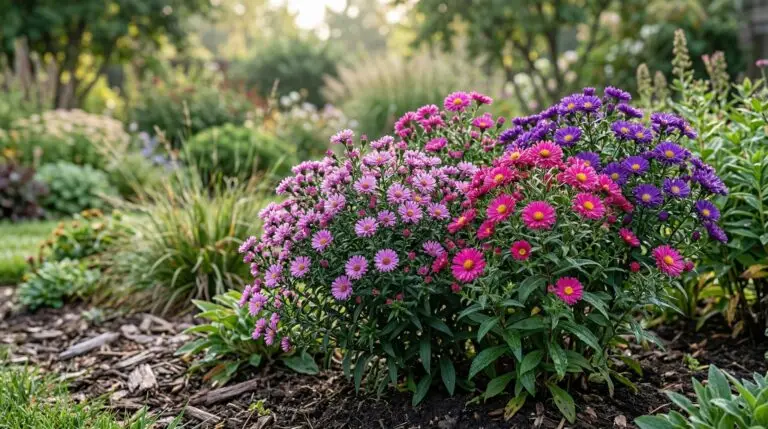
Why your asters keep getting powdery mildew and how to prevent it for good
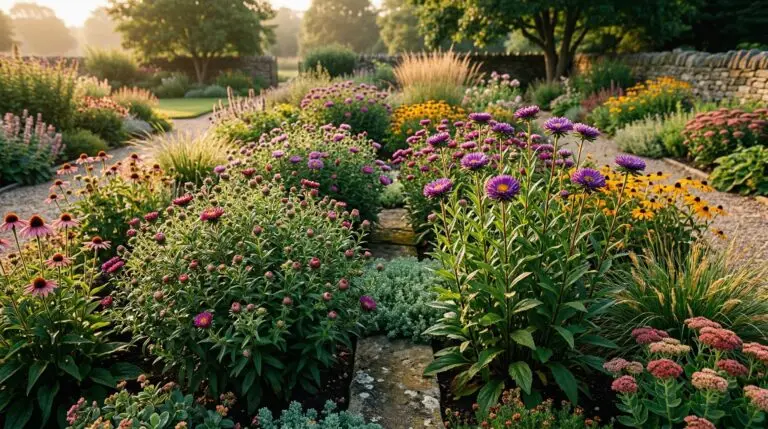
Pinching asters in spring for bushier plants and more abundant fall flowers
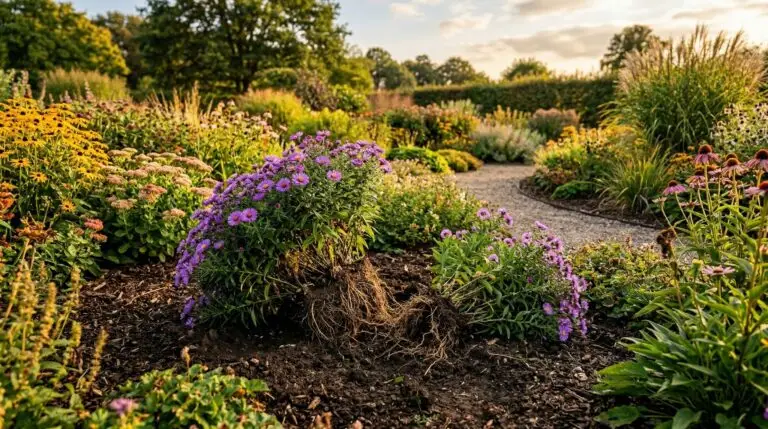
How to divide and rejuvenate aster clumps for stronger blooms every fall
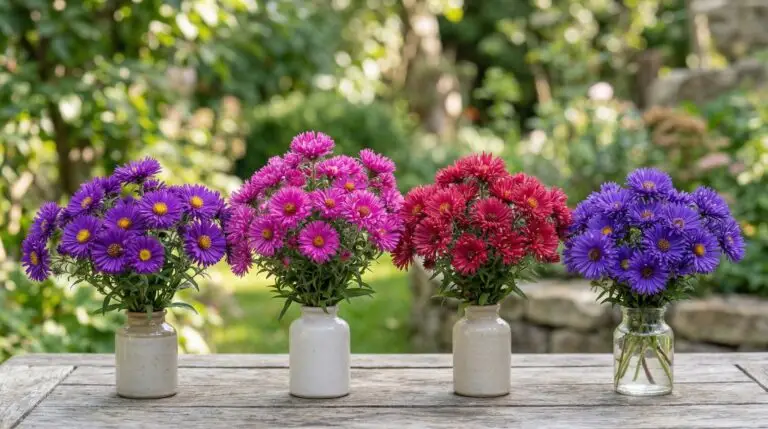
Best aster varieties for a colorful fall garden that blooms into frost
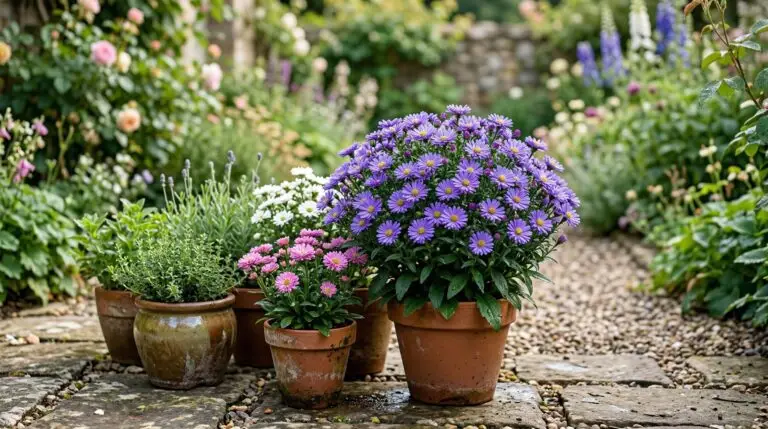
Growing asters in containers for fall color on porches and patios
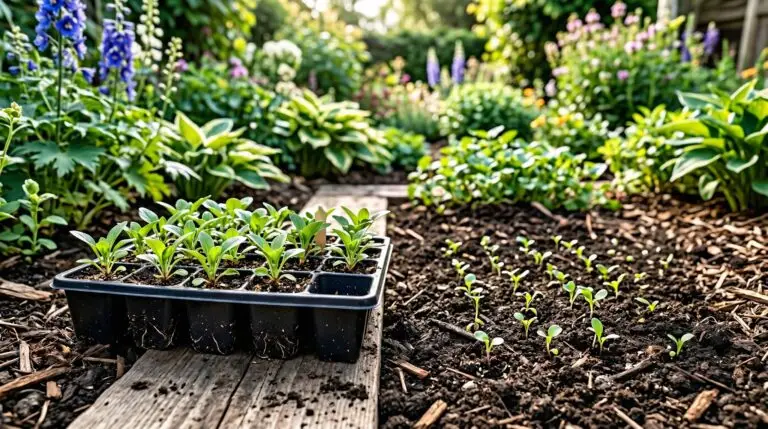
How to grow asters from seed for a wildflower meadow look on a budget
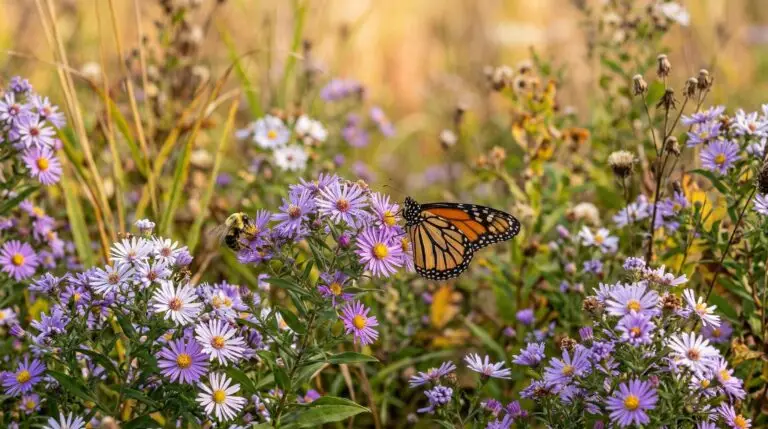
Asters for pollinators and why they are one of the most important late-season flowers
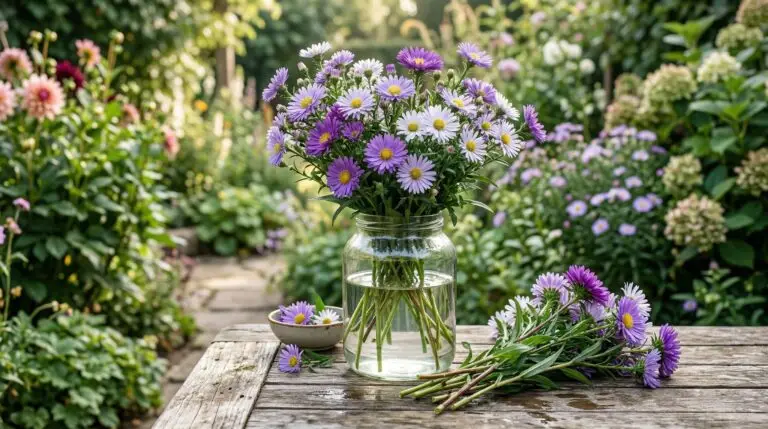
Using asters as cut flowers for fall bouquets and Thanksgiving arrangements
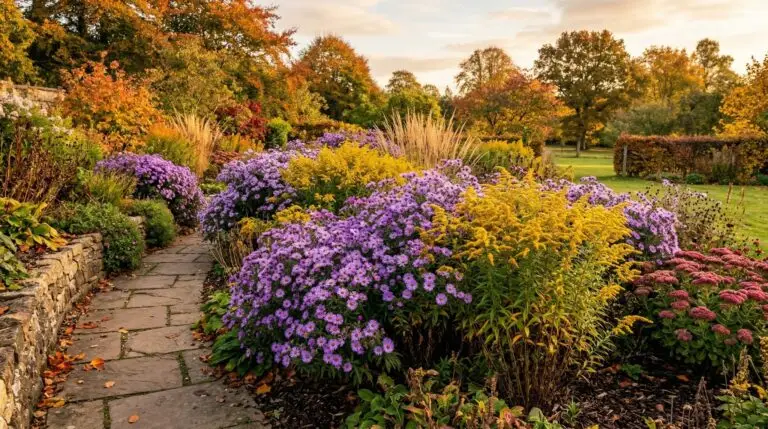
Companion plants for asters: what to grow and what to avoid
Enjoying our flower guides? Add YourFlowersGuide as a preferred source on Google. It helps more readers find us.
Add to Preferred Sources