Gardeners looking to cover a bare trellis or fence often turn to fast-growing annual vines for quick visual results. When evaluating options in the Ipomoea genus, the choice frequently comes down to a moonflower vs morning glory comparison. Both plants offer rapid vertical growth and abundant flowers, but they cater to entirely different schedules and sensory experiences. Deciding between a night blooming vine and a daytime classic changes how you interact with your garden space. The right choice depends heavily on when you actually spend time outdoors and what kind of visual impact you want to create along your fences or walls. Understanding the differences in their blooming habits, color profiles, and maintenance needs will help you select the best vine for your specific situation.
Comparing the bloom times and sensory experiences
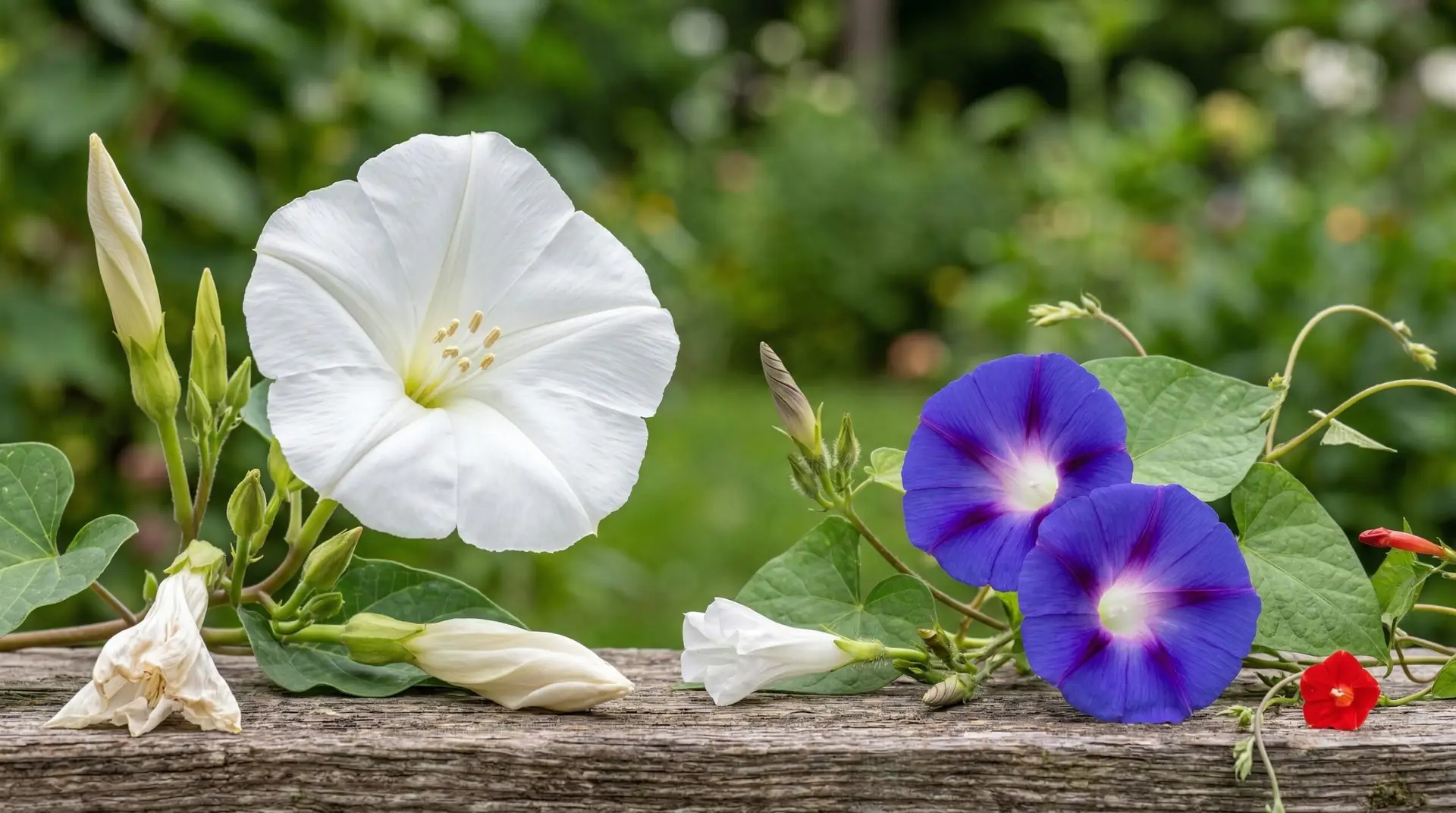
Let us look at the daytime option first to understand its appeal. As the name suggests, morning glories open their trumpet-shaped flowers early in the day to greet the sun. Depending on the heat and sun exposure, these blooms usually close by early to mid-afternoon, never to open again. They offer a wide spectrum of colors, including deep blues, bright pinks, rich purples, and striking bicolors with contrasting throats. The flowers are relatively small, usually measuring two to three inches across, and they are almost entirely unscented. You grow this vine primarily for the sheer volume of cheerful daytime color it provides along a fence line or mailbox.
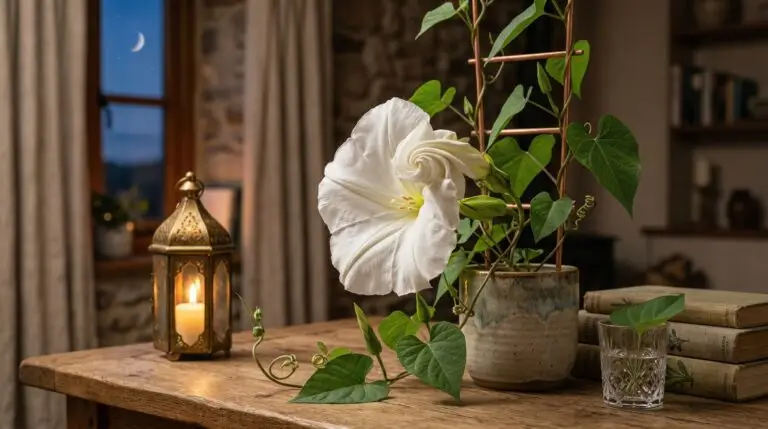
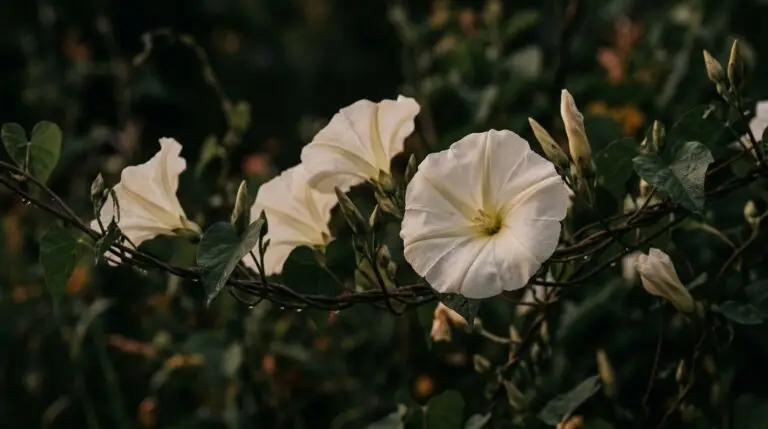
Moonflowers take the completely opposite shift in the garden schedule. These vines produce tightly twisted buds that unfurl rapidly as the sun sets, sometimes opening completely in just a few minutes of twilight. The flowers remain open throughout the night and usually close up by mid-morning the following day, depending on heavy cloud cover or cool temperatures. Moonflower blooms are massive compared to their daytime cousins, often reaching five to six inches in diameter. They bloom exclusively in a crisp, luminous white that reflects moonlight, and they produce a strong, sweet fragrance designed to attract night-flying moths. This heavy scent is one of the primary reasons gardeners choose to plant them near patios, decks, or open bedroom windows.
Growth habits and foliage differences
While both plants belong to the same genus and share a twining growth habit, their physical characteristics differ noticeably up close. Morning glories typically have smooth, heart-shaped leaves and relatively slender stems that easily wrap around thin wires or strings. They are incredibly vigorous growers that can reach ten to fifteen feet in a single season with very little intervention. In many growing zones, they are notorious for self-seeding aggressively through the garden. If you plant them once, you will likely pull volunteer seedlings out of that flower bed for years to come. This makes them a highly reliable, low-effort plant, but it also means they require strict boundaries to keep them from overtaking neighboring shrubs and delicate perennials.
Moonflowers share that fast-growing nature but present a slightly heavier, more substantial vine overall. Their leaves are larger and sometimes feature distinct lobes, creating a denser screen of foliage on a trellis or pergola. The stems are noticeably thicker and require slightly sturdier supports to climb effectively, as they can slip down thin strings. Moonflowers also demand significantly more heat to trigger their growth and blooming cycles compared to morning glories. In cooler northern climates, they often take much longer to get started in the spring and may not produce flowers until late summer. Because they require a long, hot growing season to produce mature seeds, they rarely become a nuisance by self-seeding in regions with cold winters.
Growing both vines together on a shared support
Many gardeners decide they want continuous floral interest and attempt to grow these two vines on the exact same structure. This approach creates a rotating cycle of blooms, with colorful flowers during the day and fragrant white blossoms at night. To succeed with this method, you need a large, sturdy trellis, pergola, or stretch of chain-link fence. Both vines will compete heavily for sunlight, water, and root space, so providing ample room is necessary to prevent one from completely smothering the other. You can plant the seeds in alternating patterns along the base of your support, spacing them about six to eight inches apart to give the root systems room to establish. Providing steady moisture during the first few weeks helps both root systems anchor deeply without drying out.
When combining an ipomoea comparison in a single space, managing their different growth rates becomes your main seasonal task. Morning glories usually sprout faster and grow more vigorously in early summer, which means they can quickly shade out the heat-loving moonflowers before they get established. You may need to manually train the vines as they grow, directing the morning glories away from the moonflower stems to ensure both receive adequate sunlight. Consistent watering and occasional feeding with a high-phosphorus fertilizer will support the heavy blooming requirements of both plants growing in tight quarters. If you find the maintenance of two aggressive annual vines overwhelming, you might prefer pairing just one of them with a more permanent, structured perennial vine like clematis for a layered effect that requires less untangling.
Making the right choice for your garden space
Choosing between these two vines comes down to evaluating your daily routine and your garden climate. If you work away from home during the day and spend your evenings relaxing on a patio or deck, the moonflower is the clear winner for your space. The large white blooms are highly visible in low light, and the evening fragrance provides a sensory experience that daytime vines simply cannot match. You must have a location that receives full sun during the day to heat the soil and encourage those evening blooms to open properly. Gardeners in cooler zones often need to start moonflower seeds indoors a few weeks before the last frost to ensure they get a long enough season to enjoy the flowers.
If you are an early riser who enjoys morning coffee in the garden, or if you want bold, bright colors to view throughout the first half of the day, morning glories are the better fit. They are highly reliable, bloom earlier in the season, and require very little coaxing to put on a heavy floral display. They are also much easier to grow in cooler climates where the growing season is short and evening temperatures drop quickly. You simply need to be prepared to manage their enthusiastic self-seeding habits in the following years by deadheading or pulling unwanted seedlings early. By matching the plant’s natural blooming schedule to the hours you actually spend in your yard, you will get the most enjoyment out of whichever vine you choose to plant.
More About Moonflower
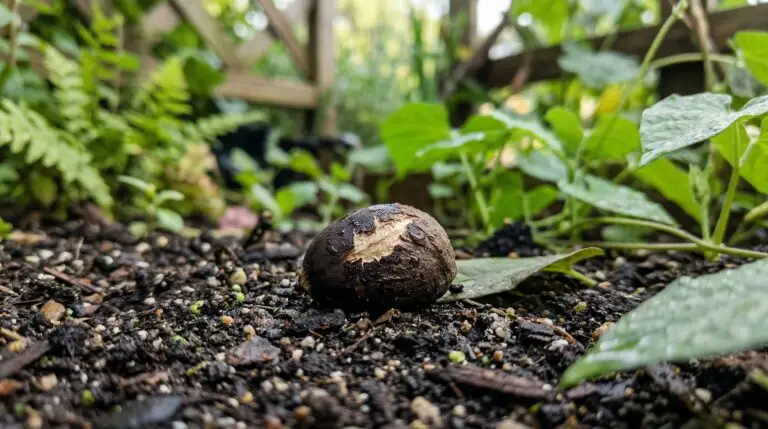
Growing moonflowers from seed and the nick-and-soak method for stubborn hard seeds
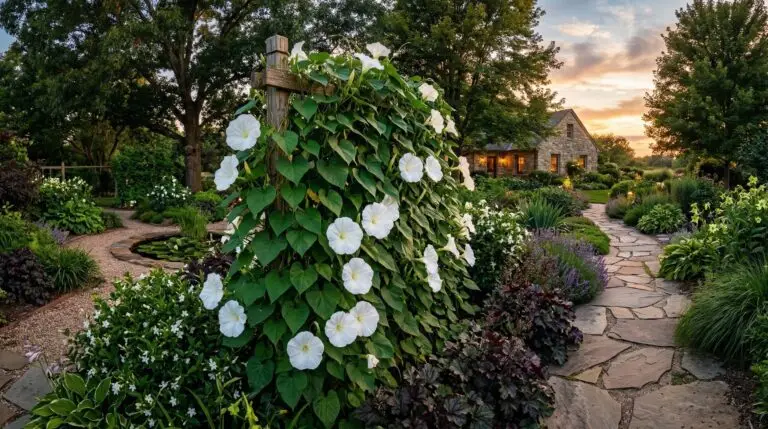
Creating a moonlight garden with moonflowers and other white flowers that glow after dark
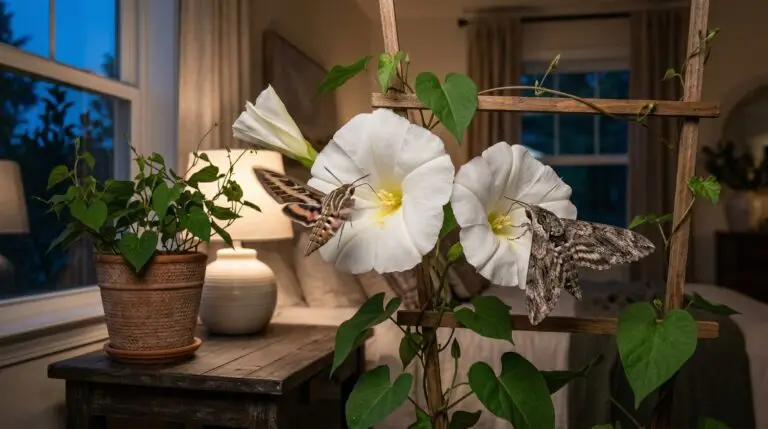
Moonflower pollinators and the fascinating world of hawk moths and night-flying creatures
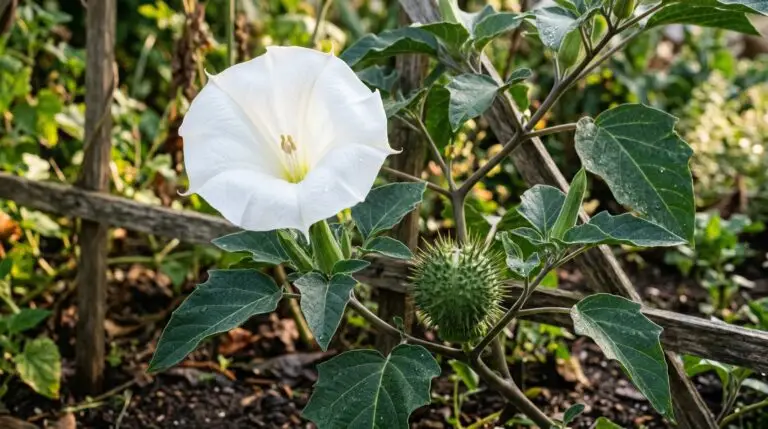
Why moonflowers are toxic and the important safety warnings for gardens with children and pets
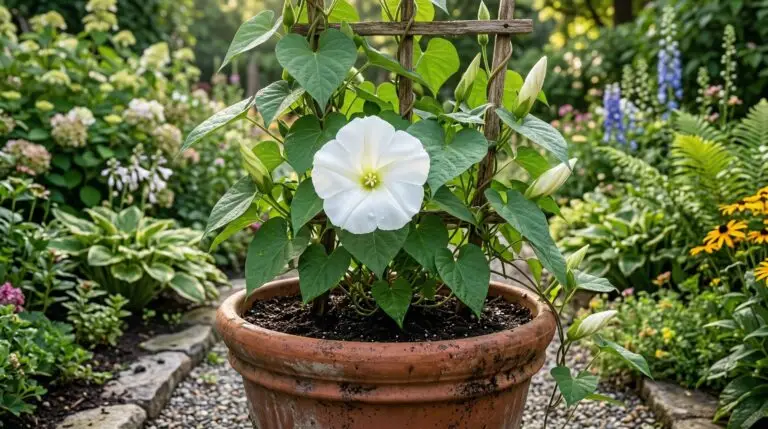
Moonflowers in containers for apartment balconies and small space evening gardens
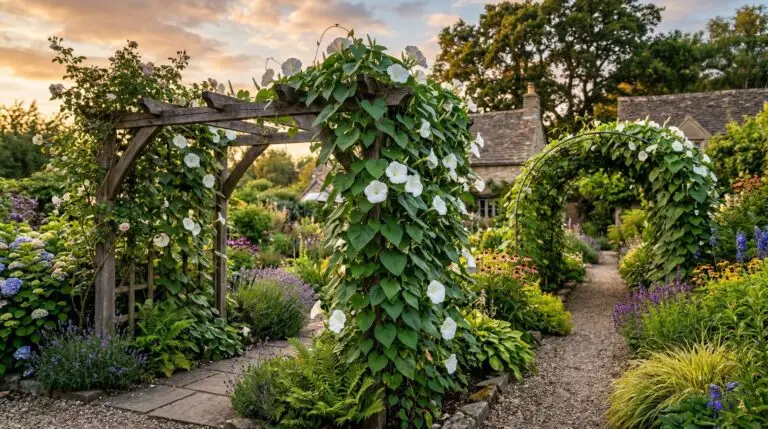
Training moonflower vines on arbors and trellises for a dramatic nighttime garden feature
How to grow moonflowers for enormous white blooms that open at dusk and glow in moonlight
Moonflower flower meaning and the romance of night-blooming flowers in garden lore