I have spent years observing Campanula species, commonly known as bellflower, transition from the high rock crevices of the Alps to the heavy clay of lowland gardens. This genus contains over five hundred distinct species, making it one of the most diverse groups of herbaceous plants we cultivate. When we talk about campanula growing conditions, we are really discussing a spectrum of ecological niches rather than a single set of rules. You will find species that demand the sharpest drainage imaginable alongside those that thrive in the damp margins of a woodland stream. Understanding a specific plant’s origin is the only reliable way to predict how it will behave in your garden. The true skill in growing these plants lies in recognizing their native adaptations and replicating those conditions in a cultivated space.
Alpine species and the demands of high elevation
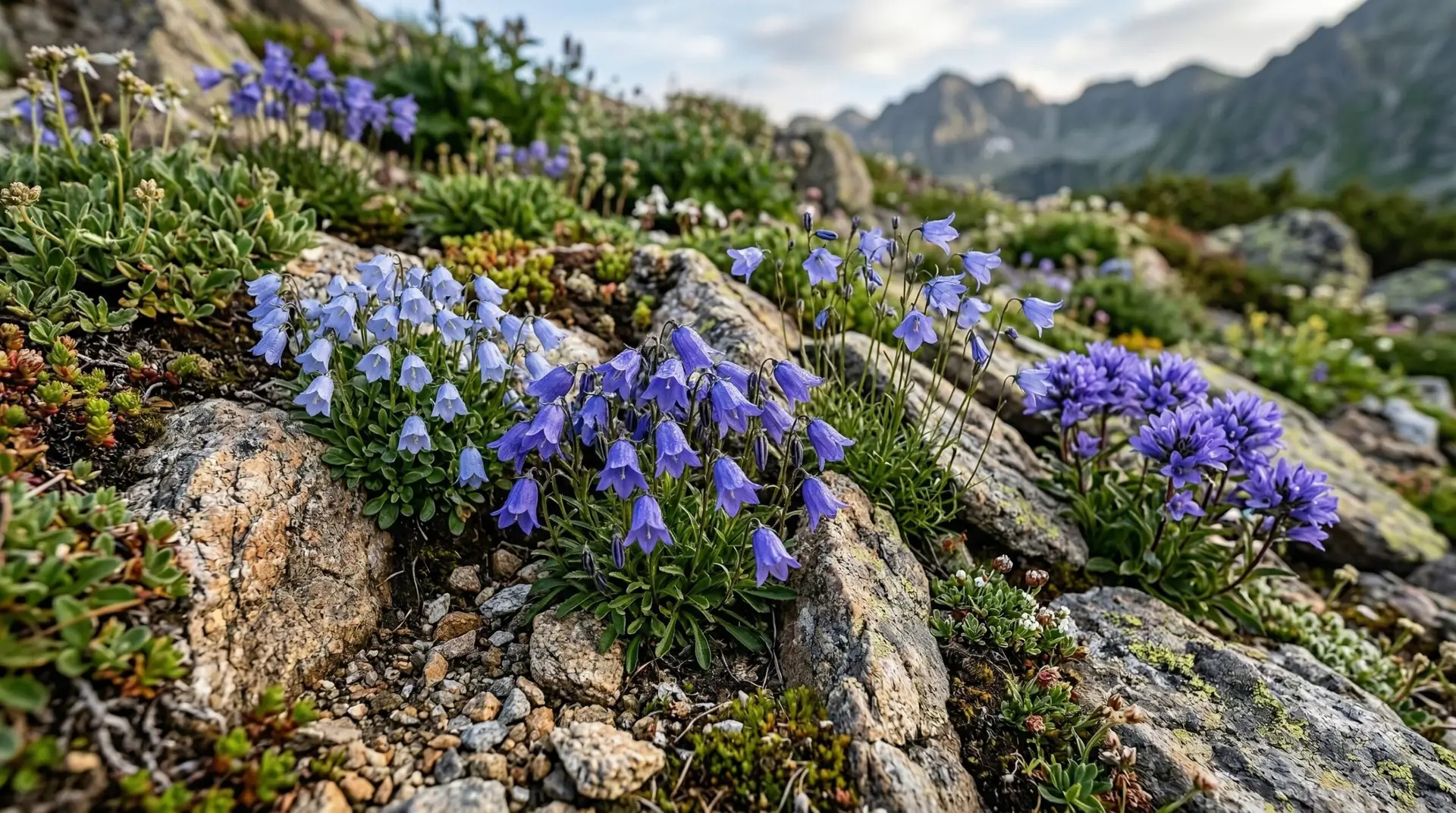
High altitude environments present a unique set of challenges, including intense ultraviolet light, rapid temperature fluctuations, and constant wind. Alpine campanula species, such as Campanula cochleariifolia and Campanula garganica, evolved specific physical traits to survive these harsh realities. They typically form dense, low-growing mats or tight rosettes that hug the ground to avoid wind damage and trap ambient heat. Their root systems are extensive, often diving deep into narrow rock fissures to find consistent moisture and secure anchorage against the elements. In cultivation, these alpine types absolutely require excellent drainage, as their crowns will rot quickly if left in standing water during the winter months. Growers usually achieve success by planting them in a dedicated rock garden or a trough filled with a coarse mixture of crushed gravel, pumice, and a small amount of loam. You must keep the soil pH slightly alkaline to neutral, mimicking the limestone outcroppings where many of these species originate.
Temperature management is equally critical for these high-elevation plants when brought down to sea level. Alpine species are accustomed to a long, cold winter dormancy followed by a brief, cool summer growing season. In regions with high summer heat and humidity, these plants often struggle and may enter a state of summer dormancy or succumb to fungal diseases. Placing them in a location that receives morning sun but is protected from the intense afternoon heat helps mitigate this stress. Companion planting with other alpine natives, like the deep blue gentian, creates a visually cohesive and culturally compatible microclimate. Watering should be deep but infrequent, encouraging the roots to search downward rather than sitting near the soil surface where they are vulnerable to heat.
Woodland varieties and their preference for dappled light
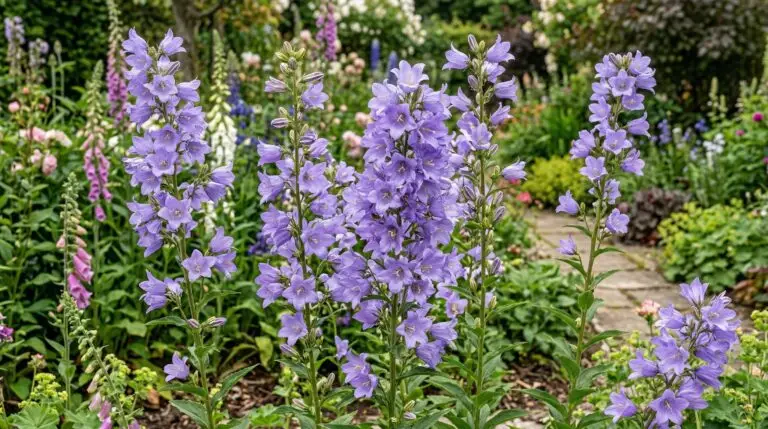
Moving down from the mountains, the genus adapts significantly to the softer, shaded environments of deciduous forests. Woodland species like Campanula latifolia and Campanula trachelium exhibit a completely different growth habit, producing tall, upright stems designed to compete with neighboring understory plants for light. The leaves on these species are generally broader and thinner, maximizing their surface area to capture the filtered sunlight that penetrates the tree canopy. The campanula habitat in these woodland settings features soil rich in decaying organic matter, which retains moisture while remaining loose and aerated. To grow these species successfully, you need to amend your garden soil heavily with leaf mold or compost before planting. They prefer a slightly acidic to neutral soil pH, generally falling between 6.0 and 7.0, which naturally occurs as forest debris breaks down.
Moisture consistency is the primary cultural requirement for woodland campanulas. Unlike the alpine types that tolerate drying out between rainfalls, these forest dwellers expect a constant supply of ambient soil moisture. This does not mean they tolerate waterlogged conditions, as the natural slope of a woodland floor usually provides steady lateral drainage. During extended dry periods in the summer, you will need to provide supplemental irrigation to prevent the lower leaves from yellowing and dropping. A thick layer of organic mulch applied in late spring helps regulate soil temperature and conserve moisture around the shallow feeder roots. These species adapt readily to garden borders, provided they are sited where they receive morning light and protection from the harsh midday sun.
Meadow growers and the need for open space
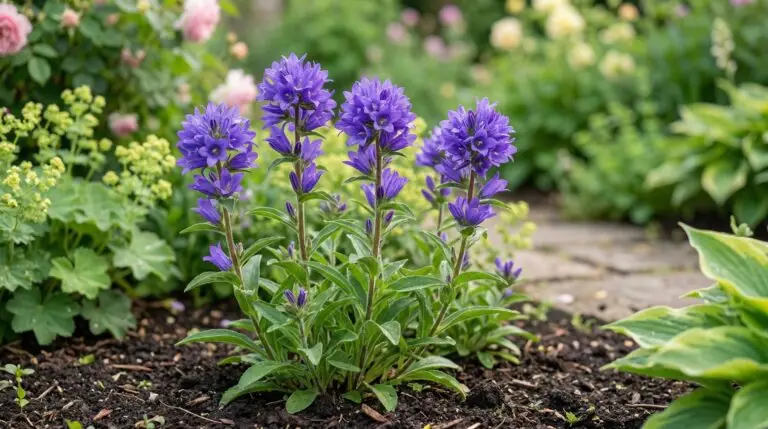
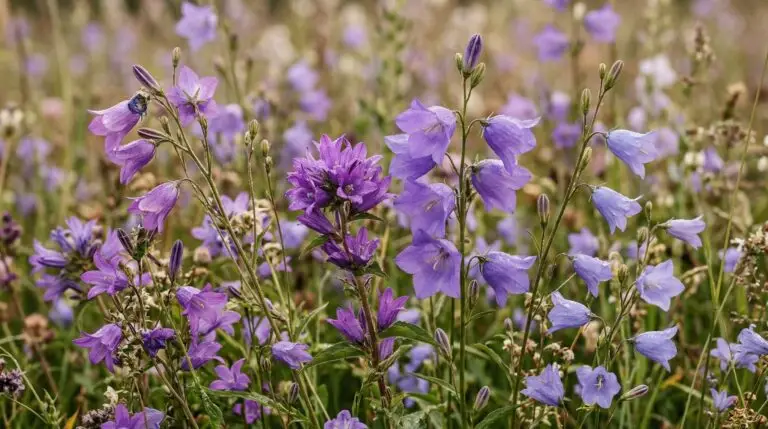
The open meadow represents yet another distinct ecological zone where campanula adaptable traits are clearly visible. Species such as Campanula glomerata and Campanula rotundifolia thrive in full sun and open spaces, competing directly with aggressive grasses and field wildflowers. These plants often utilize a rhizomatous root system, meaning they spread via underground stems to form large, interconnected colonies. This spreading habit allows them to recover quickly from grazing or mowing and to monopolize available resources in a crowded meadow environment. In a garden setting, this aggressive growth becomes problematic if the plant is placed next to delicate or slow-growing neighbors. You must give meadow species plenty of room to expand, or be prepared to divide and reduce the clumps every two to three years to keep them in bounds.
Soil requirements for meadow species are generally less stringent than those for alpine or woodland types. They tolerate a wide range of soil textures, from sandy loams to heavier clays, as long as the site does not remain flooded during the winter. A neutral soil pH is ideal, but these plants easily adapt to slightly acidic or alkaline conditions without showing signs of nutrient deficiency. Full sun exposure is necessary to encourage strong, upright stems. When grown in too much shade, meadow campanulas tend to stretch and require staking to prevent them from flopping over. Deadheading the spent flowers can sometimes encourage a secondary flush of blooms late in the season, though it is not strictly necessary for the health of the plant. Their resilience makes them excellent candidates for naturalized areas or large perennial borders where their vigorous nature is an asset rather than a liability.
Matching root structures to site conditions
A close examination of a campanula’s root system provides the most reliable clues about its cultural needs. The thick, fleshy taproots found on species like Campanula pyramidalis indicate a plant adapted to anchoring deeply in rocky crevices or poor soils to access hidden moisture reserves. Taprooted plants resent disturbance and should be planted in their permanent location while still young, as attempting to move a mature specimen often results in failure. Conversely, the fine, fibrous root networks of the woodland species tell us they evolved to feed in the rich, shallow layer of decomposing leaf litter. These fibrous-rooted plants are easily lifted, divided, and transplanted, making them highly forgiving for gardeners who like to rearrange their borders. Understanding this subterranean anatomy allows you to anticipate how a plant will respond to watering practices and soil preparation.
The rhizomatous species require the most forethought regarding placement. Because their underground stems actively seek out new territory, they will quickly exploit loose, fertile garden soil, sometimes outcompeting less vigorous plants. If you are planting a spreading campanula in a mixed bed, consider using a physical root barrier sunk into the ground to restrict its lateral movement. Alternatively, site these aggressive spreaders in a challenging area, such as a dry bank or the base of a mature tree, where the competition for water and nutrients will naturally check their growth. By matching the specific root morphology to your site’s physical characteristics, you eliminate the constant struggle of trying to force a plant to behave against its nature. Take the time to dig a small test hole in your intended planting site, fill it with water, and observe how quickly it drains before committing a specific campanula to that location.
More About Campanula
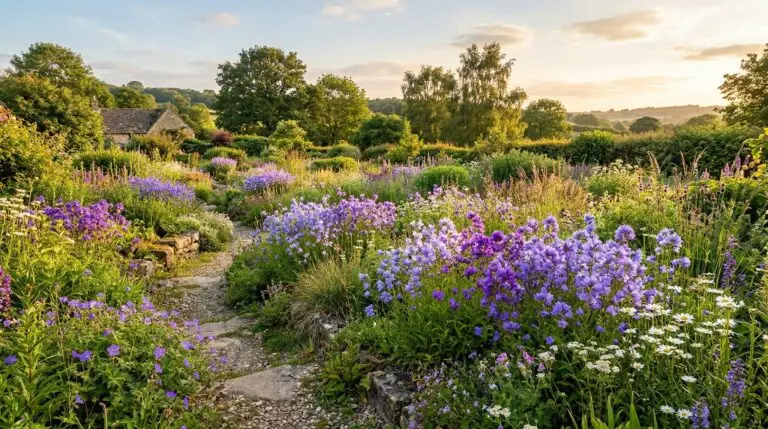
Campanula in European wildflower meadows and how to recreate the look at home
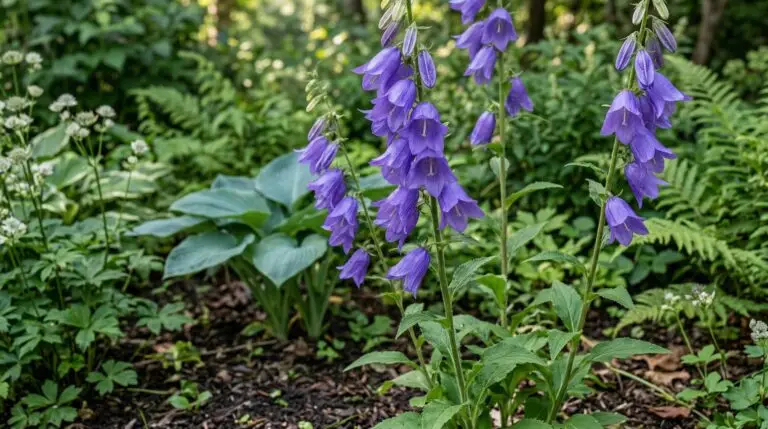
Campanula for shady garden spots where color is hard to find
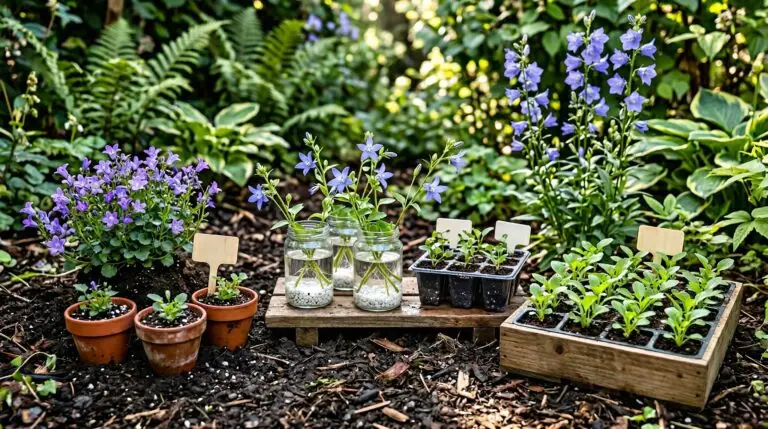
How to propagate campanula from stem cuttings root division and seed
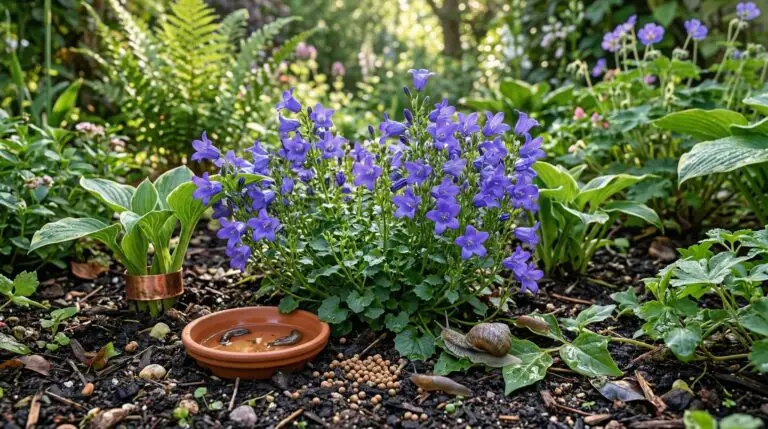
Campanula pests including slugs and rust and organic prevention methods
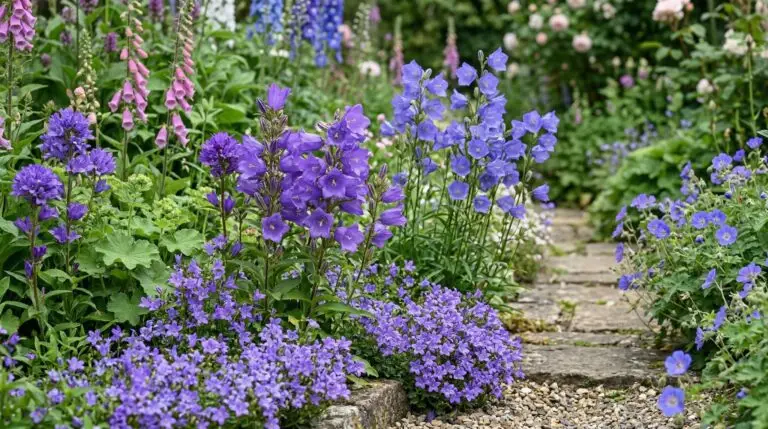
Campanula persicifolia the elegant peach-leaved bellflower for cottage gardens
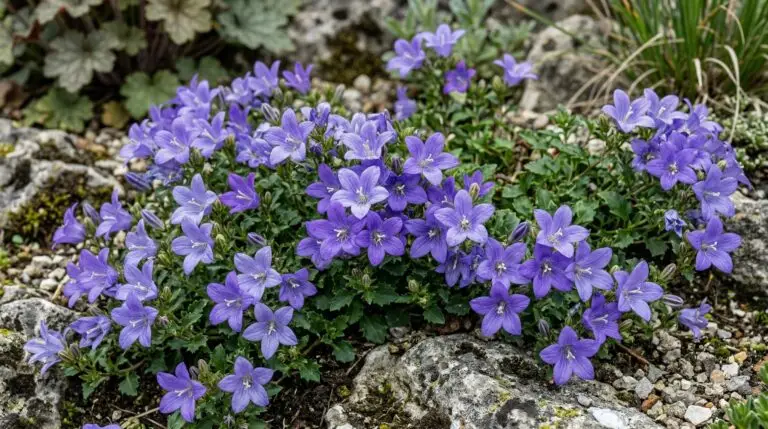
A guide to campanula species for rock gardens alpine troughs and stone walls
The botanical diversity of campanula with over 500 species across the world
Campanula lactiflora and the tall milky bellflowers for the back of the border