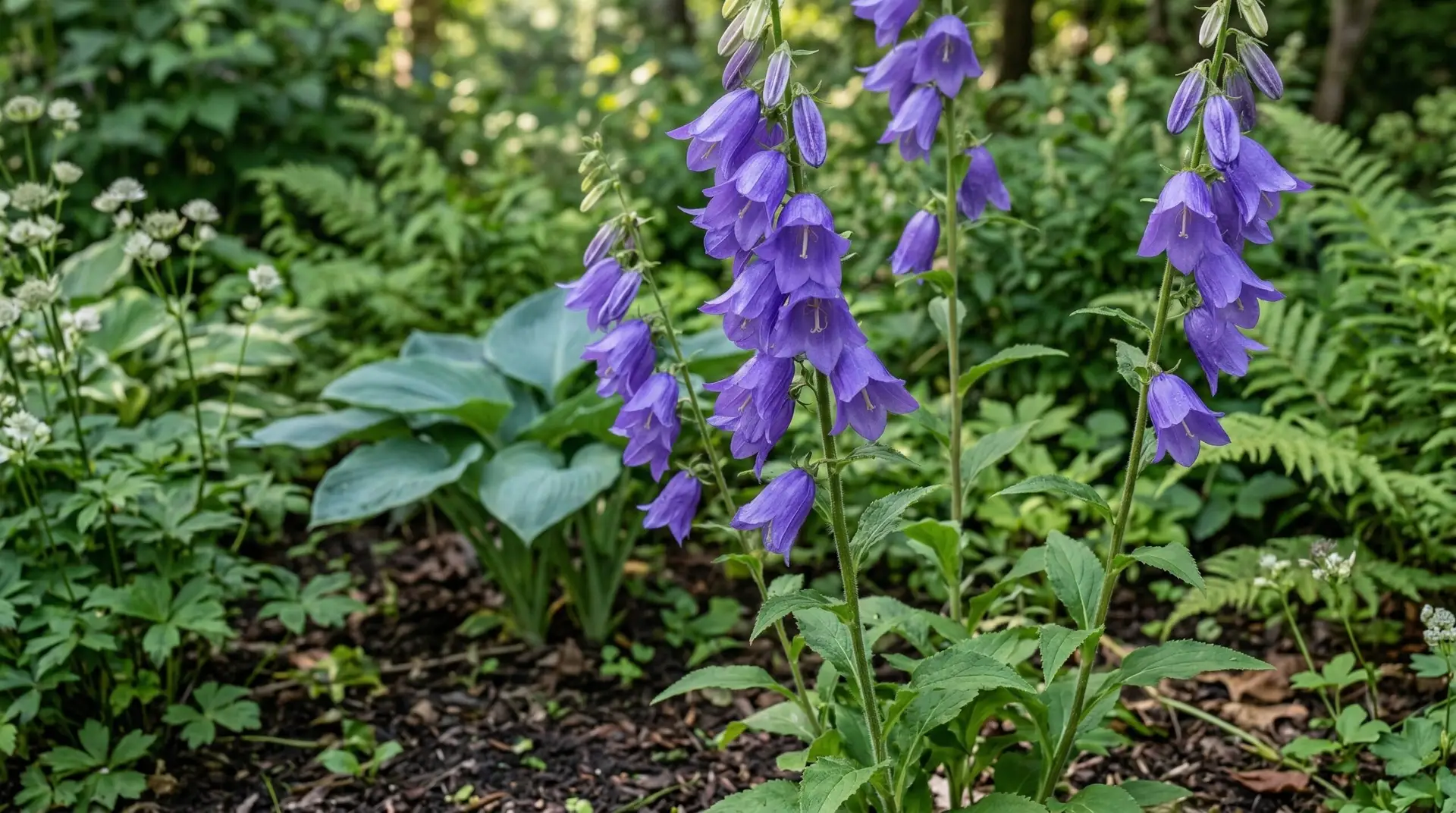
Growing conditions vary enormously across different yards, and understanding your local climate is the absolute foundation of success when planting a shade garden. A gardener tending a woodland plot in Zone 4 Minnesota faces a completely different set of challenges than someone trying to establish plants under an oak canopy in Zone 9 Florida. When you are looking for shade perennials blue enough to cool down a dark corner, the generic tag on a nursery pot rarely tells the whole story. While many gardeners associate the Bellflower family with sunny rock gardens or bright alpine slopes, several species have evolved specifically for woodland edges and dappled shade. Species like Campanula latifolia, Campanula trachelium, and Campanula takesimana offer distinct adaptations that allow them to thrive where sunlight is scarce. Knowing which of these specific shade-tolerant campanulas to choose depends entirely on the rainfall patterns, soil chemistry, and temperature extremes of your specific region.
Contents 3 sections
Navigating humidity and heat in the southern shade garden
In the humid Southeast, shade gardeners fight a constant battle against heavy clay soils and stagnant, moisture-laden air that encourages fungal diseases. The thick summer humidity limits evaporation, meaning that soils in full shade often remain saturated long after a rainstorm passes. Campanula takesimana, also known as the Korean bellflower, handles these muggy conditions much better than its European cousins. To succeed with campanula shade plantings in Zone 7 and Zone 8, you must prioritize soil drainage by planting on a slight slope or incorporating coarse organic matter into the heavy red clay. Southern gardeners also need to understand that part shade in Georgia is vastly different from part shade in Maine. You must protect these plants from any direct afternoon sun, restricting their light exposure to the gentle rays of early morning to prevent the foliage from scorching.
Gardeners in the arid Southwest face the opposite extreme when trying to establish a bellflower shade garden under the canopy of drought-tolerant trees. Dry shade is notoriously difficult to plant, as tree roots aggressively compete for every drop of supplemental irrigation you provide. The soils across much of this region are heavily alkaline, often reading well above a pH of 7.5, which restricts the plant’s ability to absorb necessary nutrients. To correct this, you can add elemental sulfur to your planting beds to slowly lower the pH to the 5.5 to 6.5 range that woodland campanulas prefer. You will also need to construct shallow watering basins around the root zone to ensure that irrigation penetrates deeply rather than running off the baked soil surface. Providing a thick layer of shredded bark mulch is essential in these dry zones to cool the root zone and conserve whatever moisture you apply.
Managing cool summers and winter moisture in northern zones
The Pacific Northwest provides a climate that closely mimics the native woodland habitats of many European bellflowers, characterized by cool summers and frequent cloud cover. Campanula latifolia, the giant bellflower, grows vigorously in these conditions and easily reaches heights of four feet in the dappled light of Douglas firs and western red cedars. The primary obstacle in this region is the relentless winter rain, which can rot the dormant crowns of herbaceous perennials if water pools around them. Gardeners in these coastal climates should site their plants in raised beds or utilize naturally sloping ground to ensure water moves quickly away from the root system during the wettest months. You should also avoid heavy winter mulching in these zones, as thick layers of wet leaves will smother the crowns and trap excess moisture against the plant tissue.
Winter cold presents a different set of obstacles for gardeners in the upper Midwest and New England, where temperatures regularly plunge well below zero. Campanula trachelium, commonly called the nettle-leaved bellflower, is exceptionally cold hardy and reliably survives Zone 3 winters if given the right conditions. Heavy clay soils in these regions go through severe freeze and thaw cycles during open winters when there is no protective snow cover. This physical shifting of the soil can heave the dormant crowns of your campanulas right out of the ground, exposing their roots to lethal, freezing winds. You can prevent frost heaving by applying a protective layer of evergreen boughs over the resting plants only after the ground has completely frozen solid. Removing this protective layer promptly in the spring allows the soil to warm up and prevents rot as the new shoots begin to emerge.
Microclimates and soil chemistry for woodland bellflowers
Adapting general plant advice to your specific yard requires a careful observation of your own microclimates, as the conditions on the north side of your house may be entirely different from the conditions under a mature tree. A wall facing north provides deep, consistent shade that stays cool even in midsummer, making it a highly reliable spot for establishing these woodland plants. Conversely, the shade cast by a large deciduous tree changes dramatically throughout the year, offering full sun in early spring before the canopy fully leafs out. This shifting light pattern is ideal for woodland species, as they can soak up the early spring sun to fuel their initial growth before the heavy summer shade sets in. You can take advantage of this seasonal light by interplanting your campanulas with early spring bloomers like Hellebore, which appreciate the exact same cycle of spring light and summer protection.
Wind exposure is another specific regional factor that alters how plants behave in the shade garden, particularly for taller species like Campanula latifolia. In the windswept plains or near coastal areas, the tall flower spikes will snap easily if they are not sheltered by structural elements in the yard. Planting them against a sturdy fence, a stone wall, or a dense hedge of evergreen shrubs provides the necessary windbreak to keep the stems upright without the need for artificial staking. In sheltered, humid microclimates where the air is still, you might instead choose to pair your bellflowers with a low-growing Begonia to act as a living mulch that cools the soil without blocking airflow around the taller stems. Recognizing how air moves through your specific garden space allows you to place these plants exactly where they have the physical support and ventilation they require.
The secret to growing any plant outside of its native range is learning to read your local environment rather than forcing a plant to adapt to unsuitable conditions. A shade garden is never just a dark spot in the yard, but rather a complex system of soil moisture, ambient humidity, root competition, and seasonal light shifts. When you understand the specific limitations of your climate zone, you can modify your soil structure, adjust your watering habits, and select the exact microclimate that compensates for those regional extremes. Treating your garden as a unique ecosystem helps you make informed decisions about placement and care, ensuring that even the most sensitive woodland perennials thrive year after year. Every successful garden relies on this principle of matching the specific needs of the plant to the actual realities of the soil and sky above it.
More About Campanula
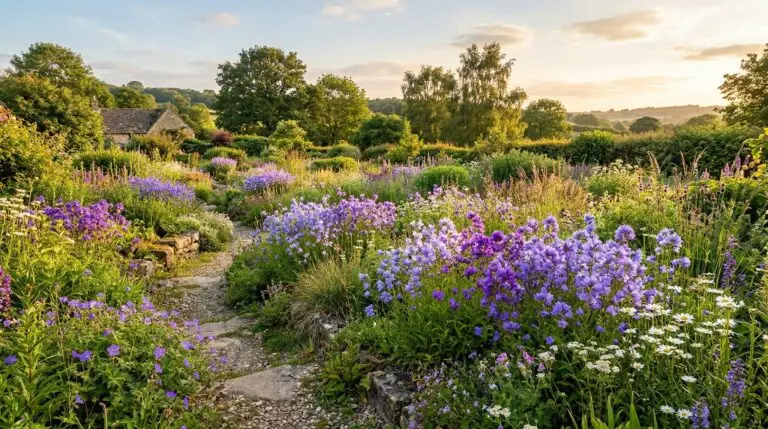
Campanula in European wildflower meadows and how to recreate the look at home
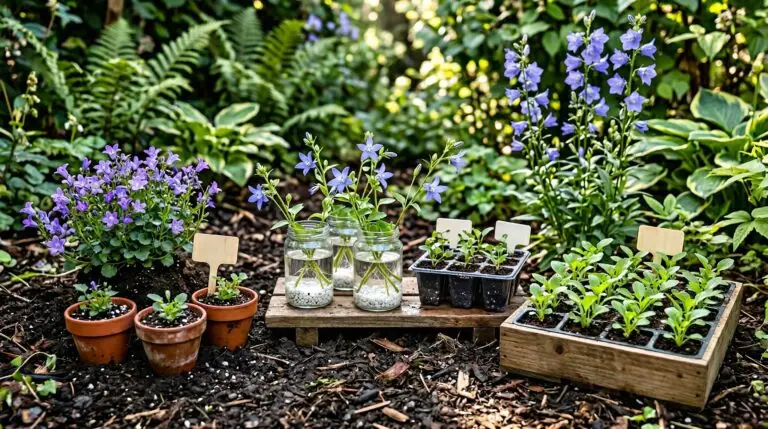
How to propagate campanula from stem cuttings root division and seed
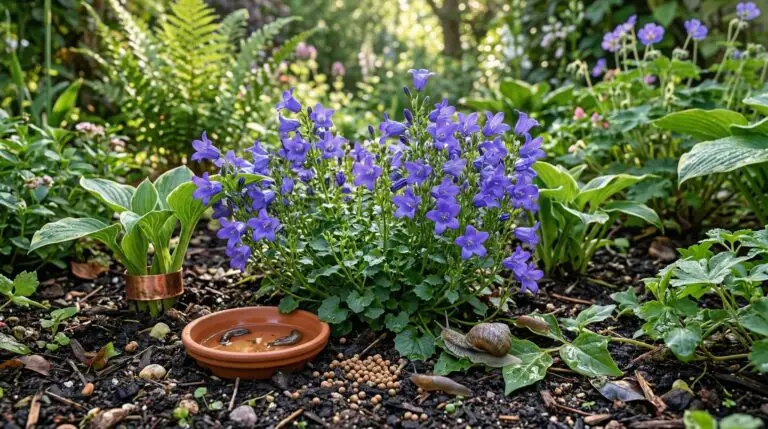
Campanula pests including slugs and rust and organic prevention methods
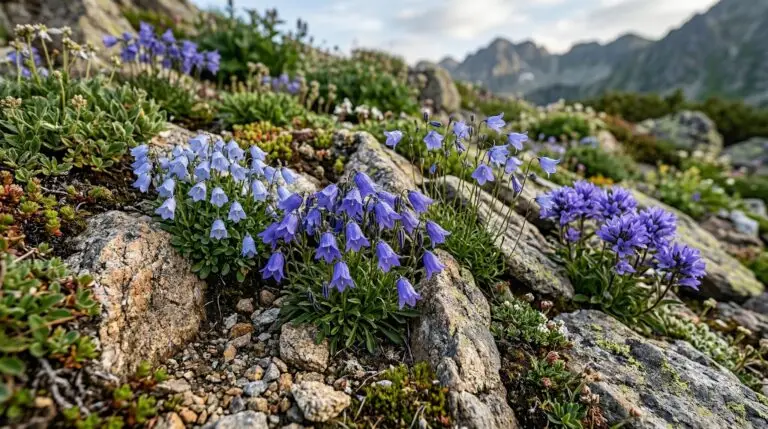
How campanula adapts to different growing conditions from mountains to meadows
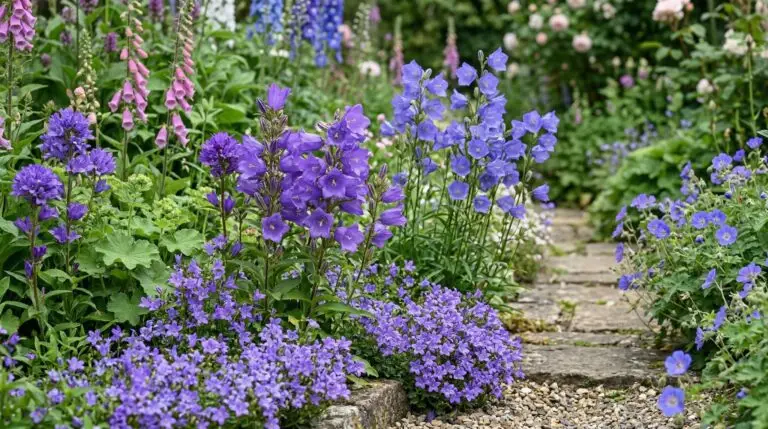
Campanula persicifolia the elegant peach-leaved bellflower for cottage gardens
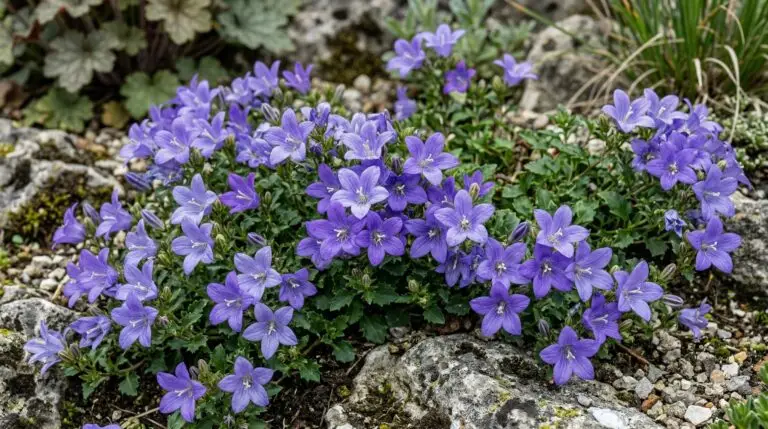
A guide to campanula species for rock gardens alpine troughs and stone walls
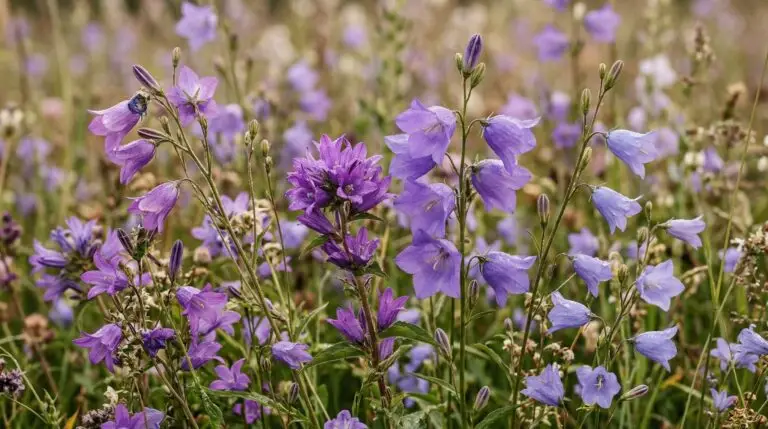
The botanical diversity of campanula with over 500 species across the world
Campanula lactiflora and the tall milky bellflowers for the back of the border
Growing campanula glomerata for intense purple clusters in summer borders
Enjoying our flower guides? Add YourFlowersGuide as a preferred source on Google. It helps more readers find us.
Add to Preferred Sources