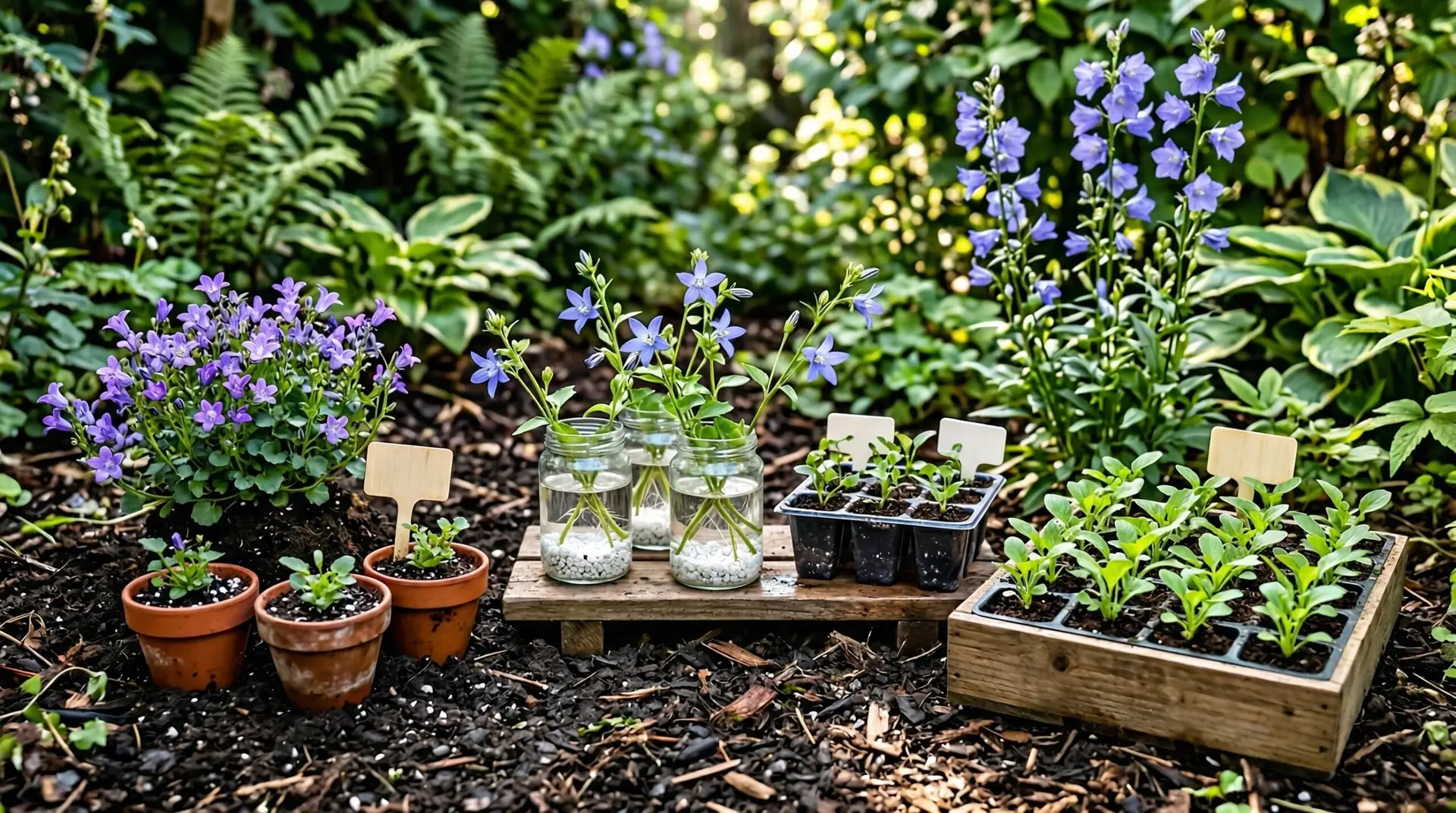
When you look at a mature campanula plant blooming in the garden, you are actually looking at a biological blueprint for dozens of new plants. The process of multiplying these plants is entirely dependent on understanding how they naturally grow, spread, and reproduce in the wild. Some species creep along the ground, others form dense crowns, and some rely entirely on scattering tiny seeds to the wind. Because of these distinct growth habits, there is no single right way to propagate them. Instead, you have three distinct methods at your disposal, each suited to a different type of plant and a different season. By the time you finish reading, you will understand exactly how to read your plant’s growth habit and choose the propagation method that works with its natural biology.
Contents 3 sections
Understanding root division for spreading types
Root division is the most straightforward method for propagating campanula varieties that naturally form wide clumps or creep along the ground. As these plants age, the root system constantly expands outward in search of fresh nutrients, often leaving behind a woody, less productive center. You can think of this growth pattern like a crowded city where the oldest, most congested areas are in the middle while the vigorous new development happens in the suburbs. By digging up the entire plant and dividing it into smaller sections, you are essentially giving those vigorous outer edges the space and resources they need to thrive. This process yields new plants and rejuvenates the original patch by relieving that underground congestion.
The best time to divide your plants is in early spring just as new growth emerges or in early fall when the intense heat of summer has passed. You might feel hesitant about driving a spade through the root mass or pulling the plant apart with your bare hands. This might seem contradictory to everything you know about caring for plants, but tearing the roots actually stimulates the plant to push out fresh, vigorous growth. When you replant these new sections, you want to amend the soil with plenty of organic matter like compost. Compost acts like a sponge in the soil, holding moisture right at the root zone while the severed roots heal and establish themselves in their new home. This takes a season or two to get a feel for, and feeling nervous during your first division is completely normal.
Taking stem cuttings for upright varieties
While division works beautifully for spreading types, the taller, more upright species often have a single central crown that does not divide easily. For these plants, taking stem cuttings in late spring or early summer is the most effective approach. A stem cutting relies on the plant’s remarkable ability to switch the function of its cells when separated from the main root system. If you provide the right environment, the dormant cells in the stem will stop trying to produce leaves and will instead begin generating root tissue. You are essentially tricking the severed stem into believing it is already a fully formed plant anchored in the soil.
To achieve this, you need to select a healthy, non-flowering shoot and cut it just below a node, which is the slightly swollen area where leaves attach to the stem. The node contains a high concentration of the hormones responsible for root development, making it the most likely place for new roots to emerge. You must strip the lower leaves off the cutting before inserting it into a pot filled with a very well-draining soil mix. If you leave leaves buried in the soil, they will simply rot and introduce disease to your cutting before it has a chance to root. The soil needs to stay consistently moist but never waterlogged, creating an environment that supports the cutting without drowning it. You can place a clear plastic bag over the pot to act like a miniature greenhouse, trapping humidity around the leaves so the cutting does not dry out before the new roots can absorb water.
Starting new plants from tiny seeds
Growing campanula from seed is an entirely different process that requires an understanding of how these plants survive cold winters in their native habitats. Many perennial seeds have a built-in dormancy mechanism designed to prevent them from sprouting during a warm spell in late autumn. If they sprouted in October, the tender seedlings would be killed by the first winter freeze. To break this dormancy, the seeds must experience a prolonged period of cold temperatures and moisture, a process known as cold stratification. Think of cold stratification as a biological alarm clock that only rings to wake the seed after the danger of winter has completely passed.
You can provide this cold period naturally by sowing the seeds outdoors in late fall, allowing the winter snow and rain to do the work for you. If you prefer to start them indoors, you can mix the seeds with damp sand and keep them in your refrigerator for several weeks before planting them under lights. When it comes time to actually plant the seeds, you must remember that they are exceptionally tiny and require light to germinate. You should press them gently into the surface of the soil but never bury them, as a layer of dark soil will prevent the light from reaching them and triggering germination. Working with such microscopic seeds can be intimidating at first, but remembering that every bellflower in a wild meadow started exactly this way can give you confidence. You will find that many alpine and woodland perennials share this exact requirement, much like the gentian, which also relies on light and cold exposure to wake up its seeds.
Successfully propagating these plants is ultimately about observing their natural habits and choosing the technique that matches their life cycle. A creeping plant naturally wants to spread and divide, a tall stem has the cellular memory to root when it touches the earth, and a tiny seed is programmed to wait for the perfect combination of light and spring warmth. When you understand the reasons behind each method, propagation stops being a rigid set of instructions and becomes a logical response to how the plant behaves. You learn to read the physical structure of the plant to determine whether it needs the rejuvenation of division, the humidity of a cutting environment, or the patient chill of cold stratification. Building a garden from a single original plant becomes an exercise in working alongside the biological rules that have governed these species for centuries.
More About Campanula

Campanula in European wildflower meadows and how to recreate the look at home
Campanula for shady garden spots where color is hard to find
Campanula pests including slugs and rust and organic prevention methods
How campanula adapts to different growing conditions from mountains to meadows
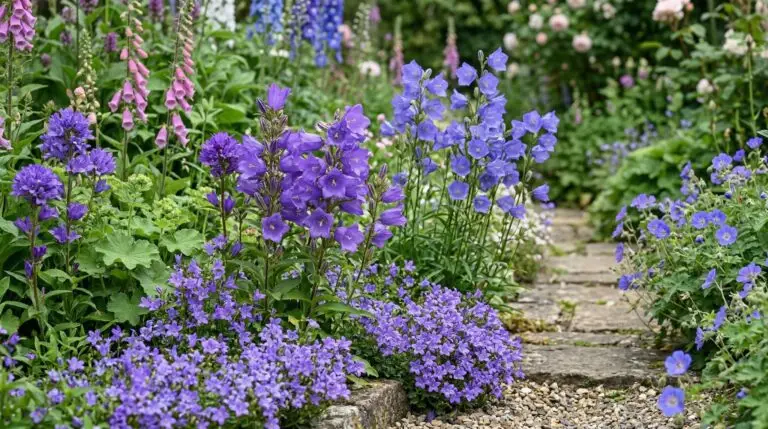
Campanula persicifolia the elegant peach-leaved bellflower for cottage gardens
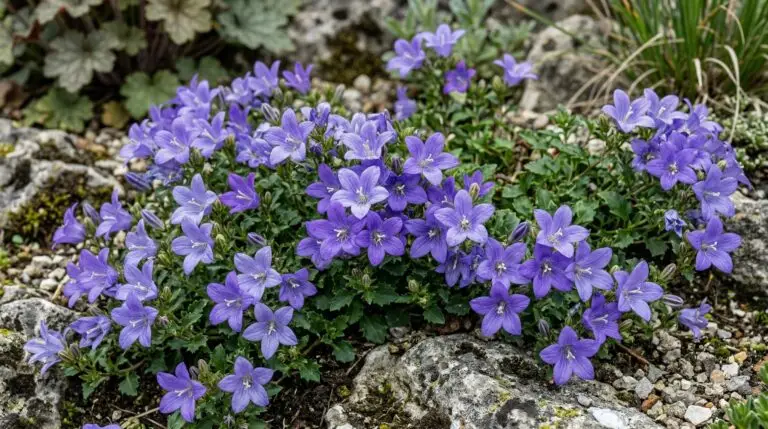
A guide to campanula species for rock gardens alpine troughs and stone walls
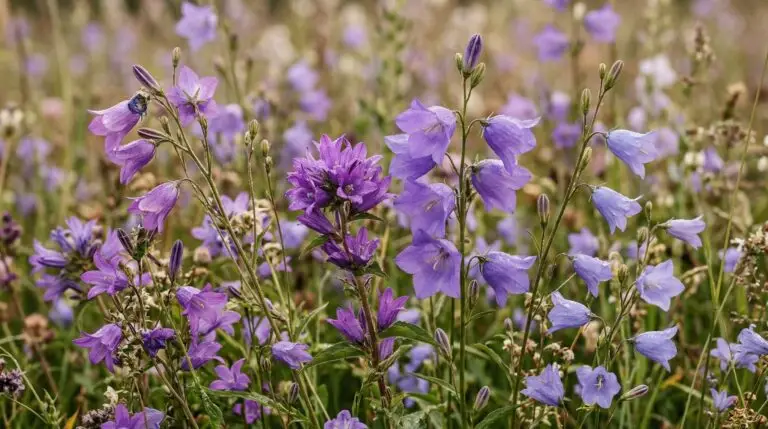
The botanical diversity of campanula with over 500 species across the world
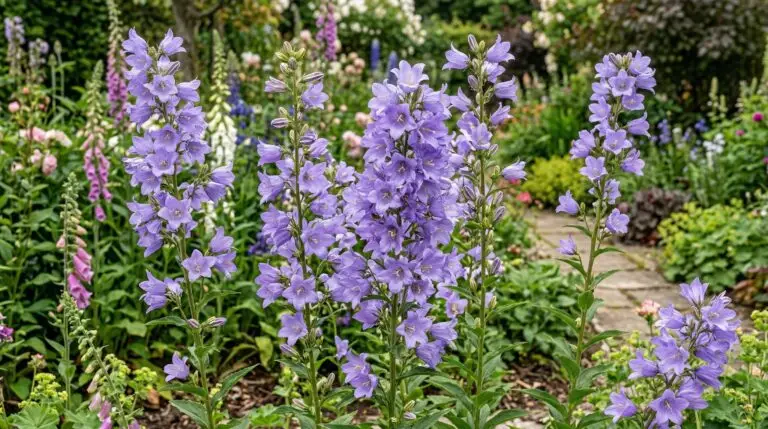
Campanula lactiflora and the tall milky bellflowers for the back of the border
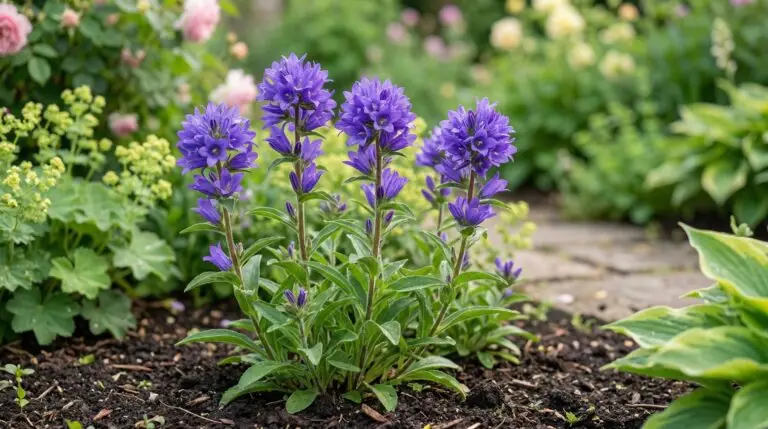
Growing campanula glomerata for intense purple clusters in summer borders
Enjoying our flower guides? Add YourFlowersGuide as a preferred source on Google. It helps more readers find us.
Add to Preferred Sources