The story of overwintering dahlias begins on the morning you walk out to find the garden changed by the first hard frost. The air holds a sharp metallic chill that bites at your fingers, and the once towering green stalks now hang limp and blackened against the pale autumn sky. This sudden collapse signals that the growing season is over and the necessary work of storing dahlia tubers must begin. Below the soil surface, the plant reacts to the dying foliage by pushing its final reserves of energy down into the root system. You must wait about a week after this killing frost before taking a shovel to the earth. During these quiet days, the geese fly south in loose formations, and the soil temperature drops steadily as the sun sinks lower on the horizon. Leaving the tubers in the ground for this short resting period toughens their skins and prepares them for the long months of dormancy ahead.
Digging and curing the autumn harvest
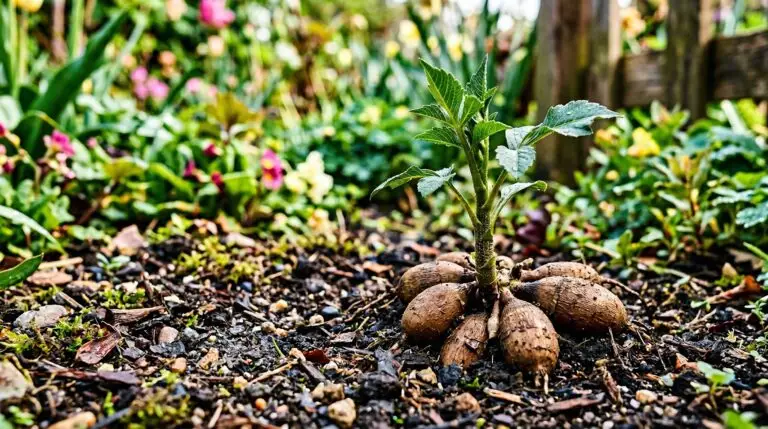
When the waiting period ends, the real labor of dahlia winter storage starts with a careful excavation of the garden bed. You push a digging fork into the cold earth about a foot away from the main stem, lifting gently to avoid snapping the fragile necks of the tubers. The clump emerges from the soil looking like a muddy cluster of fingerling potatoes, heavy with damp earth and clinging roots. You must wash away this dirt with a gentle spray from the garden hose until the individual shapes and the central crown become clearly visible. The water runs cold over your hands as you inspect the harvest, looking for any soft spots or damaged sections that could harbor rot. Once they are clean, the wet clumps need to sit in a cool, dark, and well-ventilated space to cure for a few days. The smell of wet earth fills the garage or shed as the tubers slowly lose their surface moisture and their skins dry to a papery finish.
This curing phase bridges the gap between the wet garden soil and the dry storage boxes waiting inside. You watch the tubers closely over these few days, turning them occasionally so the air reaches every crevice of the clump. The stems dry out and shrink slightly, signaling that the excess moisture has evaporated and the risk of fungal growth is dropping. You know the curing is complete when the outer skin feels firm and dry to the touch, much like an unpeeled onion resting on the kitchen counter.
Dividing and labeling before the deep cold
With the tubers cured and the nights growing longer, you move to the workbench to divide the large clumps into manageable pieces. Every viable tuber needs a piece of the central stem, known as the crown, where the dormant eyes wait to sprout next year. You use a sharp, sterilized knife to slice through the dense crown tissue, separating the tangled mass into individual pieces. Finding the eyes requires patience and a good light source, as they often look like nothing more than tiny pimples on the rough skin of the crown. You discard any tubers with broken necks or missing eyes, knowing they will only take up space and eventually rot in the storage boxes. As each clean cut separates a healthy tuber, you write the variety name directly on the skin with an indelible marker. This simple act of labeling ensures you will know exactly which colors and forms you are planting when the earth warms again.
Packing the tubers into their winter beds
The final task of late autumn involves settling the labeled tubers into the storage medium that will protect them until spring. You line cardboard boxes or plastic crates with newspaper and spread a layer of slightly moistened peat moss, vermiculite, or coarse wood shavings across the bottom. The tubers go in one by one, spaced out so they never touch each other, before you cover them entirely with more of the packing material. This process closely mirrors the way gardeners preserve other tender perennials, such as canna lilies and tuberous begonias, which also require a dark, cool place to sleep through the freezing weather. You carry the heavy boxes down to a basement or a heated garage where the temperature stays consistently between forty and fifty degrees Fahrenheit. The garden outside may freeze solid under a thick blanket of snow, but down in the dark, the tubers rest safely in their insulated beds.
The deep winter months require little active work, but you must still check on the sleeping tubers every few weeks. You dig your hands into the dry shavings, pulling up a few random samples to inspect their condition under the basement light. If they feel soft or show signs of gray mold, you cut away the rot and leave the box open to improve air circulation. If they feel light and shriveled, you spray a fine mist of water over the storage medium to replenish the lost humidity.
Waking the sleeping eyes as light returns
The first signs of spring arrive slowly, often announced by the loud calls of red-winged blackbirds in the bare trees outside. The days stretch noticeably longer, and the sun begins to melt the last crusts of dirty snow from the garden beds. You bring the boxes of tubers out from the dark basement into a warmer room with bright, indirect light to wake them from their dormancy. As you brush away the vermiculite, you see that the tiny bumps on the crowns have swelled into pale green shoots reaching for the sun. The sight of these fresh sprouts brings the same quiet satisfaction as watching a potted amaryllis push up its thick flower stalk on a sunny windowsill. You inspect each tuber one last time, discarding any that did not survive the winter, and prepare your planting map for the season ahead. The soil outside is still too cold for planting, but the life inside the tubers is already rushing forward.
You wait for the soil temperature to reach sixty degrees and all danger of frost to pass before taking the sprouted tubers back out to the garden. You dig wide holes in the loose earth, laying each tuber horizontally with its pale green eye pointing toward the sky. The dirt covers them once again, returning them to the dark environment where they spent the winter, but this time the warmth of the spring sun reaches down to them. The long cycle of winter storage is complete, and the green shoots soon break the surface of the soil to begin their climb upward. And then, just as the first hard frost blackens the last leaves in autumn, the roots below are already storing energy for the next spring.
More About Dahlia
Dahlia flower meaning and the Victorian language of flowers message behind each color
How to pinch and disbud dahlias for more flowers or bigger individual blooms
Dark-leaved dahlias that bring drama with stunning foliage and jewel-toned flowers
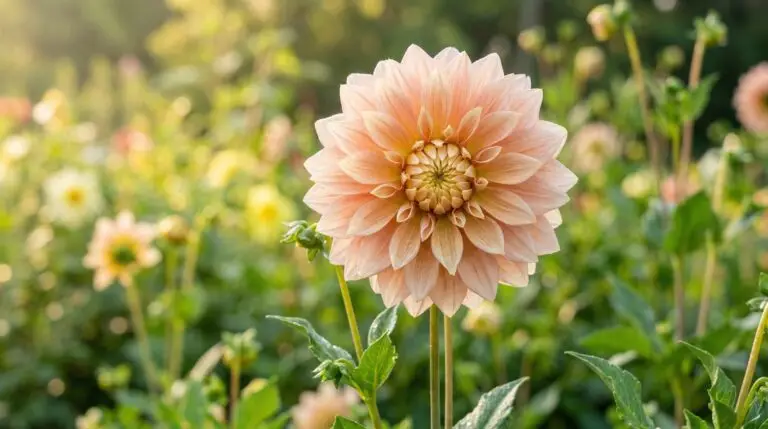
How to divide dahlia tubers in spring for more plants from your collection
How to grow dinner plate dahlias for enormous blooms that stop people in their tracks
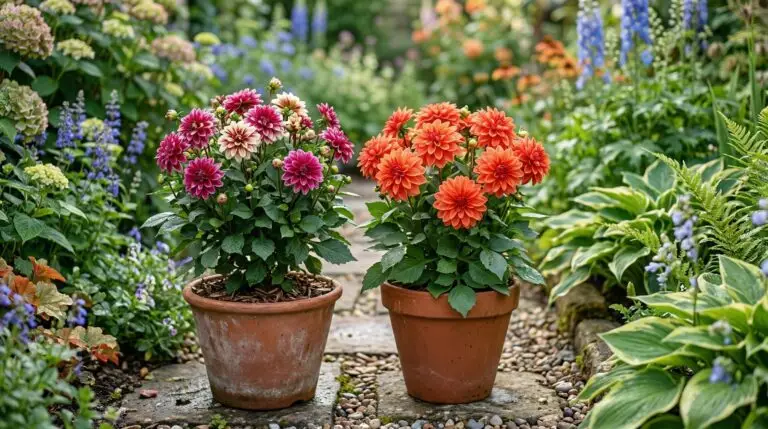
Growing dahlias in containers for a patio flower show from midsummer to frost
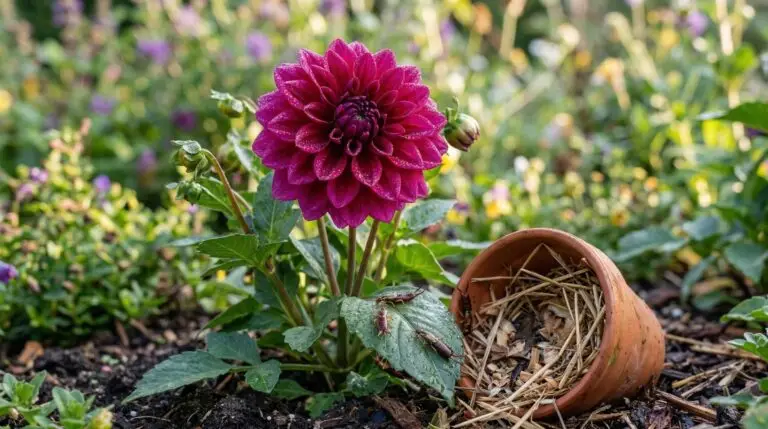
Dahlia pests and diseases including earwigs slugs and powdery mildew solutions