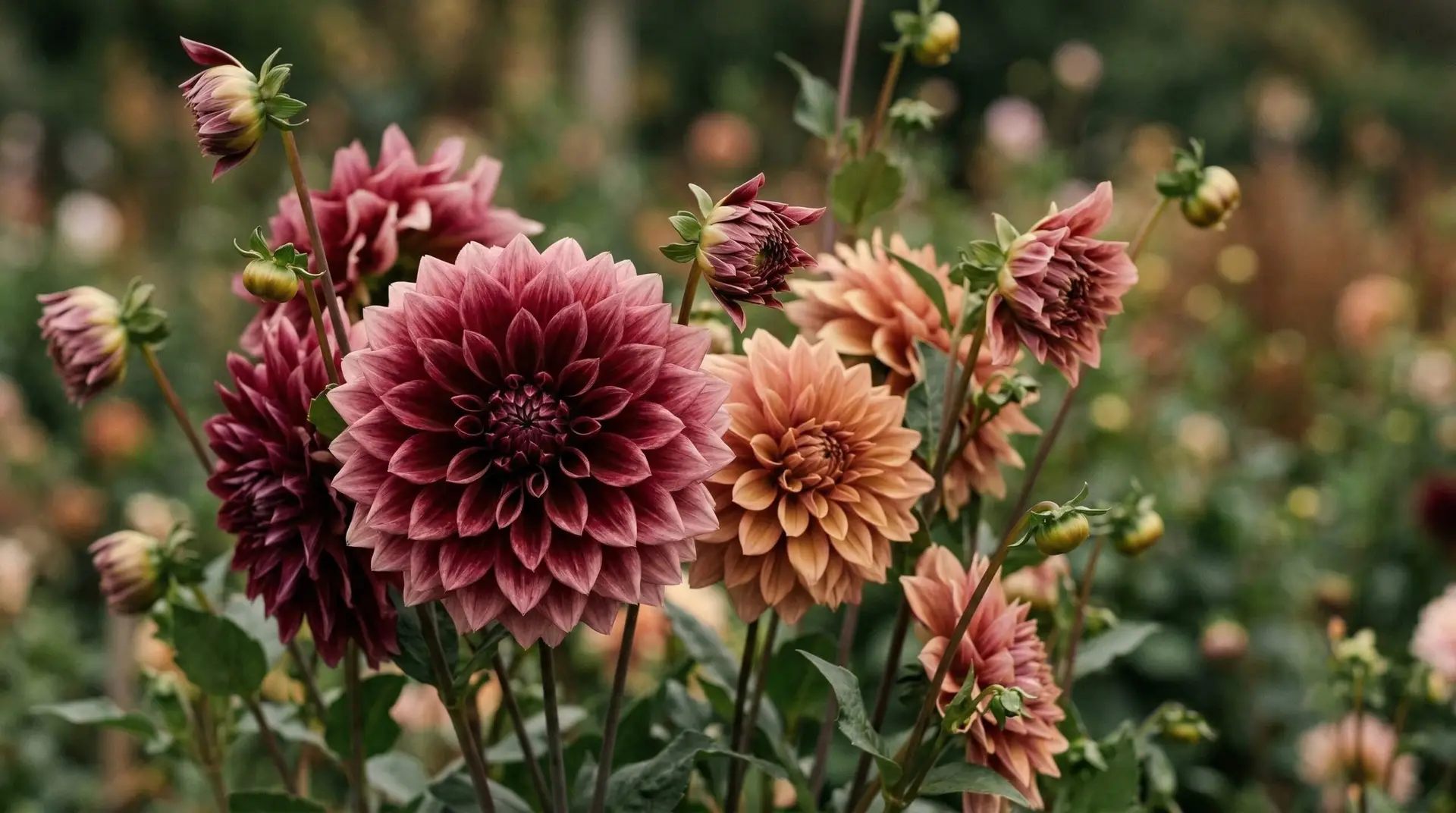
The history of the dahlia begins in the high-altitude pine and oak forests of central Mexico long before the Spanish conquest. The Aztecs cultivated a tall, tuberous plant they called Acocotli or Cocoxochitl, a name that translates to water cane in the Nahuatl language. Indigenous physicians valued the plant for its thick, hollow stems, which hunters and travelers used to carry water across long distances in the arid highlands. Traditional healers extracted a naturally sweet substance from the fibrous tubers to treat various ailments, particularly digestive issues, long before modern scientists identified this healing compound as inulin. The indigenous peoples of Mesoamerica also utilized the plant as a reliable food source, roasting the tubers over open fires to soften their dense texture. The plant held practical, nutritional, and medicinal value rather than strictly ornamental importance in daily Aztec society. When Spanish botanists arrived in the sixteenth century, they carefully documented these diverse uses in early botanical manuscripts like the Badianus Manuscript. The seeds and tubers eventually crossed the Atlantic Ocean in the holds of wooden ships, beginning a botanical transformation that would change European gardens forever.
Contents 4 sections
The journey from Aztec medicine to European botanical gardens
The true European history of the dahlia began in the late eighteenth century when Vicente Cervantes of the Mexico City Botanical Garden sent plant parts to the Royal Gardens of Madrid. Abbé Antonio José Cavanilles, a prominent Spanish botanist, received these dormant specimens in 1789 and successfully coaxed them into bloom two years later in the royal greenhouses. He named the new genus in honor of Anders Dahl, a respected Swedish environmentalist and student of the famous taxonomist Carl Linnaeus. Early European cultivators actually hoped the starchy tubers would rival the potato as a reliable, cold-hardy food crop for the continent’s growing population. The tubers proved far too bitter for European palates, but the remarkable physical variability of the blooms quickly captured the attention of the aristocratic horticultural world. By the early nineteenth century, nurserymen in France and England realized the plant possessed an unusual genetic trait that allowed it to produce a massive variety of flower shapes and colors. This genetic plasticity sparked an obsessive breeding craze among wealthy collectors that mirrored the earlier tulip mania in the Netherlands. Gardeners traded rare tubers for exorbitant sums, establishing the dahlia as a status symbol among the European elite.
Elegance and inner strength in the Victorian language of flowers
As the plant saturated European estate gardens in the nineteenth century, it entered the complex vocabulary of floriography, the strict Victorian language of flowers. Proper society relied on published floral dictionaries to decode the hidden messages sent through carefully arranged bouquets and lapel pins. In this silent dialogue of polite society, the dahlia was the definitive symbol of elegance, dignity, and inner strength. Unlike the delicate spring blooms that withered quickly under the harsh summer sun, the dahlia produced its most spectacular flowers late in the season when the weather turned cold. This late-summer and autumn blooming habit led Victorians to associate the plant with a mature, tested resilience that survives when easier paths fail. While a suitor might send a classic garden rose to express immediate romantic passion, sending a dahlia communicated a profound respect for the recipient’s character and personal fortitude. The flower signaled a bond based on mutual strength and lasting admiration rather than fleeting, superficial infatuation. Giving a dahlia meant recognizing a quiet, enduring power in another person, making it a popular gift among close confidants and respected elders.
Deciphering dahlia color meaning in historical contexts
The strict rules of Victorian flower arranging dictated that every color variation carried a precise modification of the plant’s core message of dignity. Red dahlias communicated a message of power and warning, often given to someone facing a difficult trial, a severe illness, or a formidable opponent in business. White dahlias meant purity of intention and focused energy, making them a popular choice for young women entering high society or individuals undertaking serious new religious responsibilities. Pink and purple dahlias softened the flower’s imposing geometric architecture, conveying messages of grace, kindness, and gentle dignity within the home. Yellow and orange dahlias signaled a cheerful resilience, reminding the recipient to maintain their joy and optimism through difficult personal circumstances. Much like the late-season blossoms of the popular autumn chrysanthemum, these bright dahlias brought warmth to the garden just as the daylight hours grew shorter. Senders carefully selected these specific hues to tailor their messages of support, ensuring the recipient understood the exact nature of their admiration. Mixing different colors in a single arrangement allowed the sender to craft complex sentences of encouragement without writing a single word.
The national flower of Mexico and modern cultivation
The dahlia returned to its cultural origins when the Mexican government officially declared it the national flower in 1963. This formal declaration recognized the deep historical ties between the indigenous populations of Mesoamerica and the incredible botanical wealth of the region. Modern Mexican agricultural institutions continue to study the wild species growing in the mountainous regions, preserving the original genetic material that started the global fascination centuries ago. Today, gardeners around the world plant dormant tubers in the spring, participating in an agricultural tradition that spans continents and empires. Modern hybridizers still rely on the exact same genetic instability that Abbé Cavanilles observed in Madrid to create new forms, from massive dinner-plate varieties to tight, geometric pompons. When a dahlia opens its mathematically precise petals in a contemporary backyard, it carries the legacy of Aztec physicians, Spanish botanists, and Victorian romantics. The flower is a living artifact of human history, connecting modern cultivators to the centuries of careful observation and breeding that shaped its evolution. Growing these resilient plants today keeps the ancient traditions of cultivation alive in the modern soil.
More About Dahlia
Dahlia wedding flowers and why brides are choosing dahlias over traditional roses
Dahlia tuber storage over winter so your favorite varieties survive until spring
How to pinch and disbud dahlias for more flowers or bigger individual blooms
Dark-leaved dahlias that bring drama with stunning foliage and jewel-toned flowers
How to divide dahlia tubers in spring for more plants from your collection
How to grow dinner plate dahlias for enormous blooms that stop people in their tracks
Growing dahlias in containers for a patio flower show from midsummer to frost
Dahlia pests and diseases including earwigs slugs and powdery mildew solutions
Best dahlia varieties for a cutting garden that produces armloads of flowers all season
Enjoying our flower guides? Add YourFlowersGuide as a preferred source on Google. It helps more readers find us.
Add to Preferred Sources