Snapdragons function as an essential vertical accent in cool-season garden compositions. When we look at a garden bed in early spring or late autumn, the dominant shapes are often low and mounding. Snapdragons introduce necessary upward movement, breaking up flat horizontal planes and guiding the viewer’s eye toward the middle and back of the border. They act as structural anchors when summer perennials are dormant or just beginning to emerge from the cold soil. The architecture of their flower spikes provides a strong vertical line that contrasts sharply with the rounded forms of most cool-weather annuals. Using them effectively requires thinking about this verticality and placing them where their height can create depth without blocking sightlines to lower-growing plants.
Designing with spring cool-season companions
Creating a successful spring composition relies on pairing the rigid, upright posture of snapdragons with softer, more complex floral shapes. The dense, multi-petaled blooms of ranunculus offer an ideal textural counterpoint to the linear spikes of snapdragons. From a color theory perspective, you can build rich harmonies by pairing apricot or soft yellow snapdragons with deep burgundy ranunculus. This combination of a tall, structural spike and a heavy, ruffled focal flower creates a sophisticated tension in the garden bed. The ranunculus sits lower, acting as a mid-ground anchor, while the snapdragon pulls the visual weight upward. This arrangement ensures that the eye travels vertically through the planting rather than resting in one place.
To complete a spring triad, you need a low-growing filler to mask the bare lower stems of the snapdragons. Pansies fulfill this role perfectly, creating a dense, colorful carpet that grounds the entire composition. You can choose pansies in analogous colors to soften the transition from the ground to the vertical spikes, or use complementary colors to create sharp, deliberate contrast. Behind the snapdragons, sweet peas can climb up obelisks or trellises to provide an airy, trailing backdrop. The fine foliage and delicate tendrils of the sweet peas soften the rigid lines of the snapdragon spikes. Together, the pansies, snapdragons, and sweet peas occupy three distinct horizontal layers, ensuring the garden space feels fully realized and intentionally scaled.
Transitioning color palettes for autumn gardens
When the intense heat of summer subsides, snapdragons often experience a strong resurgence in growth and bloom production. This second peak allows them to play a central role in autumn garden designs alongside traditional fall favorites. Chrysanthemums are the default mounding plant of the autumn garden, but they can look heavy and visually static on their own. Planting tall snapdragons directly behind or interspersed among mums instantly relieves this visual heaviness. The spiky, tubular flowers of the snapdragons contrast effectively with the dense, daisy-like composite blooms of the chrysanthemums. If you select deep crimson or rust-colored snapdragons, they integrate seamlessly into the warm, earthy color palette typical of late-season garden designs.
Fall compositions also benefit greatly from the introduction of bold, coarse foliage to balance delicate floral textures. Ornamental kale provides massive, cabbage-like rosettes that sit low to the ground and anchor the visual space. The fine, narrow leaves and slender stems of snapdragons look highly refined when positioned next to the thick, waxy leaves of the kale. Before the first hard frost arrives, you can weave marigolds into the front of the border to bridge the gap between the tall snapdragons and the low kale. The ruffled texture of the marigold blooms mediates between the smooth kale leaves and the complex snapdragon florets. This layered approach creates a rich, highly textured autumn border that maintains its structure well into the colder months.
Understanding texture and vertical placement
The physical structure of a snapdragon plant dictates its placement within a larger garden layout. Tall varieties require a position in the middle or back of a border, where they can rise above intermediate plants without obscuring them. Their foliage is relatively sparse and linear, which means they do not provide much visual mass on their own. They need companion plants with broader leaves to fill the gaps between their stems and create a solid base. When designing a curved garden bed, placing groupings of tall snapdragons at the deepest point of the curve exaggerates the sense of depth. Dwarf varieties, conversely, work well at the very edge of pathways, where their short, clustered spikes create a repeating rhythmic border.
A thoughtful garden design must account for how a space transitions from one season to the next. As spring turns to summer and cool-season plants begin to fade, the garden requires a succession strategy to maintain its vertical structure. You can interplant snapdragons with warm-season annuals that will take over the vertical role as temperatures rise. For example, early-sown cosmos can grow up through the fading snapdragon foliage, replacing their rigid spikes with tall, airy stems and daisy-like flowers. This overlapping technique ensures the middle and back of the border never look empty. The transition feels organic because both plants serve a similar structural purpose, drawing the eye upward and providing movement in the breeze.
Applying the principle of structural contrast
The most effective way to use snapdragons is to strictly apply the design principle of structural contrast. You should always pair a spiky, vertical plant with a mounding, trailing, or flat-topped companion. If you plant snapdragons next to other vertical spikes like delphiniums or foxgloves, the plants compete visually and the design becomes chaotic. Placing them next to rounded forms or broad foliage allows the snapdragons to read clearly as distinct architectural elements. Their value lies entirely in their ability to pierce through horizontal lines and add height to a planting scheme. By treating them as deliberate vertical accents rather than generic filler, you can build cool-season gardens that possess genuine structural integrity and visual balance.
More About Snapdragon
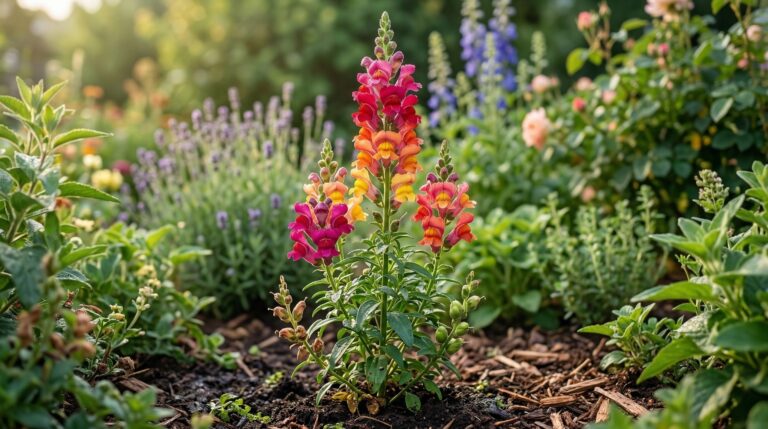
Snapdragons as cool-season cut flowers for spring bouquets when summer flowers are months away
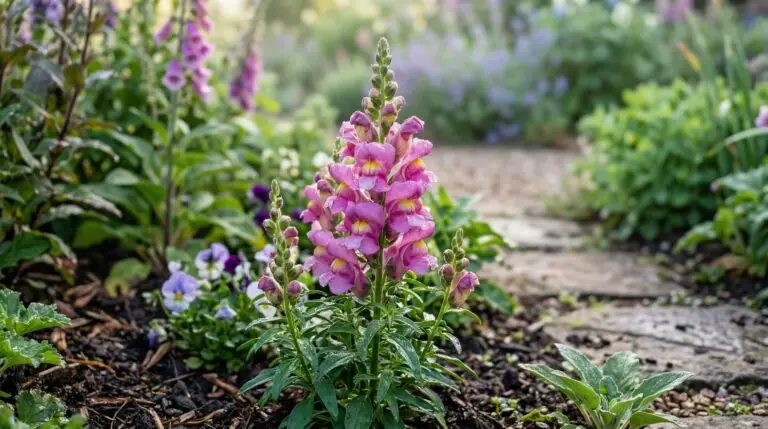
How to grow snapdragons for vertical spikes of color that bloom in cool weather
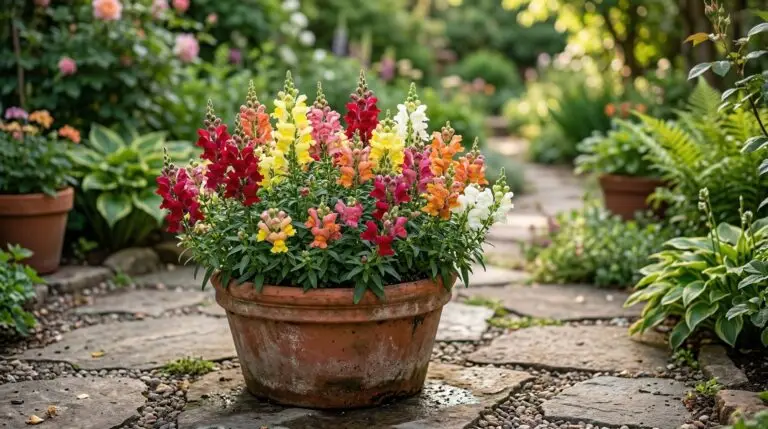
Snapdragons in containers and window boxes for vertical drama in small spaces
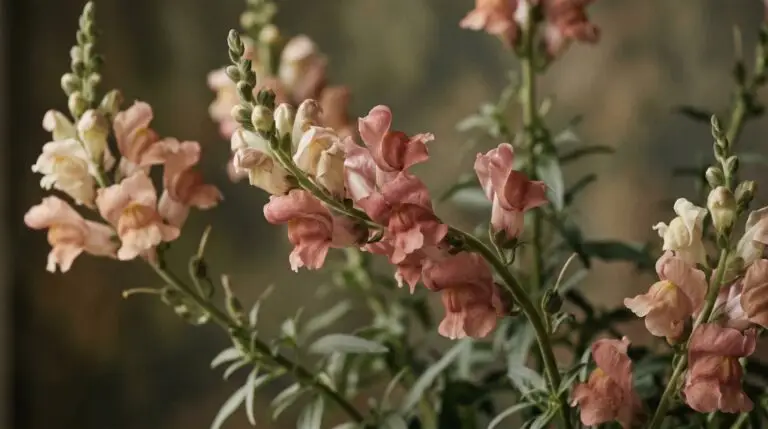
Snapdragon flower meaning and the dragon mouth shape that delights children everywhere
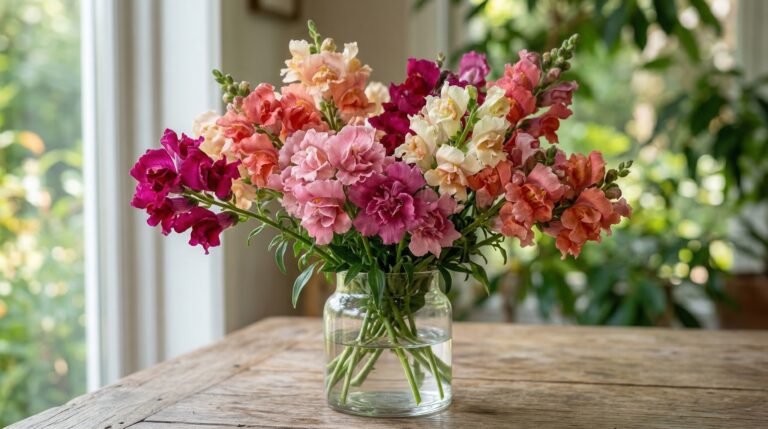
Madame Butterfly snapdragons the double-flowered variety that looks like miniature sweet peas
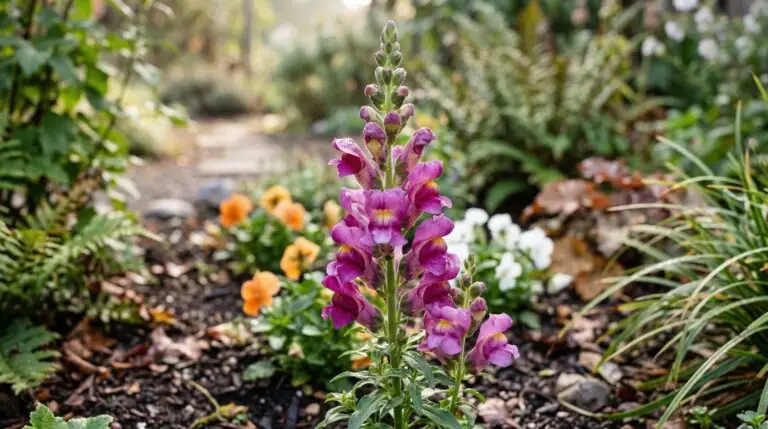
Why snapdragons die in summer heat and how to grow them as fall flowers instead
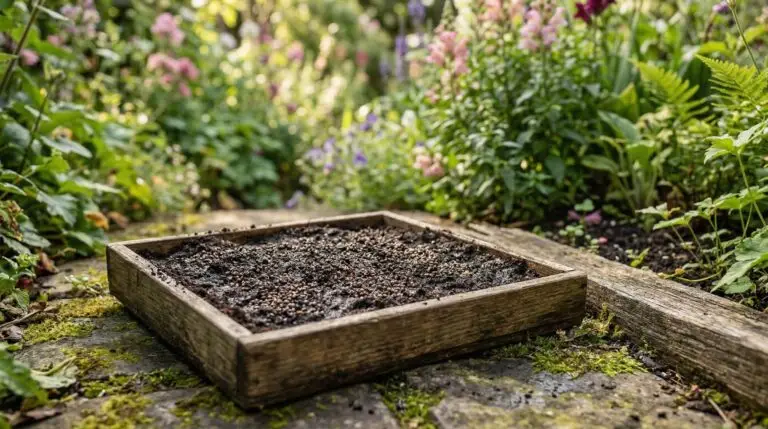
Growing snapdragons from seed and the tiny seeds that need light to germinate