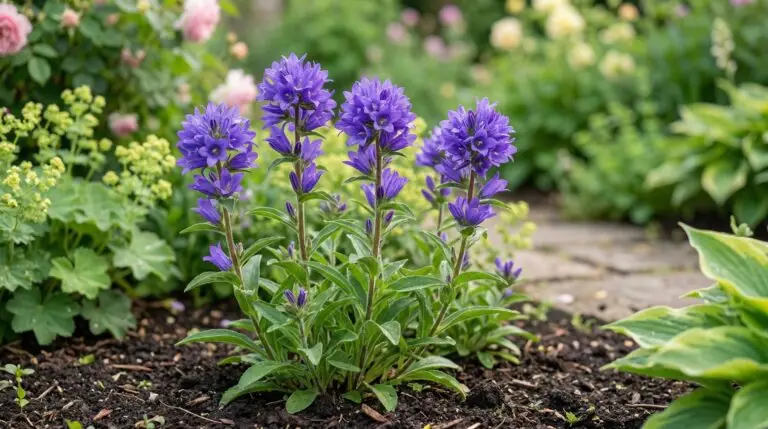
Gardeners often wake up to find their once healthy campanula plants looking like Swiss cheese or collapsing completely overnight. You plant these reliable bellflower perennials expecting a steady display of color, but instead, you are left looking at ragged foliage, orange spots, or unexplained wilting. When campanula pests move in, they work quickly, and ignoring the early warning signs usually leads to dead plants. Most of the problems you will encounter come down to three specific issues that thrive in the exact conditions these plants prefer. By understanding how slugs, fungal infections, and root-eating insects operate, you can stop the damage before it ruins your garden. The key is recognizing what specific damage looks like so you can apply the right organic solution instead of guessing.
Recognizing and stopping campanula slug damage
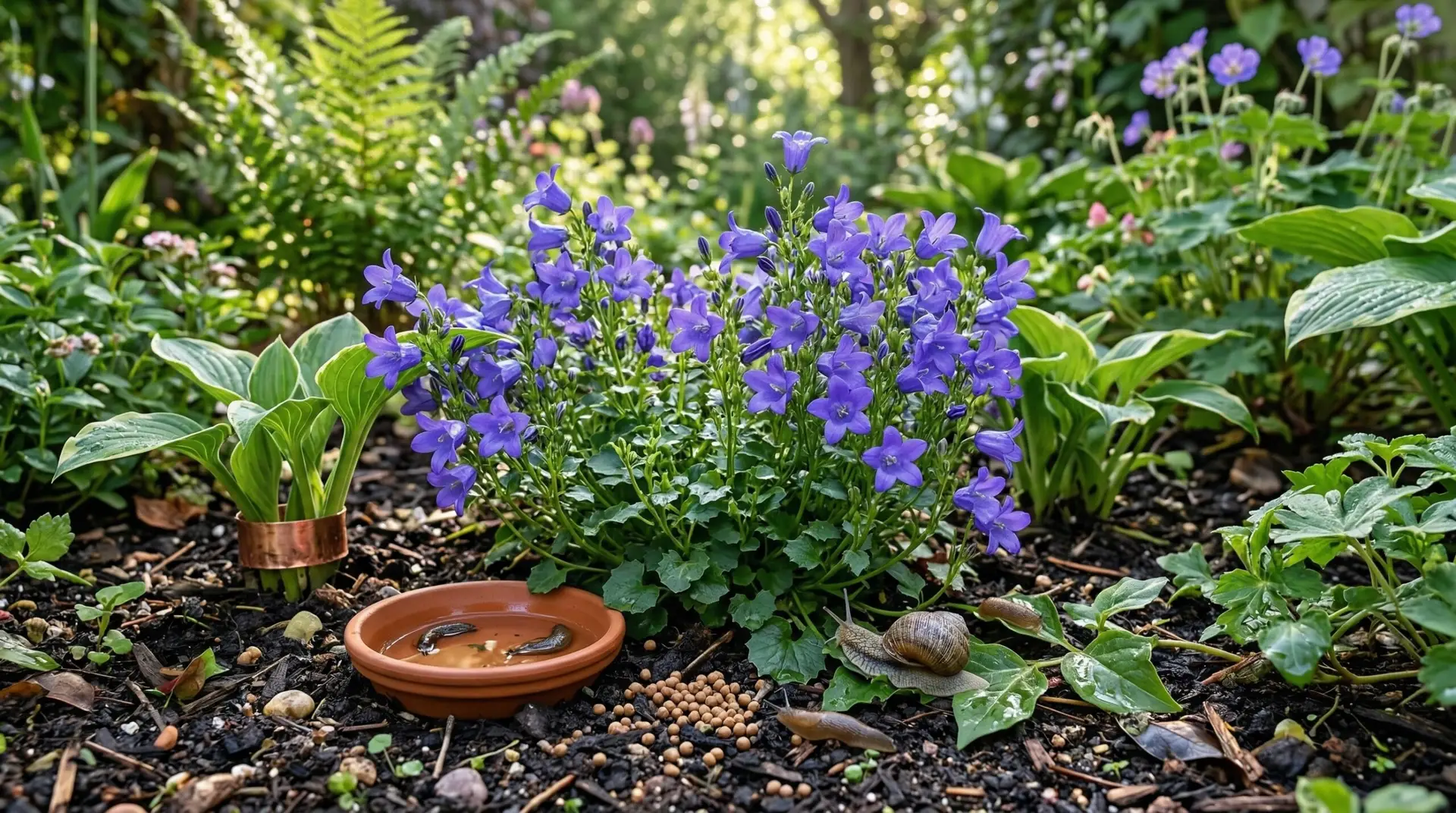
When you see large, irregular holes in the middle of your leaves or notice that entirely new shoots have vanished, you are dealing with campanula slug damage. Slugs and snails are drawn to the soft, succulent foliage that stays close to the damp soil where these pests prefer to hide during the day. You will often find shiny, dried slime trails crisscrossing the remaining leaves or the soil surface nearby. Because slugs feed primarily at night or during heavy rain, you might never actually see the pest causing the destruction unless you go out with a flashlight after dark. The low-growing habit of many bellflower varieties creates the perfect humid microclimate underneath the foliage, giving slugs a protected buffet right at ground level.
To fix this problem, you need to change the environment and introduce targeted organic controls. Start by shifting your watering schedule to the early morning so the soil surface has time to dry out before the nocturnal pests become active. If the damage is already severe, apply an organic iron phosphate bait around the base of the plants. Iron phosphate works by causing the slugs to stop feeding immediately, and they will crawl away to die without posing any risk to birds, pets, or beneficial insects. You should also clear away dead leaves, thick mulch, and hiding spots like empty pots or debris immediately surrounding the plant to force the slugs to find shelter elsewhere.
Dealing with campanula rust and fungal issues
If your plant leaves start showing powdery orange, yellow, or brown bumps on their undersides, you are dealing with campanula rust. This fungal disease typically appears when the weather is warm and humid, or when plants are crowded too closely together without adequate air circulation. The tops of the infected leaves will eventually develop pale yellow spots before the entire leaf dries up and drops off the plant. Rust spreads through microscopic spores that splash up from the soil during heavy watering or catch a ride on the wind to infect neighboring plants. When rust takes hold, it drains the energy from the plant, causing stunted growth and a complete lack of flowering if left untreated.
There is no cure for leaves that already have rust, so your immediate action must be aggressive pruning. You need to cut off every single leaf that shows those orange pustules and throw them in the trash, never in your compost pile where the spores can survive the winter. To prevent the fungus from returning, you must alter how you maintain the garden bed by spacing your plants further apart to let the wind dry the foliage. Always water directly at the soil level using a drip line or a carefully aimed watering can to keep the leaves completely dry. In severe cases where the rust has covered the entire plant, the most practical solution is to dig the plant up and destroy it to protect the rest of your garden.
Managing vine weevils in container plantings
Gardeners growing campanula in pots often face a completely different and far more deceptive pest known as the vine weevil. The adult weevils are nocturnal beetles that chew very distinct, C-shaped notches into the outer edges of the leaves. While this above-ground damage is unsightly, it is actually the larval stage of the insect that will kill your plant. The adult weevils lay their eggs in the potting soil, and the resulting white, legless grubs spend the winter and spring devouring the plant roots from the inside out. You will usually discover the problem when a potted plant suddenly wilts and collapses, even though the soil feels perfectly moist to the touch.
If you suspect a vine weevil infestation, you must gently pull the wilting plant out of its container and inspect the rootball. When you find the plump, white grubs curled up in the soil, you need to wash all the old potting mix off the remaining roots and repot the plant in fresh soil. For a less disruptive approach, you can apply beneficial nematodes to the soil as a biological control during the warmer months. These microscopic worms actively hunt down and kill the weevil grubs in the soil without harming the plant or any other beneficial insects. To prevent adult weevils from accessing your containers in the first place, try coating the upper outside rim of the pots with a sticky insect barrier that traps them as they try to climb up at night.
Using companion planting as a natural deterrent
You can reduce the pressure from all these pests by changing how you arrange the plants in your garden beds. Planting large blocks of a single species creates an easy target for specialized insects and diseases that can quickly wipe out the entire patch. By mixing strongly scented herbs like garlic, chives, or mint around your vulnerable plants, you confuse pests that rely on smell to find their next meal. You can also use taller, structurally robust plants like Delphinium elatum to cast light shade and change the moisture dynamics of the soil below. This mixed planting approach forces pests to work harder to locate their preferred food source, which naturally limits the amount of damage any one plant sustains.
The most useful piece of advice for managing any garden problem is to walk your beds frequently and look closely at the lower leaves of your plants. Pests and diseases always start small, usually hiding near the soil line or on the undersides of the foliage where casual observation misses them. If you catch a few slugs early in the season or pick off the very first leaf showing rust spots, you can solve the problem in minutes. Waiting until a plant is half eaten or completely yellowed means you will spend weeks fighting an uphill battle. Consistent, close observation is the single most effective tool you have for keeping your plants healthy and thriving.
More About Campanula

Campanula in European wildflower meadows and how to recreate the look at home
Campanula for shady garden spots where color is hard to find
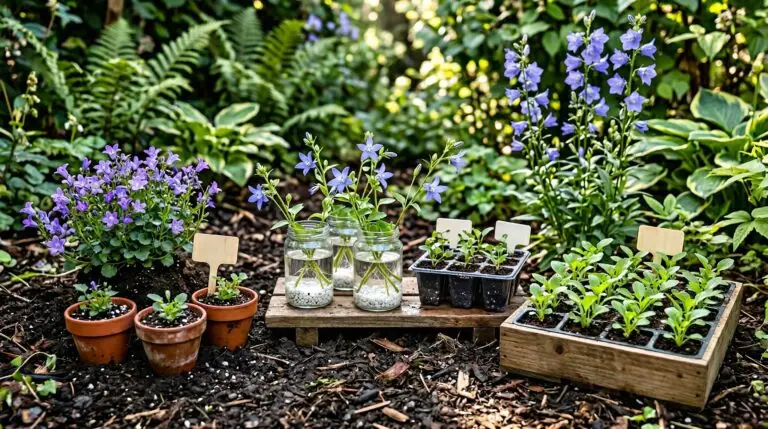
How to propagate campanula from stem cuttings root division and seed

How campanula adapts to different growing conditions from mountains to meadows
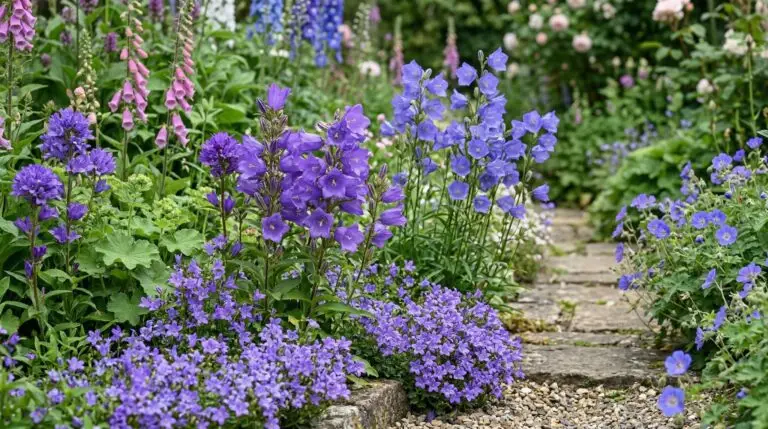
Campanula persicifolia the elegant peach-leaved bellflower for cottage gardens
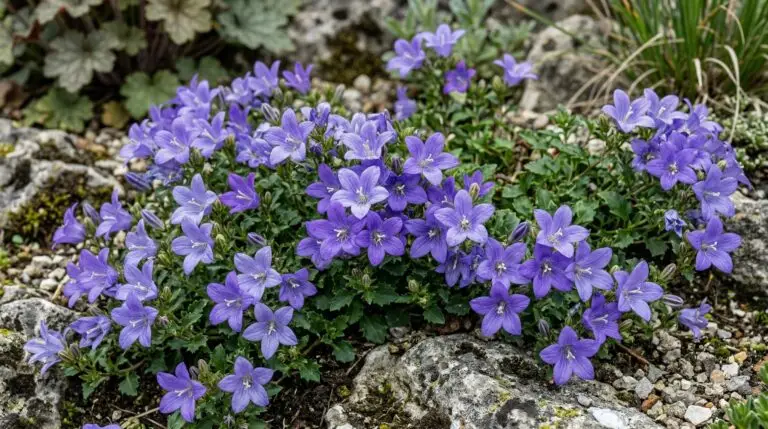
A guide to campanula species for rock gardens alpine troughs and stone walls
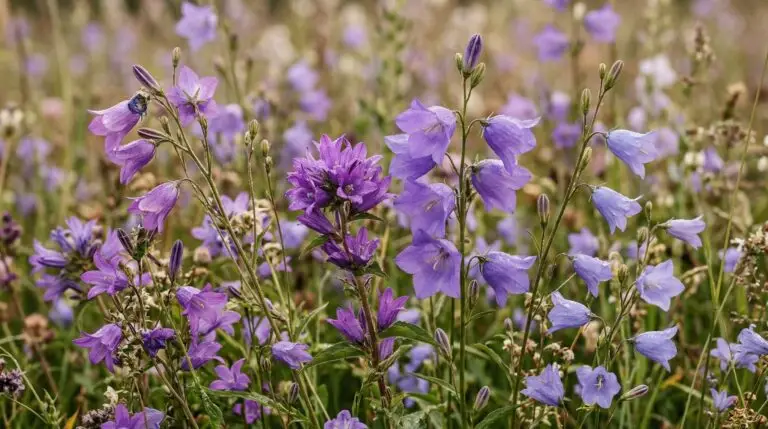
The botanical diversity of campanula with over 500 species across the world
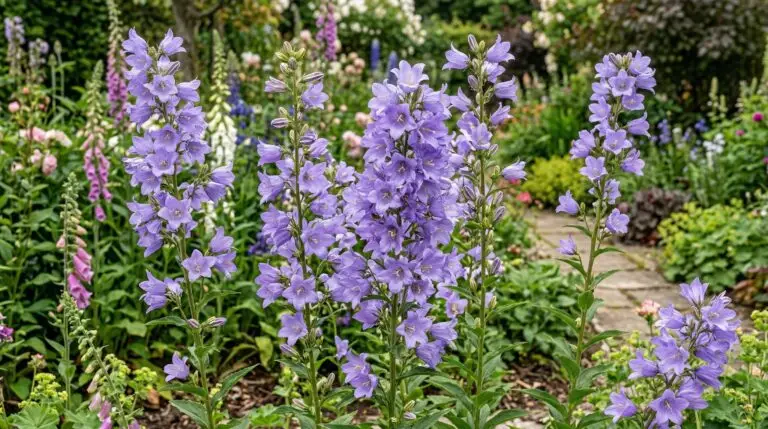
Campanula lactiflora and the tall milky bellflowers for the back of the border