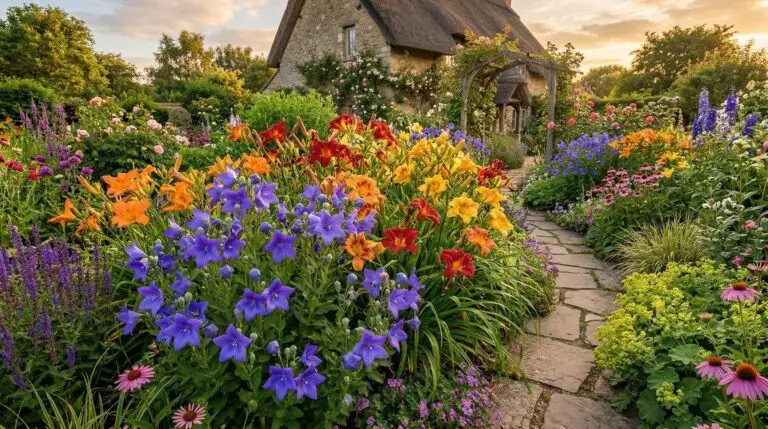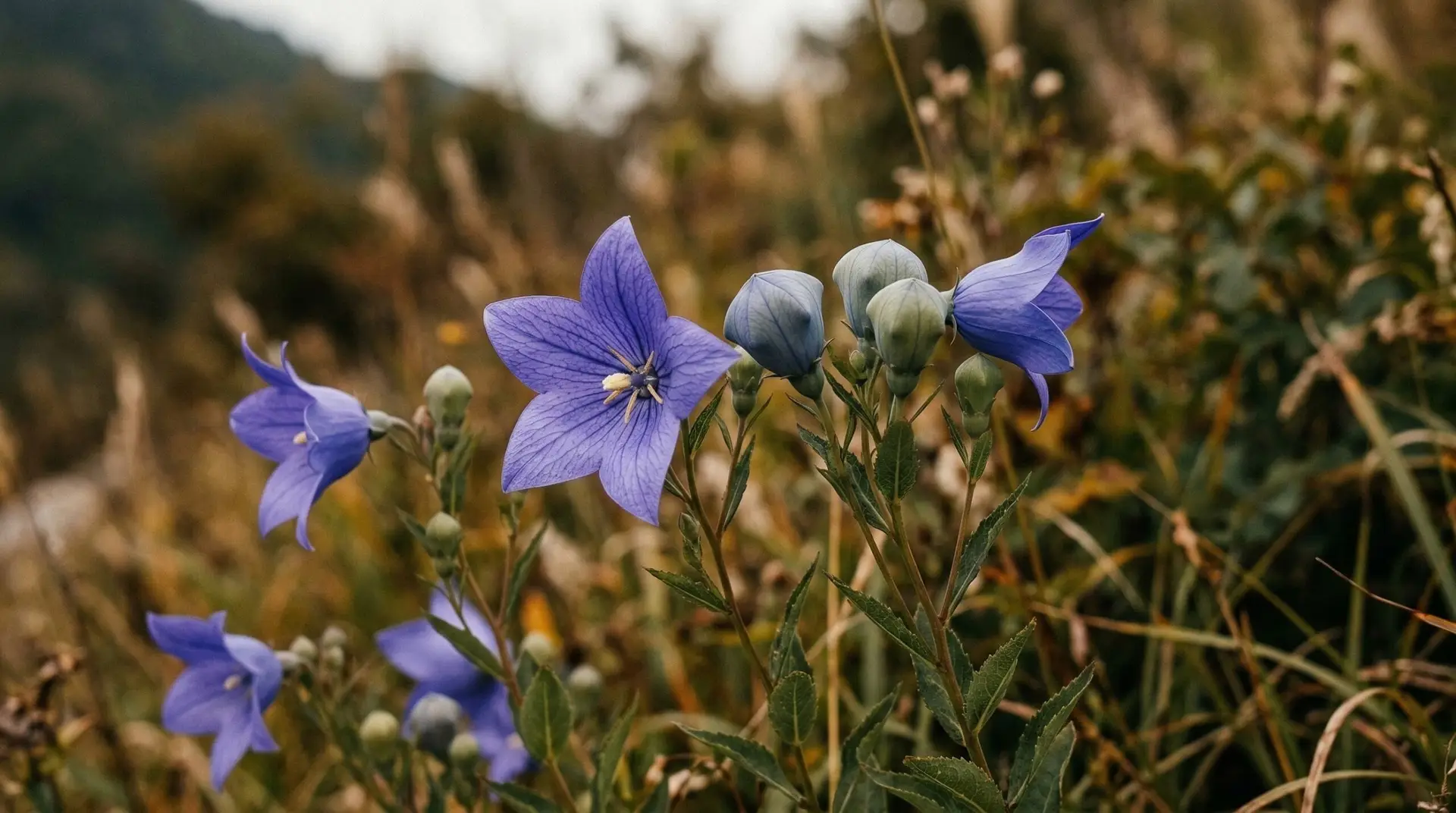
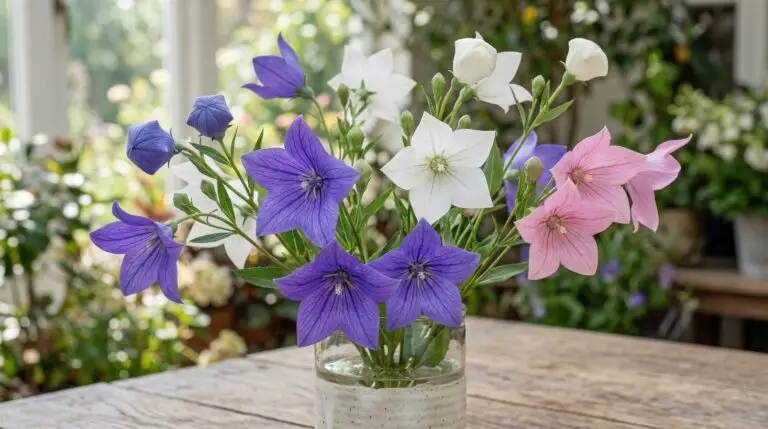
Late summer in the mountains of East Asia brings a quiet transformation to the slopes and meadows. A herbaceous perennial begins to produce pale green buds that inflate like tiny, origami lanterns over several weeks. When these pressurized chambers finally burst open, they reveal a distinctive five-pointed star in deep violet or pristine white. This is the balloon flower, known botanically as Platycodon grandiflorus. To a modern gardener, the popping buds offer a moment of garden whimsy and reliable late-season color. To historians of East Asia, the plant carries a much heavier weight of tradition, survival, and poetic meaning. The balloon flower meaning shifts depending on which side of the Korea Strait you stand. In Korea, the plant is a staple of survival, while in Japan, it is a symbol of aristocratic elegance.
The doraji tradition in Korean culture
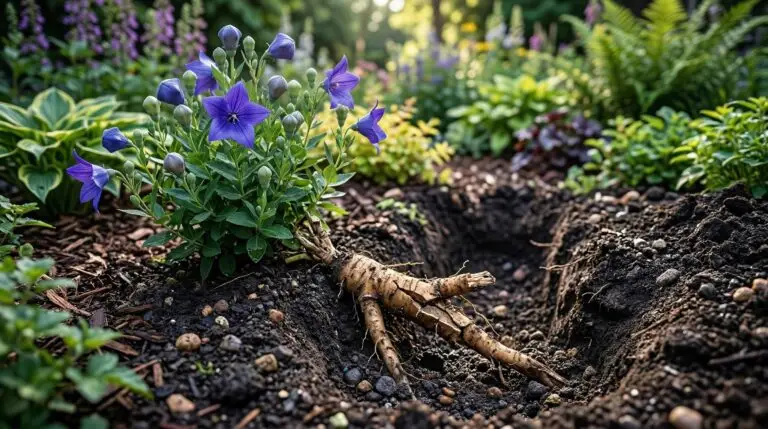
In Korean culture, the plant is known as doraji, and its cultural significance lies entirely hidden beneath the soil. For centuries, Korean foragers climbed into the rocky, mountainous terrain of the peninsula to harvest the thick, fleshy taproots of the wild balloon flower. This act of foraging is immortalized in “Doraji Taryeong,” one of the most famous traditional folk songs of the Korean peninsula. The lyrics sing of the white doraji roots in the mountains, capturing the rhythm of rural life and the physical labor required to extract them from the earth. The root itself has a distinctively bitter taste, which cooks mellow by soaking and rubbing the harvested pieces with coarse sea salt. Once prepared, doraji is a foundational element of Korean cuisine, frequently appearing as a seasoned vegetable side dish or as a crucial textural component in traditional bibimbap. The practical, earthy relationship Koreans have with the plant contrasts sharply with how neighboring countries view the very same species.
Beyond the kitchen, the doraji root holds a central place in traditional Korean herbal medicine. Historical apothecaries prescribed the dried and processed root to treat severe respiratory ailments, a practice that continues in modern holistic treatments. Harvesting typically occurred in the late autumn when the plant pulled its energy beneath the soil, ensuring the roots were at their most potent. The roots contain high levels of saponins, the same chemical compounds that give ginseng its medicinal reputation. Physicians would boil the thick taproots into dark, pungent teas or syrups designed to break up congestion and soothe inflamed throats during the harsh Korean winters. Families would cultivate patches of balloon flowers near their homes specifically to ensure a winter supply of this vital medicine. The Korean relationship with the balloon flower is fundamentally practical and deeply tied to physical survival, making the plant an anchor of rural domestic life.
The kikyo flower in Japanese samurai history
Across the sea in Japan, the cultural focus shifts upward from the root to the geometric blossom. The Japanese know the balloon flower as kikyo, and it holds an esteemed position in classical literature as one of the Seven Autumn Flowers, or Aki no Nanakusa. This poetic grouping originated in the eighth-century poetry anthology called the Manyoshu. Unlike the bold, cultivated displays of the chrysanthemum or the heavy spring blooms of the peony, the Seven Autumn Flowers were admired for their quiet, wild simplicity. Aristocrats and poets viewed the delicate kikyo as a seasonal marker, signaling the retreat of summer heat and the arrival of cooler, contemplative autumn winds. The flower appeared frequently in seasonal scroll paintings and lacquerware, favored for the crisp, clean lines of its five-pointed petals. The kikyo flower remains a staple motif in traditional Japanese arts, representing the melancholy beauty of the changing seasons.
The strict geometric perfection of the kikyo blossom eventually caught the attention of the Japanese warrior class. During the chaotic feudal periods, samurai clans adopted the stylized image of the balloon flower as a family crest, known as a kamon. The design usually featured the five petals enclosed in a ring, representing a balance of elegance and martial discipline. The most famous historical figure to bear the kikyo crest was Akechi Mitsuhide, a sixteenth-century general whose actions altered the course of Japanese history. Because Mitsuhide famously betrayed his lord, the kikyo crest carried a complicated legacy, viewed by some as a symbol of rebellion and by others as a mark of strict adherence to personal honor. Today, visitors to Japanese castles and historical shrines can still spot the five-pointed balloon flower carved into wooden roof tiles and painted onto ancient folding screens. The flower is a permanent fixture in the visual vocabulary of Japanese history.
Platycodon symbolism and the language of flowers
In the traditional language of flowers, platycodon symbolism translates to unchanging love, honesty, and obedience. This specific balloon flower meaning originates from a tragic East Asian folktale about a young woman who waited her entire life for her lover to return from a distant war. According to the legend, she waited until she grew old and died, at which point her body transformed into the balloon flower. The swollen bud mirrors her heavy, burdened heart, while the five-petaled star that emerges symbolizes her pure and unwavering devotion. This type of stoic, enduring romance contrasts sharply with the passionate declarations associated with spring blooms, aligning better with the melancholy mood of the autumn garden. Much like the winter-blooming camellia, the balloon flower embodies a quiet strength and a beauty that persists when other plants begin to fade. The story of the waiting lover gives the plant an emotional weight that matches its physical resilience.
Growing history in modern gardens
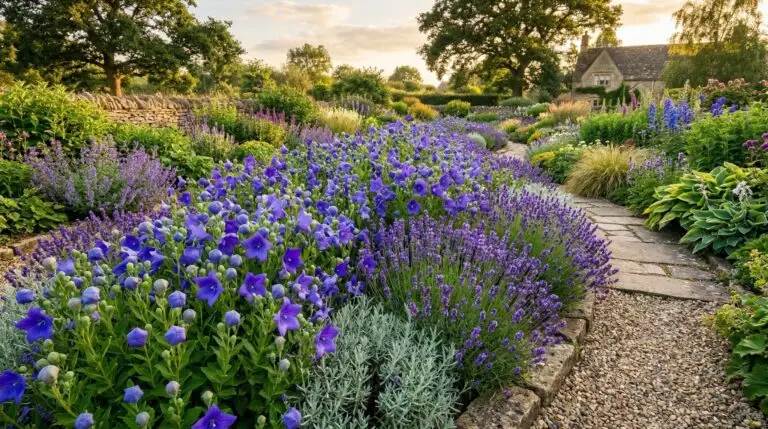
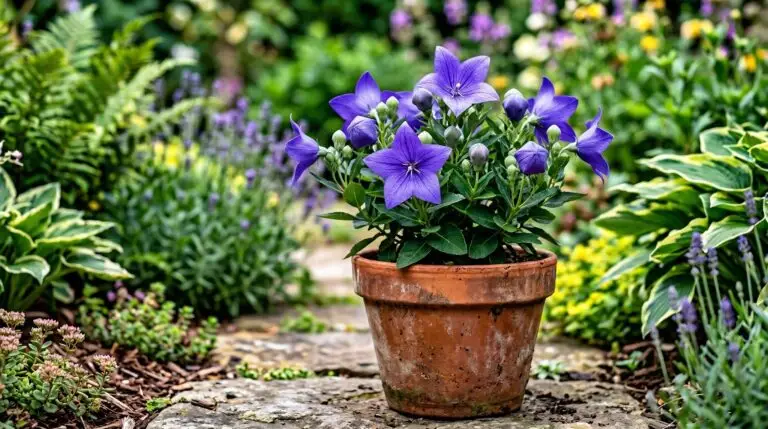
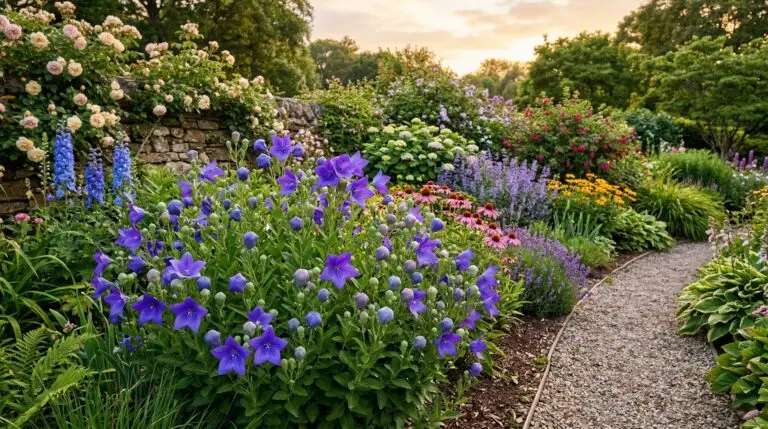
Modern gardeners who plant Platycodon grandiflorus are participating in a horticultural tradition that stretches back over a millennium. While ancient Korean foragers and Japanese poets interacted almost exclusively with the tall, wild species, modern hybridizers have bred compact varieties that fit easily into small residential borders. Cultivars like the Fuji series and the Sentimental Blue variety maintain the exact same balloon-like bud structure that fascinated historical observers, but on shorter, sturdier stems that do not require staking. The roots still resent being disturbed once planted, a biological quirk that echoes the plant’s long history as a deep-rooted survivor of rocky mountain slopes. When the inflated buds finally pop open in the late summer heat, they offer more than just a splash of violet or white. They are a living link to the samurai who wore their shape into battle and the mountain villagers who relied on their roots for winter survival. Planting them today keeps these ancient cultural narratives alive in the soil of the modern garden.
More About Balloon Flower
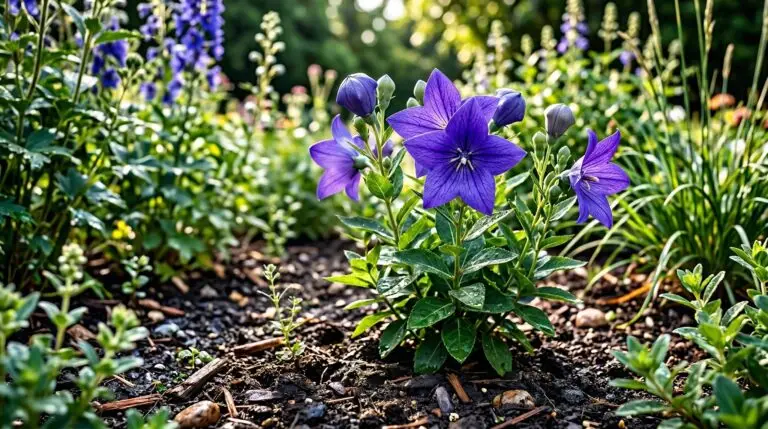
How to grow balloon flowers from seed for charming summer blooms year after year
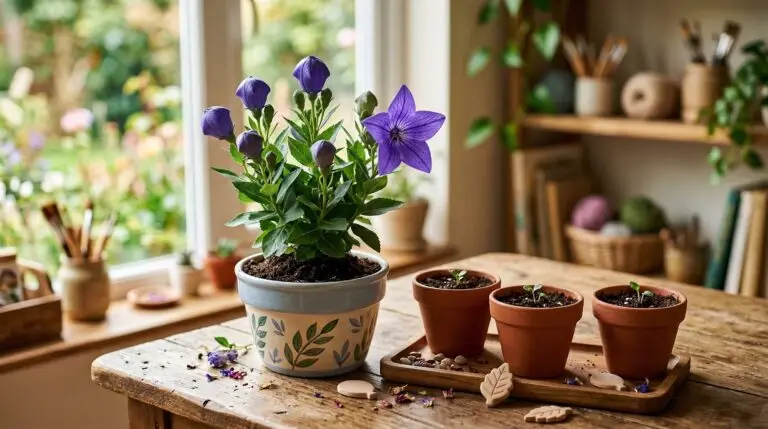
Balloon flowers in children’s gardens and why kids love watching the buds pop open
Designing a blue and purple perennial garden with balloon flowers as the star
Best balloon flower varieties including double blooms and dwarf forms for small gardens
Dividing and transplanting balloon flowers without killing the deep taproot
Growing balloon flowers in containers for a whimsical patio garden display
How to deadhead balloon flowers to keep them blooming through late summer
Why balloon flowers are late to emerge in spring and how to avoid digging them up