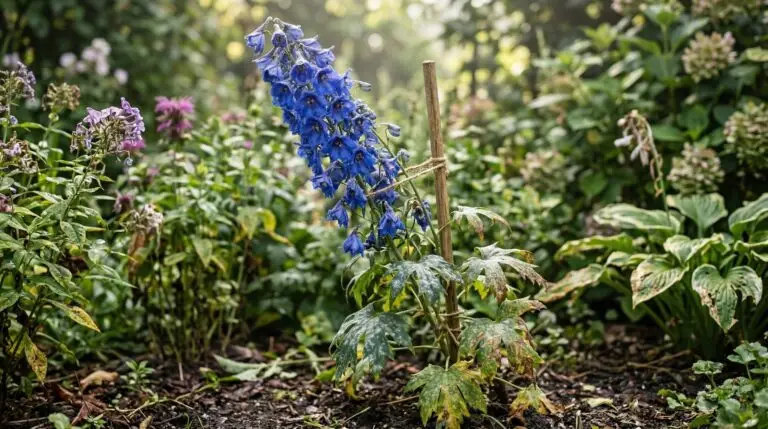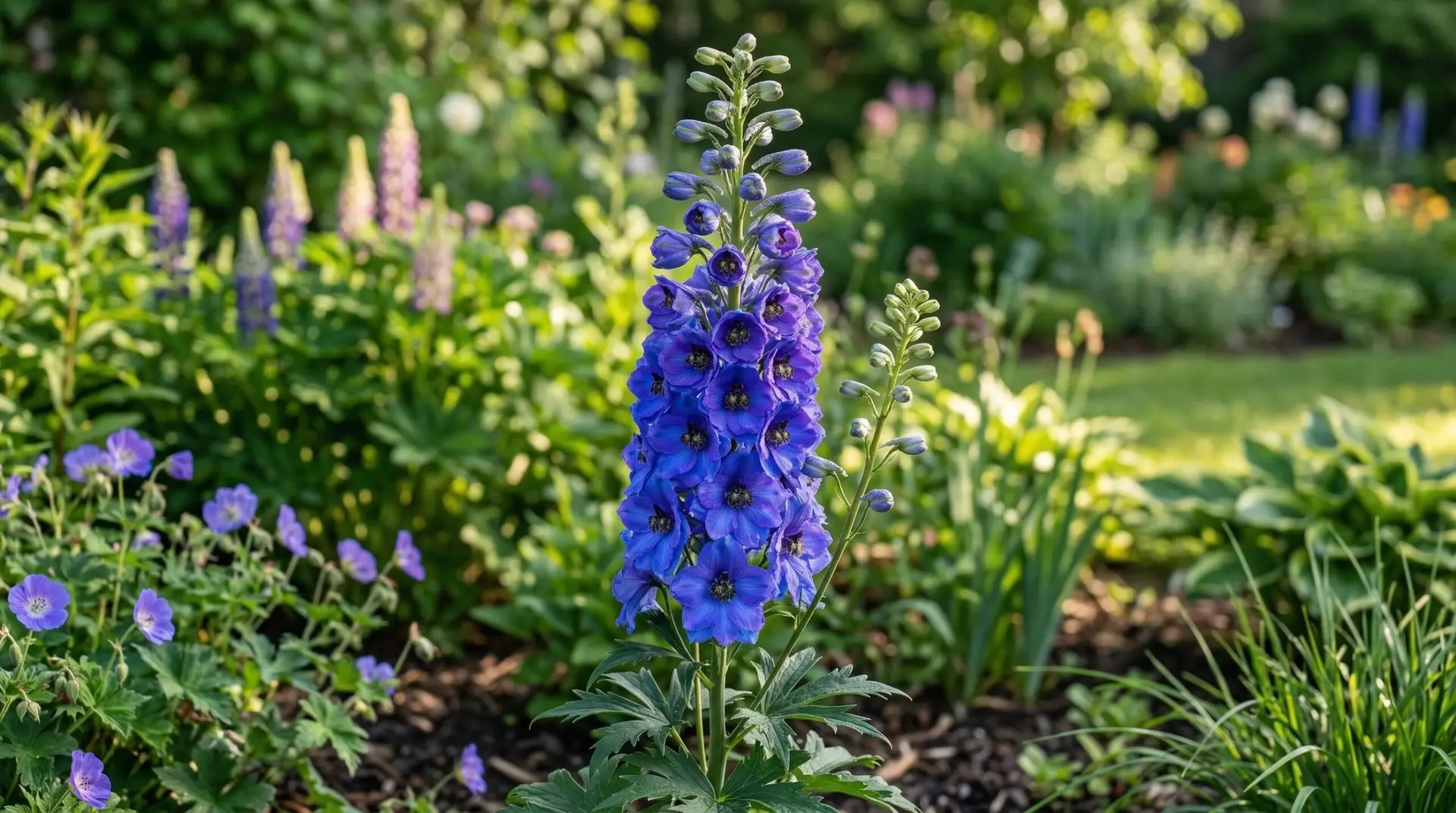
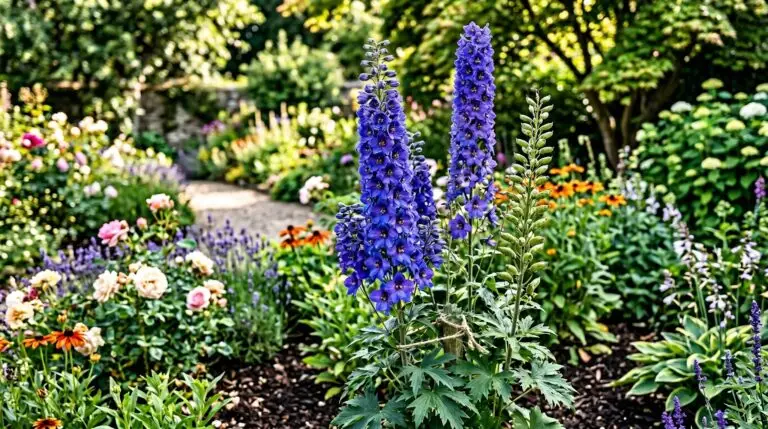
The early morning light catches the dew on a row of towering blue spires before the summer heat sets in. Standing sometimes six feet tall in the garden bed, Delphinium elatum commands attention with densely packed columns of ruffled petals. These majestic stalks bring an architectural presence to the garden that few other plants can match. When you sever one of these thick green stems and bring it indoors, the entire atmosphere of a room shifts immediately. The cool cerulean, deep indigo, and icy lavender tones offer a spectrum of true blues rarely found in the botanical world. Gardeners often discover that growing these giants specifically for the vase changes how they view their summer borders. A single stalk laid across a cutting bucket holds the promise of high drama for any floral design.
Bringing that garden grandeur inside requires a bit of understanding about how these massive stems behave once cut. The sheer volume of water required to keep dozens of individual florets hydrated is substantial. Every choice made from the moment the shears close around the base of the plant dictates the ultimate success of the display. Learning the rhythms of a perfect delphinium cut flower ensures those towering blues remain crisp and upright on the dining table.
Harvesting for the longest display
Timing the harvest dictates everything about how the flowers will perform indoors. The ideal moment to cut a stem arrives when the bottom quarter to one third of the individual blossoms have fully opened on the spike. The upper buds should remain closed but show clear, distinct color rather than tight green tissue. If you wait until the entire column is blooming in the garden, the lower petals will drop within a day of coming inside. Cutting too early carries the risk that the tightly packed top buds will simply dry out and never unfurl. Morning is the only acceptable time to harvest these heavy drinkers, while their plant tissues are fully saturated with overnight moisture. Taking a clean, sharp blade to the base of the stalk at a sharp angle maximizes the surface area for water uptake.
Once severed, the unique anatomy of the stem demands immediate attention. Delphinium elatum stems are completely hollow, resembling thick green drinking straws that can easily collapse or trap air. Many experienced growers turn the freshly cut stem upside down and pour cool water directly into the hollow cavity until it spills over. Plugging the bottom with a small piece of cotton or a thumb before plunging it into a bucket of water prevents air bubbles from blocking hydration. This simple extra step forces water straight up to the highest, most vulnerable buds.
Conditioning stems and extending vase life
The transition from garden to vase involves a resting period that florists call conditioning. A deep bucket filled with cool, clean water mixed with commercial floral preservative is essential for these massive blooms. The preservative provides the necessary sugars to help those tight upper buds open while keeping the water free of bacteria. Stems should sit in this deep water in a cool, dark room for at least four to six hours before you arrange them. This resting phase allows the tissues to firm up completely, ensuring the heavy flower heads do not droop over the edge of the container. Proper conditioning is the secret to maximizing delphinium vase life, which typically ranges from five to eight days under ideal indoor conditions.
Maintenance does not stop once the flowers are arranged in their final vessel. These plants are highly sensitive to ethylene gas, meaning they will drop their petals rapidly if placed near ripening fruit or decaying foliage. Changing the water every two days and giving the stems a fresh angled cut will keep the hydration pathways open. As the lower blooms inevitably fade and drop, simply plucking them off keeps the overall spike looking fresh while the upper buds continue their slow opening sequence.
Designing with towering spires
Creating delphinium arrangements requires embracing their dramatic vertical scale rather than fighting it. These are not flowers meant to be chopped down into small, tight cubes. They excel in large urns or tall cylindrical glass vases where their full stature can be appreciated from across a room. For grand events, their height makes them the premier choice for a wedding centerpiece that draws the eye upward toward high venue ceilings. When planning a mixed arrangement, you need secondary flowers that can hold their own against such massive vertical elements. A sturdy snapdragon offers a complementary spike shape in contrasting warm tones of peach or yellow. Layering these different spire shapes creates a garden-gathered aesthetic that feels both wild and highly intentional.
Color pairing with true blue requires thoughtful consideration to avoid a chaotic visual mix. Pure white blooms and silver foliage make the dark indigo delphiniums recede into cool, elegant shadows. For a more romantic, softer palette, the classic ruffled texture of a garden rose in pale blush or apricot provides a beautiful contrast to the rigid blue spikes. If you want to lean into intense summer color, the massive, fragrant trumpets of a pink lily will balance the visual weight of the heavy blue columns.
There is something satisfying about watching a carefully conditioned spire slowly open its final buds over the course of a week. The lower petals will eventually scatter across the tabletop, leaving a dusting of blue confetti that signals the end of the display. This fleeting nature is part of what makes cutting and arranging these garden giants so rewarding. They demand attention to detail, from the exact timing of the morning harvest to the careful filling of their hollow stems. The effort translates directly into a sculptural, living column of color that transforms the atmosphere of a room. When the last blue petal falls, the empty space they leave behind feels noticeably quiet. It is a reminder of the sheer presence these towering blooms bring indoors, waiting to be repeated when the next flush of buds colors up in the garden.
More About Delphinium elatum
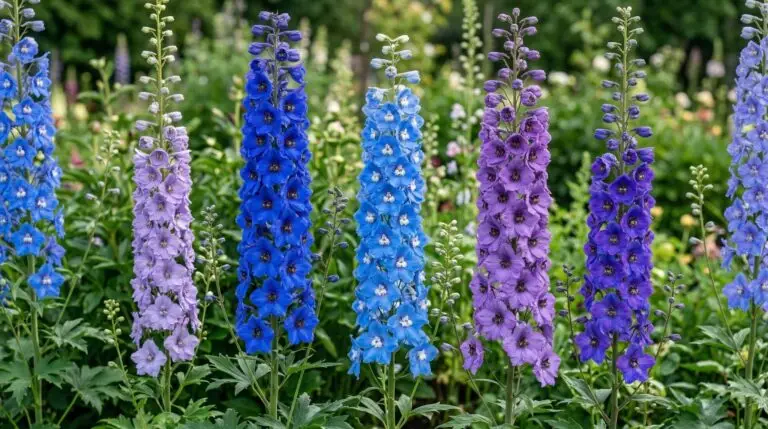
Best delphinium varieties from towering Pacific Giants to compact Magic Fountains
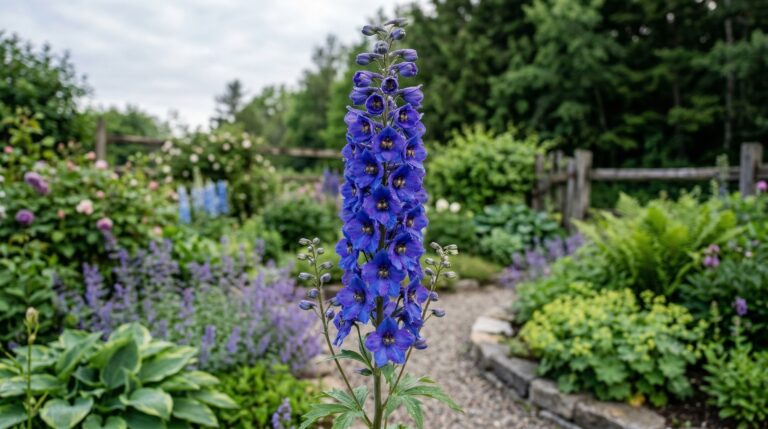
How to grow tall delphinium spires that tower above the garden like living architecture
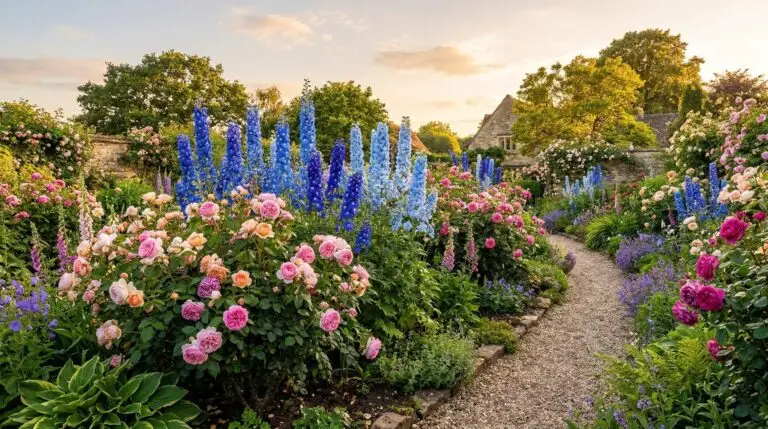
Companion plants for delphiniums that create a classic English cottage garden border
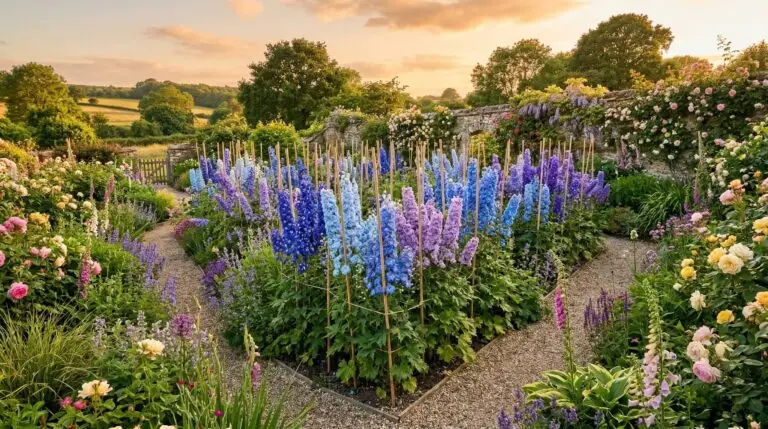
Staking delphiniums properly so tall flower spikes survive wind and rain storms
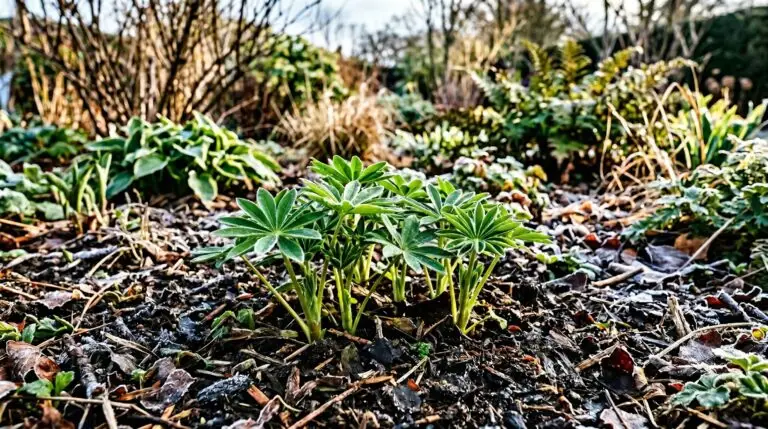
Growing delphiniums from seed and the patience required for first-year blooms
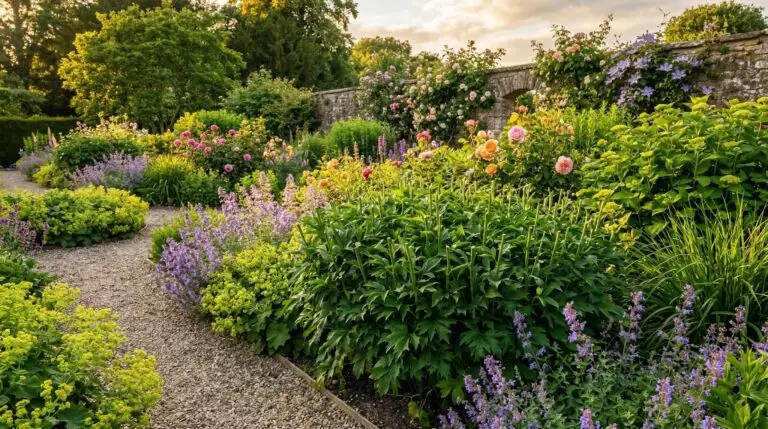
How to get delphiniums to rebloom by cutting back spent flower spikes
Why delphiniums are short-lived perennials and how to keep them coming back
Delphinium flower meaning and the symbolism of true blue in the garden