Contents
Goldenrod
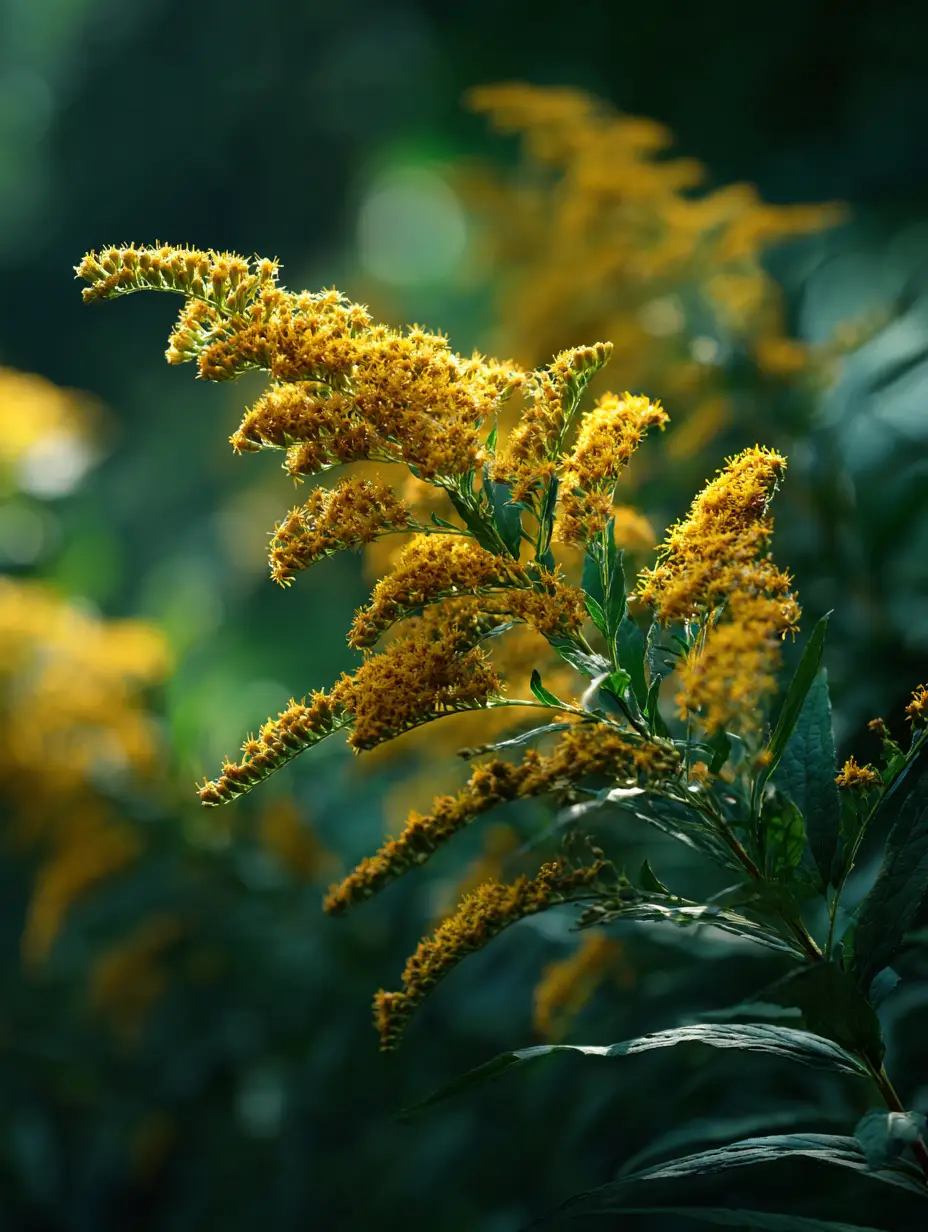
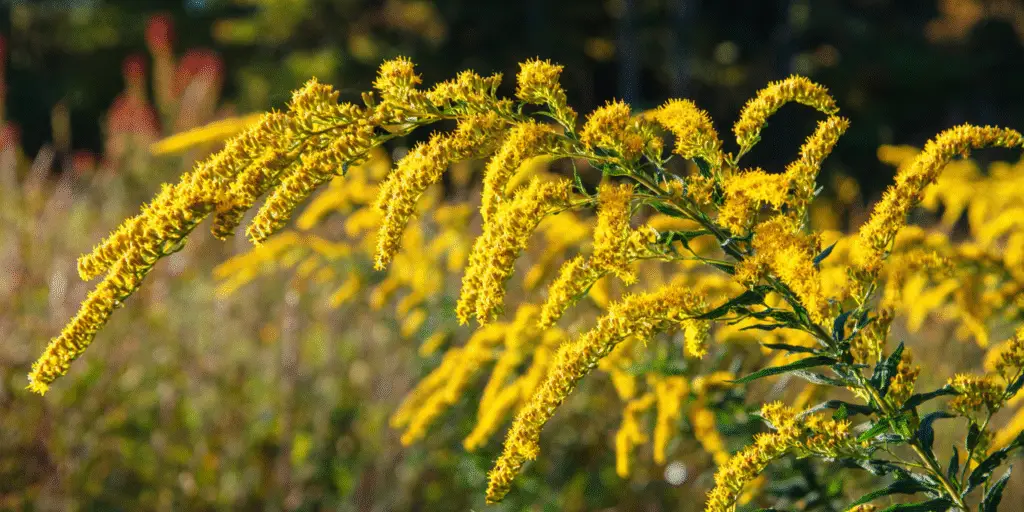
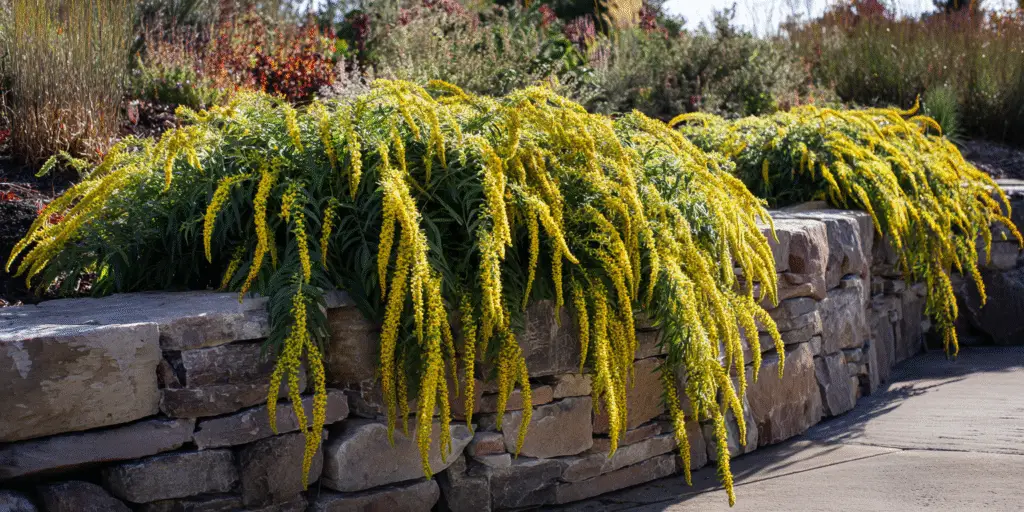
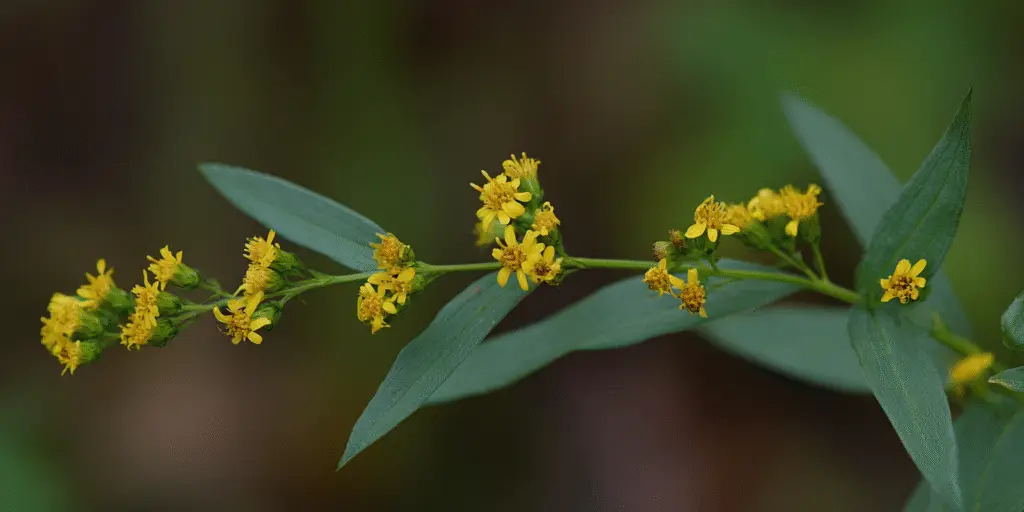
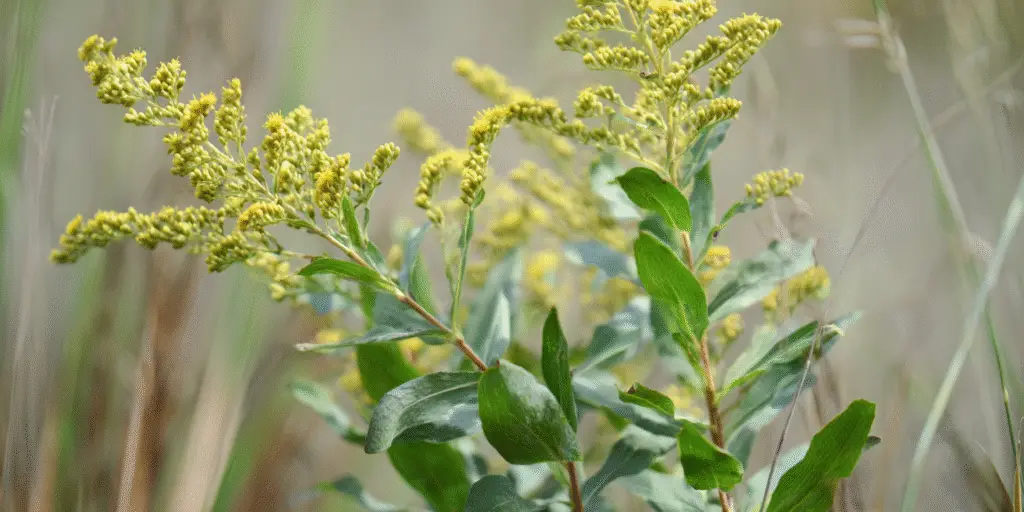
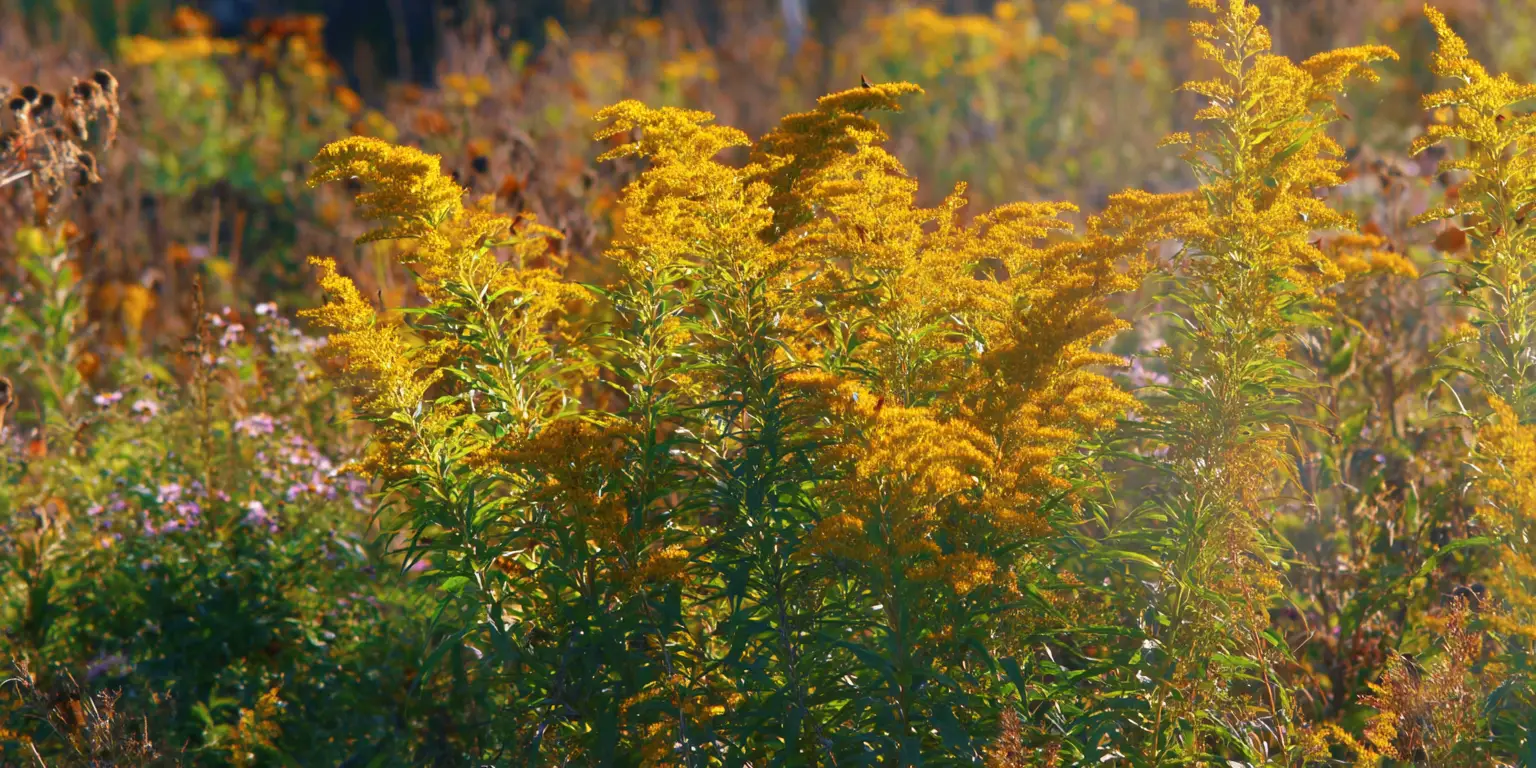
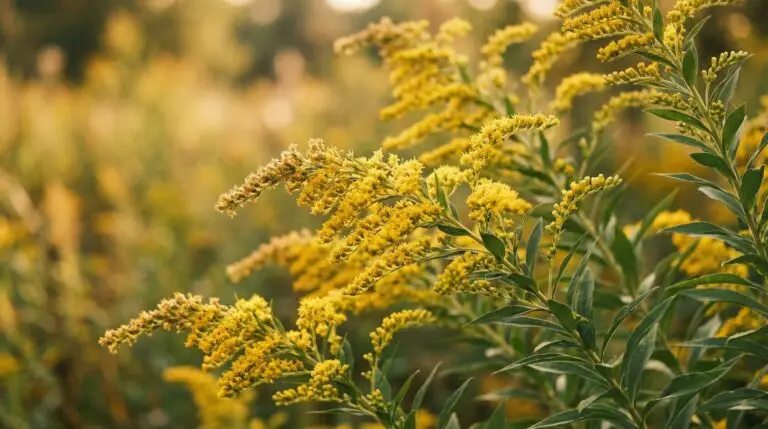
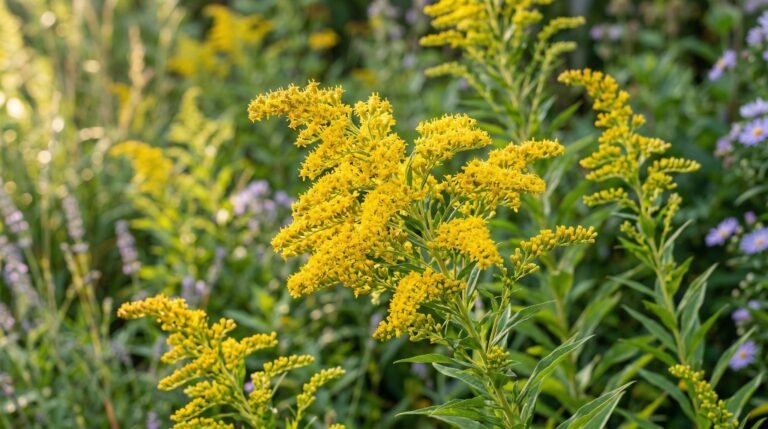
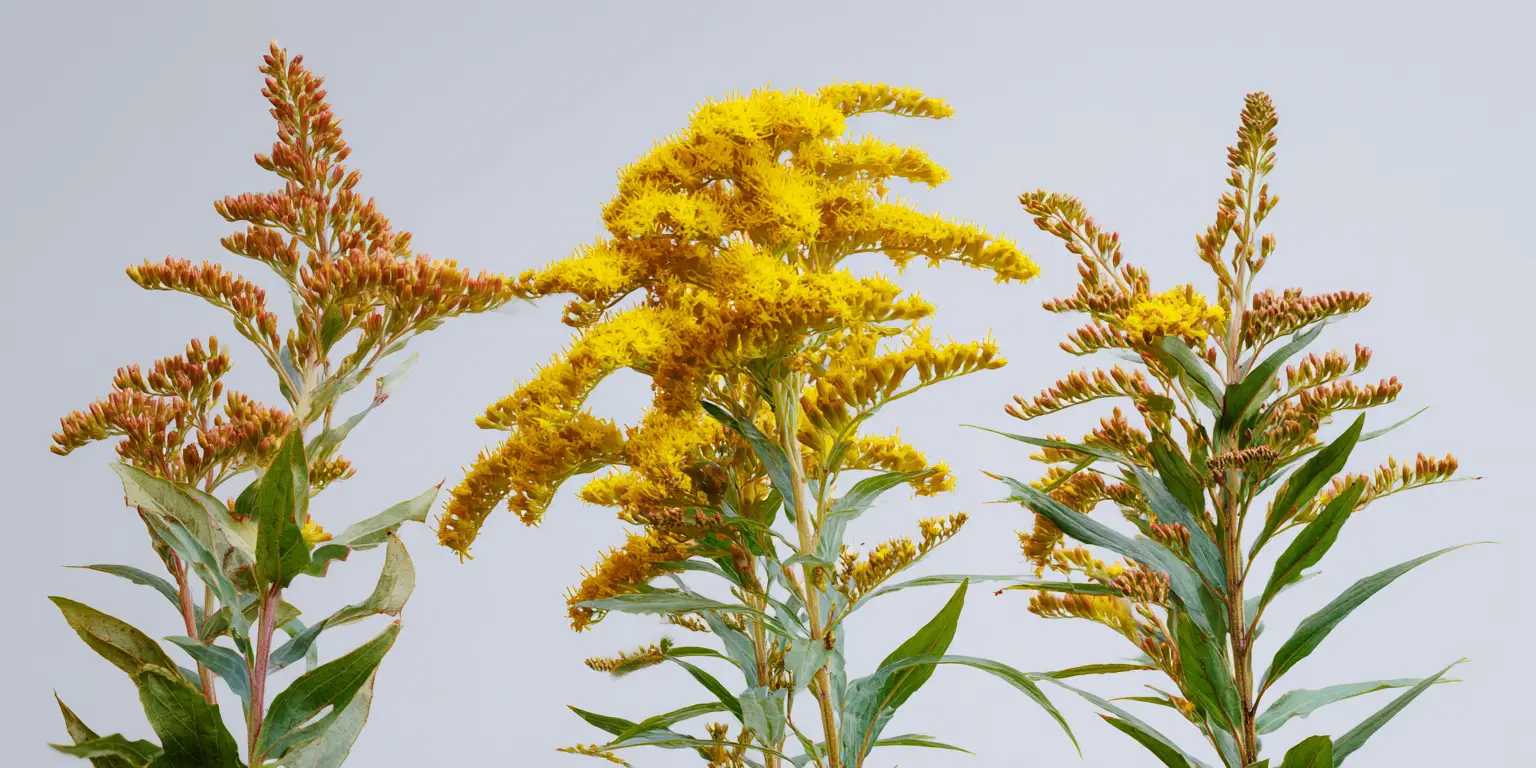
Goldenrod (Solidago) is a genus of about 100 species of flowering perennials known for their bright golden-yellow plumes. These hardy native wildflowers are staples of late summer and fall landscapes across North America, adding vibrant color to fields, roadsides, and gardens when many other blooms are fading. A member of the aster family, goldenrod produces dense clusters of tiny yellow blossoms atop tall, slender stems, creating a striking display that attracts butterflies, bees, and other pollinators. As one of the classic types of flowers used in naturalistic plantings and pollinator gardens, goldenrod combines ornamental appeal with ecological value. Its cheerful yellow flower heads not only brighten up wild meadows and borders but also provide a crucial late-season nectar source for insects preparing for winter. With its resilient nature and minimal care requirements, this easy perennial has earned a place in both natural landscaping and cultivated gardens, despite the common misconception that it causes hay fever.
A clear, step-by-step guide to soil, planting, watering, feeding, pruning, and winter care. Includes zone timing, container tips, companions, and quick fixes for common problems.

Bouquet Ideas
Explore simple, beautiful bouquet ideas for the home, gifts, and special occasions from romantic mixes to clean, minimal styles. Each idea includes suggested flower combinations, color palettes, and sizes, with photos for quick inspiration.
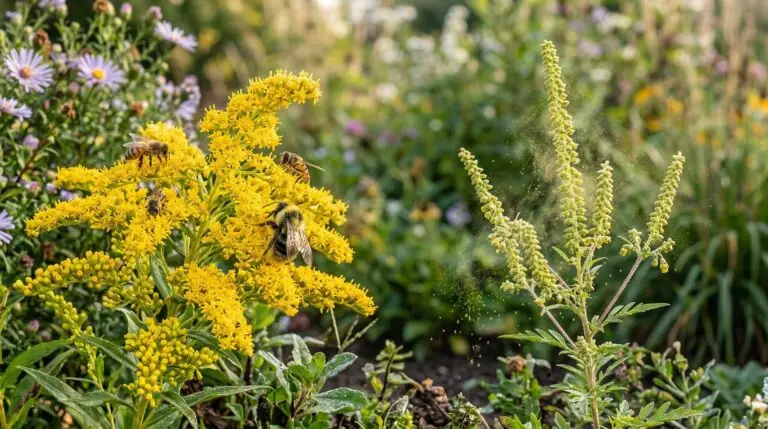
Goldenrod does not cause allergies and why ragweed is the real culprit
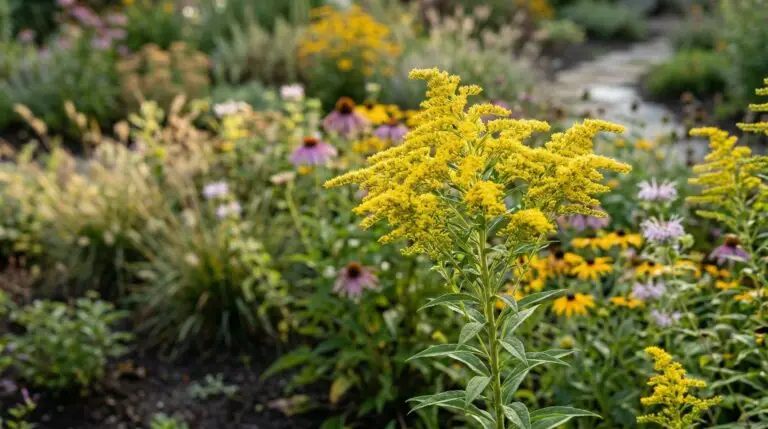
How to grow goldenrod for brilliant golden plumes that light up the fall garden
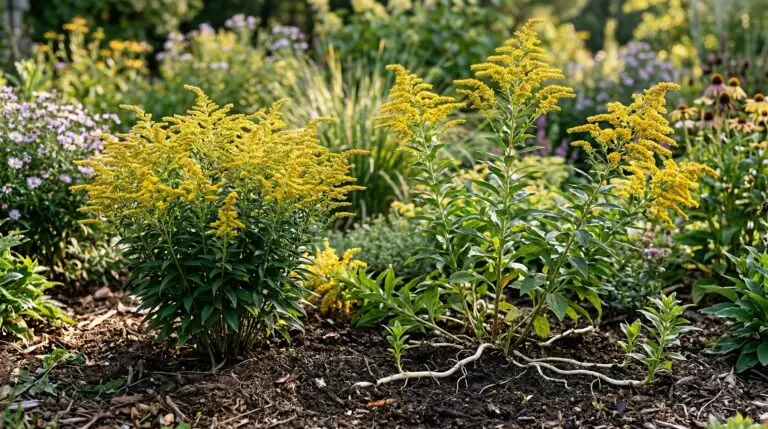
How to keep goldenrod from spreading aggressively in cultivated garden beds
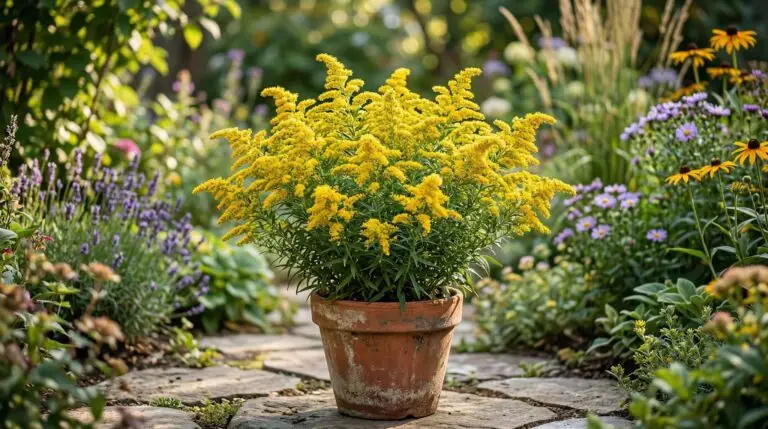
Growing goldenrod in containers for fall patio color when everything else is fading
Goldenrod flower meaning and the American wildflower that nearly became the national flower
Goldenrod in dried flower arrangements for warm autumn bouquets that last all winter
Companion plants for goldenrod: what to grow, what to avoid
Goldenrod for naturalizing in meadows and the wildflower garden it was born for
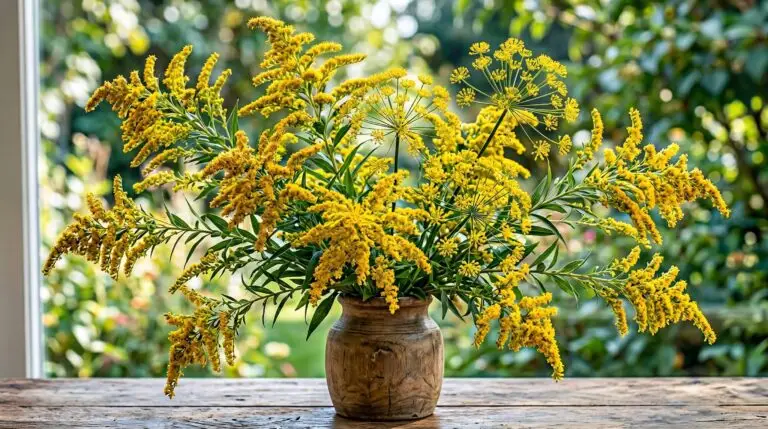
Best goldenrod varieties for gardens from compact Little Lemon to elegant Fireworks
🌱 Taxonomy and origin
Goldenrod belongs to the genus Solidago, part of the Asteraceae (aster or daisy) family. This makes it a relative of daisies, asters, marigolds, and sunflowers, all known for their composite flower heads. The genus Solidago comprises approximately 100 to 120 species of herbaceous perennials commonly called goldenrods. Most goldenrod species are native to North America, with a few also found in South America and Eurasia. They typically grow wild in meadows, prairies, and open woodlands as pioneering native plants in their ecosystems. The name “Solidago” is derived from Latin meaning “to make whole,” reflecting the historical use of some species in traditional medicine for their purported healing properties. Goldenrods have had a long presence in the North American landscape as resilient wildflowers that contribute to biodiversity and natural beauty.
🌸 Bloom time
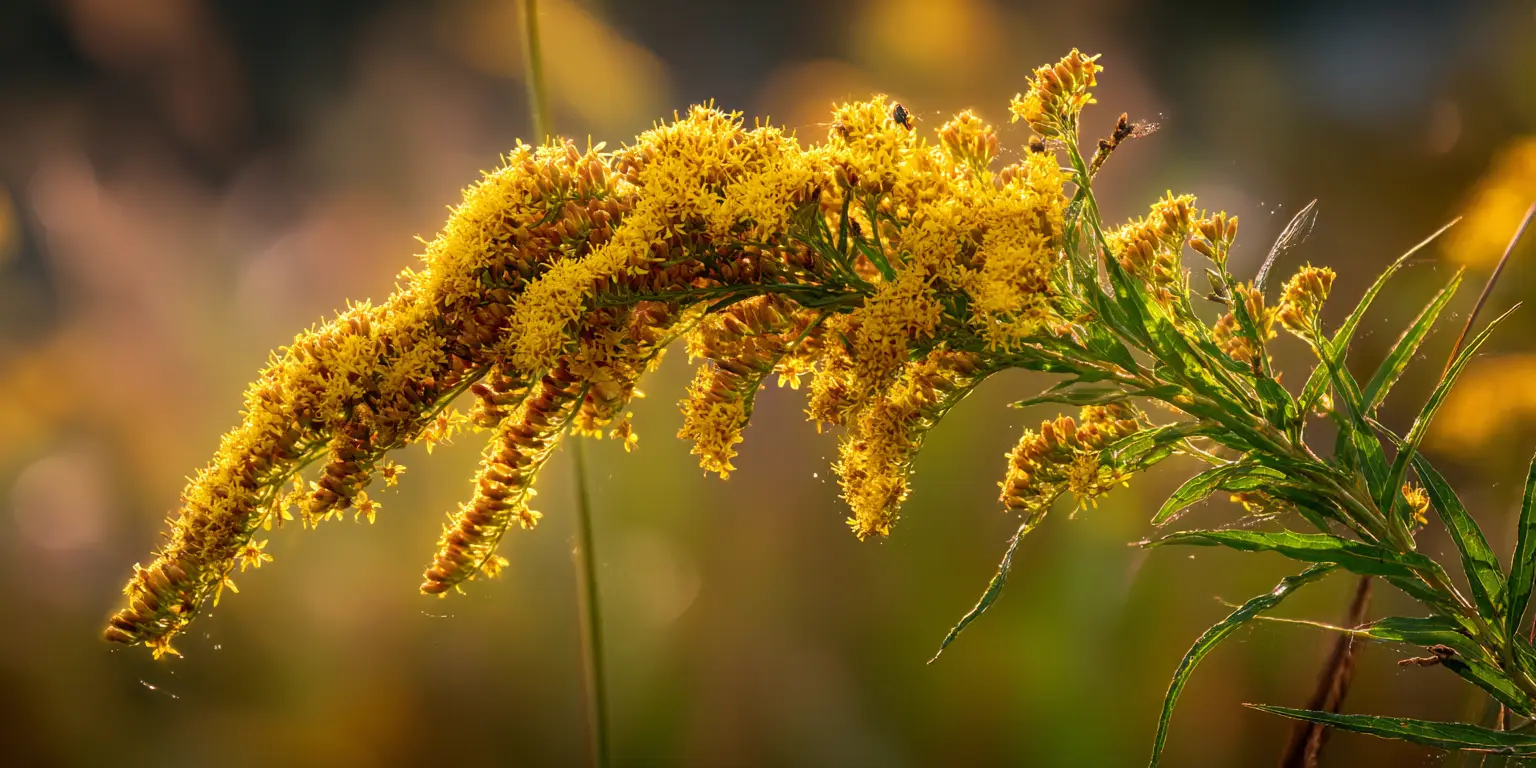
Goldenrod plants are notable for their late blooming period. Most varieties begin to flower in mid to late summer, with bright yellow flowers continuing through fall, often until the first frost. These reliable late-season bloomers bring waves of golden-yellow blossoms at a time when many other garden plants have finished flowering. Depending on the species and local climate, goldenrods may start opening their tiny clustered florets as early as July or as late as September, with peak bloom commonly occurring in August and September. The flowering typically lasts several weeks, and some gardeners prolong the display by deadheading spent blooms to encourage a second flush. In any case, the autumnal show of golden plumes brightens up landscapes and provides a welcome splash of color just as summer transitions to fall. The late-season timing also makes goldenrod an important resource for pollinators stocking up before winter.
📏 Height and spread
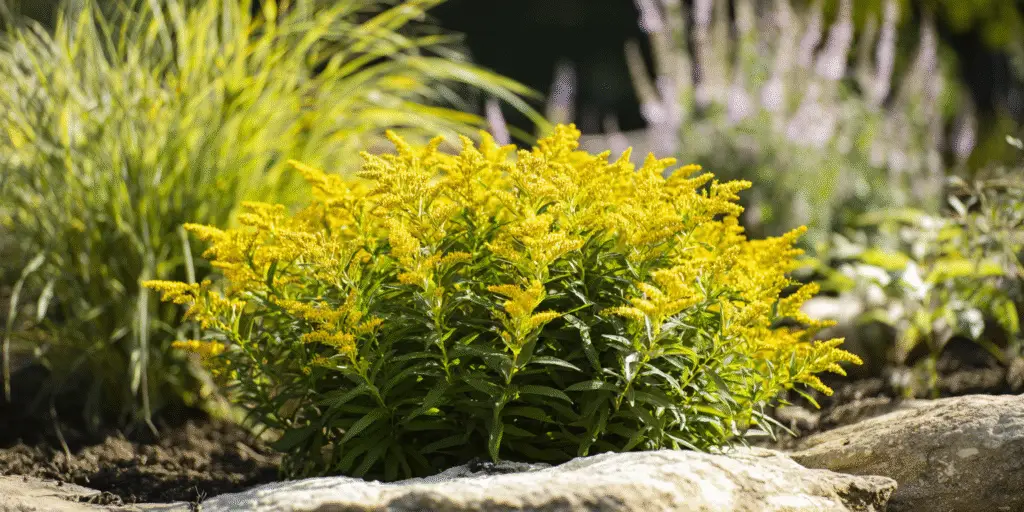
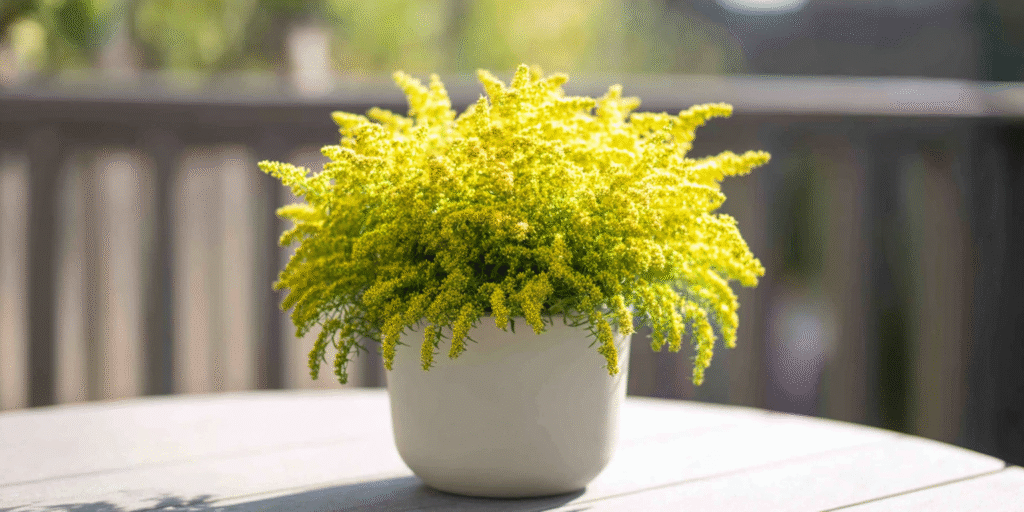
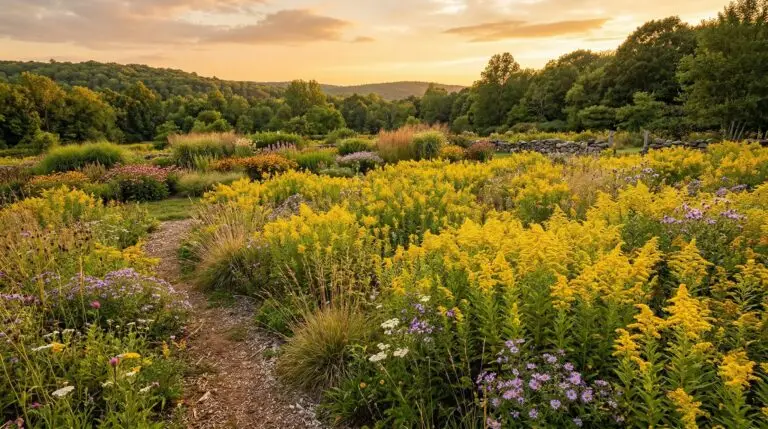
Goldenrod heights vary by species and cultivar. Many garden goldenrods reach about 2 to 4 feet tall (60-120 cm), while some wild types can grow 5 feet or more under optimal conditions. A few dwarf cultivars and smaller species stay around 1 to 2 feet in height, making them suitable for tighter spaces or container gardens. In terms of spread, goldenrod tends to colonize an area over time. Most varieties have a clumping base but can spread outward via underground rhizomes or by self-seeding. Under good conditions, a single plant can turn into a sizable patch after a few years. This vigorous growth habit helps goldenrod naturalize readily in meadows and natural landscaping, but it may require control in a formal garden bed. Gardeners often divide goldenrod clumps every couple of years to keep them within bounds and to rejuvenate growth. Proper spacing (typically 1 to 2 feet apart for most varieties) allows each plant room to expand without overcrowding its neighbors.
☀️ Light
Goldenrod grows best in full sun. Aim to provide at least six hours of direct sunlight per day for optimal blooming and sturdy growth. In bright, open conditions, plants will develop more flowers and remain more compact. Goldenrod can tolerate partial shade – for example, a few hours of filtered sun or morning sun with afternoon shade – but too much shade may result in lanky stems, fewer blooms, and an increased risk of powdery mildew. In dense shade, the plant will struggle: stems become weak and flower production is very sparse. In its natural habitat, goldenrod is often found in prairies, grasslands, and open woodlands where ample sunlight fuels its late-season blooms. When planting goldenrod in a garden, choose a location with plenty of sun exposure to ensure a vibrant floral display and healthy, upright plants.
💧 Water
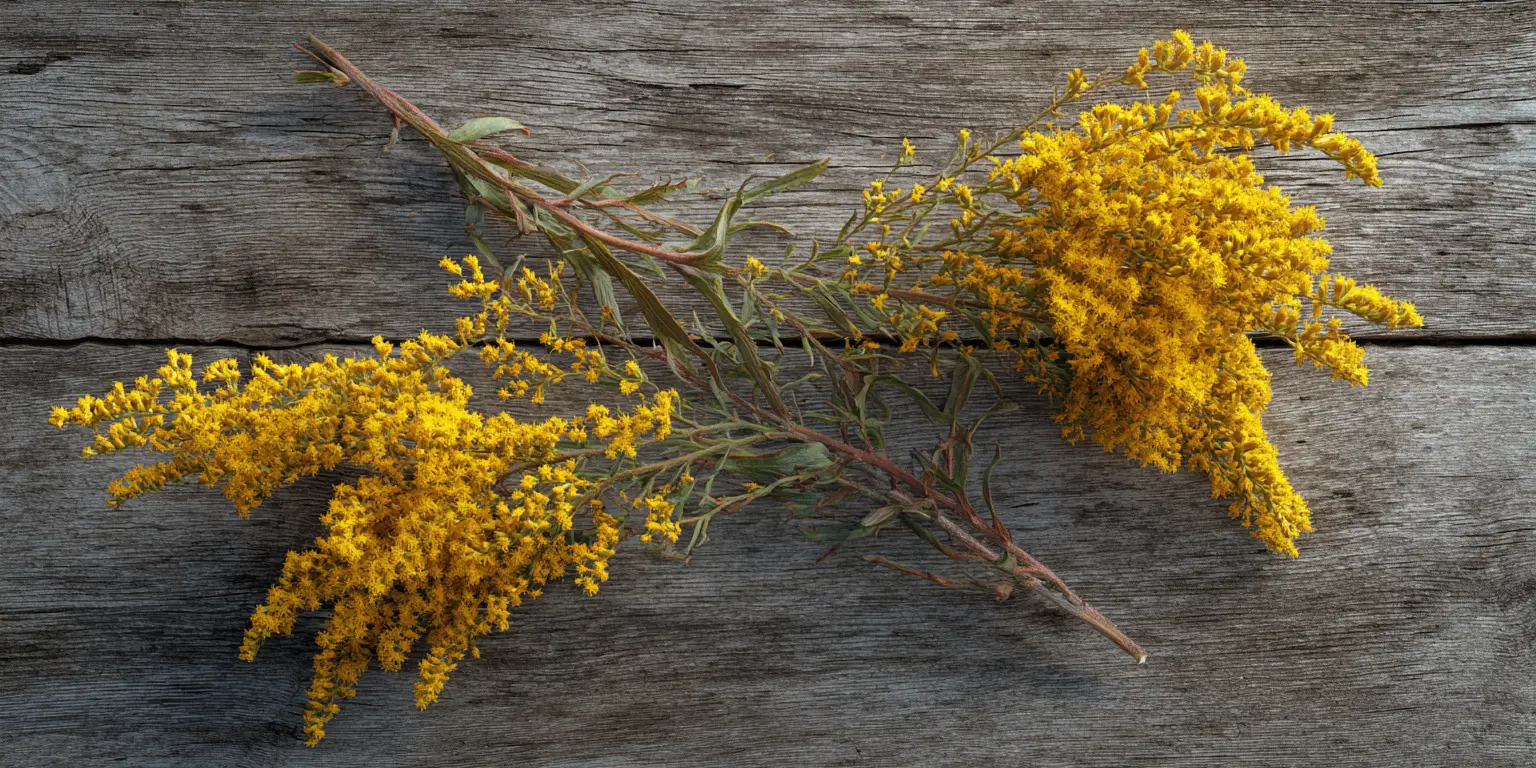
Goldenrod has moderate water needs. In general, it prefers consistent moisture but not waterlogged conditions. Newly planted goldenrod should be watered regularly during its first growing season to help establish a strong root system. Once established, goldenrod is relatively drought tolerant and can handle the dry spells of late summer – a trait that makes it suitable for low-water or xeriscape gardens. However, for the best flowering, provide water during prolonged droughts; plants that receive the occasional deep watering during dry periods will produce more lush growth and abundant blooms. The key is to ensure the soil drains well, because goldenrod does not thrive in standing water or boggy soil. Overly wet conditions can lead to root rot and fungal issues. In average garden conditions with normal rainfall, goldenrod usually does not require much supplemental irrigation beyond what nature provides (aside from watering to establish new transplants). It is a resilient plant that can get by with minimal extra watering once it’s settled in.
🌍 Soil and pH
Goldenrod is not particularly fussy about soil. It grows well in average garden soil and can even thrive in poor, sandy or rocky soils where many other ornamentals struggle. Good drainage is more important than high fertility – goldenrod does not like to sit in soggy, waterlogged earth. It will tolerate clay soils as long as there is decent drainage, and it can also handle lean, low-nutrient substrates. As for soil pH, goldenrod is adaptable across a broad range. It naturally occurs in soils that are slightly acidic to slightly alkaline. Ideally, a neutral to mildly acidic pH (around 6.0 to 7.5) is suitable, but this plant will usually manage outside that range unless the soil is extremely acidic or alkaline. In most cases you won’t need to amend soil pH specifically for goldenrod, as it adjusts to local conditions without much fuss. Adding some organic matter when planting can improve both drainage and nutrient content, but generally goldenrod will flourish in whatever soil it’s given – provided it isn’t constantly wet.
❄️ USDA hardiness
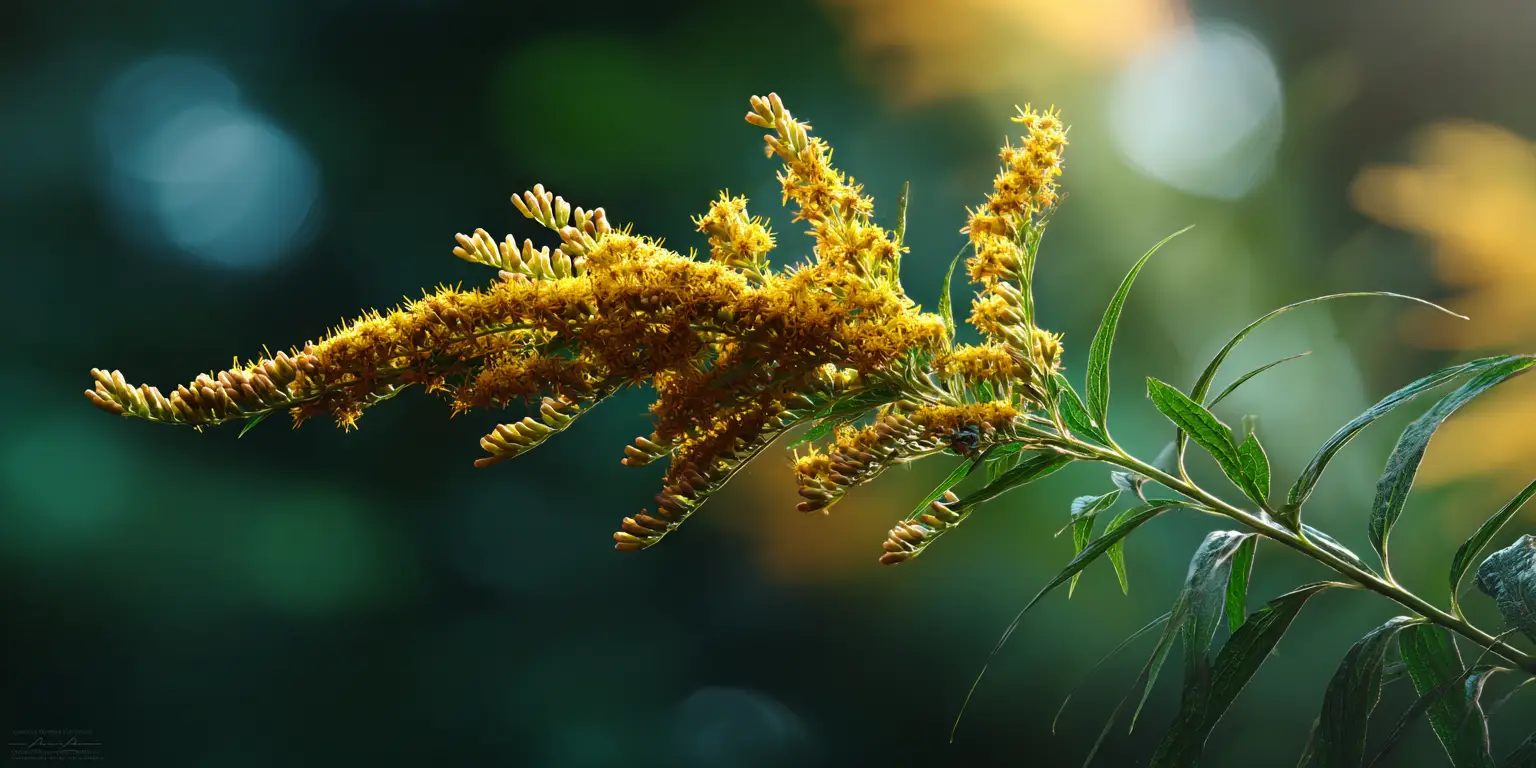
Most goldenrod species are hardy perennials suited to a wide range of climates. Generally, goldenrods thrive in USDA Hardiness Zones 3 through 9. This means they can survive winter temperatures well below freezing (roughly down to -30°F or -34°C in zone 3) and also handle the heat of summers in regions up to zone 9. In colder areas, the plant’s tops will die back to the ground after a hard frost, but the roots survive underground and send up fresh shoots in spring. Some alpine or far-northern goldenrod varieties can even persist into zone 2 given protective snow cover, whereas a few southern species may tolerate zone 10 conditions if winters are mild (though extreme heat and humidity in zone 10 can reduce vigor). For most of the continental US, goldenrod is a reliable hardy perennial that returns each year. Gardeners in the coldest zones can apply a layer of mulch after the ground freezes to insulate the roots, but in general goldenrod requires little special winter protection within its range. Its resilience in varied climates is one reason why goldenrod is found from Canada down through the southern United States in the wild.
🌼 Propagation and longevity
Goldenrod can be propagated in several ways, and established plantings tend to endure for many years. One common propagation method is by seed. After flowering, goldenrod produces small fluffy seeds attached to tufts of white fuzz (similar to dandelion fluff) that disperse on the wind. Gardeners can collect these seeds in the fall and sow them outdoors in autumn, or stratify and start them in spring. Goldenrod seeds generally germinate readily, though keep in mind that named cultivars won’t come true from seed. Another reliable propagation technique is division. Many goldenrod clumps can be dug up and split into smaller sections, typically in early spring or in fall after blooming. Dividing the roots every few years not only yields new starts to plant elsewhere but also helps reinvigorate older stands and control their spread. In terms of longevity, goldenrod is a perennial that will return year after year. Individual stems die back in winter, but the root system survives underground, often expanding and producing more shoots over time. A well-placed goldenrod patch can persist for a decade or more, essentially naturalizing in the garden if allowed. To maintain vigor, dividing mature clumps periodically (around every 2-3 years) is advised. With minimal care, goldenrod plants will thrive and multiply, adding lasting value to the landscape.
👃 Fragrance
Goldenrod is not generally known for a strong floral fragrance. The bright yellow blooms of most goldenrod species have little to no noticeable scent to human noses. If you get up close to the flowers, you might detect a faint sweet or herbal aroma, but it is subtle and easily overlooked. Unlike many garden blooms that use heavy perfume to attract pollinators, goldenrod relies on its abundant nectar and pollen as the main draw for bees and butterflies rather than fragrance. One noteworthy exception is a species called sweet goldenrod (Solidago odora). The leaves of sweet goldenrod contain aromatic oils and smell like licorice or anise when crushed; historically, this species has been used to brew a fragrant herbal tea. Aside from that, goldenrods are not cultivated for scent. Gardeners value them for their vibrant color and ecological benefits rather than any perfume. This means you can plant goldenrod near patios or walkways without worrying about overwhelming fragrance – its presence in the garden is showy but not smelly.
⚠️ Toxicity and pet safety
Goldenrod is generally considered a safe plant in terms of toxicity. It is not listed as poisonous to humans, and in fact some goldenrod species have been used in traditional herbal remedies and teas. For common household pets like dogs and cats, goldenrod is not known to be toxic. If a pet were to nibble on the leaves or flowers, it might experience a mild stomach upset simply from ingesting rough plant matter, but no specific harmful compounds have been identified in goldenrod that would cause serious illness in cats or dogs. This makes goldenrod a pet-friendly choice for gardens. One cautionary note involves livestock: a plant commonly called “rayless goldenrod” (which is actually in a different genus, not a true Solidago) is known to be toxic to horses and cattle if grazed in large quantities. Rayless goldenrod contains tremetol, the toxin that causes a condition known as “trembles” in livestock and was historically responsible for milk sickness in pioneers. However, the ornamental and wild goldenrods (true Solidago species) grown in gardens do not pose such risks. In summary, you can plant goldenrod in yards with pets without concern. It does not irritate the skin by touch, and it won’t poison your curious dogs or cats if they happen to chew a bit.
🌿 Vase life
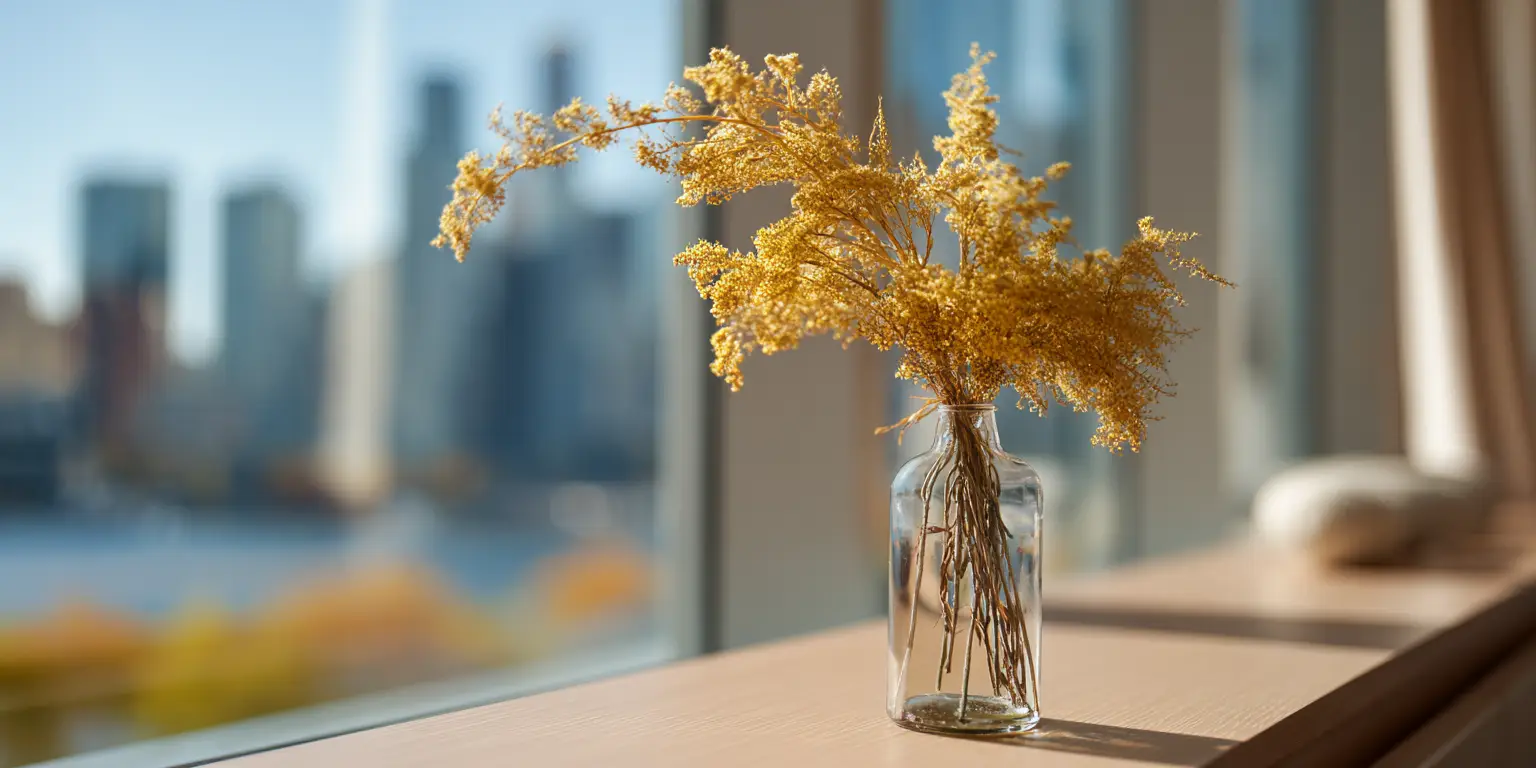
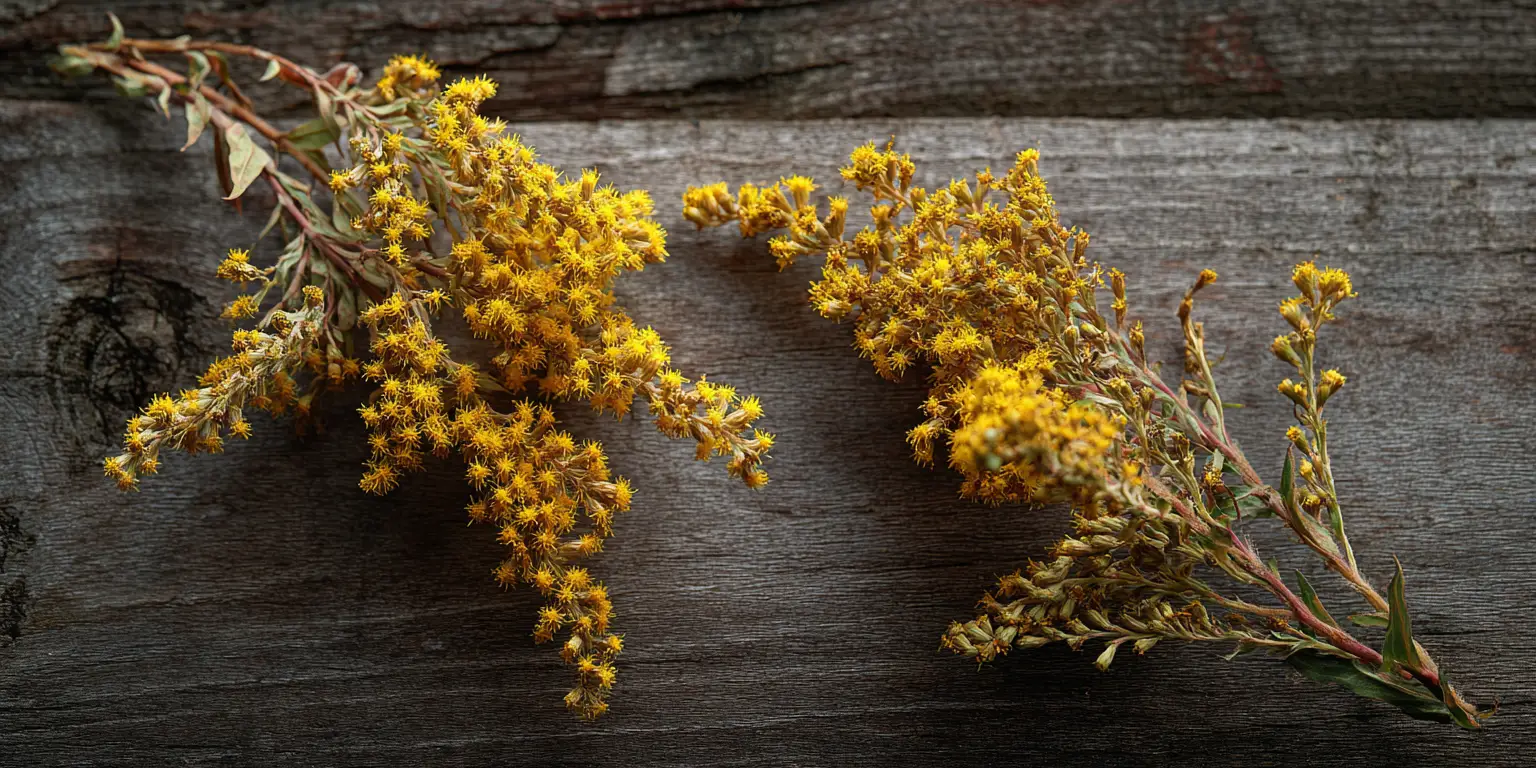
Goldenrod’s cheerful clusters make a nice addition to cut flower arrangements, especially as a textural filler alongside larger blooms. When harvested and conditioned properly, goldenrod has a respectable vase life for a wildflower. Fresh-cut stems of goldenrod typically last about 5 to 10 days in a vase. Around a week is common, though florist-grade cultivars (or very fresh cuts from the garden) can sometimes stay attractive up to about 10 days. To maximize vase life, it’s best to cut goldenrod stems when roughly half of the tiny florets in the spray have opened and the rest are still in bud. Cut the stems in the cool of early morning and place them immediately in water. Remove any leaves that would sit below the waterline in your vase, as submerged foliage can rot and foul the water. Using a floral preservative or changing the water every couple of days can also help extend freshness. Goldenrod stems are fairly sturdy as cut flowers, but they do prefer cool conditions once arranged – keep the vase out of direct sun and away from heat sources. Over time, you may notice some pollen drop from the blossoms or slight wilting of the oldest flowers on the spray; this is a sign the arrangement is nearing its end. In general, expect goldenrod to provide roughly a week of color in indoor bouquets, bringing a bit of late-summer meadow charm into your home.
🐛 Pests and diseases
Goldenrod is relatively trouble-free when it comes to pests. There are no major insect infestations that typically plague this plant. Occasionally, you might notice a few aphids clustered on the stems, sucking sap and possibly causing some curled leaves or sticky “honeydew” residue, but these soft-bodied insects can be washed off with a gentle spray of water and rarely do serious harm. A few beetles or caterpillars might nibble on the foliage or flowers, but widespread damage is uncommon. In nature, goldenrod often hosts unique insects that form galls (swollen growths) on the stems or flower heads – these gall-making midges and flies don’t significantly hurt the plant, and the odd galls are mostly a cosmetic curiosity. One pest to watch for in very hot, dry conditions is spider mites, which can cause fine speckling on leaves; a spell of rain or a thorough hose-down usually keeps mite populations in check. Importantly for gardeners, goldenrod is not a favored menu item for browsing animals. It is generally deer resistant and also seldom bothered by rabbits, likely thanks to the plant’s slightly bitter compounds. This means you won’t usually find your goldenrod patch chewed down by wildlife, even in areas where deer pressure is high.
Likewise, diseases are infrequent on goldenrod and usually not severe. Fungal issues can appear if conditions are very damp or plants are overcrowded. For instance, powdery mildew sometimes shows up late in the season as a white, dusty film on leaves, particularly if the plant is stressed by drought or too much shade. Rust fungi may cause orange or brown spore spots on the foliage of some goldenrod species. Occasionally, leaf spot diseases create dark lesions on leaves, but these problems tend to be cosmetic and seldom affect the plant’s vigor. The best defense is to provide good growing conditions: full sun, adequate spacing for air circulation, and avoiding overhead watering late in the day will minimize most fungal problems. If a goldenrod does develop mildew or leaf spot, you can simply trim away the affected foliage or let the plant die back naturally at season’s end and then remove the dried stems. Cleaning up any diseased plant debris in the fall (instead of letting it overwinter on the ground) will further reduce the chances of re-infection next year. Overall, goldenrod’s inherent vigor and adaptability mean it rarely suffers significant pest or disease damage. With the right siting and minimal care, you can expect your goldenrod plants to remain healthy and robust.
FAQ
Does goldenrod cause allergies?
This is a common misconception. Goldenrod often gets blamed for hay fever because it blooms at the same time as ragweed in late summer. However, goldenrod is not the culprit behind seasonal allergies. Its pollen is heavy and sticky, designed to be carried by insects rather than by the wind. Ragweed, on the other hand, has very lightweight pollen that becomes airborne and triggers allergic reactions. People notice goldenrod’s bright yellow flowers and assume it’s to blame, when in reality ragweed’s inconspicuous green blooms are the real allergy culprit. Planting goldenrod in your garden will not trigger hay fever. In fact, by attracting bees and other insects, goldenrod may even draw attention away from nearby ragweed plants. You can enjoy goldenrod’s beauty without worrying about sneezes and sniffles.
Is goldenrod invasive?
Goldenrod is not considered an invasive plant in its native range, but some types can be aggressive spreaders. In a garden setting, certain species (like Canada goldenrod, Solidago canadensis) can spread quickly by rhizomes and self-seeding, which gives them a “weedy” reputation. If left unchecked in rich soil, a vigorous goldenrod patch might take over more space than intended. The good news is this tendency can be managed: regular thinning or dividing of clumps will keep goldenrod within bounds, and there are clumping cultivars that stay in one place. In North America, where goldenrod is native, it generally plays well with other native plants despite its vigor. However, when introduced to other continents (such as parts of Europe and Asia), some goldenrod species have become invasive because they have no natural checks on their growth in those ecosystems. If you’re concerned about goldenrod spreading in your garden, opt for well-behaved ornamental varieties (like ‘Fireworks’ or ‘Golden Fleece’) and consider removing spent flower heads before seeds disperse. With a little maintenance, goldenrod can be a welcome perennial rather than a nuisance.
Are goldenrod plants deer resistant?
Yes. One of the perks of growing goldenrod is that deer tend to leave it alone. Goldenrod’s foliage has a slightly bitter or resinous taste that makes it unappealing to grazing animals like deer (and often rabbits as well). While no plant is completely deer-proof if food is scarce enough, goldenrod is generally categorized as a deer-resistant perennial. Gardeners in areas with heavy deer pressure often find their goldenrod stands remain untouched even when other flowers get nibbled to stubs. This resistance is likely due to the plant’s taste and texture; it simply isn’t as palatable as many softer, non-aromatic plants. So, if you have deer visiting your yard, goldenrod is a smart choice for late-season color since it’s rarely on the menu for wildlife.
Does goldenrod attract butterflies and bees?
Absolutely. Goldenrod is a fantastic plant for pollinators and is often included in pollinator gardens for that very reason. Its masses of small yellow flowers are rich in nectar and pollen, providing a late-season feast for a variety of insects. You will commonly see many types of bees (honeybees, bumblebees, native solitary bees) busily working goldenrod blooms. Butterflies are also attracted to goldenrod – for example, monarch butterflies sip nectar from goldenrod during their fall migration south. In addition, beneficial insects like hoverflies, beetles, and wasps visit the flowers, which can help with overall garden pest control. Because goldenrod blooms in late summer into fall, it fills an important gap by feeding pollinators at a time when fewer other flowers are in bloom. Planting goldenrod is an excellent way to support bees and butterflies in your yard, ensuring your garden buzzes with activity late in the season.
Is goldenrod easy to grow?
Yes, goldenrod is generally very easy to grow and is well-suited for beginners or low-maintenance gardens. This plant is tough and adaptable, much like other native wildflowers. It doesn’t require pampering or special soil amendments. Give it a spot in full sun (it will tolerate partial shade) with reasonably well-drained soil, and it will likely thrive. Goldenrod tolerates poor soils, summer heat, and, once established, periods of drought, making it an “easy-care” perennial. It also doesn’t need much fertilizer – in fact, too much nitrogen can make it grow overly tall and flop. The main thing to be aware of is its vigorous nature: goldenrod can spread over time, so plant it where it has some room or be prepared to divide and thin the clump every few years. Other than that, maintenance is minimal. It rarely needs pest control or disease management. Essentially, if you plant goldenrod in a suitable spot, it will pretty much take care of itself and reward you with years of bright, beautiful blooms.
Interesting tips
Beyond its basic care, goldenrod carries some intriguing history and uses. This unassuming wildflower has even been honored as the state flower of two U.S. states (Kentucky and Nebraska) thanks to its abundance and symbolism of pioneer spirit. Thomas Edison once famously cultivated giant goldenrods in an attempt to produce rubber; he succeeded in extracting latex from goldenrod and reportedly even gifted his friend Henry Ford a Model T car with tires made from goldenrod rubber as a novelty. In earlier times, goldenrod was used as a natural dye source for yellow fabrics, and during the American Revolution, “Liberty tea” brewed from sweet goldenrod leaves became a patriotic substitute for British tea. Beekeepers also know that in late summer, bees frequent goldenrod blooms to make a distinctive fall honey. Fresh goldenrod honey can have a peculiar odor while it’s curing in the hive, but once the honey is finished it’s dark, richly flavored, and enjoyed by many.
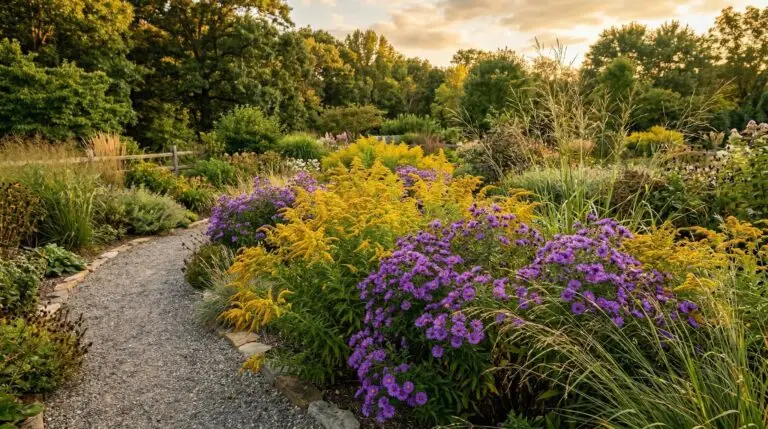
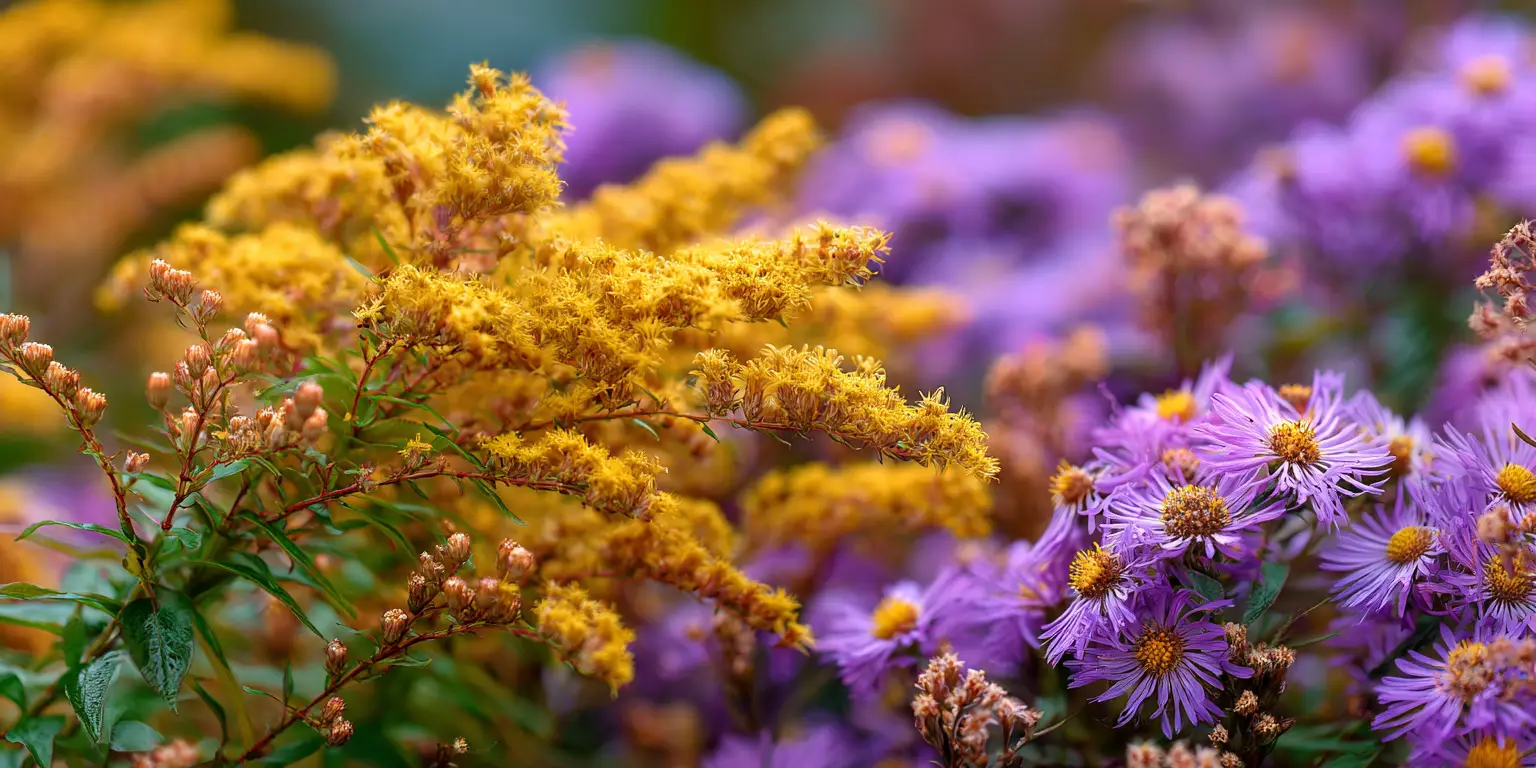
As a tip for gardeners, if you want the beauty of goldenrod without its potential aggressiveness, consider choosing clumping varieties or named cultivars bred for garden use. For example, Solidago rugosa ‘Fireworks’ is a popular cultivar that forms a controlled clump and produces a burst of arching golden flower sprays each fall. Another option, Solidago sphacelata ‘Golden Fleece’, stays compact (around 2 feet tall) and blooms profusely without overtaking its neighbors. Goldenrod also combines wonderfully with other plants in the landscape. Its golden plumes provide a superb contrast to violet or blue flowers in late-season borders – gardeners often pair goldenrod with purple New England asters for a classic autumn display. You can plan a succession of blooms by interplanting goldenrod with summer-blooming perennials like lavender or garden phlox; those will attract pollinators earlier in the season, then goldenrod takes over in late summer when they begin to fade. Even late-blooming annuals such as cosmos mix in well, contributing pink and white accents alongside goldenrod’s yellow in the waning summer. These combinations not only create beautiful color harmony but also ensure a continuous supply of nectar for pollinators from midsummer to frost.
Related Guides & Flowers
- Yarrow Achillea
Feathery foliage and flat heads of soft yellow blooms that flower from summer into fall, very good partner for goldenrod in sunny, low maintenance borders and wildflower meadows. - Coreopsis
Bright daisy like yellow flowers on slender stems that repeat bloom in full sun, perfect with goldenrod for a natural prairie style mix that supports bees and butterflies. - Butterfly weed
Compact orange milkweed that attracts Monarch butterflies and many other pollinators, giving a warm contrast to goldenrod in dry, sunny spots and meadow style borders. - Mexican sunflower
Tall annual with bold orange blooms that provides nectar for butterflies and bees at the same time goldenrod flowers, ideal for a vivid, pollinator rich fall display. - Coneflower
Strong stems and large central cones with colorful petals, this native perennial works very well with goldenrod to add height, structure, and continuous food for pollinators.
References
- Goldenrod Not Just Another Pretty Face – Penn State Extension
Explains why goldenrod is a major nectar and pollen source for bees, wasps, butterflies, moths, and beetles, and describes its value in late season landscapes. - Growing Goldenrods for Late Season Bloom – Iowa State University Extension
Practical guide to choosing species and planting goldenrods, with details on light, soil, moisture, and how to place them in home gardens for best performance. - Know Your Natives Solidago species – Rutgers New Jersey Agricultural Experiment Station
Native plant profile that covers rhizome growth, pollinator value, and notes that some goldenrod species can form aggressive colonies in certain sites. - Glorious Goldenrod – University of Vermont Extension
Article that highlights goldenrod as an important native and keystone plant for caterpillars and many pollinators, with emphasis on ecosystem benefits in the Northeast. - Rayless Goldenrod and Livestock Poisonings – New Mexico State University Cooperative Extension
Fact sheet on rayless goldenrod and the alcohol tremetol, describing how it can poison livestock and people through contaminated milk, useful for a careful toxicity section that distinguishes this species from ornamental goldenrod.
Written by: Your Flowers Guide editorial team
We are a small independent group of flower lovers who research and review each guide using trusted horticultural and educational sources. Learn more about us