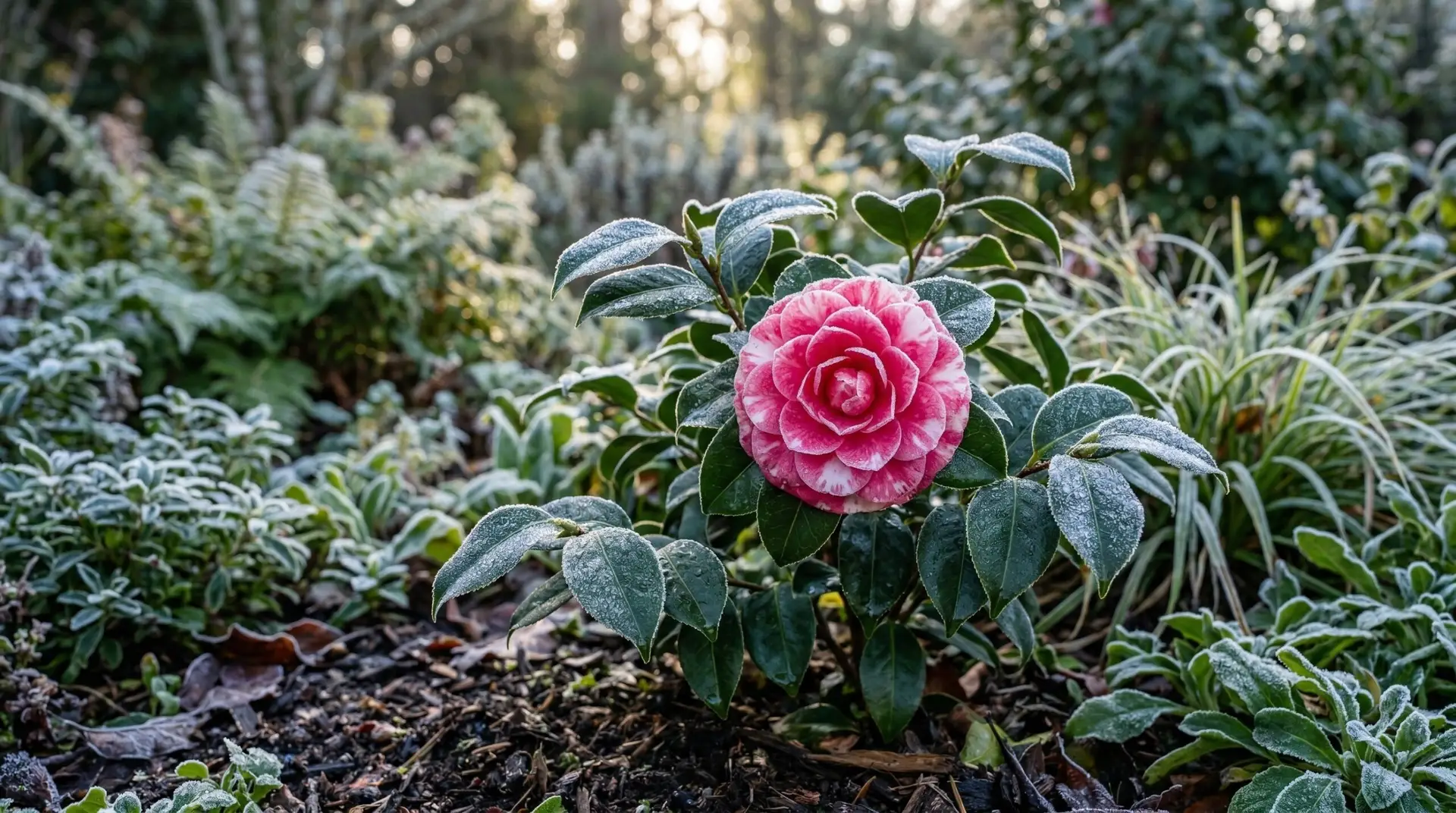
Gardeners often wait all year for their camellias to bloom, only to find the ground covered in fat, unopened flower buds. This frustrating phenomenon is commonly known as camellia bud drop or camellia bud blast, and it is one of the most frequent complaints I hear from home growers. You spend months watching those buds swell, expecting a beautiful display, but right before they open, they turn brown at the base and fall off at the slightest touch. When camellia buds falling off becomes a regular occurrence, it usually points to an environmental stressor rather than a disease or pest issue. These plants set their buds in late summer or early fall and hold them through the winter, which gives them a very long window of time to experience stress. Understanding exactly what triggers this reaction is the only way to fix the problem and get those flowers to actually open.
Contents 5 sections
Finding the right balance with soil moisture
Watering issues are the primary culprit when you find unopened buds littering the ground around your shrub. When a camellia experiences extreme fluctuations in soil moisture, it panics and aborts its flowers to conserve energy for basic survival. Underwatering during the late summer and early fall, precisely when the plant is forming those buds, causes them to develop poorly and drop months later. Conversely, overwatering or poor drainage suffocates the shallow root system, leading to the exact same symptom of premature bud drop. You have to maintain consistent, even moisture throughout the entire year, which can be difficult if you rely solely on natural rainfall. If the top two inches of soil feel completely dry to the touch, you need to provide a deep, thorough soaking rather than a light surface sprinkling. Similar to the moisture needs of a gardenia, these plants require soil that stays damp but never soggy or waterlogged.
Managing sudden temperature swings outdoors
Camellias are highly sensitive to sudden temperature shifts outdoors, especially when they are holding fully developed buds in late winter. If the weather warms up unseasonably for a few days, the buds begin to swell and prepare to open, making them highly vulnerable to cold. When a hard freeze immediately follows that warm spell, the sudden drop in temperature damages the plant tissue right at the base of the bud. The bud itself might look perfectly green and healthy for a few weeks after the freeze, but the internal connection to the stem is dead, and the bud will eventually drop off. You can protect outdoor plants during sudden freezes by covering them with frost cloth, making sure the fabric reaches all the way to the ground to trap the earth’s radiant heat. However, you cannot reverse the damage once the temperature swings have occurred, meaning prevention is your only real tool against weather-related bud blast.
Navigating the specific challenges of indoor growing
Indoor camellias face a completely different set of environmental challenges that trigger bud drop with alarming frequency. People often buy potted camellias full of buds in the middle of winter and bring them straight into a heated living room. Moving a plant from a cool greenhouse or outdoor patio into a house with forced-air heating causes immediate thermal shock. The hot, dry air pulls moisture out of the buds faster than the roots can replace it, causing the plant to abort the flowers to save its foliage. If you want to enjoy a potted camellia indoors, you need to place it in an unheated sunroom, a cool enclosed porch, or the brightest, coolest room in your house. Keeping the ambient temperature below sixty degrees Fahrenheit and running a humidifier nearby will drastically reduce the chances of your indoor camellia dropping its buds.
Dealing with bud overload and root suffocation
Sometimes a camellia simply produces far more buds than it can physically support, leading to a natural thinning process. Some varieties are notorious for setting clusters of four or five buds on a single branch tip, which requires an enormous amount of energy to open. When the plant realizes it lacks the resources to open every single flower, it will shed the excess, causing a mild but noticeable case of bud drop. You can prevent this wasted energy and encourage larger, healthier flowers by manually removing the extra buds in late fall. Simply twist off the smaller, secondary buds, leaving only one or two primary buds at the end of each branch. Another hidden cause of dropped buds is planting the shrub too deeply, which smothers the root system and prevents proper nutrient uptake. Just like an azalea, a camellia needs its root flare sitting slightly above the surrounding soil level to breathe properly and support heavy blooming.
Establishing a reliable prevention routine
Preventing bud drop requires thinking about the plant’s needs year-round rather than just treating the shrub when the buds start falling. A thick layer of pine straw or shredded bark mulch is your best defense against both moisture loss and temperature swings in the soil. Apply three inches of mulch around the base of the plant, keeping it pulled a few inches away from the actual trunk to prevent rot. You also need to avoid applying heavy nitrogen fertilizers late in the year, as this encourages fresh leaf growth at the expense of flower bud stability. If you feed your plants, do it in the spring immediately after the blooming season finishes, and let them harden off naturally as winter approaches. The single most useful piece of advice I can give anyone growing camellias is to water them deeply during dry autumn spells. Many people forget to water in the fall because the weather is cooling down, but that is the exact moment the plant is solidifying the buds that will become your winter and spring flowers.
More About Camellia
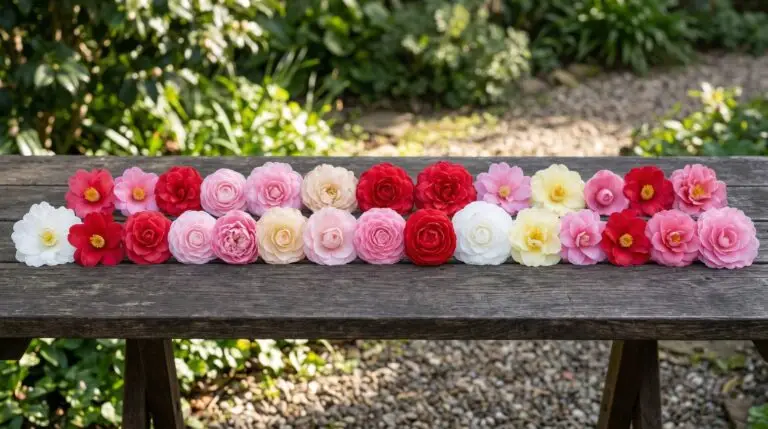
Camellia japonica versus camellia sasanqua and choosing the right one for your garden
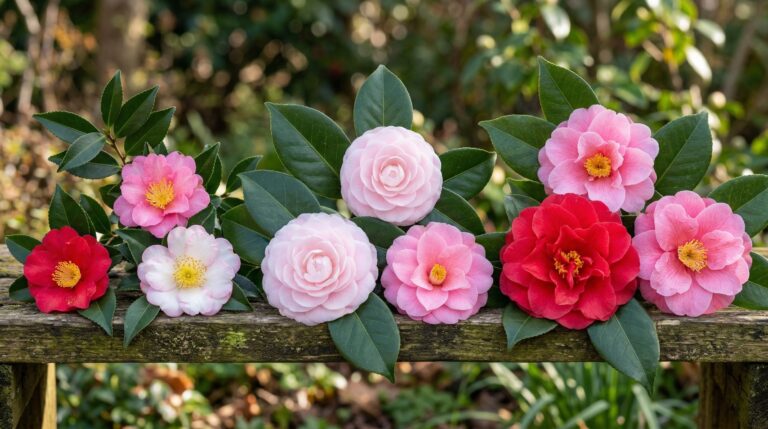
Best camellia varieties for Southern gardens from fall through spring blooms
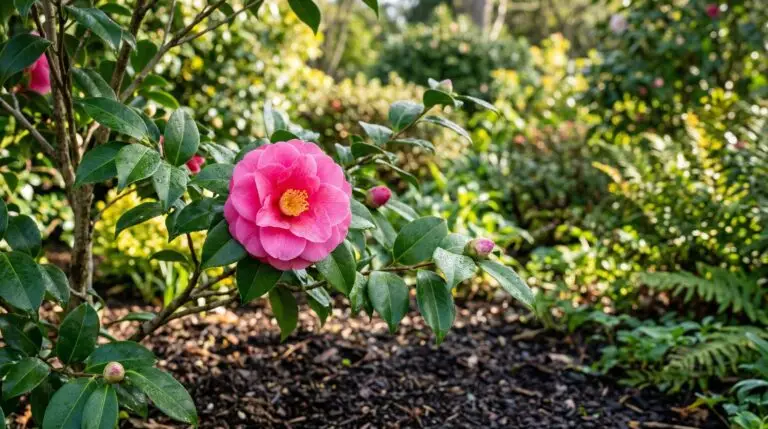
Common camellia diseases including petal blight and scale and how to treat them
How to prune camellias for shape and size without sacrificing next season’s flowers
Camellia flower meaning in Japanese tea ceremony culture and garden traditions
Growing camellias in containers for patios and northern gardeners who want blooms
How to grow camellias in cold climates with the right varieties and winter protection
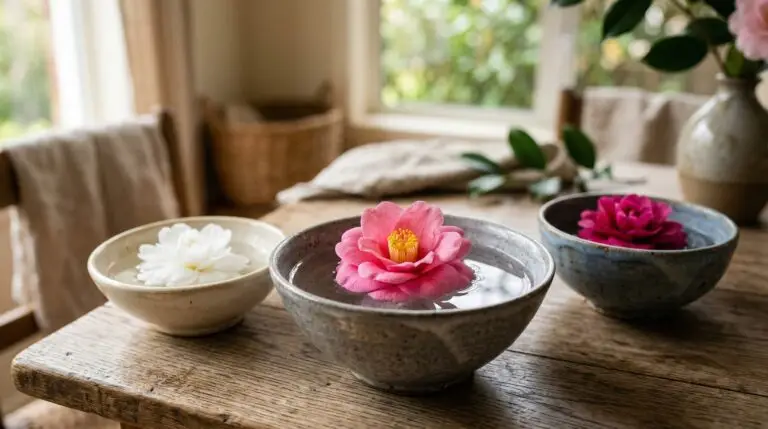
Using camellia flowers for floating arrangements and simple winter table decor
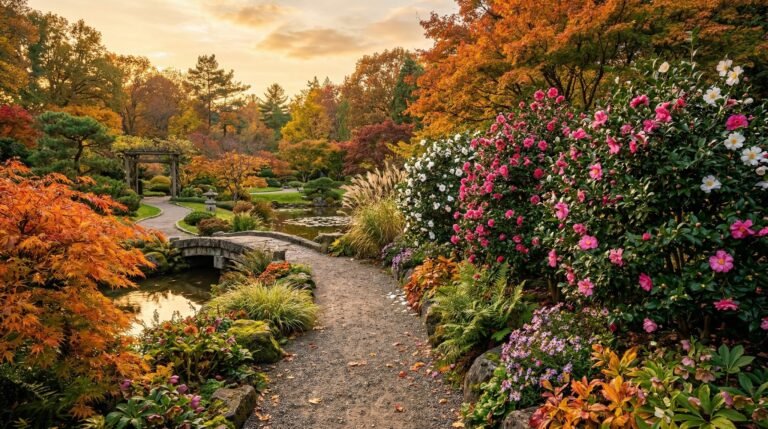
Designing a camellia garden walk with layered blooms from October through April
Enjoying our flower guides? Add YourFlowersGuide as a preferred source on Google. It helps more readers find us.
Add to Preferred Sources