Stepping into the garden on a January morning, the air feels sharp in your lungs and smells faintly of wet bark and woodsmoke. The frost still clings to the shaded patches of grass, crunching softly underfoot as you walk toward the dark, glossy mass of the camellia bush. Against the muted grays and browns of the sleeping landscape, the heavy blooms demand your attention. You reach out to cup a flower in your bare hand, feeling the cold, thick waxiness of the outer petals. The color is a saturated magenta that photographs almost purple in the low winter light, glowing from within the dark foliage. When you press the heavy shears against the woody stem, they bite through with a sharp snap, releasing a faint, green scent of rising sap. The flower head is heavy, nodding immediately on its short stem as you cradle it against your coat to carry it indoors.
Inside the house, the sudden warmth begins to soften the stiff petals almost immediately. You lay the freshly cut branches on the kitchen counter, watching how the artificial light flattens the rich magenta into a brighter, louder pink. Camellias have a habit of dropping their heavy heads when placed in a standard vase, their short necks unable to support the weight of so many dense, overlapping petals. The thick, leathery leaves with their finely serrated edges offer a deep, forest-green contrast to the delicate blooms, but they often obscure the flower when arranged upright. This structural heaviness requires a different approach to display, one that supports the bloom from beneath rather than forcing it to stand tall. You run your fingers over the smooth ceramic of a shallow, wide-rimmed bowl, deciding to let the water itself hold the weight of the flower.
Contents 4 sections
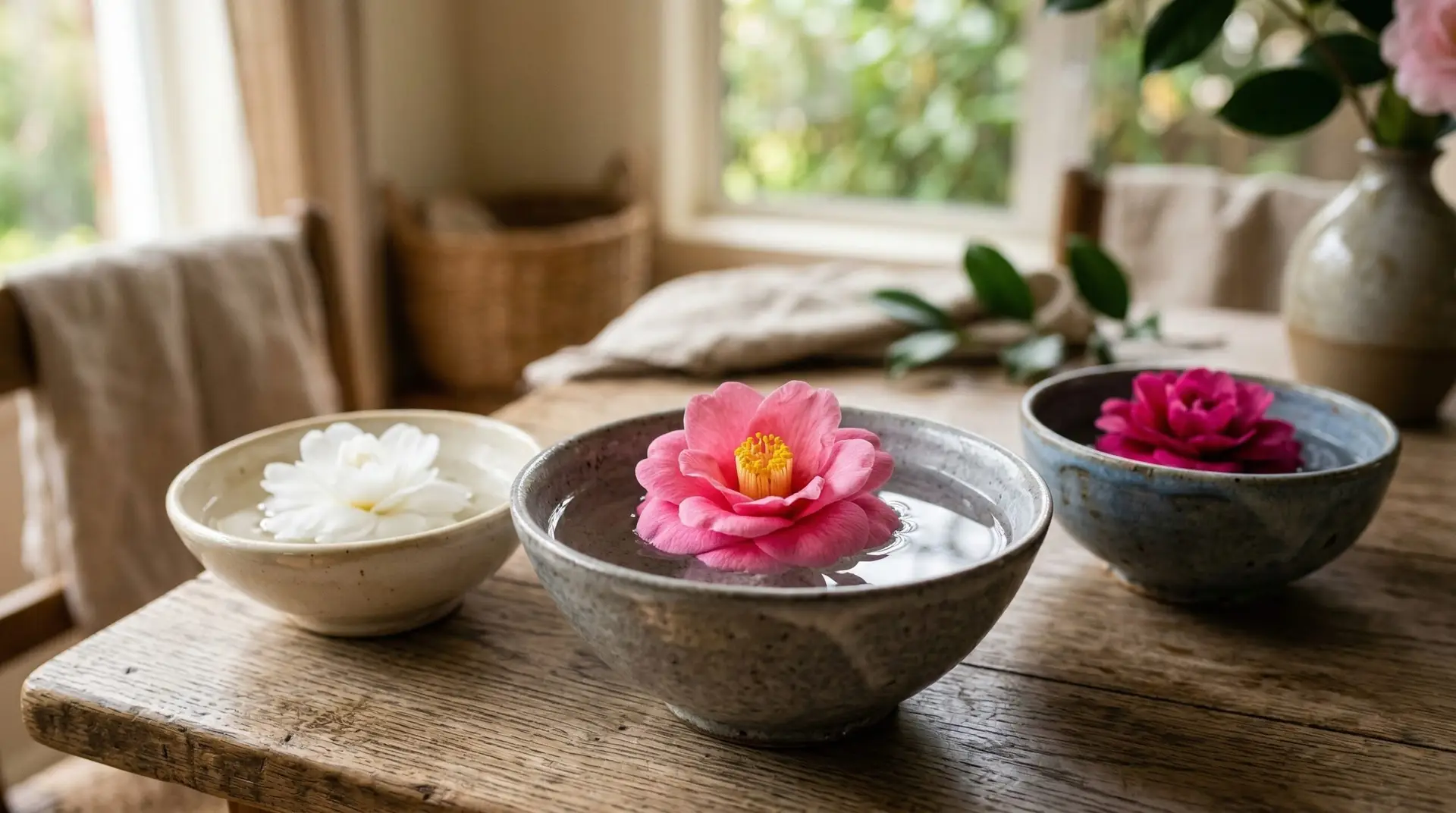
Floating camellia blooms in winter light
Filling the bowl with cool tap water creates a dark, still mirror that catches the reflection of the window. You take a small paring knife and slice the camellia stem away completely, leaving only the flat green calyx at the base of the petals. Gently, you lower the bloom onto the surface of the water, watching as the surface tension grabs the lower petals and holds the heavy flower perfectly afloat. The arrangement feels instantly calm, much like floating a fragrant, creamy gardenia blossom in a glass dish during the heavy heat of summer. Released from the pull of gravity, the camellia opens slightly wider, the central petals relaxing outward over the next few hours. A few dark green leaves, snipped from the leftover stems, can be slipped into the water to rest just beneath the surface, adding depth to the bowl. The water magnifies the submerged foliage, making the veins look prominent and alive.
As the day progresses, the light moving across the room changes the entire character of the floating arrangement. Morning sun strikes the water, casting rippling, watery shadows across the ceiling and highlighting the golden pollen on the camellia’s central stamens. By late afternoon, the light turns long and amber, deepening the pink petals into a bruised, velvety crimson. The water keeps the bloom perfectly hydrated, preventing the edges from taking on that papery, brown crispness that often plagues cut camellias in dry indoor air. You will know the water needs changing when it loses its crystal clarity and takes on a faint, cloudy tint. Lifting the bloom delicately by its base, you can pour out the old water, rinse the bowl, and set the flower back onto a fresh, cold surface. This simple daily ritual extends the life of the bloom, keeping the color pure and the petals firm for nearly a week.
Crafting corsages from winter petals
The sturdy, architectural quality of a camellia bloom makes it ideal for wearing against the heavy fabrics of winter clothing. To create a simple corsage, you must pierce the thick, green base of the flower with a length of stiff florist wire, feeling the slight resistance before the wire slides through. Bending the wire downward creates an artificial stem that you can wrap tightly with green floral tape. The tape feels slightly tacky against your fingertips as you stretch it, binding the wire and sealing the moisture into the base of the flower. You can wire a single, glossy camellia leaf and tuck it just behind the bloom, creating a dark background that makes the colored petals stand forward. Pinned to the lapel of a thick wool coat, the flower adds a living, textural element to the dense fabric. The cold outdoor air naturally chills the bloom, keeping the waxy petals crisp and perfect while you walk through the winter streets.
Preserving the color of cold mornings
There is a quiet satisfaction in trying to save the saturated colors of a winter garden before the spring arrives. Pressing camellias requires patience and the right type of bloom, as the fully double varieties contain too much moisture and bulk to flatten properly. You select a single-form camellia, one with just a few rows of petals surrounding a bright yellow center, and lay it face down on a sheet of heavy, matte watercolor paper. The paper feels rough and porous, ready to pull the water out of the plant tissue over the coming weeks. Closing the heavy wooden flower press, you tighten the bolts at the corners, feeling the physical compression of the layers. The drying process fills the room with a faint, dusty scent of old paper and sweet, decaying vegetation. When you finally open the press a month later, the camellia has transformed into a tissue-thin shadow of itself, feeling fragile and papery like a dried rose, with its once-bright colors faded to soft, antique shades of mauve and cream.
Setting a table with winter shadows
A winter dinner table requires a different kind of warmth, one built on shadows, candlelight, and deep, rich colors. You spread a heavy linen cloth over the wood, feeling the woven texture under your hands as you smooth out the creases. Down the center of the table, you scatter loose camellia branches, letting the dark, serrated leaves overlap and create a dense runner of foliage. Tucking the stemless blooms directly into the leaves makes them look as though they are growing right out of the table surface. You place tall, ivory taper candles between the flowers, lighting them just as the guests arrive. The warm, flickering light catches the natural wax of the camellia leaves, making them shine in the dim room. Adding a few stems of pale green, nodding hellebore into the dark foliage provides a delicate contrast to the heavy, solid presence of the camellias.
When the meal is over and the house grows quiet, the garden remains present in the center of the room. The taper candles have burned down to short stubs, their light casting long, wavering shadows across the scattered leaves and the floating bowl. The camellia in the water has softened slightly, its outer petals resting completely flat against the dark surface. You touch the edge of a petal, feeling the cool moisture and the slick, bruised texture where it has begun to age. The deep magenta color still holds strong in the dim light, a heavy drop of pigment suspended in the clear water. Outside the window, the frost is already returning to the grass, hardening the earth for another night. Inside, the solitary floating bloom captures the entire essence of the winter garden, perfectly still and quietly alive in the dark.
More About Camellia
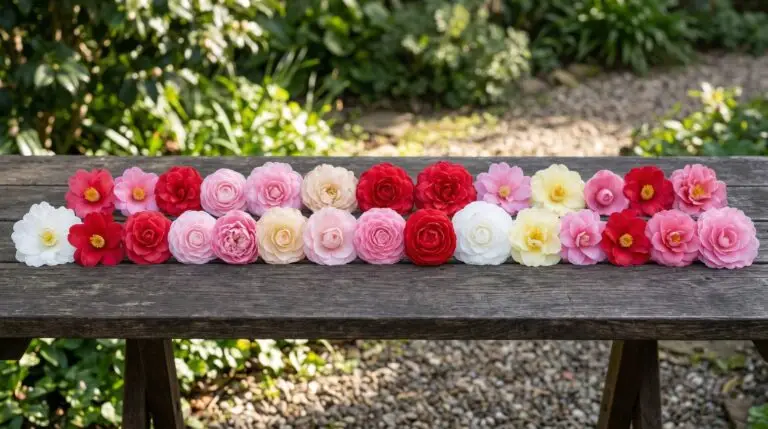
Camellia japonica versus camellia sasanqua and choosing the right one for your garden
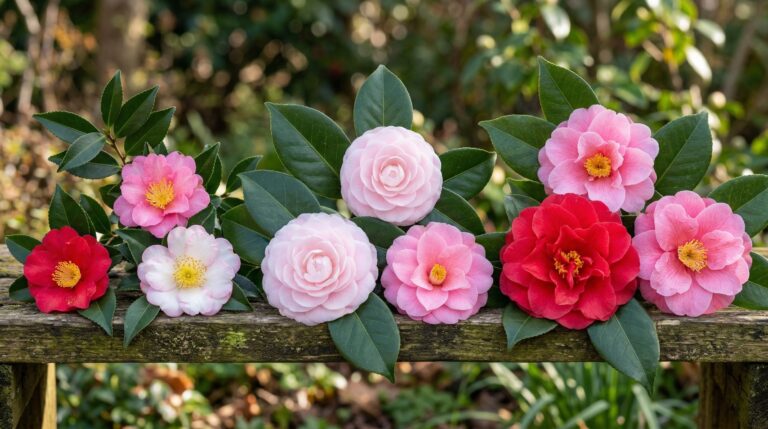
Best camellia varieties for Southern gardens from fall through spring blooms
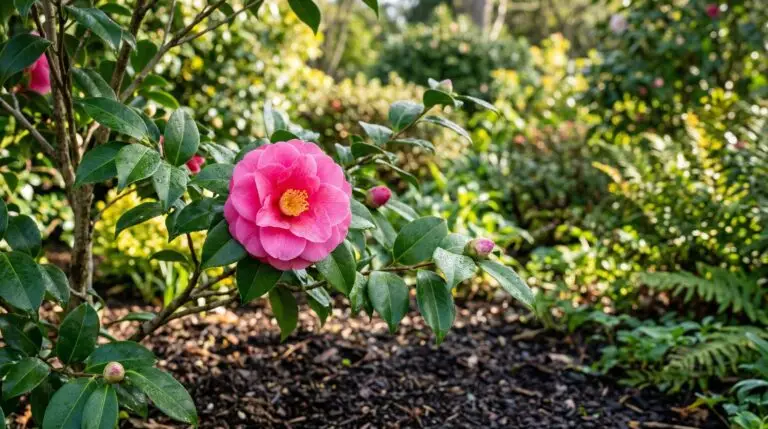
Common camellia diseases including petal blight and scale and how to treat them

How to prune camellias for shape and size without sacrificing next season’s flowers
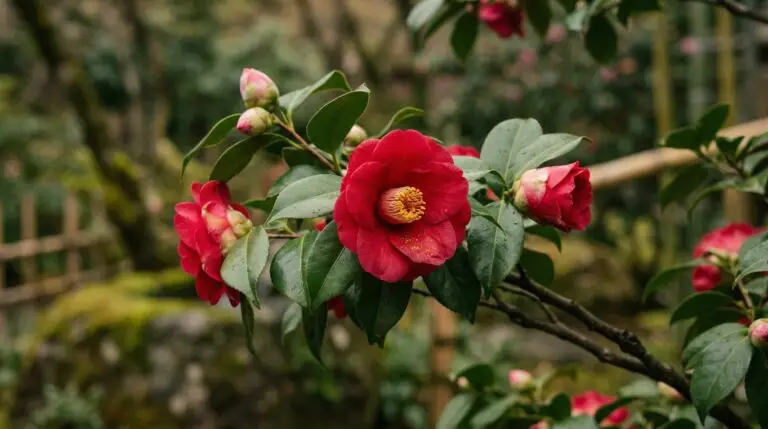
Camellia flower meaning in Japanese tea ceremony culture and garden traditions
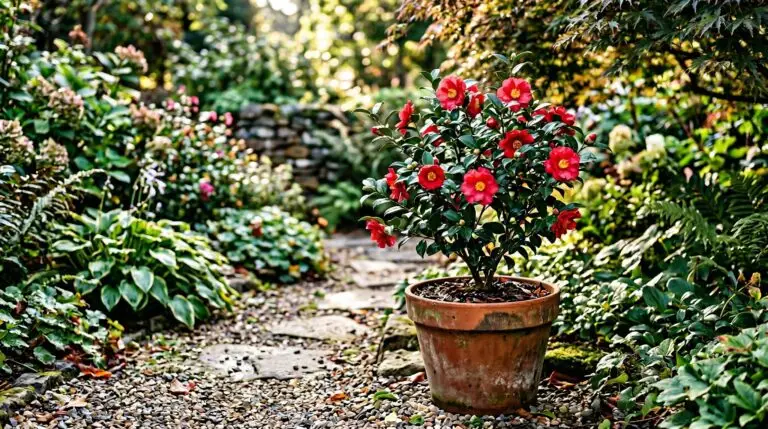
Growing camellias in containers for patios and northern gardeners who want blooms
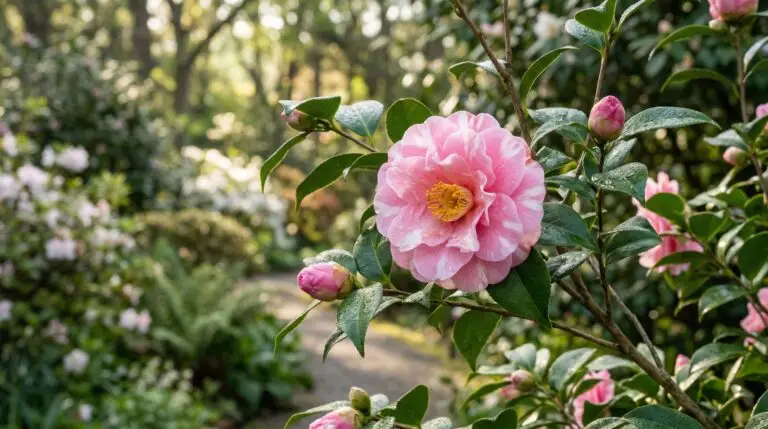
How to grow camellias in cold climates with the right varieties and winter protection
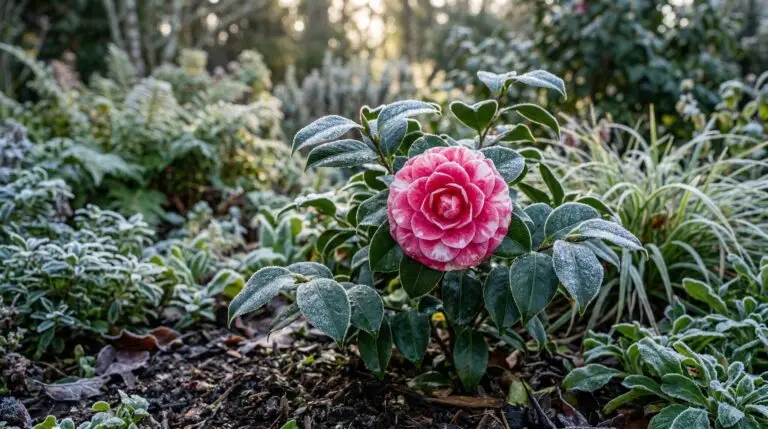
Why camellia buds drop before opening and how to prevent bud blast
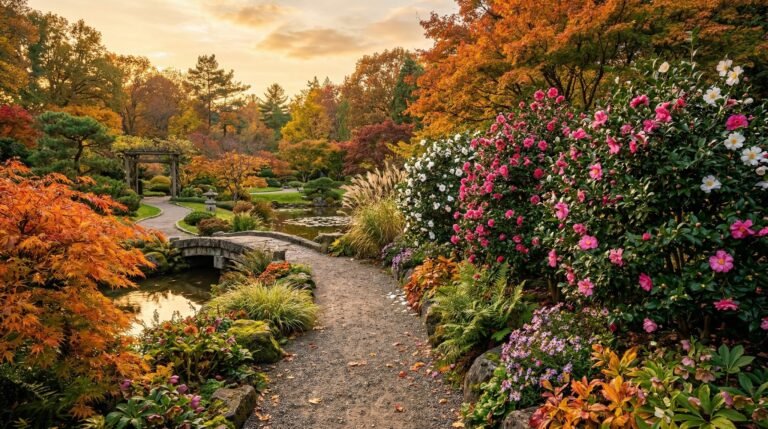
Designing a camellia garden walk with layered blooms from October through April
Enjoying our flower guides? Add YourFlowersGuide as a preferred source on Google. It helps more readers find us.
Add to Preferred Sources