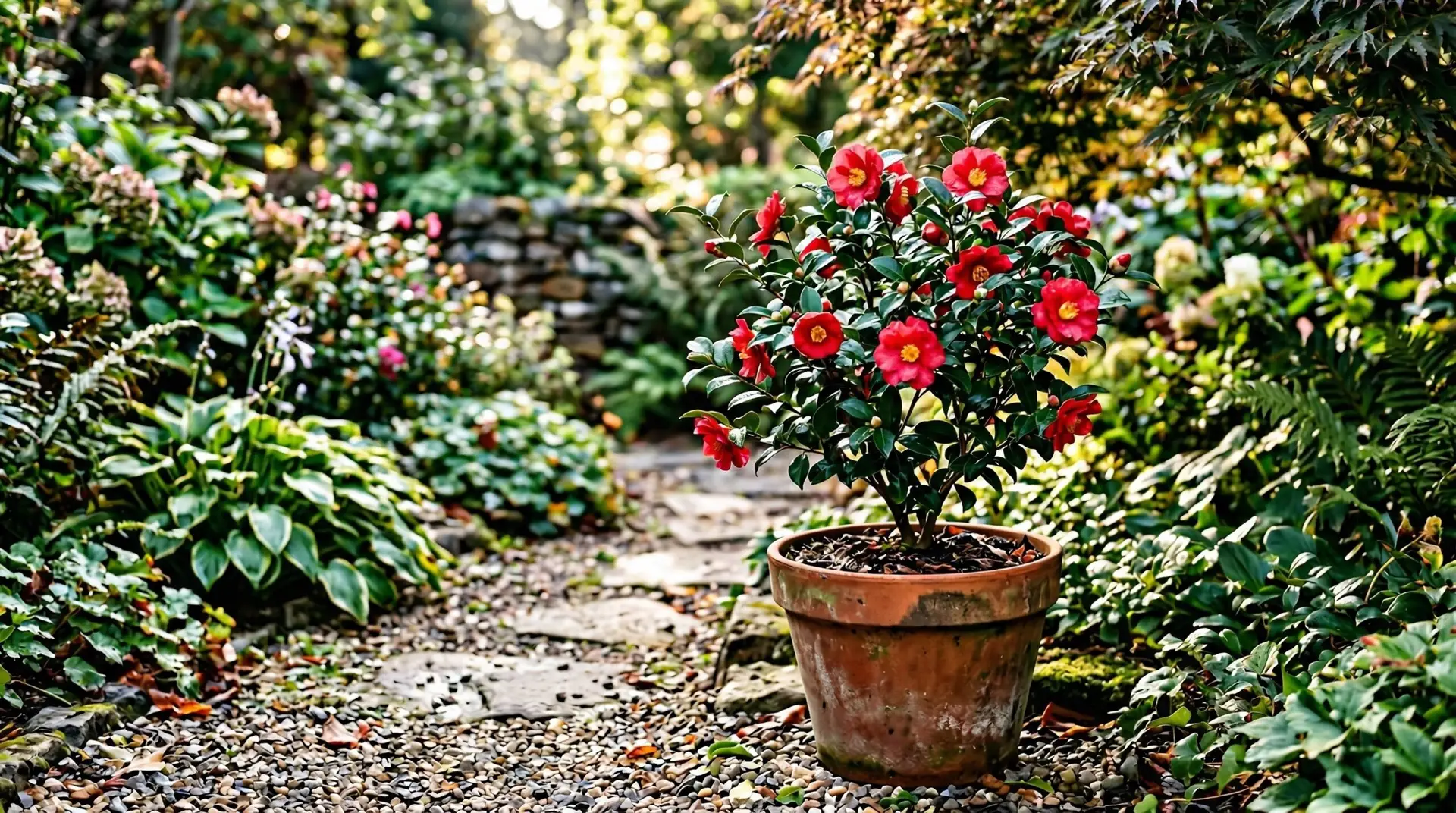
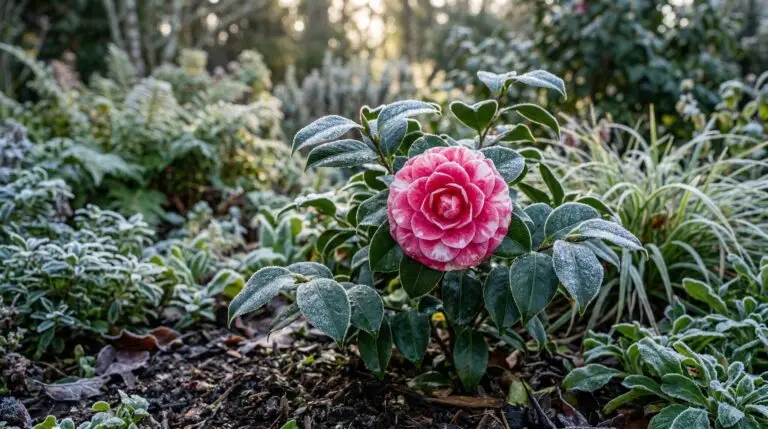
Walking through a neighborhood in late winter and seeing a massive shrub covered in perfect, rose-like blooms while the rest of the yard is completely bare is enough to make any gardener stop and stare. Southern gardeners take these winter flowers for granted, but up north, the sight of a camellia usually brings a sharp pang of zone envy. The good news is that growing a camellia in pot completely changes the rules of where these plants can survive. By keeping the plant mobile, northern growers can enjoy the exact same winter and spring blooms without worrying about a harsh freeze killing a ground-planted shrub. A container camellia is surprisingly resilient once the basic rules of dirt and water are respected. The trick is simply understanding that a potted shrub relies entirely on the gardener for its environment, meaning the soil, the drainage, and the winter shelter have to be set up correctly from day one.
Contents 4 sections
Getting the container size and soil acidity right
When potting up a new shrub, the instinct is often to buy the biggest decorative pot available so the plant has room to grow for years. Putting a small camellia into a massive pot is a quick way to drown it, because the excess soil holds far too much water for the young root system to drink. The better approach is to choose a container only two or three inches wider than the nursery pot it came in. Plain plastic nursery pots work perfectly well and are lightweight, which becomes very important when it is time to drag the plant into the garage for winter. If a decorative look is necessary, slip the plastic pot inside a larger ceramic one rather than planting directly into heavy clay. Make sure whatever pot holds the actual roots has at least four large drainage holes, because waterlogged roots will rot within a matter of weeks.
The dirt inside that container matters more than almost anything else, and regular bagged potting soil straight from the hardware store will not work on its own. Camellias demand acidic soil to absorb nutrients properly, much like an azalea requires a lower pH to keep its leaves from turning a sickly yellow. A reliable, affordable mix can be made at home by combining equal parts of standard potting soil, peat moss, and finely shredded pine bark mulch. The pine bark creates essential air pockets in the dirt while slowly breaking down to feed the plant and maintain the acidity. If the leaves start looking pale green with dark green veins later in the season, the soil is likely losing its acidic edge. Scratching a handful of agricultural soil sulfur or specialized acid-loving plant fertilizer into the top inch of dirt will usually correct the issue within a month.
Finding the best varieties for small spaces
Not every variety is meant to live in a pot for its entire life, as some standard types want to grow fifteen feet tall and will quickly become rootbound. Shopping for dwarf or compact varieties is the easiest way to ensure long-term success with growing camellia in containers. Plants from the Sasanqua group generally have smaller leaves, tolerate more sun, and adapt well to the restricted space of a pot. They bloom earlier in the season, usually starting in autumn and pushing through early winter, which is perfect for gardeners who want color before the snow flies. The Japonica types offer those massive, formal double flowers in late winter, but they need strict shade and tend to grow a bit larger. Read the plant tags carefully at the nursery and look for mature heights listed under five feet to save a lot of heavy pruning and repotting down the road.
Even with a compact variety, some maintenance pruning is required to keep the shape tidy and the center of the plant open to air circulation. The best time to trim is immediately after the last flower drops in the spring, right before the plant starts pushing out its new flush of bright green leaves. Cutting back too late in the summer will remove the buds that are forming for the next blooming cycle, resulting in a completely green plant the following winter. Look for branches that cross and rub against each other, removing the weaker one to prevent bark damage. It is completely normal for a newly pruned plant to sit perfectly still and look entirely dormant for a few weeks before new growth appears. Patience is required, as these shrubs operate on their own slow timeline and cannot be rushed by adding extra water or fertilizer.
Watering habits and seasonal feeding
Watering a potted camellia requires paying attention to the weather and the weight of the pot rather than sticking to a rigid weekly schedule. The soil needs to stay evenly moist like a wrung-out sponge, but it should never feel swampy or sit in a saucer of standing water. The simplest test is to push a finger two inches down into the potting mix; if it feels dry at that depth, it is time to water deeply until liquid runs out the bottom. During hot summer months, a plant sitting on a sunny patio might need water every single day, especially if the pot is relatively small. Conversely, when the plant is resting in a cool garage over the winter, it might only need a light drink once every three or four weeks. Letting the root ball dry out completely is a common mistake that causes the plant to drop its flower buds unopened, leaving brown, crispy little balls on the stems instead of blooms.
Feeding these shrubs does not require expensive liquid concentrates or complicated chemical schedules. A slow-release organic fertilizer is usually the safest route because it will not burn the sensitive surface roots if applied a little too heavily. Cottonseed meal is an old, trusted favorite among long-time growers because it is cheap, feeds gently over several months, and naturally acidifies the soil. Much like caring for a gardenia in a pot, the fertilizer should be applied right after the spring bloom finishes and perhaps once more in early summer. Stop feeding entirely by August so the plant stops pushing out tender new leaves and begins hardening off its growth in preparation for colder weather. Pushing late-season growth with nitrogen is a surefire way to invite frost damage when the temperatures finally drop.
Managing winter weather and root protection
Gardeners in the South can often leave their pots outside year-round, perhaps just sliding them up against a brick wall to block the worst winter winds. In northern zones, the approach changes completely because the roots inside a container are exposed to freezing air on all sides, unlike ground soil which holds deep earth heat. Once the nighttime temperatures consistently drop into the low thirties, the pot needs to be moved into an unheated garage, a cool basement, or an enclosed porch. The goal is to keep the plant dormant and protect the roots from freezing solid, not to bring it into a warm living room where the dry air will shock it. While in winter storage, the plant still needs a bit of ambient light, but direct blazing sun through a window can actually heat the leaves too much while the roots are cold. Check the soil moisture periodically during this storage phase, as winter winds and dry indoor air can quietly dehydrate the soil.
When spring arrives and the danger of hard frost passes, moving the plant back outside requires a gradual transition rather than an abrupt change in scenery. Taking a shrub directly from a dim garage to a bright, sunny patio will almost certainly scorch the leaves, turning them white and papery in a matter of days. Place the pot in deep shade under a tree or against a north-facing wall for at least a week to let it acclimate to the outdoor light and wind. It is very common for the plant to drop a handful of older, yellowing leaves during this transition period as it adjusts to the new humidity levels. Do not panic and start dumping fertilizer into the pot to fix the leaf drop, as the plant just needs time to settle its roots back into an active growing phase. Growing these shrubs in pots takes a bit of heavy lifting twice a year, but having fresh blooms on the patio makes the seasonal shuffling entirely worthwhile.
More About Camellia
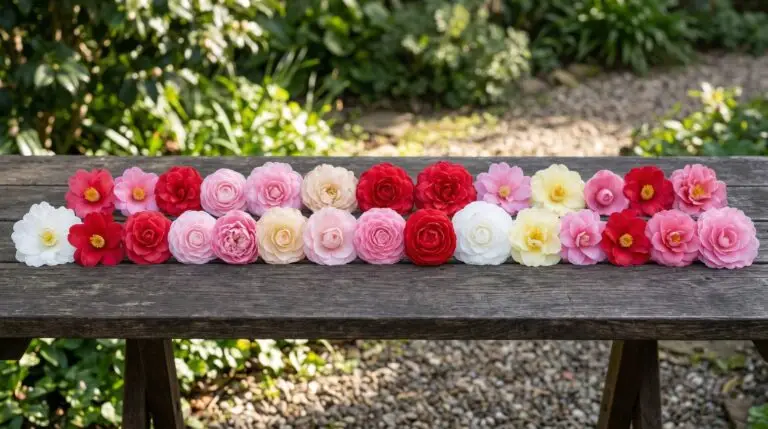
Camellia japonica versus camellia sasanqua and choosing the right one for your garden
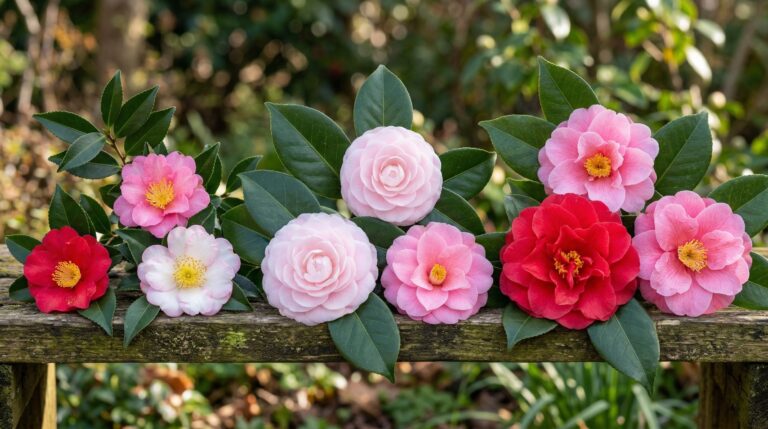
Best camellia varieties for Southern gardens from fall through spring blooms
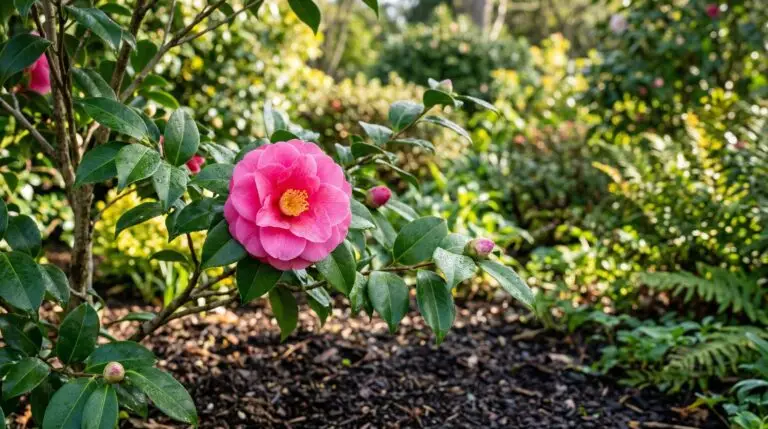
Common camellia diseases including petal blight and scale and how to treat them
How to prune camellias for shape and size without sacrificing next season’s flowers
Camellia flower meaning in Japanese tea ceremony culture and garden traditions
How to grow camellias in cold climates with the right varieties and winter protection
Using camellia flowers for floating arrangements and simple winter table decor
Why camellia buds drop before opening and how to prevent bud blast

Designing a camellia garden walk with layered blooms from October through April
Enjoying our flower guides? Add YourFlowersGuide as a preferred source on Google. It helps more readers find us.
Add to Preferred Sources