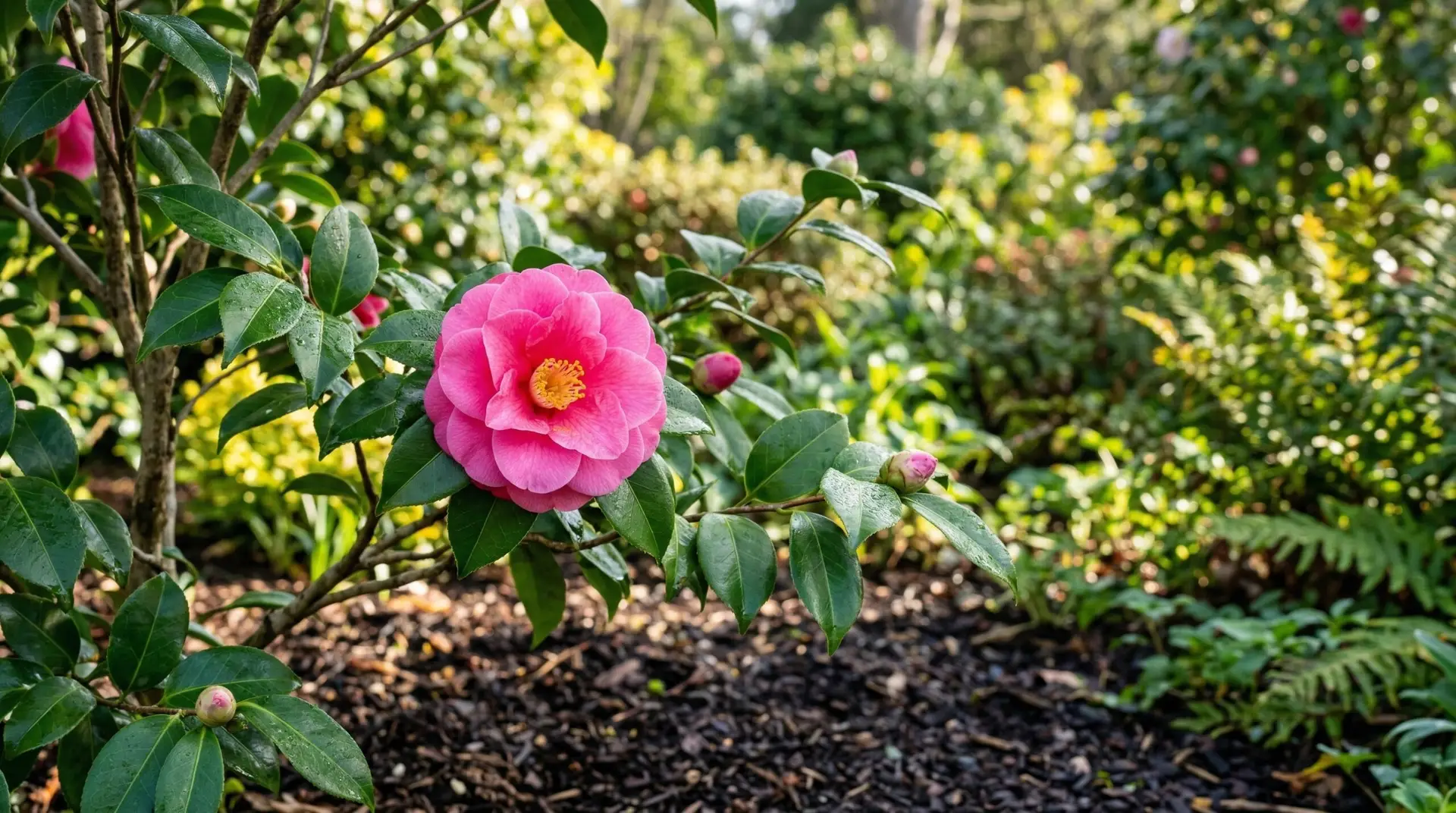
Camellia disease prevention begins with precise placement and aggressive sanitation, not chemical intervention. The most destructive issues affecting these shrubs stem from poor air circulation, improper planting depth, or lingering debris. Petal blight and scale insects thrive in stagnant, humid microclimates where old plant material is allowed to rot on the ground. You cannot spray your way out of a severe fungal infection or a heavy scale infestation if the cultural conditions remain poor. Healthy camellias require acidic, fast-draining soil and enough space between companion plants to let the wind move through the canopy. If you fix the airflow and the drainage, you eliminate the environment that supports most pathogens.
Contents 4 sections
Managing camellia petal blight
Camellia petal blight is caused by the fungus Ciborinia camelliae and ruins the flowers just as they open. The infection starts as small brown specks that rapidly expand to cover the entire petal, eventually turning the whole bloom into a soggy, brown mess. Unlike weather damage which typically occurs on the outer edges of the petals, blight spots often begin near the center and display a distinct white, fuzzy ring at the base of the flower. Despite what many sources claim, fungicides applied to the foliage or blooms will not cure petal blight once the infection starts. The fungus survives the winter in hard black structures called sclerotia that form inside fallen flowers and rest in the soil. The only effective control is rigorous sanitation, which means picking up every single fallen bloom and removing infected flowers from the shrub before they drop. Replace the mulch under the plant entirely every spring to bury or remove any remaining sclerotia.
Identifying and treating tea scale
Tea scale is the most common and damaging pest of camellias, caused by the insect Fiorinia theae. You will usually notice the problem first by looking at the top of the leaves, which develop irregular yellow splotches as the insects feed on the plant sap. Turn the affected leaves over, and you will find a dense, white, cottony fuzz mixed with tiny brown shells covering the undersides. Heavy infestations cause premature leaf drop and severely stunt the growth of the shrub, making it vulnerable to secondary infections. Treat tea scale by applying a horticultural oil, such as neem oil or a refined paraffinic oil, thoroughly coating the undersides of the leaves. Apply the oil in late winter or early spring before the new growth hardens off, and never spray when temperatures exceed 85 degrees Fahrenheit. You will often see similar scale insects attacking gardenia shrubs planted in the same landscape, so check those nearby plants and treat them simultaneously.
Controlling sooty mold and algal leaf spot
Sooty mold is a black, powdery fungus that coats the surface of camellia leaves but does not actually infect the plant tissue. It grows entirely on the sticky honeydew excreted by sap-sucking insects like aphids or the aforementioned tea scale. You do not need a fungicide to treat sooty mold because the black coating will weather away naturally once you eliminate the insect population producing the honeydew. Algal leaf spot is a different organism entirely, appearing as raised, silvery-green or rusty-red patches on the mature foliage. This condition thrives in high humidity and deep shade where the leaves stay wet for extended periods. Prune the interior branches of the camellia to open up the canopy and allow sunlight and air to penetrate the center of the shrub. If algal leaf spot persists after pruning, apply a copper-based fungicide at the recommended label rate during the early summer months.
Preventing root rot in heavy soil
Phytophthora root rot is a fatal disease that destroys the root system of camellias planted in heavy, poorly draining clay soils. The symptoms are often confusing because the plant will wilt and look drought-stressed even when the soil is completely saturated. As the roots decay, they cannot take up water, leading to yellowing leaves, stunted growth, and eventual death of the entire shrub. Do not put gravel in the bottom of the planting hole, as this actually creates a perched water table that traps water directly against the roots. Instead, plant the camellia slightly high, leaving the top inch of the root ball above the surrounding soil grade, and taper mulch up to the edge. If your native soil is heavy clay, plant the shrub in a raised bed or a large container rather than trying to amend a single hole in the ground. Similar drainage rules apply to azalea plantings, which share the same shallow root structure and susceptibility to saturated soils. If a camellia dies from Phytophthora, do not plant another susceptible species in that exact spot without completely replacing the soil and fixing the drainage.
More About Camellia
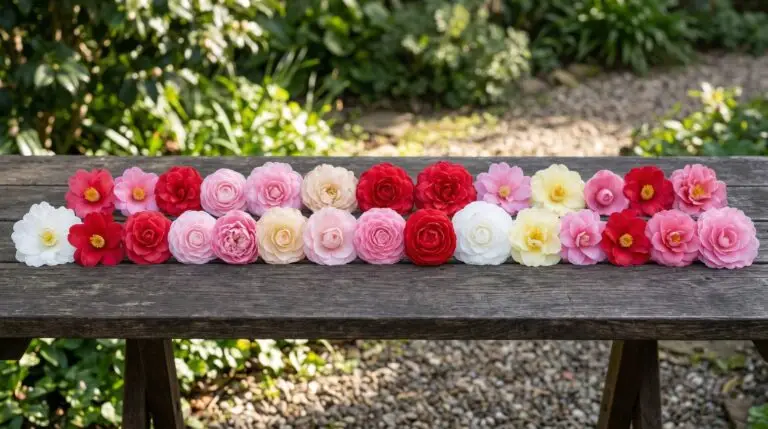
Camellia japonica versus camellia sasanqua and choosing the right one for your garden
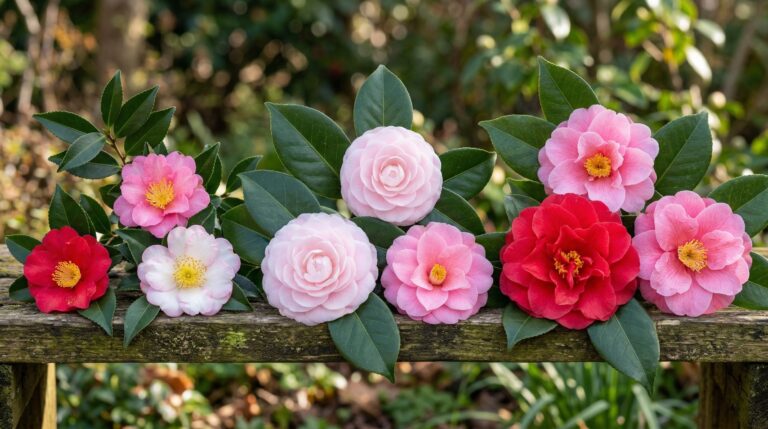
Best camellia varieties for Southern gardens from fall through spring blooms
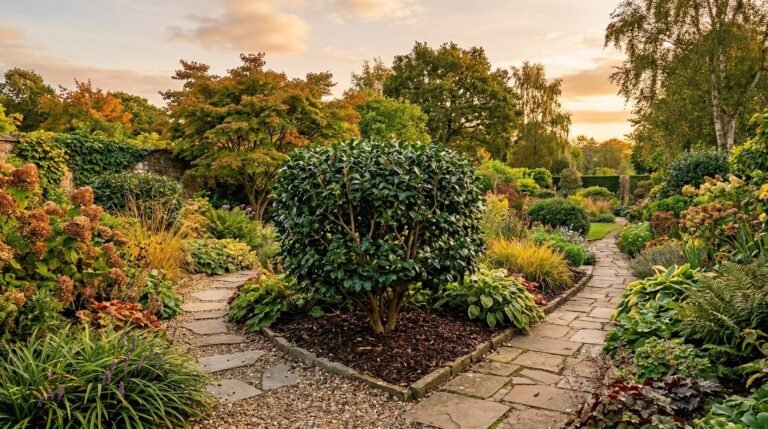
How to prune camellias for shape and size without sacrificing next season’s flowers
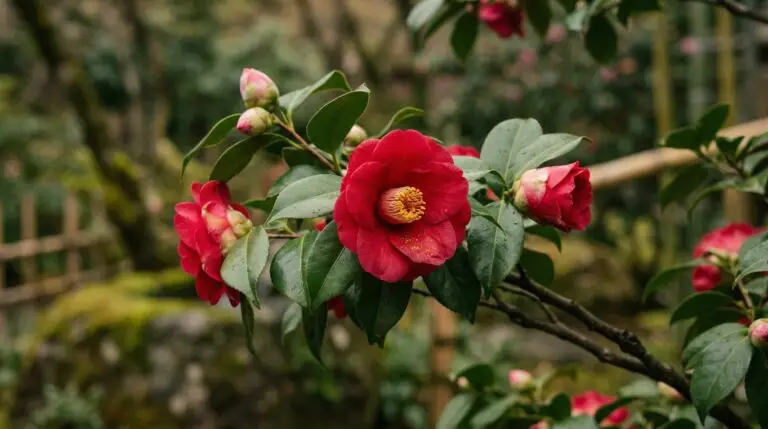
Camellia flower meaning in Japanese tea ceremony culture and garden traditions
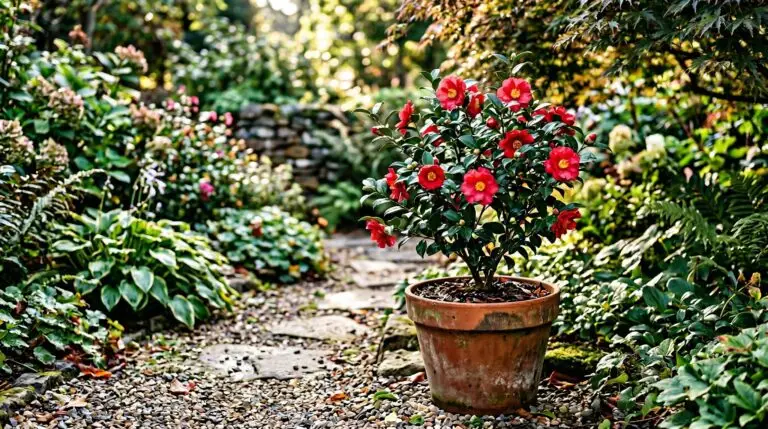
Growing camellias in containers for patios and northern gardeners who want blooms
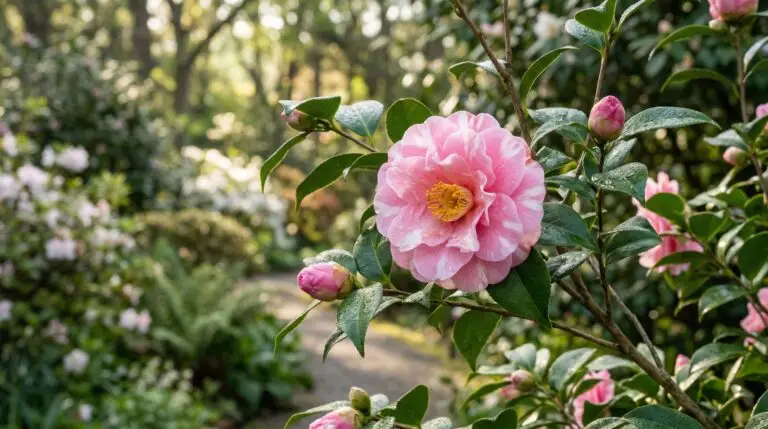
How to grow camellias in cold climates with the right varieties and winter protection
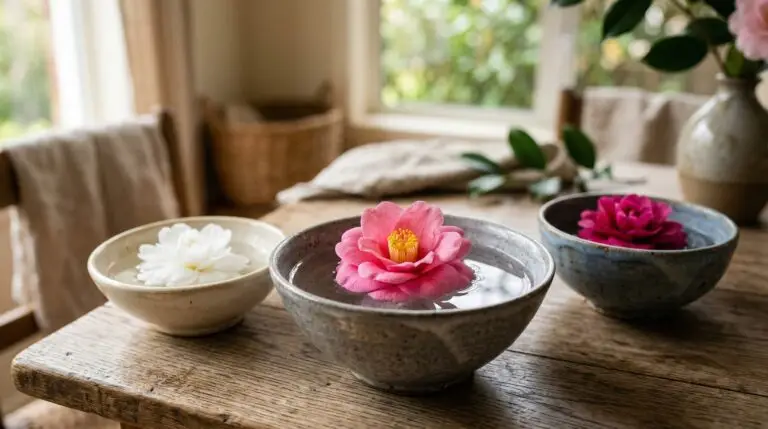
Using camellia flowers for floating arrangements and simple winter table decor
Why camellia buds drop before opening and how to prevent bud blast
Designing a camellia garden walk with layered blooms from October through April
Enjoying our flower guides? Add YourFlowersGuide as a preferred source on Google. It helps more readers find us.
Add to Preferred Sources