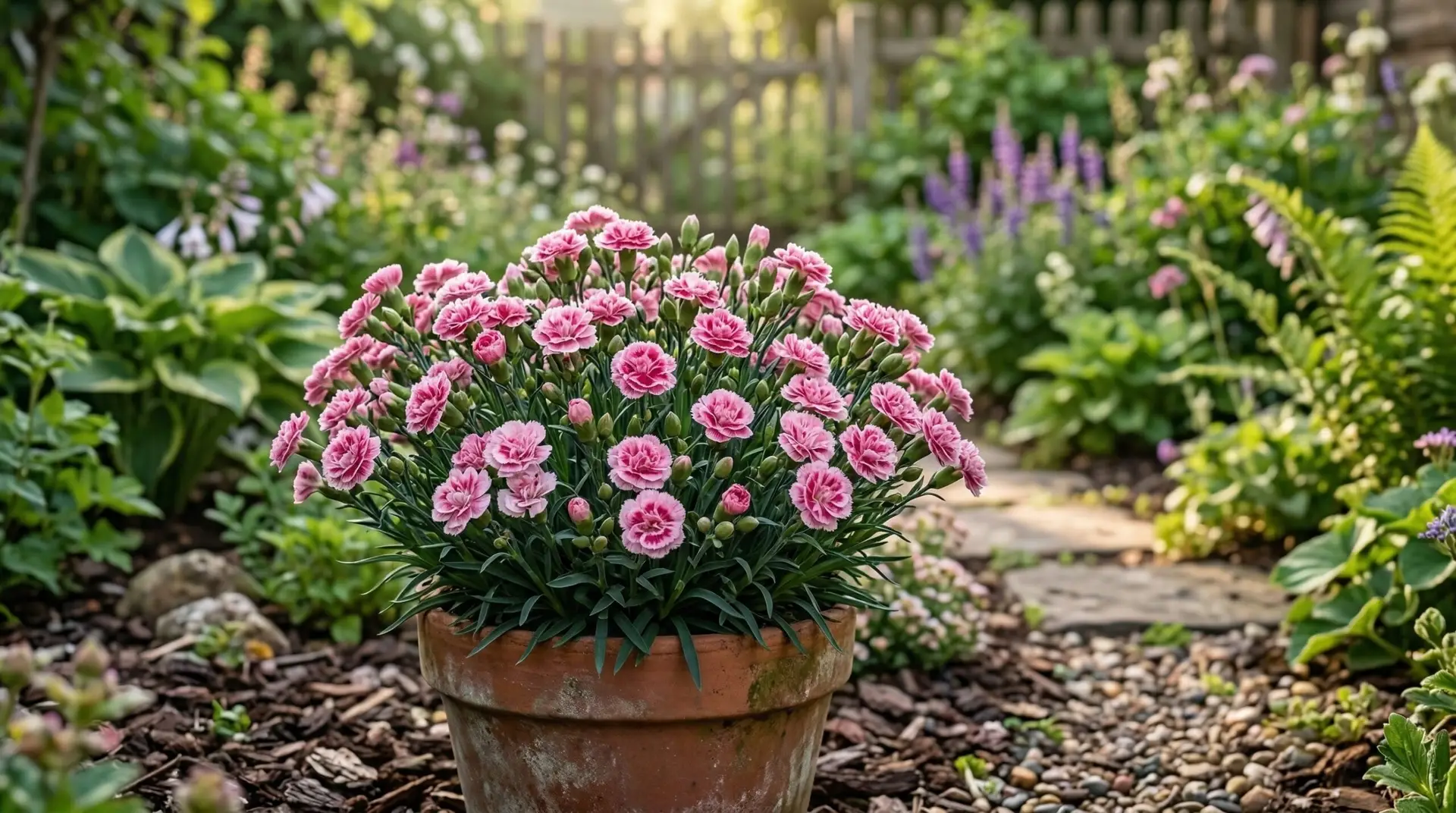
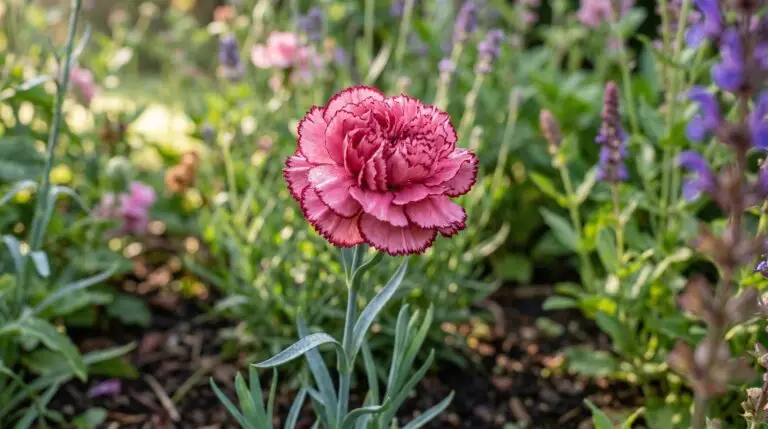
There is a familiar cycle that happens every spring when the garden centers fill up with those perfectly round, heavily blooming pots of pink and red flowers. People buy them on impulse, set them on a kitchen table, and watch in dismay as the buds dry up and the gray-green foliage starts to rot at the base. Carnations are often sold as disposable gift plants, but they are actually rugged little perennials that just need the right environment to thrive. The secret to keeping them alive past that first flush of greenhouse blooms is understanding that they are outdoor plants at heart. Moving them to a sunny balcony or a brightly lit windowsill requires making a few adjustments to mimic their natural preference for sharp drainage and cool air. Getting a carnation to bloom repeatedly on a windowsill takes a bit of patience, but the spicy fragrance is well worth the effort.
When planning a container garden, the tall florist carnations are usually too leggy and top-heavy to manage easily in pots. The better choice is always the compact dianthus varieties, often sold under names like border carnations or pinks. These smaller types stay naturally mounded, rarely need staking, and produce an incredible clove scent that floats through an open window on a warm afternoon. They are practically indestructible once established, provided they are not drowned in heavy, soggy potting soil. Growing a Sweet Alyssum plant nearby can create a beautiful, fragrant container display that thrives in the exact same well-draining conditions. Keeping the scale of the plants small makes the entire container garden much easier to maintain over the long summer months.
Contents 4 sections
Choosing the right pot and soil mixture
The fastest way to kill a carnation in pots is to use a container without drainage holes or to leave it sitting in a saucer full of water. These plants originate from rocky, Mediterranean hillsides where water runs right past their roots rather than pooling around them. Standard bagged potting soil from the hardware store is almost always too heavy and holds too much moisture for them to survive long term. Modifying that cheap soil is easy and affordable by mixing in generous amounts of perlite, pumice, or coarse builder’s sand until the texture feels distinctly gritty. A simple unglazed terra cotta pot is the best vessel for this mixture because the porous clay allows the soil to breathe and dry out evenly. Plastic pots will work if necessary, but they trap moisture and require a much lighter touch with the watering can.
When transplanting nursery seedlings into their permanent pots, the rootball often looks like a tightly wound brick of roots. Teasing those roots apart gently before planting encourages them to grow outward into the new soil rather than continuing to circle and choke the plant. The seedlings look dead or severely wilted for about two weeks after transplanting, which is completely normal. They are just recovering from the shock of having their roots disturbed. Resist the urge to drown them in water or hit them with heavy fertilizer during this sulking period. Just keep the soil barely moist and wait for new green growth to appear at the center of the plant.
Finding the perfect light for indoor and balcony growing
Growing carnations indoors requires finding the absolute brightest window available in the house, preferably one facing south or west. They need at least six hours of direct sunlight every day to produce flowers and keep their stems strong and upright. Without enough light, the silvery-green foliage will stretch out, become weak, and flop over the sides of the pot in a tangled mess. Gardeners in the South may find this easier because the winter sun is still quite strong, while those in northern zones might need to move pots directly against the glass to maximize exposure. If the window gets too hot during the peak of summer, cracking the sash to let in a breeze will keep the plants from baking behind the glass. Turning the pot a quarter turn every week will stop the plant from leaning heavily toward the light source.
Balcony growers have an easier time providing adequate light, but they have to watch out for the intense heat radiating off brick walls or concrete floors. While carnations love the sun, they actually prefer cooler temperatures and will often stop blooming entirely if the weather stays above ninety degrees for weeks on end. Moving the pots to a spot that receives morning sun and afternoon shade is a practical way to keep them blooming through the hottest months of summer. They handle wind very well, which makes them much better suited for high-rise balconies than delicate plants with large, easily torn leaves. Just remember that wind dries out terra cotta pots very quickly, so balcony plants will need much closer monitoring than those sitting quietly on a kitchen windowsill. Tucking the pots behind a slightly larger container can provide just enough of a windbreak on especially gusty days.
Watering routines and general daily care
Nailing down the watering schedule is the most critical part of carnation container care, and it relies entirely on the touch test. Poking a finger about two inches into the soil is the only reliable way to know if the plant actually needs a drink. If the soil feels even slightly damp at that depth, wait another day or two before checking again. When it is finally time to water, pour the water directly onto the soil surface while trying to keep the foliage as dry as possible to prevent powdery mildew and rust diseases. Water should pour freely out of the bottom drainage holes within a few seconds, proving that the gritty soil mixture is doing its job. Empty the drainage saucer immediately so the pot never sits in standing water overnight.
Feeding these plants does not require expensive, specialized fertilizers or complicated chemical schedules. A basic, water-soluble bloom fertilizer applied at half strength once a month during the growing season is more than enough to keep the flowers coming. Overfeeding them actually produces masses of weak, floppy green leaves at the expense of those fragrant blossoms. They are light feeders compared to a heavy-blooming Petunia, which demands constant nutrition to maintain its summer display. Keeping the nutrition low and the soil slightly lean mimics the tough conditions where wild dianthus naturally grow, resulting in much stronger, healthier plants. If the foliage starts turning pale yellow while the veins remain green, a single dose of a standard liquid fertilizer will usually correct the deficiency within a week.
Managing blooms and pruning for longevity
The flowering cycle of a potted carnation happens in distinct waves rather than a steady, endless supply of blossoms. After a massive flush of spring or early summer flowers, the plant will enter a resting phase where it looks a bit ragged and exhausted. This is the exact moment when most people throw the plant in the compost bin, assuming it has reached the end of its life. Taking a pair of sharp scissors and cutting all the spent flower stems all the way back to the main mound of foliage will trigger a new cycle of growth. Deadheading is tedious work, but removing those fading flowers stops the plant from wasting energy on making seeds. Within a few weeks of a hard trim, fresh silver growth will emerge, followed shortly by a new set of flower buds.
As the plant ages over a few years, the center of the mound might start to look woody and bare, with all the new growth happening at the edges. This is a natural aging process for all dianthus varieties, and it simply means the plant is getting ready to be divided or replaced. You can often prolong the life of an older, woody plant by top-dressing the pot with a handful of fresh compost mixed with sand early in the spring. Sometimes, a plant just runs out of vigor after a few years in a pot, no matter how perfectly you water or prune it. Starting fresh with a new nursery seedling is just part of the normal rhythm of keeping a container garden full of life and fragrance. Accepting that container plants have a natural lifespan makes gardening much less stressful and leaves room to try new varieties each season.
More About Carnation
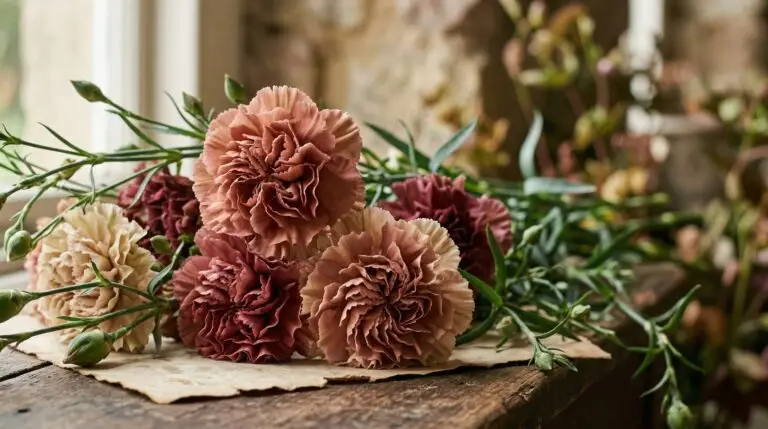
The rich history of carnations from ancient Greek garlands to Mother’s Day flowers
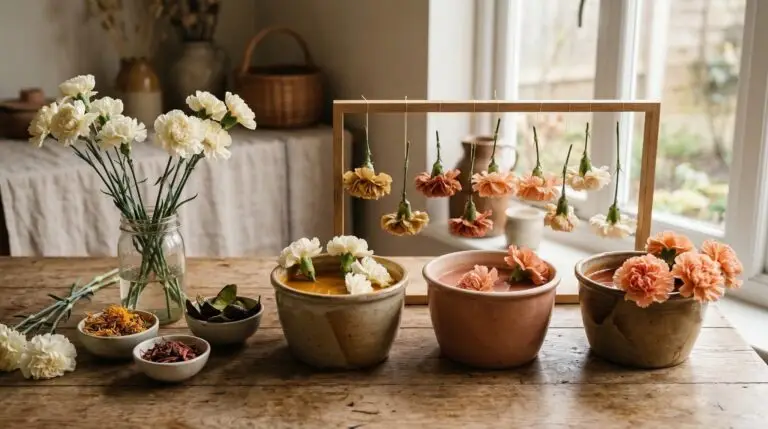
How to dye carnations with food coloring for fun science projects and party decor
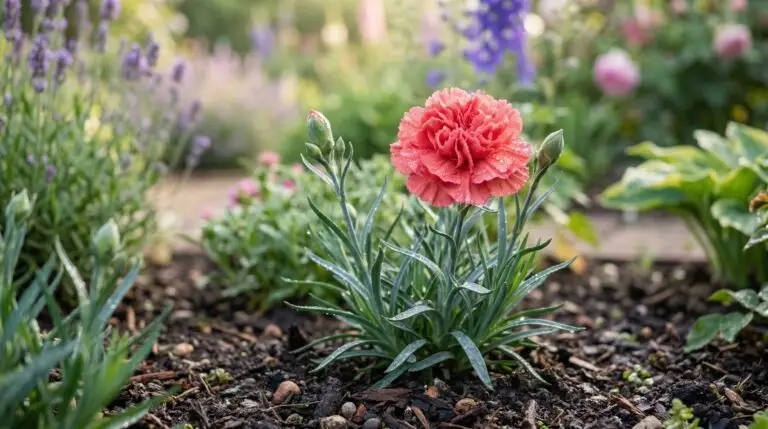
How to make carnations last over two weeks in a vase with proper care
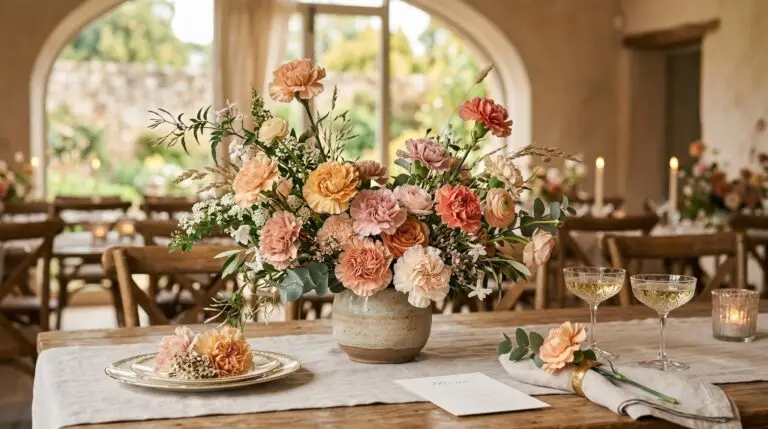
Carnation wedding bouquets making a comeback with modern elegant designs
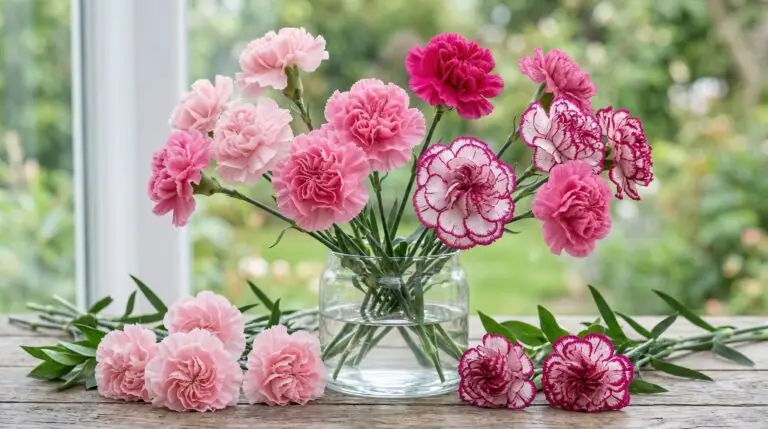
Best garden pinks and border carnations for fragrant perennial cottage gardens
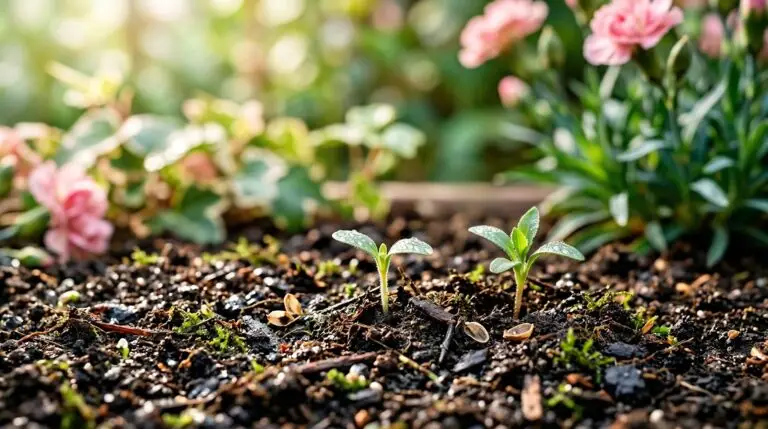
Growing carnations from seed and cuttings for fragrant garden borders all summer
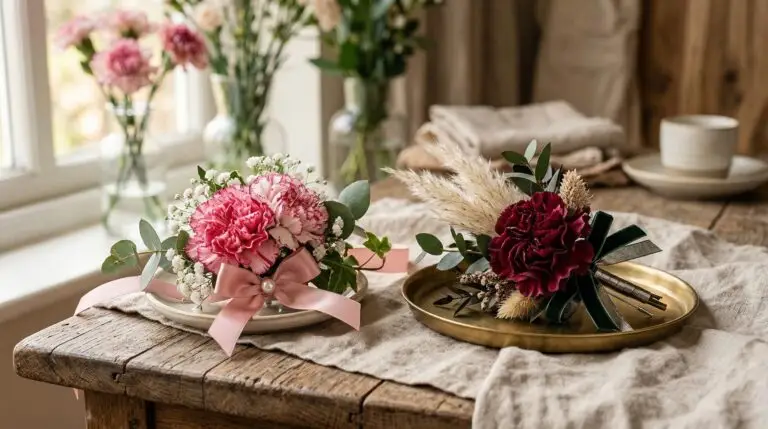
Carnation leis corsages and boutonnieres for proms graduations and celebrations
Why carnations deserve more respect as garden flowers beyond their grocery store reputation
Carnation meaning and carnation colour meanings, honestly explained
Enjoying our flower guides? Add YourFlowersGuide as a preferred source on Google. It helps more readers find us.
Add to Preferred Sources