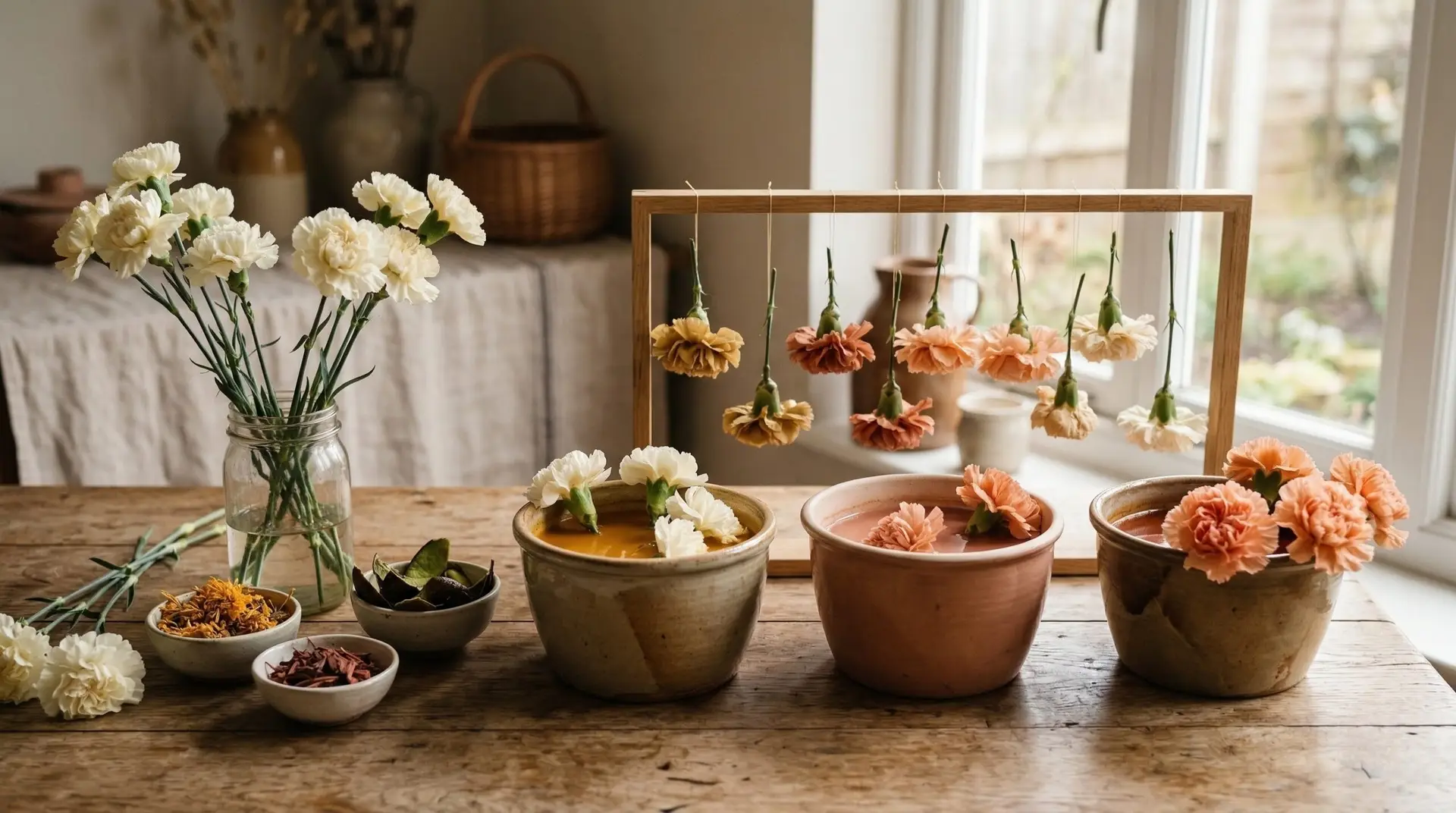
One of the first things gardeners and parents ask when they start exploring flower science is how to successfully change the color of a white bloom. People usually remember doing this experiment in elementary school but often find their adult attempts result in pale, washed-out petals instead of rich colors. The secret to getting those deep, saturated hues lies entirely in how you prepare the water and the stems. Carnations are the perfect candidate for this project because their vascular systems pull water up very quickly. When you introduce a heavy concentration of food coloring into their water source, the petals act like a canvas displaying the exact path the water takes. This makes dyeing carnations an excellent visual demonstration of capillary action for a science experiment or a cheap way to customize flowers for party decor.
The natural follow-up question is why some flowers take up dye beautifully while others barely change color at all. The answer comes down to the transpiration rate, which is how fast moisture evaporates from the petals and pulls new water up from the base. Fresh carnations left slightly thirsty before the experiment will drink up the colored water much faster than flowers that have been sitting in a vase for days. You want to start with the freshest white carnations you can find at the store or cut from your garden. By the way, the temperature of the room and the water plays a massive role in this process, though most people never think to check it. Warm water moves up the stem faster than cold water, so using lukewarm tap water mixed with your dye will significantly speed up the color change.
Contents 3 sections
Selecting flowers and preparing the stems
This leads to something many growers wonder about when standing in the floral aisle or looking at seed catalogs. Does the specific variety of white carnation matter for the final color? Standard large-headed white carnations work perfectly, but miniature or spray carnations actually change color faster because the water has less distance to travel to reach the petals. Before you even mix your dye, you need to prepare the stems correctly so they can drink as much water as possible. You should use a sharp knife rather than scissors to cut about an inch off the bottom of each stem at a sharp angle. Scissors tend to crush the tiny tubes inside the stem, which blocks the water and leaves you with white flowers no matter how much dye you use. Making the cut underwater prevents air bubbles from entering the stem and blocking the flow of the colored water.
People always ask exactly how much food coloring they need to use to get bright colors rather than pastel tints. The biggest mistake beginners make is squeezing just three or four drops of dye into a large vase of water. You actually need a very high concentration of liquid or gel food coloring to see dramatic results in the petals. A good rule of thumb is to use twenty to thirty drops of liquid food coloring for every half cup of water. If the water looks dark enough to be ink, you have the right ratio for a successful carnation science experiment. You will also want to strip away any leaves that fall below the water line so they do not rot and introduce bacteria that could clog the stem.
Timing the color change and trying advanced techniques
Once the flowers are sitting in their dark water, the immediate question is how long it will take to see a difference. You will usually notice the edges of the petals taking on a faint tint within the first two to three hours. For a solid, rich color that works well for custom party decor, you need to leave the stems in the dye bath for a full twenty-four to forty-eight hours. The longer they sit, the darker the petals will become, as the water evaporates and leaves the dye molecules trapped in the plant tissue. If you need the flowers for an event, you should start the dyeing process two days ahead of time and then transfer them to clear water once they reach your desired shade. The color will remain locked in the petals even after you move them to fresh water.
As soon as people master solid colors, they inevitably want to know if it is possible to create rainbow flowers with multiple colors on a single bloom. You can absolutely do this using a split-stem technique, though it requires a bit of patience and a very steady hand. You start by taking a sharp craft knife and carefully slicing the bottom three inches of the carnation stem straight down the middle to create two separate sections. You can even divide it into three or four sections if the stem is thick enough. You then place each split section into its own small container of differently colored water, making sure the containers are sitting right next to each other. The flower will pull up the different colors through the specific vascular tubes connected to each section, resulting in a perfectly divided multi-colored bloom.
Expanding the experiment to other plants
After seeing how well carnations respond to food coloring, you might wonder what other common flowers work well for this project. You can try the exact same technique with a white chrysanthemum, which has a similar vascular structure and takes up dye very efficiently. The tight, numerous petals of a mum create a completely different visual effect as the dye outlines the edges of every single small petal. You can also experiment with a light-colored rose, though woody stems sometimes require a bit more time to pull the heavy dye molecules up to the bloom. Testing different flower types side by side makes for an excellent science fair project because it clearly demonstrates how different plant species process water at different rates. You will find that herbaceous, soft-stemmed flowers almost always win the race against woody-stemmed varieties.
This brings up a final question that most people never consider until they actually complete the experiment and look closely at the whole plant. What happens to the green leaves on the stem while the petals are changing color? The leaves are drinking the exact same colored water as the flower, but their natural green chlorophyll masks the new pigment. If you use blue or red food coloring, you will often notice the veins in the green leaves taking on a dark, bruised appearance as the dye settles there. Using yellow dye usually leaves the foliage looking completely unchanged because the yellow blends invisibly into the green. Understanding that the entire plant absorbs the dye, not just the flower, gives you a much clearer picture of how water travels through every single part of a living plant.
More About Carnation
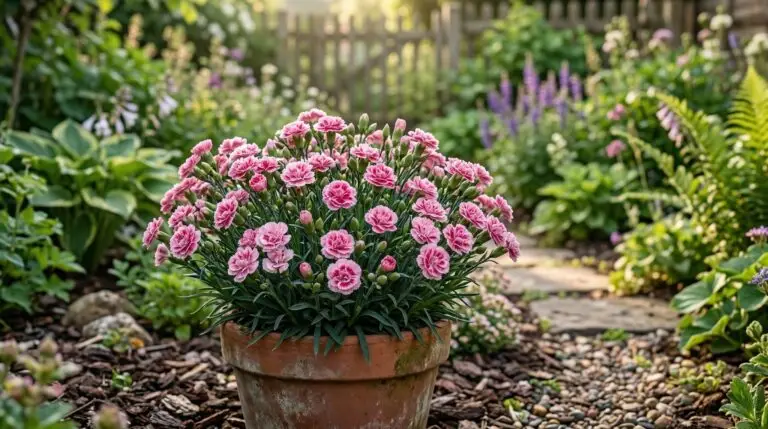
Growing carnations in containers for a fragrant windowsill or balcony garden
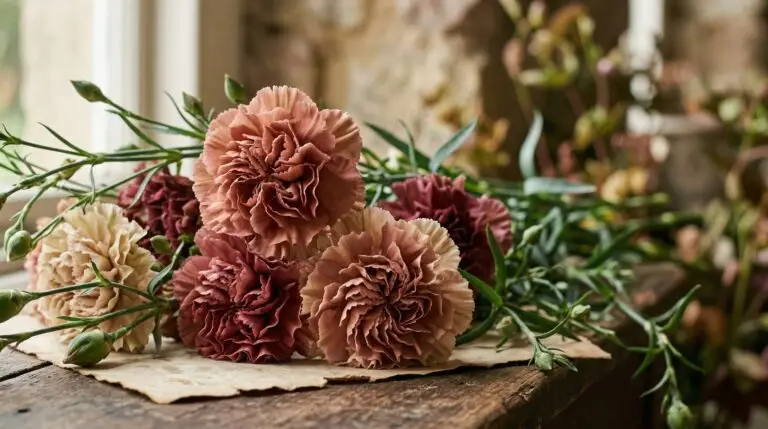
The rich history of carnations from ancient Greek garlands to Mother’s Day flowers
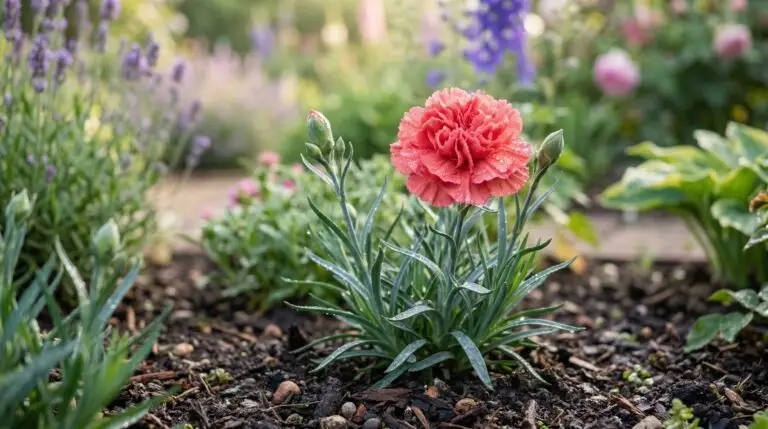
How to make carnations last over two weeks in a vase with proper care
Carnation wedding bouquets making a comeback with modern elegant designs
Best garden pinks and border carnations for fragrant perennial cottage gardens
Growing carnations from seed and cuttings for fragrant garden borders all summer
Carnation leis corsages and boutonnieres for proms graduations and celebrations
Why carnations deserve more respect as garden flowers beyond their grocery store reputation
Carnation meaning and carnation colour meanings, honestly explained
Enjoying our flower guides? Add YourFlowersGuide as a preferred source on Google. It helps more readers find us.
Add to Preferred Sources