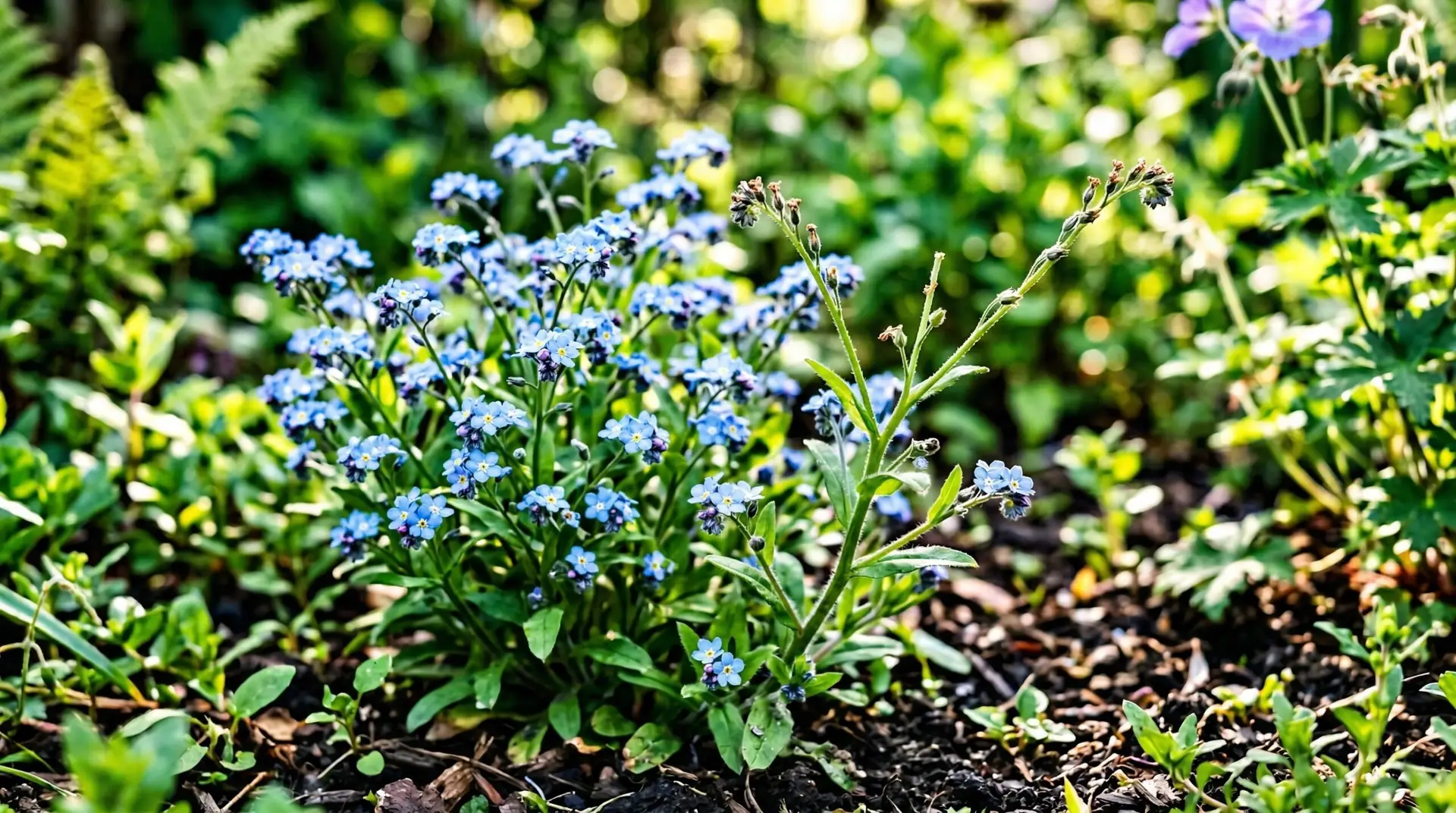
Gardeners often buy a single pot of forget-me-nots with visions of a charming woodland spring display. Two years later, they stare at a solid carpet of fuzzy green leaves that has completely smothered their delicate hostas and emerging perennials. This is the classic trap of the enthusiastic self-sower. People come to me constantly asking how a plant that looks so fragile can be so aggressive. The truth is that these plants survive in the wild entirely through sheer volume and rapid reproduction. When you put them in rich, irrigated garden soil, they take that reproductive drive into overdrive. You are not doing anything wrong to make them spread, because this is exactly how the plant is programmed to behave.
To get a handle on a forget-me-not invasive situation, you have to understand the life cycle of the plant. True woodland forget-me-nots are typically biennials or very short-lived perennials. They spend their first year growing a low rosette of leaves that often goes unnoticed among your larger plants. In their second spring, they shoot up, produce those famous blue flowers, drop thousands of seeds, and then die back. When you see a massive patch of them taking over your garden, it usually means you allowed the previous generation to complete its natural life cycle unchecked. The parent plants died, but they left behind an army of replacements right in the same spot.
Contents 4 sections
Stopping the seed cycle before it starts
The most effective way to control forget-me-nots is entirely based on your timing in the late spring. Many people make the mistake of leaving the plants in the ground until the stems turn brown and crispy. By the time the plant looks dead, the tiny black seeds have already shattered and fallen into the soil. You have to intervene while the plant is still mostly green and the last few flowers at the tips of the stems are just beginning to fade. Pulling the plants at this exact stage breaks the cycle permanently. You get to enjoy ninety percent of the bloom time, but you deny the plant the chance to drop its offspring.
The physical removal process is thankfully quite easy because the root system is incredibly shallow. You can just grab the base of the plant right at the soil line and pull straight up. The entire root ball will usually pop out with zero resistance. You must be careful about how you handle the pulled plants as you transport them away from the bed. Do not shake them or carry them loosely across the lawn, or you will accidentally sow seeds all along your walking path. Put them directly into a yard waste bag or a bucket right there in the garden bed to contain any seeds that might be maturing on the lower stems.
Managing the seedlings that slipped through
No matter how ruthless you are with your spring cleanup, some seeds will inevitably hit the ground and wait for the following year. When the soil warms up, you will see dense clusters of tiny, fuzzy oval leaves emerging in the bare patches of your garden. The fix for this is mechanical removal while the seedlings are still very young and vulnerable. Take a sharp scuffle hoe and slice the young plants off just below the soil surface. You should do this on a dry, sunny day so the severed tops shrivel up and die in the sun before they can attempt to re-root.
If the seedlings are growing right inside the crowns of your dormant perennials, you cannot use a hoe without risking damage to your good plants. You have to get down on your knees and pull the forget-me-nots out by hand. This is tedious work, but it is entirely necessary to prevent the invaders from stealing water and nutrients from your permanent landscape plants. Controlling forget-me-nots in mixed beds requires the exact same diligence you would use for other prolific self-seeders. For example, when Love-in-a-Mist gets too comfortable in a border, you have to hand-pull those feathery seedlings early before they establish deep taproots. The shallow roots of young forget-me-nots make the job fast, provided you stay ahead of the growth.
Designing your garden to handle enthusiastic spreaders
Sometimes the smartest approach is changing where you allow these plants to grow rather than fighting their basic nature. If you plant them in a highly manicured, carefully spaced perennial border, you will spend every spring frustrated by their spreading habits. Instead, you can move them to a contained area surrounded by solid hardscaping like concrete walkways or deep edging. You can also relegate them to a wilder woodland edge where their aggressive self-sowing behavior solves the problem of bare dirt. When you match the plant’s aggressive tendencies with a location that actually needs a tough groundcover, the spreading becomes an asset.
You can also use heavy mulch to suppress the seed bank that is already resting in your soil. A thick two-inch layer of wood chips or shredded bark applied in late fall will block the sunlight that these seeds require for germination. This physical barrier stops the vast majority of the seeds from ever seeing the light of day. This mulching strategy works exceptionally well for managing many types of scattered seeders, including Cornflowers, when you want to clear an area for a completely new planting scheme. You just have to commit to pulling the occasional stray seedling that manages to find a thin spot in the mulch layer.
The single best habit for long term control
The most useful piece of advice I give gardeners struggling with this plant is to completely shift how they categorize it in their minds. Stop treating forget-me-nots like permanent, precious perennials that need careful tending. Treat them exactly like an annual weed that happens to produce a beautiful spring show. Enjoy the bright blue flowers for the few weeks they look their best, and the moment they start looking straggly, rip every single one of them out of the ground. This ruthless approach gives you the beauty of the spring bloom without the massive headache of a hostile garden takeover the following year.
More About Forget-me-nots
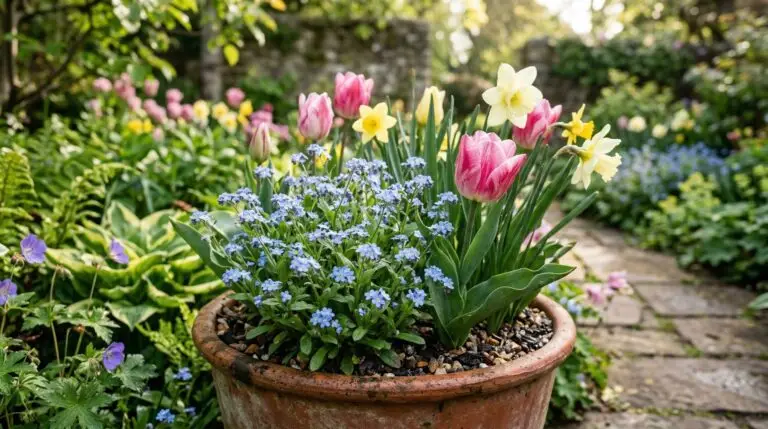
Forget-me-nots in containers and window boxes for spring cottage charm
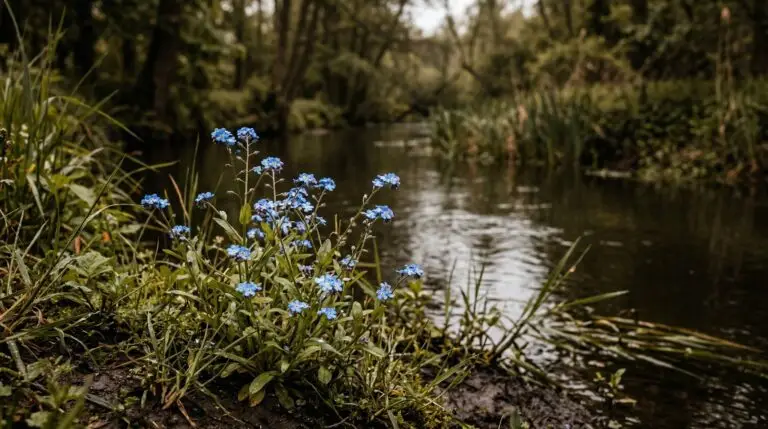
Forget-me-not flower meaning and the romantic legend behind the name
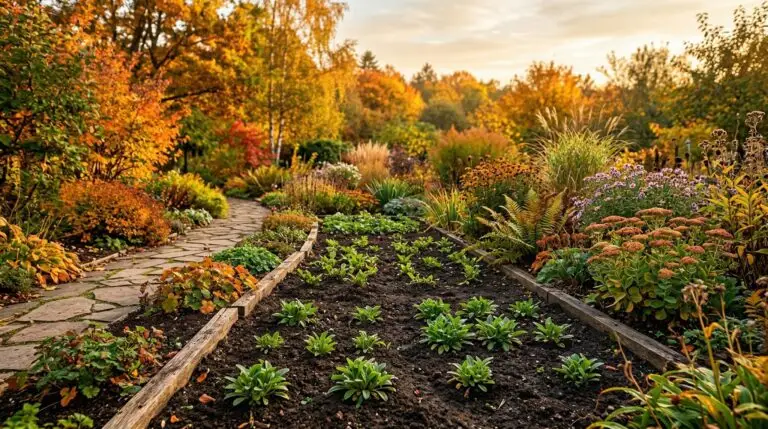
Growing forget-me-nots from seed and the simple trick of fall sowing for spring flowers
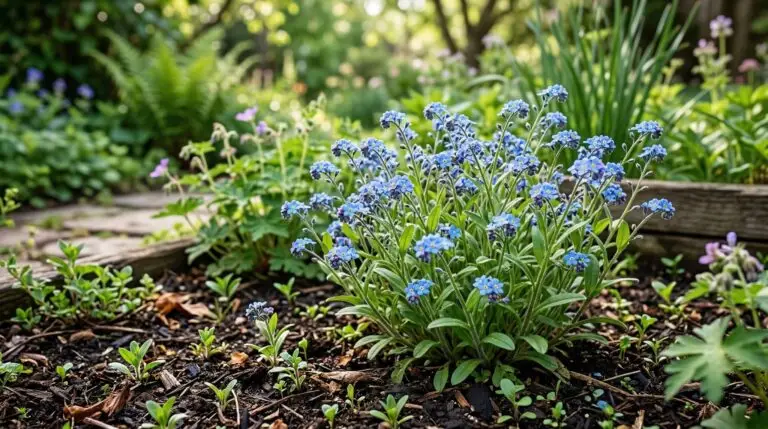
How to grow forget-me-nots for clouds of tiny blue flowers in spring gardens
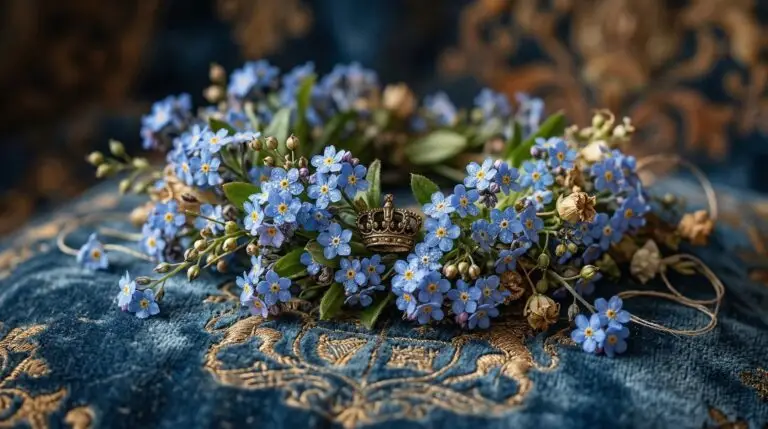
Forget-me-nots in literature and art and their enduring place in cultural memory
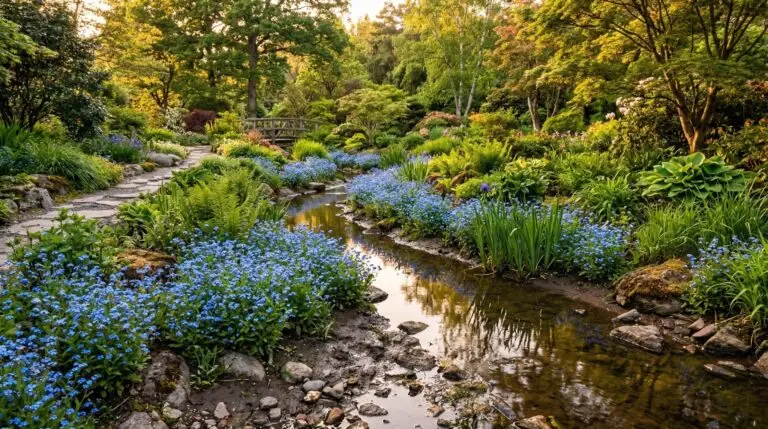
Water forget-me-nots for pond edges and stream banks that stay wet

Forget-me-nots as ground cover under spring bulbs for a layered woodland look
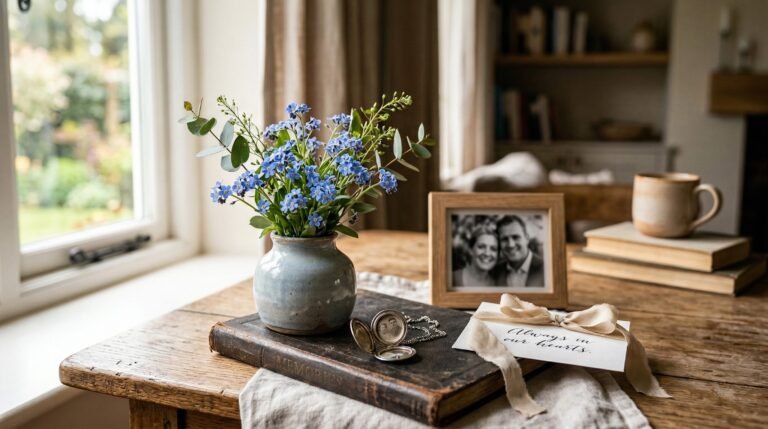
Forget-me-nots for wedding flowers and the sentimental meaning for bridal bouquets
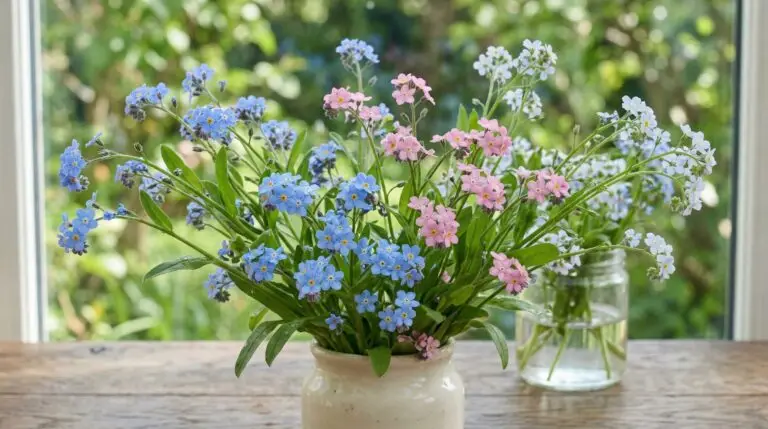
Best forget-me-not varieties from classic blue Myosotis to pink and white forms
Enjoying our flower guides? Add YourFlowersGuide as a preferred source on Google. It helps more readers find us.
Add to Preferred Sources