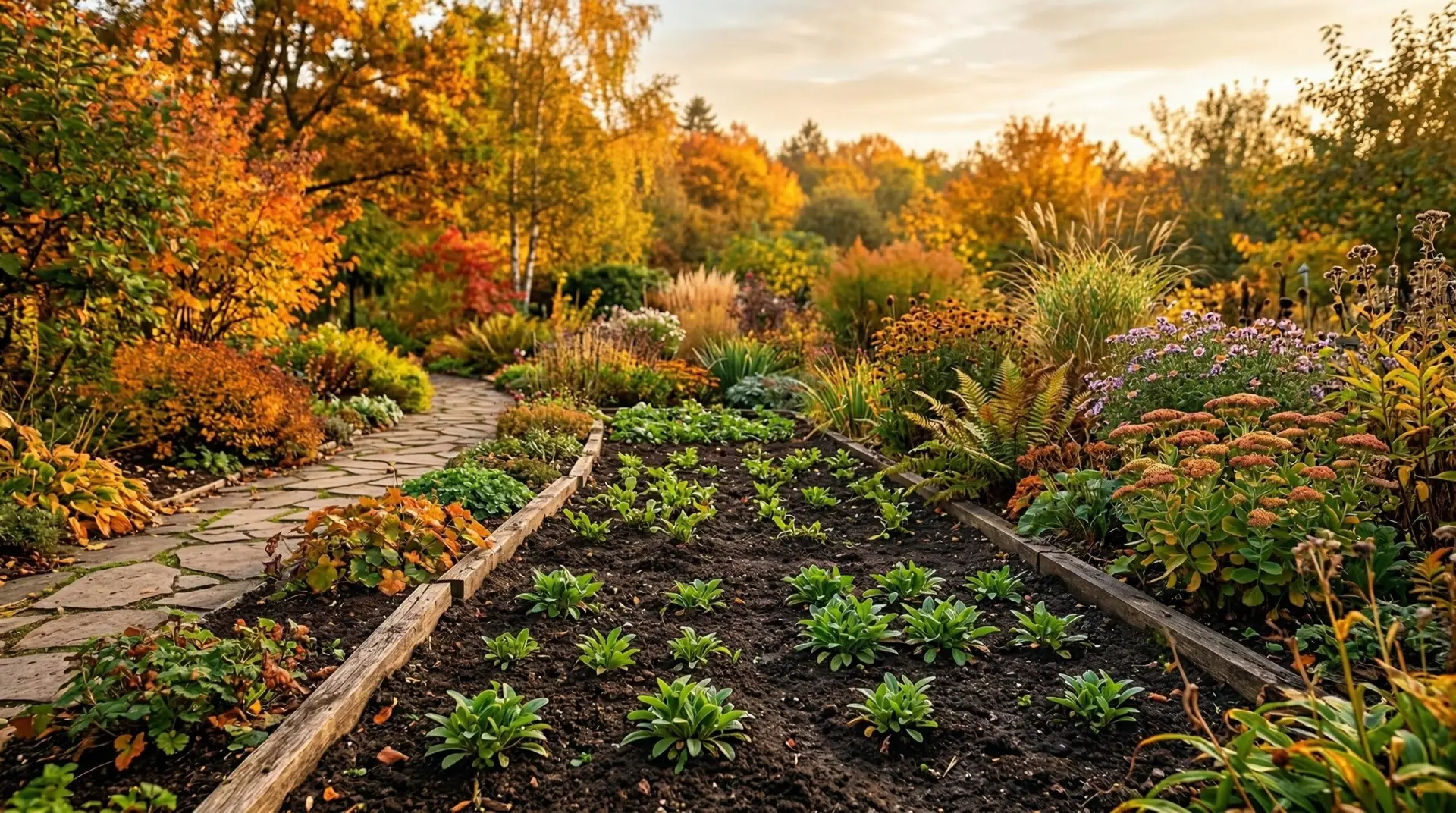
By the time we finish walking through the life cycle of the forget-me-not, you will understand why the secret to those early spring blue flowers actually begins in the cooling days of autumn. Many gardeners buy a packet of forget-me-not seeds in April, plant them in the warming soil, and then feel frustrated when the plants produce only a low mound of green leaves that year. The confusion comes from treating these plants like typical summer annuals that grow, bloom, and die in a single season. Forget-me-nots operate on a completely different internal clock, one that relies on the passage of winter to trigger their blooming cycle. When we learn to read that clock and work with their natural rhythm, growing forget-me-not from seed becomes a reliable and deeply satisfying garden practice. We simply need to shift our planting mindset from spring to fall.
Contents 4 sections
Understanding the biennial life cycle
To make sense of when to plant, we first need to understand how a biennial plant behaves in the wild. Unlike an annual that completes its entire life in one summer, or a perennial that returns year after year from the same rootstock, a biennial has a strict two-year schedule. In the first year, the plant focuses entirely on growing a strong root system and a low rosette of leaves close to the ground. It uses that first season strictly for gathering energy from the sun and storing it in those roots. Then, the plant goes dormant through the freezing winter months. When spring arrives, the plant uses all that stored energy to push up flower stalks, bloom heavily, set seed, and finally die. If you plant forget-me-not seeds in the spring, you are starting the clock at year one, which means you will be waiting a full twelve months to see a single flower.
The science of winter chilling
This brings us to the fascinating mechanism hidden inside forget-me-not seeds called cold stratification. In nature, a forget-me-not drops its seeds in early summer after the flowers fade. Those seeds fall to the warm ground, but they do not sprout right away. If they sprouted in July, the tender young plants might not grow large enough to survive the coming winter snows. Instead, the seeds have a built-in chemical inhibitor that prevents germination until they have experienced a prolonged period of cold, damp weather followed by warming temperatures. Think of this mechanism as a biological lock on the seed coat, and winter is the only key that fits. When we sow our seeds in the fall, we are allowing the natural freeze and thaw of winter to break down that lock. You might wonder why garden centers sell these seeds in spring if they need a winter chill, and the answer is that commercial seeds are often artificially chilled in refrigerators before sale, but letting nature do the work in the fall is much more reliable.
Preparing the ground for fall sowing
When the heat of summer begins to break and the nights grow cooler, it is time to start your forget-me-not seed sowing. You want to choose a spot in your garden that receives dappled sunlight or partial shade, as these plants naturally grow in woodland edges where the soil stays relatively moist. Prepare the soil by clearing away weeds and loosening the top inch of dirt with a hand rake. Forget-me-nots have fine root systems that struggle to push through heavy, compacted clay. If you have dense clay soil, mixing in a layer of compost will create small air pockets and improve drainage, giving the young roots space to breathe and expand. You do not need to bury the seeds deeply. In fact, forget-me-not seeds need exposure to light to germinate properly, so you should simply scatter them across the surface of the prepared soil and press them down gently with the flat of your hand to ensure they make good contact with the earth.
After scattering the seeds, water the area gently using a watering can with a fine rose attachment so you do not wash the tiny seeds away. The autumn rains will usually take over the watering duties from there, keeping the seeds moist as the temperatures drop. As the weeks pass, you may see tiny green sprouts emerge before the first hard frost sets in. These young rosettes are remarkably tough and will hunker down under the winter snow, waiting for the spring thaw. This process of starting plants in the fall takes a season or two to get a feel for, and that is completely normal. It requires a bit of faith to leave tiny plants out in the freezing cold, but they are perfectly adapted to survive these conditions. If you have ever grown love-in-a-mist from a fall sowing, you will recognize this same cold-hardy resilience in the young seedlings.
Managing the spring seedling patch
When spring arrives and the ground warms, those overwintered rosettes will rapidly expand and begin producing their signature blue flowers. As the flowers fade in early summer, the plants will produce hundreds of tiny seeds that catch on animal fur and gardener trousers alike. This is where the plant transitions from a structured biennial into a self-sustaining colony. If you leave the fading plants in the garden rather than pulling them up immediately, they will drop their seeds right where they stand. These fresh seeds will then experience the upcoming winter, naturally continuing the biennial cycle without any further effort from you. You can also harvest these seeds yourself by snipping the dried brown flower stalks and shaking them into a paper bag. Saving your own seed allows you to control exactly where the next generation will grow, rather than leaving it entirely up to the wind and the wildlife.
Because forget-me-nots are enthusiastic self-seeders, you will often find dense patches of young seedlings emerging in unexpected places the following spring. Transplanting self-sown seedlings takes very little effort if you catch them while they are still small. Use a trowel to dig deeply under the rosette, making sure to scoop up a good amount of the surrounding soil to protect the delicate root hairs. Move the seedling to its new location, water it in well, and it will barely notice it was moved. You can use these volunteers to fill empty gaps under trees or to create a soft blue underplanting for taller spring bulbs. Much like managing a patch of cosmos in the summer garden, learning to edit and move volunteer seedlings turns you from a planter of seeds into a conductor of the garden space.
Ultimately, successfully growing these classic blue flowers comes down to understanding the plant’s internal calendar. By recognizing that the seed requires a period of cold dormancy to unlock its potential, you stop fighting against the plant’s nature and start working in harmony with it. The simple trick of sowing seeds in the autumn aligns your garden practices with the ancient rhythms of the woodland edge. When you step back and look at a thriving patch of forget-me-nots, you are not just seeing a pretty spring flower. You are looking at the successful result of a two-year biological process, driven by the cold of winter and the warmth of spring, all happening right in your own soil.
More About Forget-me-nots
Forget-me-nots in containers and window boxes for spring cottage charm
Forget-me-not flower meaning and the romantic legend behind the name
How to control forget-me-nots when self-sowing becomes too enthusiastic
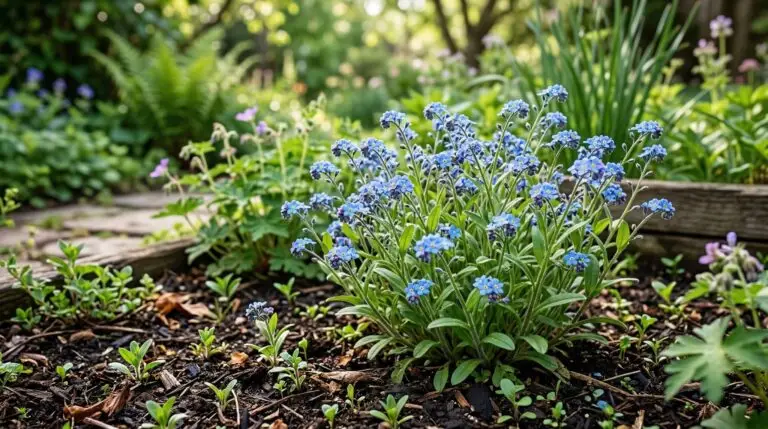
How to grow forget-me-nots for clouds of tiny blue flowers in spring gardens
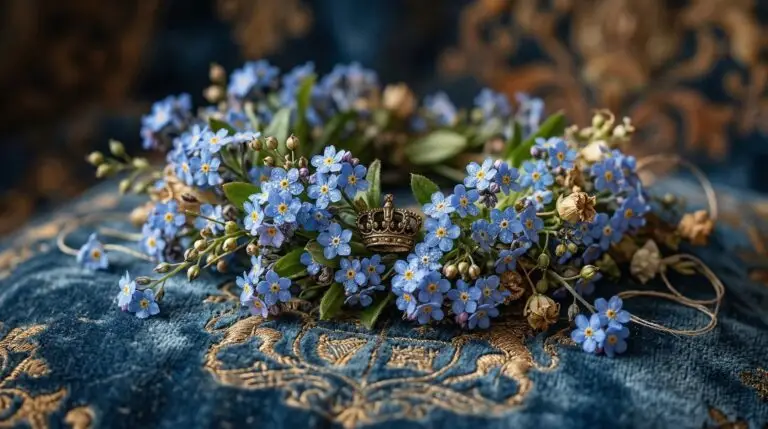
Forget-me-nots in literature and art and their enduring place in cultural memory
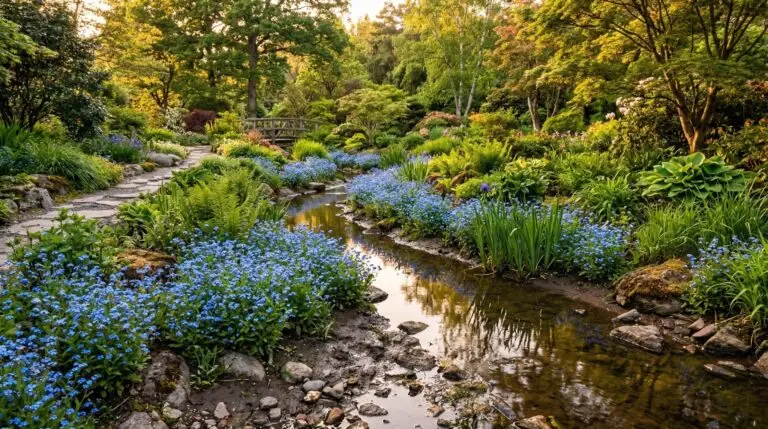
Water forget-me-nots for pond edges and stream banks that stay wet

Forget-me-nots as ground cover under spring bulbs for a layered woodland look

Forget-me-nots for wedding flowers and the sentimental meaning for bridal bouquets
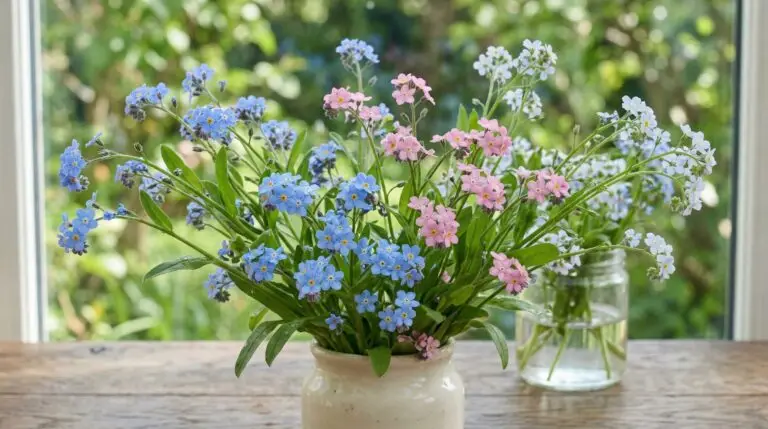
Best forget-me-not varieties from classic blue Myosotis to pink and white forms
Enjoying our flower guides? Add YourFlowersGuide as a preferred source on Google. It helps more readers find us.
Add to Preferred Sources