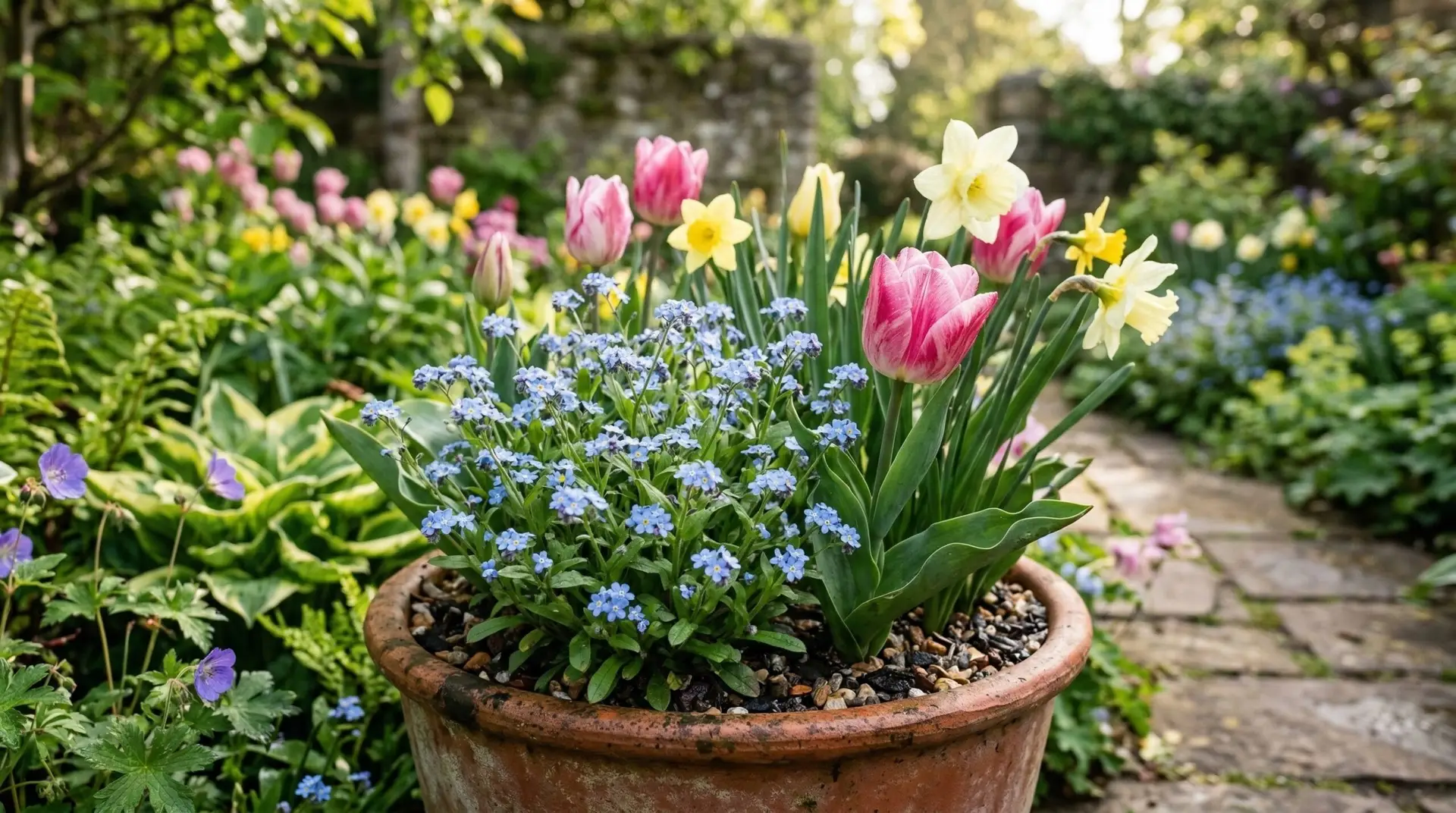
Before purchasing a flat of bright blue forget-me-nots at the garden center, you need to understand exactly how these plants function in a container environment. A forget-me-not container display is a temporary spring event rather than a permanent fixture for your patio. These woodland natives thrive in cool weather and moist soil, meaning they require specific planning to succeed in the restricted environment of a pot or window box. Your first planning step is acknowledging the timeline of this project. You will plant them in early spring, enjoy their blooms for about four to six weeks, and then need a plan to replace them when the summer heat arrives. Assessing your willingness to manage this seasonal transition is necessary before you invest time and money into a spring container project.
Contents 4 sections
Site assessment and container selection
Evaluate your intended growing space carefully before selecting your containers. Forget-me-nots prefer partial shade, especially in the afternoon, so a south-facing patio that bakes in the sun will quickly stress these delicate plants. Look for a location that receives morning sun and dappled afternoon shade, or a spot under the canopy of a larger tree. Once you have identified the right location, you must choose containers that support the moisture needs of a forget-me-not window box or patio pot. Terracotta pots dry out very quickly and will force you into a daily watering schedule that most gardeners find exhausting. Choose glazed ceramic, thick plastic, or fiberglass containers that hold moisture in the soil for longer periods. If you are using wooden window boxes, ensure they have a plastic liner installed to prevent the wood from rotting while keeping the soil consistently damp.
Plant sourcing and soil preparation
Your timeline depends entirely on whether you plan to grow from seed or purchase established nursery plants. Growing from seed is highly cost-effective but requires you to start the process in the late summer or early fall of the previous year. You would sow the seeds in small pots, overwinter them in a protected but cold spot, and move them to their final display containers in early spring. If you are planning a project for the current spring season, you must buy established plants from a local nursery. Budget about four to six dollars per plant, keeping in mind that a standard window box will require at least three to five plants to look appropriately full. Plan to purchase and pot up your nursery starts about two weeks before your last expected frost date. This timing allows the roots to settle into their new containers while the weather remains cool enough to prevent transplant shock.
The foundation of a successful forget-me-not container is the potting medium. These plants naturally grow near streams and in damp woodland edges, so your soil must mimic that environment without becoming waterlogged. Buy a high-quality commercial potting mix and plan to amend it with compost or coco coir to increase its water-holding capacity. Avoid mixes that contain heavy amounts of peat moss, as peat becomes very difficult to rehydrate if you accidentally let the pot dry out completely. Drainage is just as important as moisture retention in this setup. Verify that every pot has at least one large drainage hole, and drill additional holes if you are using a solid plastic container. You can expect to spend about twenty to thirty dollars on quality potting soil and amendments for a pair of medium window boxes. This expense is a necessary investment for healthy spring growth and reduces your daily watering burden.
Designing spring container combinations
Growing a forget-me-not in pots offers an excellent opportunity to create layered spring displays. Because these plants have a low, mounding habit and a cloud-like texture, they are an excellent filler around taller, more structural spring flowers. A classic and reliable combination involves planting them over a base of spring bulbs. You can plant a tulip in the center of the pot during the fall, and then add young forget-me-not plants around the edges in early spring. As the taller bulbs push up through the soil, the blue flowers create a dense, colorful skirt that hides the bare stems of the bulbs. You can also pair them with cool-weather annuals like a pansy for a low-profile window box display that requires very little vertical space. Give each forget-me-not plant about six inches of space to spread, ensuring the container looks full but allows enough air circulation to prevent powdery mildew.
Maintenance and post-bloom transition
Container gardening naturally washes nutrients out of the soil with every watering, requiring you to implement a specific feeding plan. Forget-me-nots are not heavy feeders, but they do need a baseline of nutrition to sustain their dense floral display. Mix a slow-release, balanced granular fertilizer into your potting soil at the time of planting to provide a steady supply of nutrients. Check the label on your fertilizer and apply exactly the amount recommended for your container volume, as over-fertilizing will produce excessive foliage at the expense of flowers. Once the plants begin to form visible buds, you can supplement with a weak liquid fertilizer every two weeks. Stop feeding the plants entirely once the main flush of blooms begins to fade in late spring. At that stage, the plants are nearing the end of their life cycle, and additional fertilizer is simply a waste of your money.
The ongoing maintenance for this spring project requires a consistent watering routine. You will need to check the soil moisture every two to three days by inserting your finger an inch into the potting mix to feel for dampness. If the soil feels dry at that depth, you must water the container thoroughly until excess moisture runs out the bottom drainage holes. Forget-me-nots do not recover well from severe wilting, so missing a watering cycle will significantly shorten your display time. You also need to plan for the inevitable end of the spring season. By late spring or early summer, the plants will stop blooming, set seed, and begin to look ragged as temperatures rise. Pull the spent plants out by the roots and discard them in your compost bin. Have a secondary budget and a clear plan ready for replacing these spring ephemerals with heat-tolerant summer annuals.
To get your spring container project started this week, measure the exact dimensions of the window boxes or patio pots you intend to use. Calculate the square footage so you know exactly how many plants and how much potting soil you need to purchase. Go outside at different times of the day to observe the light patterns in your chosen location, verifying that the spot actually receives the partial shade these plants require. Write down a specific budget for the soil, the forget-me-nots, and any companion plants you want to include. Having these exact numbers and site conditions recorded will keep you focused when you visit the garden center. You will arrive with a clear shopping list and avoid the common mistake of buying more plants than your containers can actually hold.
More About Forget-me-nots
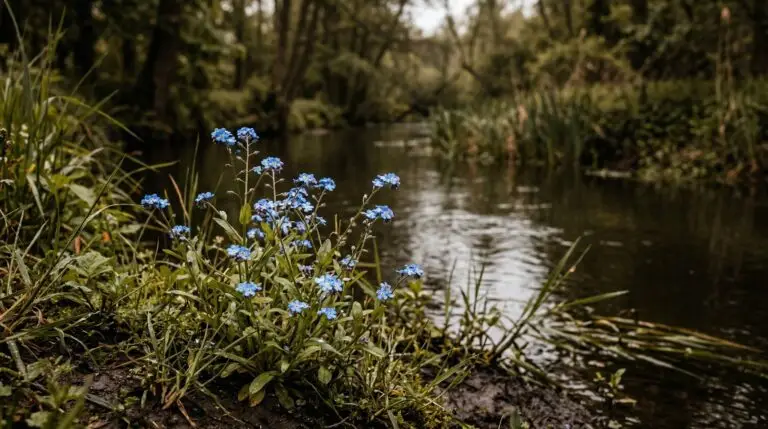
Forget-me-not flower meaning and the romantic legend behind the name
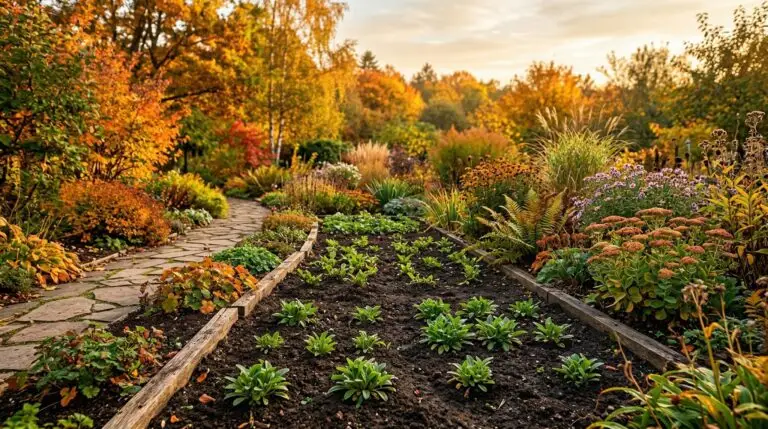
Growing forget-me-nots from seed and the simple trick of fall sowing for spring flowers
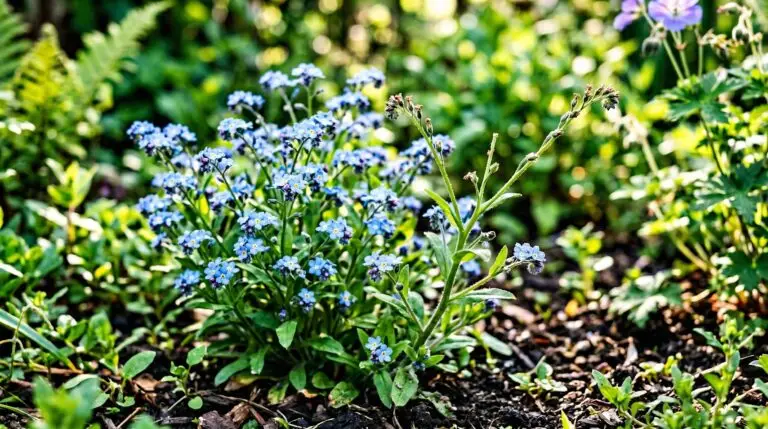
How to control forget-me-nots when self-sowing becomes too enthusiastic
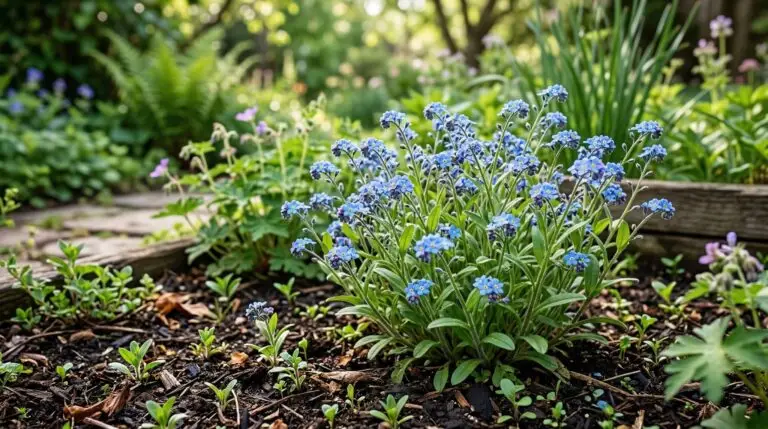
How to grow forget-me-nots for clouds of tiny blue flowers in spring gardens
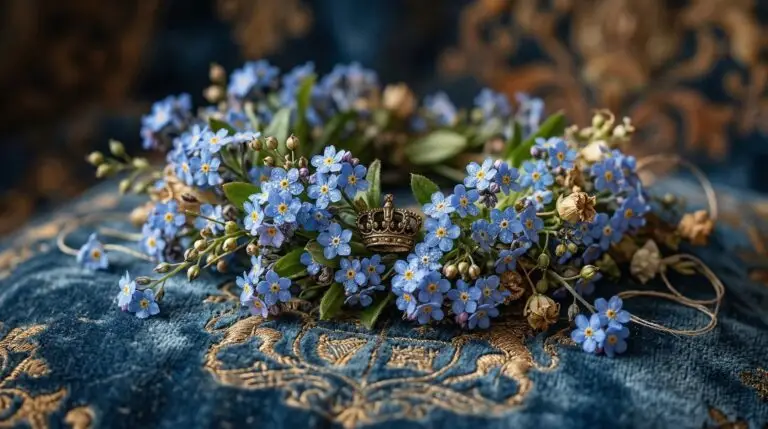
Forget-me-nots in literature and art and their enduring place in cultural memory
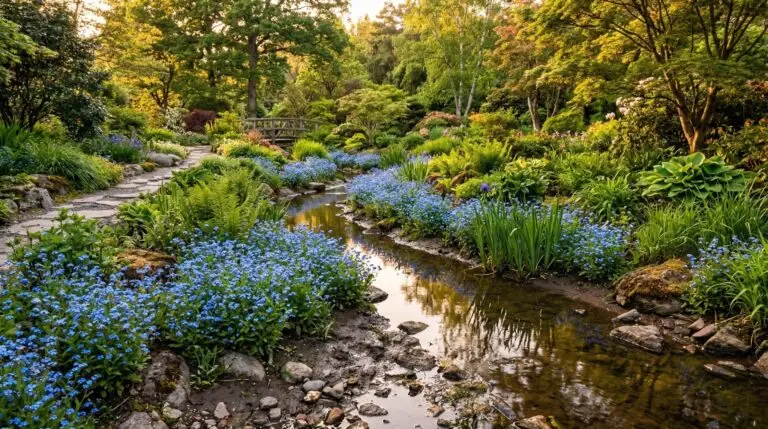
Water forget-me-nots for pond edges and stream banks that stay wet
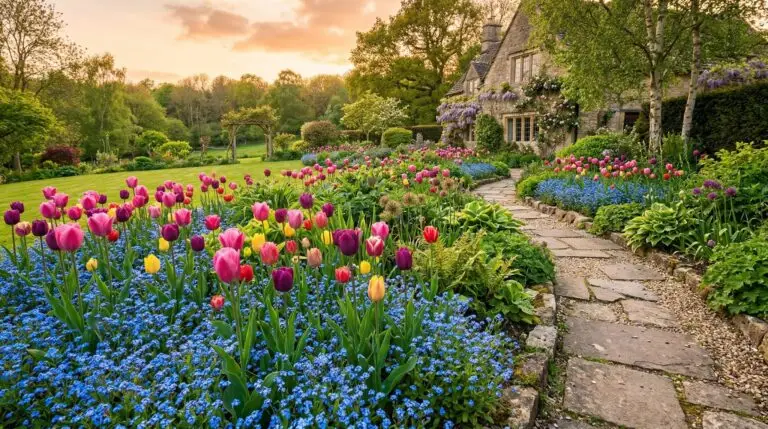
Forget-me-nots as ground cover under spring bulbs for a layered woodland look
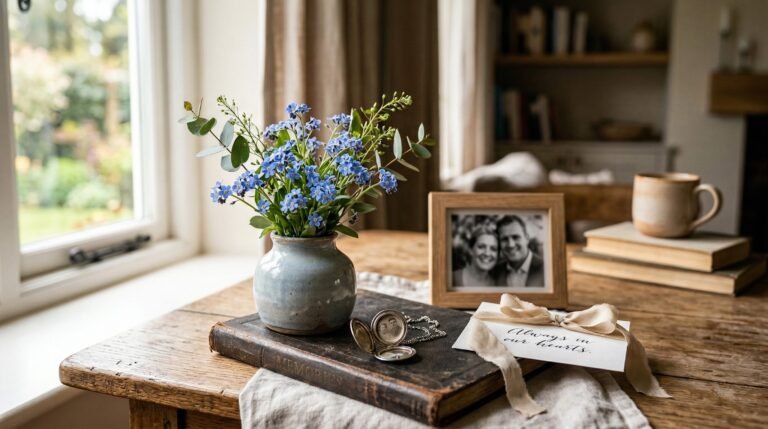
Forget-me-nots for wedding flowers and the sentimental meaning for bridal bouquets
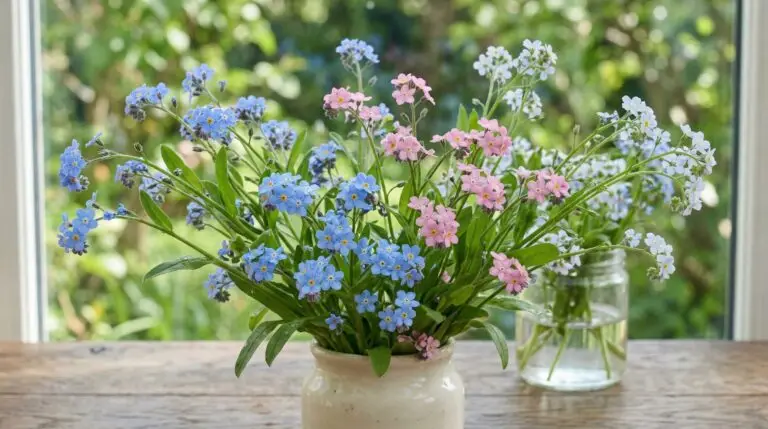
Best forget-me-not varieties from classic blue Myosotis to pink and white forms
Enjoying our flower guides? Add YourFlowersGuide as a preferred source on Google. It helps more readers find us.
Add to Preferred Sources