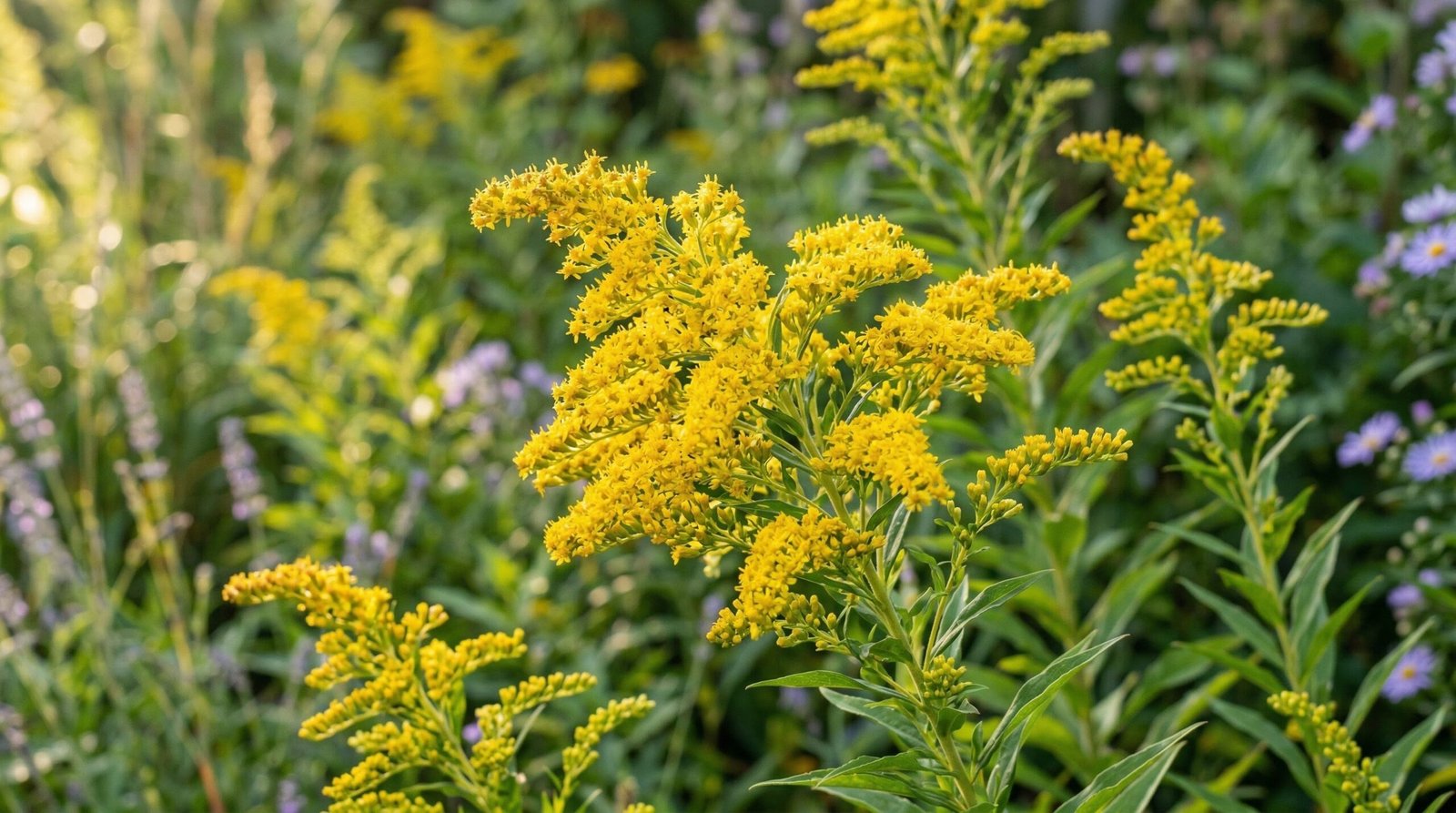
Late August brings a distinct shift to the quality of afternoon light, turning it thick and heavy as it slants across the garden. This is the moment when goldenrod begins its quiet takeover of meadows and woodland edges, painting the fading summer with broad strokes of mustard and honey. Most gardeners discover a sudden urge to bring this intense color indoors before the first frost reduces the fields to brown stalks. Freshly cut stems will brighten a room for a week, but preserving them allows that concentrated sunshine to last through the darkest months of the year. Capturing the essence of late summer requires nothing more than a pair of sharp clippers and a bit of patience. Dried goldenrod holds its color remarkably well, resisting the fading that plagues so many other preserved blooms. A well-timed harvest transforms these common wildflowers into structural elements that anchor winter floral designs.
Contents 4 sections
Timing the harvest for lasting color
The secret to successful goldenrod dried flowers lies entirely in the timing of the cut. Wait until the entire flower head has opened into fluffy yellow plumes, and the blossoms will inevitably turn to white seed fluff as they hang upside down in your barn or garage. Cut them too early, while the buds are still tight and green, and the stems will simply shrivel into unrecognizable brown twigs. The ideal moment arrives when roughly half the tiny florets on a flower spike have opened to reveal their yellow color, while the rest remain closed. Catching this specific window guarantees the flowers will hold their shape and their golden hue long after the sap has dried.
Walking the garden or the edge of a field with clippers in hand requires a careful eye to spot the perfect stems. You can gently brush your thumb over the flower heads to feel the texture of the buds, looking for a firm resistance that indicates the flowers are ready. The morning dew should be completely dry before you make your first cut, as any lingering moisture on the petals invites mold during the preservation process. Snip the stems cleanly near the base of the plant, taking care to select straight stalks that will look elegant in a tall vase. Strip off all the lower foliage immediately while you stand in the garden, dropping the green leaves right back onto the soil to decompose. Goldenrod leaves dry poorly and turn an unappealing shade of gray-black, so removing them early saves time and improves the airflow around the curing stems. Gathering a large armful ensures you have plenty of material for both bouquets and other autumn projects.
Preserving the autumn harvest
Bringing the harvest indoors begins the quiet transformation from fresh flora to enduring winter decor. Group the stripped stems into small bundles of six to eight stalks, securing the ends tightly with a simple rubber band. As the stems lose moisture and shrink over the coming weeks, the rubber band will contract with them, preventing the goldenrod from slipping out and falling to the floor. Hang these bundles upside down in a dark, dry space with good air circulation, like an unused closet, an attic, or a dry basement. Light is the enemy of preserved flowers, bleaching the bright yellow pigments into a pale, dusty beige.
The drying process usually takes two to three weeks, depending on the humidity of your climate and the thickness of the stems. You will know the goldenrod is fully cured when the stems snap cleanly like a dry twig rather than bending under pressure. The scent of the drying flowers fills the space with an earthy, herbal aroma that smells exactly like a warm September afternoon. Once fully dry, the tiny yellow blossoms become stiff and slightly brittle, requiring a gentle hand when moving them from their hanging spot to your work table. A light misting of unscented aerosol hairspray can help lock the delicate florets in place and prevent shedding when you finally arrange them. Keep the cured bundles in a cardboard box away from direct sunlight until you are ready to start building your winter displays.
Building textured winter bouquets
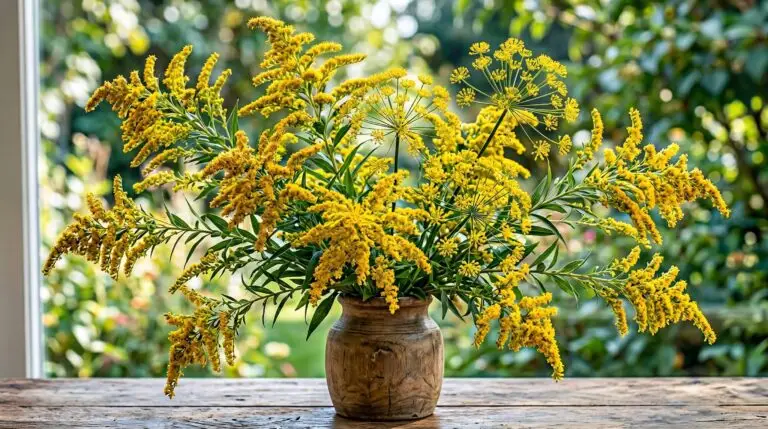
Designing goldenrod arrangements requires a different approach than working with fresh, pliable garden flowers. The stiff, architectural nature of the dried stems provides an excellent framework for supporting other preserved garden treasures. You can create a rich, autumnal palette by pairing the mustard-yellow plumes with the flat, rust-colored flower heads of yarrow. The contrasting shapes of the feathery goldenrod and the dense yarrow umbels create immediate visual interest without needing water or maintenance.
Expanding the arrangement with foraged materials anchors the goldenrod in its natural season. Tall native grasses, dried oat stems, and the deep brown cones of echinacea add layers of texture that evoke a dormant winter meadow. For a sharp color contrast, weave in a few stems of dried globe thistle, whose metallic blue spheres pop beautifully against the warm yellow background. The secret to a successful dried bouquet is density, packing the stems tightly enough that they support one another in the vase. Choose a heavy ceramic or stoneware vessel rather than clear glass, as the opaque container hides the bare dried stems and provides enough physical weight to keep the top-heavy arrangement from tipping over. A generous bouquet placed on a dining table or a deep windowsill brings a permanent slice of autumn warmth into the room.
Crafting wreaths for the changing season
Beyond the vase, dried goldenrod serves as an exceptional material for seasonal wreath making. The natural curve of the smaller side branches easily follows the circular shape of a grapevine or wire wreath form. Using floral wire, you can bind small clusters of the yellow plumes directly to the base, overlapping each new bundle over the stems of the previous one to hide the mechanics. This technique builds a thick, continuous band of color that looks generous and welcoming on an interior door or above a mantle.
A wreath made entirely of goldenrod makes a strong, monochromatic statement, but the flowers also work beautifully as a textured background for larger focal points. You might wire in small bundles of dried wheat, bleached pinecones, or the dark, heavy centers of a preserved sunflower to break up the yellow masses. The sturdy nature of the goldenrod stems holds up well to the pushing and pulling required to weave these heavier elements into the design. Working with dried materials can be messy, so it helps to assemble your wreath outdoors on a calm day or over a large drop cloth in the workshop. Once the wreath is finished, hang it indoors away from heating vents, as the constant flow of hot air will cause the flowers to become overly brittle and drop their petals.
There is something deeply satisfying about looking at a vase of bright yellow flowers while snow piles up against the window glass. The preserved goldenrod asks for nothing more from the gardener, requiring no water changes, no trimming of stems, and no special care. It simply stands in the quiet corners of the house, holding onto the light and heat of the season that grew it. These golden plumes offer a daily reminder that the warmth of summer is never entirely lost, just waiting patiently on the table until the earth thaws again.
More About Goldenrod
Goldenrod does not cause allergies and why ragweed is the real culprit
How to grow goldenrod for brilliant golden plumes that light up the fall garden
How to keep goldenrod from spreading aggressively in cultivated garden beds
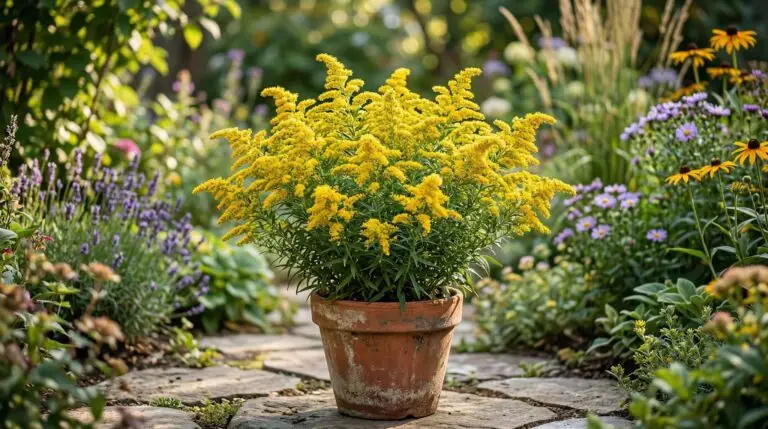
Growing goldenrod in containers for fall patio color when everything else is fading
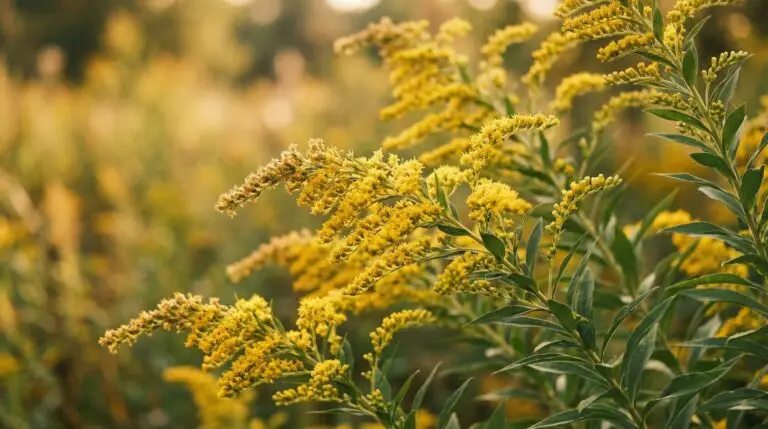
Goldenrod flower meaning and the American wildflower that nearly became the national flower
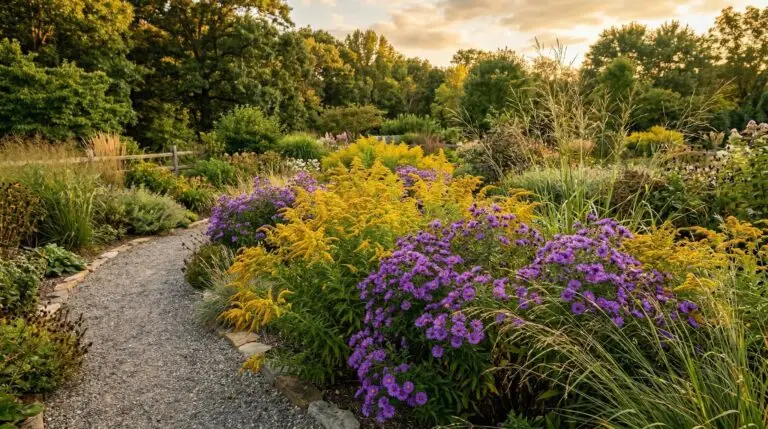
Companion plants for goldenrod: what to grow, what to avoid
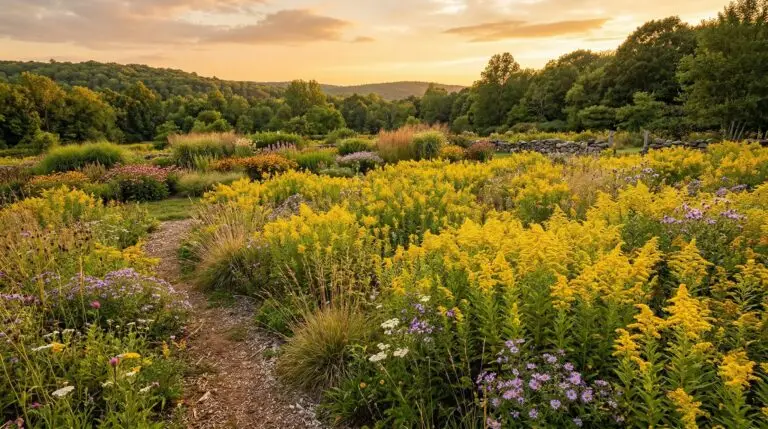
Goldenrod for naturalizing in meadows and the wildflower garden it was born for
Best goldenrod varieties for gardens from compact Little Lemon to elegant Fireworks
Enjoying our flower guides? Add YourFlowersGuide as a preferred source on Google. It helps more readers find us.
Add to Preferred Sources