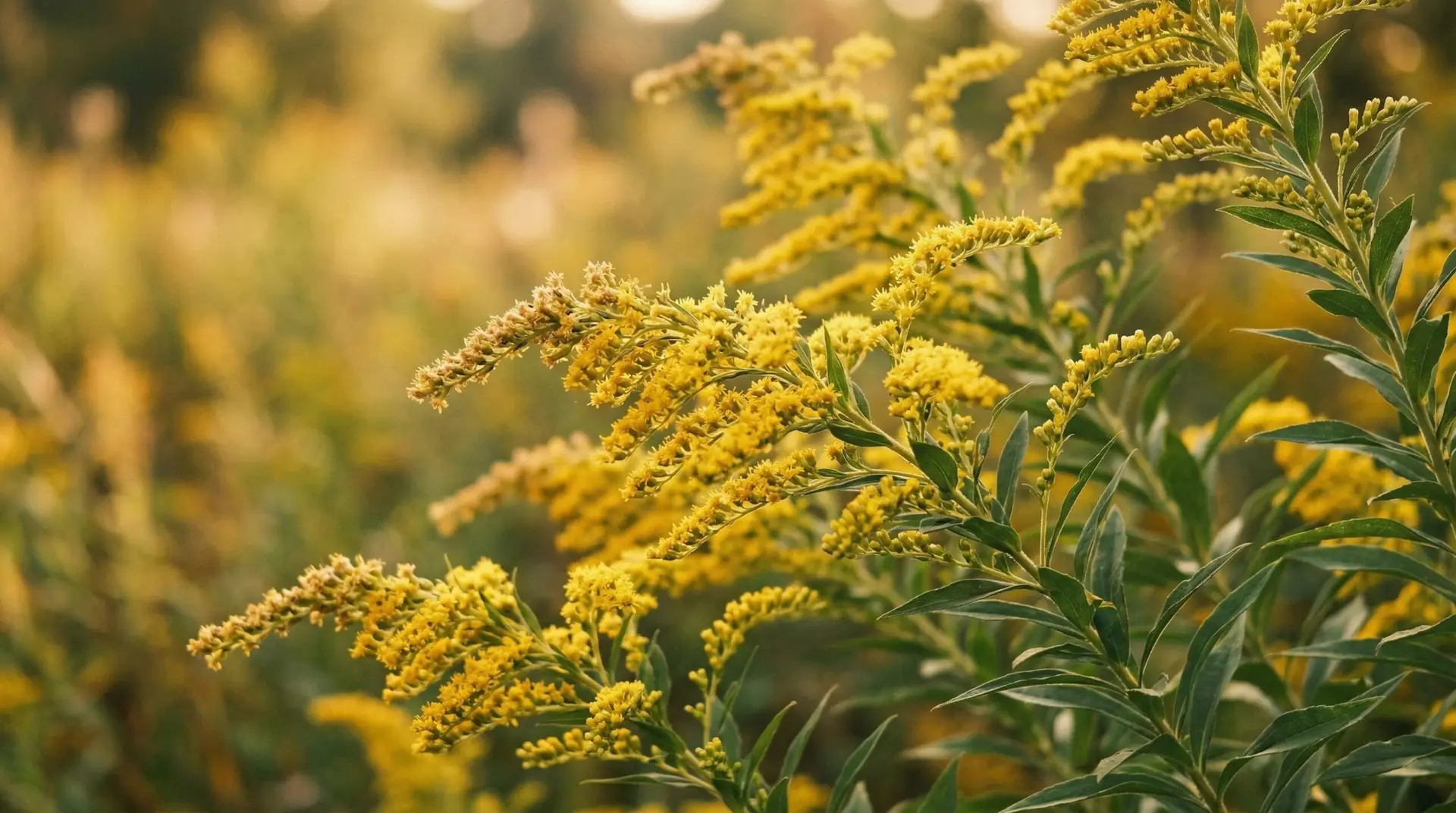
In 1889, the United States was searching for a national flower, and a fierce debate emerged among botanists, politicians, and the public. The goldenrod, a ubiquitous late-summer bloomer, emerged as the leading candidate. Supporters argued that its ability to thrive in poor soils across almost every state made it the perfect botanical symbol of the American spirit. Women’s clubs and horticultural societies championed the bright yellow plume, noting its democratic nature and unyielding hardiness. While the rose eventually claimed the national title decades later, the goldenrod captured the imagination of a country trying to define its relationship with its native environment. This widespread native plant carries a long history of utility, symbolism, and cultural significance that stretches far beyond its near-miss with national glory.
Contents 4 sections
Native American medicinal traditions and early uses
Long before the national flower debate, indigenous peoples across North America recognized the immense value of the goldenrod plant. Various tribes developed specific medicinal applications for the leaves, flowers, and roots. The Ojibwe and Potawatomi gathered the flowering tops to brew medicinal teas intended to reduce fevers and relieve chest congestion. Other tribes crushed the roots and leaves to create poultices for treating burns, minor wounds, and insect bites. The plant also possessed significant practical value outside of medicine. Weavers and artisans harvested the brilliant yellow flower heads late in the summer to produce a bright, colorfast dye for baskets and textiles. When European colonists arrived, they quickly adopted many of these indigenous practices, even exporting the dried leaves to England where they were sold as an expensive alternative to traditional tea.
The meaning of goldenrod in Victorian times and beyond
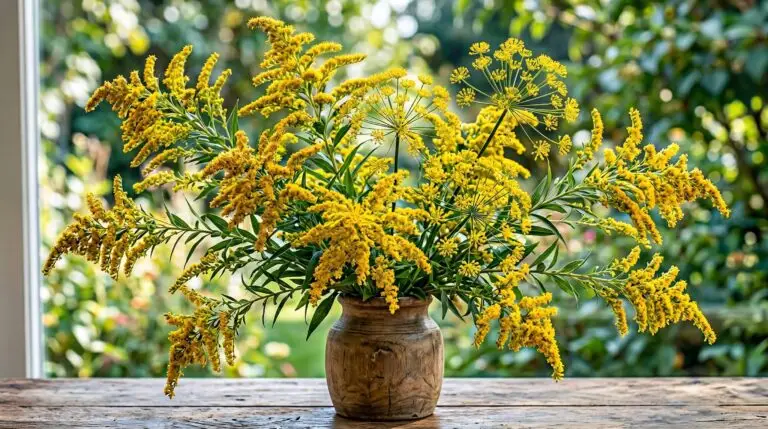
As the plant crossed the Atlantic and entered European gardens, it acquired new layers of cultural interpretation. The Victorian language of flowers assigned specific goldenrod meaning to the bright yellow plumes, specifically linking the plant to encouragement and good fortune. People gifted these stems to friends embarking on new ventures or recovering from illness, using the flower to communicate a wish for success and renewed strength. This goldenrod symbolism stems directly from the plant’s biological habits. The flowers bloom late in the season when many other plants begin to wither, offering a final burst of energy and color before the onset of winter. The botanical name Solidago comes from the Latin word solidare, which means to make whole or to heal. This linguistic root perfectly aligns with the cultural perception of the flower as a source of strength and positive reinforcement.
Back in the United States, the intense affection for this resilient wildflower translated into official recognition at the state level. While it missed out on the national title, it successfully claimed the title of goldenrod state flower in both Kentucky and Nebraska. Nebraska adopted the flower in 1895 to symbolize the hardiness of its early pioneers who survived harsh prairie conditions. Kentucky officially claimed the flower in 1926, recognizing the bright yellow blooms that lined the state’s highways and meadows every autumn. These official designations reflect a broader American appreciation for native plants that thrive without human intervention. Much like the sunflower, the goldenrod became a symbol of the vast, untamed American terrain and the agricultural heritage of the Midwest. The flower reminded citizens of the natural abundance that defined the North American continent.
Thomas Edison and the search for domestic rubber
The cultural history of goldenrod took an unexpected industrial turn in the late 1920s. Industrialist Henry Ford and tire manufacturer Harvey Firestone approached inventor Thomas Edison with a massive agricultural problem. The United States relied entirely on foreign sources for rubber, and the businessmen wanted a domestic plant capable of producing latex on a commercial scale. Edison tested thousands of different plant species at his laboratory in Fort Myers, Florida, before settling on the humble goldenrod as his primary candidate. He discovered that the leaves of certain tall goldenrod species contained a significant percentage of natural latex. By applying careful breeding techniques, Edison developed a specific strain of the plant that grew over ten feet tall and yielded up to twelve percent latex. This agricultural breakthrough promised to transform a common wildflower into a vital industrial resource.
Edison viewed this agricultural experiment as a matter of national security and economic independence. He directed his staff to cultivate vast fields of the modified plant, successfully producing enough goldenrod rubber to manufacture a set of tires for his friend Henry Ford’s Model T automobile. The project consumed the final years of Edison’s life, and he firmly believed that American farmers would soon grow millions of acres of goldenrod as a standard cash crop. The United States government even took over the research after Edison died in 1931, continuing the breeding programs through the Department of Agriculture. The invention of synthetic rubber during World War II ultimately rendered the goldenrod latex project obsolete. However, this fascinating chapter illustrates how closely this wild plant was tied to American industrial ambitions and scientific innovation.
Modern gardens and the legacy of a native survivor
Despite its rich history, the goldenrod suffered a severe decline in public affection during the mid-twentieth century due to a simple case of mistaken identity. People began to blame the showy yellow flowers for seasonal hay fever, failing to realize that the true culprit was the wind-pollinated ragweed that blooms at the exact same time. Goldenrod pollen is heavy and sticky, designed to be carried by insects rather than the wind, making it physically impossible for the plant to cause widespread seasonal allergies. This persistent myth caused many gardeners and municipal planners to eradicate the plant from public spaces and residential borders. For decades, the plant that nearly became the national flower was treated as a noxious weed. Horticulturists and botanists had to launch extensive public education campaigns to clear the plant’s name and restore its reputation among home gardeners.
Today, a renewed interest in native plant gardening has finally restored the goldenrod to its rightful place in the American environment. Gardeners now recognize the plant as an essential late-season nectar source for migrating monarch butterflies and overwintering native bees. Modern landscape designers frequently pair these yellow plumes with the black-eyed Susan and native ornamental grasses to recreate the historic prairie ecosystems of the Midwest. Nursery growers have developed compact, well-behaved cultivars that fit neatly into suburban borders without losing the rugged resilience of their wild ancestors. The story of the goldenrod mirrors the broader human relationship with the natural world, moving through phases of indigenous medicine, industrial commodity, misunderstood weed, and finally a cherished ecological treasure. Planting goldenrod today connects the modern gardener to a deep, complex history of American botany and cultural identity.
More About Goldenrod
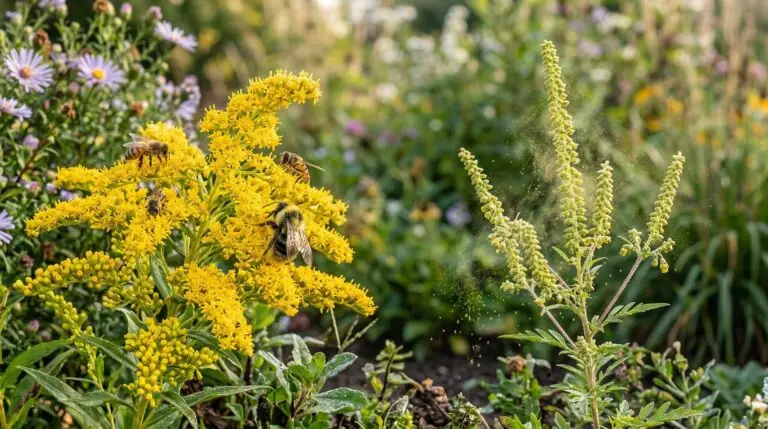
Goldenrod does not cause allergies and why ragweed is the real culprit
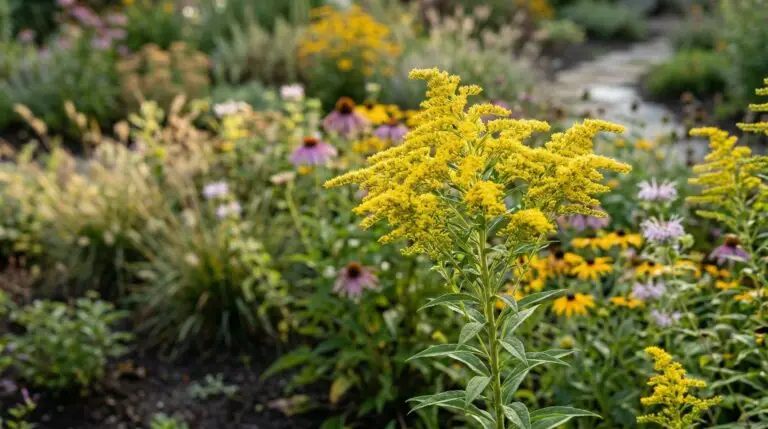
How to grow goldenrod for brilliant golden plumes that light up the fall garden
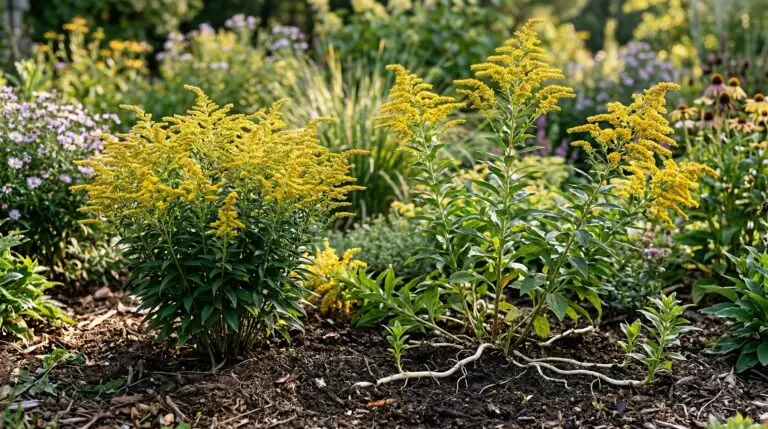
How to keep goldenrod from spreading aggressively in cultivated garden beds
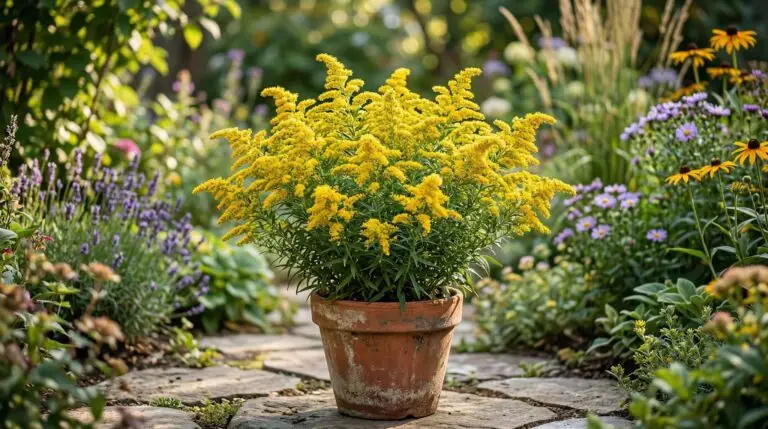
Growing goldenrod in containers for fall patio color when everything else is fading
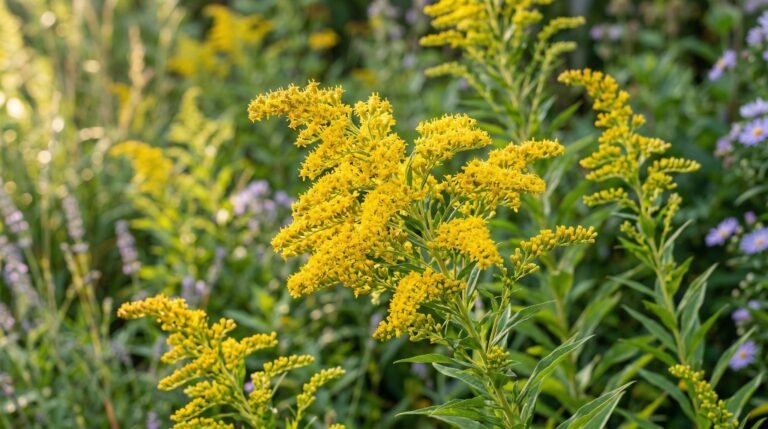
Goldenrod in dried flower arrangements for warm autumn bouquets that last all winter
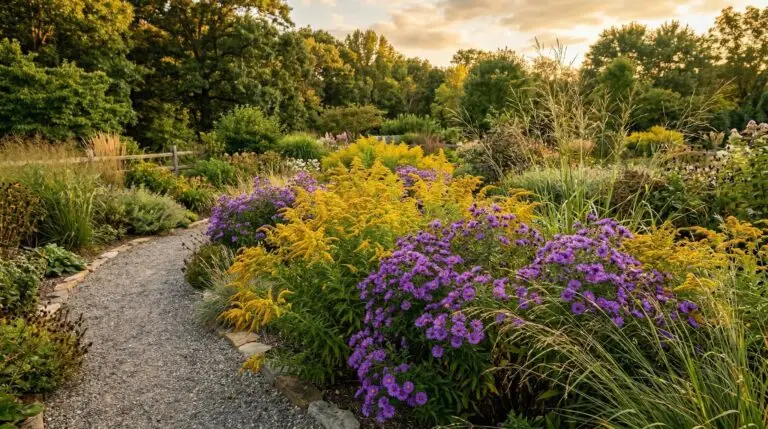
Companion plants for goldenrod: what to grow, what to avoid
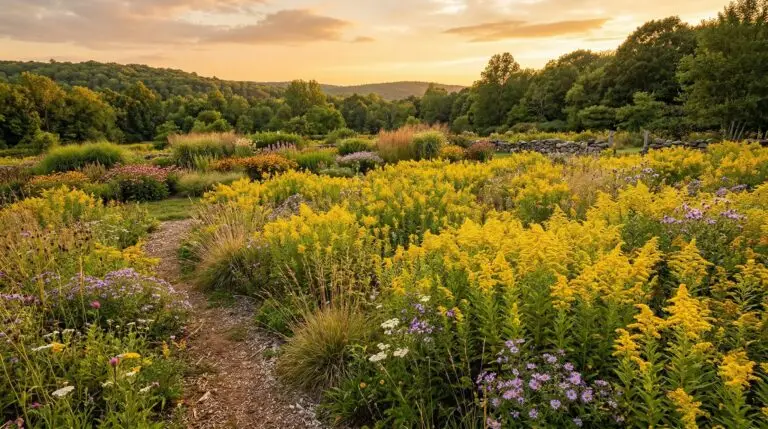
Goldenrod for naturalizing in meadows and the wildflower garden it was born for
Best goldenrod varieties for gardens from compact Little Lemon to elegant Fireworks
Enjoying our flower guides? Add YourFlowersGuide as a preferred source on Google. It helps more readers find us.
Add to Preferred Sources