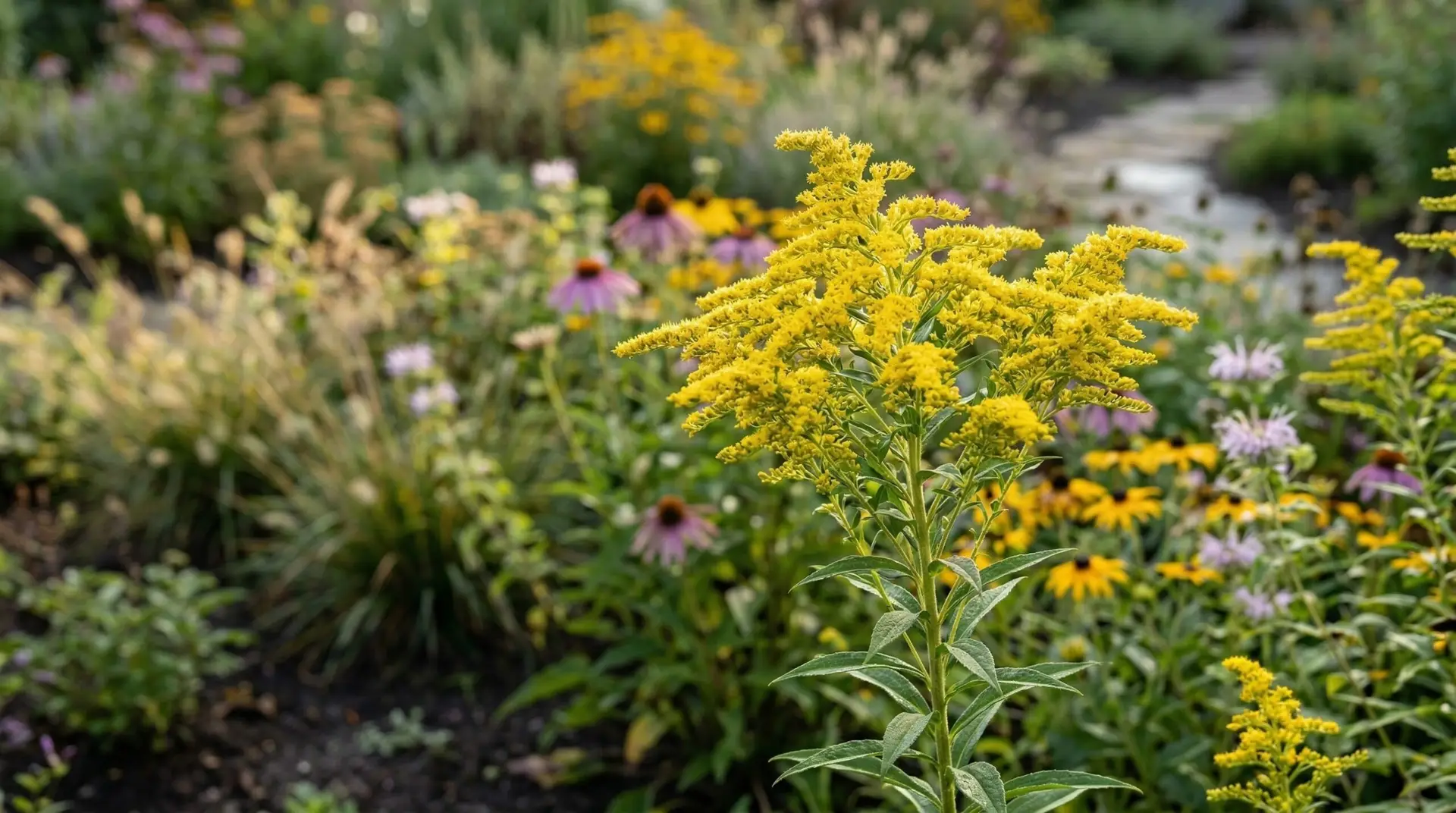
I have spent many autumns observing the distinct shift in the garden when the late summer heat finally breaks and the goldenrod begins to bloom. This native perennial, known botanically as Solidago, has long populated open meadows and roadside ditches across North America. For years, gardeners hesitated to bring these wild populations into cultivated spaces, fearing aggressive habits and untidy forms. However, growing goldenrod in the home garden has become increasingly common as horticulturists have selected and bred forms that behave predictably in mixed borders. A well placed goldenrod plant anchors the late season garden with dense panicles of yellow flowers just when many summer perennials are exhausting their energy reserves. Understanding how this plant functions in its native habitat is the first step to successfully integrating it into your own soil.
Contents 5 sections
Understanding the goldenrod plant and the allergy myth
Before discussing the specific cultural requirements of this plant, we must address the persistent misunderstanding regarding goldenrod and seasonal allergies. Many people wrongly blame Solidago for their late summer hay fever symptoms. The goldenrod plant produces heavy, sticky pollen grains designed specifically to be carried by insects, a pollination strategy known as entomophily. The true culprit behind autumn allergies is almost always ragweed, a visually inconspicuous weed that blooms at the exact same time and releases millions of lightweight, windborne pollen spores into the air. When you plant goldenrod, you are providing a critical late season food source for native bees, migrating butterflies, and beneficial wasps, rather than contributing to local pollen counts. Observing a patch of goldenrod on a sunny September afternoon reveals a constant hum of insect activity that proves its immense value to the local ecosystem.
Site selection and soil requirements for solidago care
Proper solidago care begins with selecting a location that mimics the open, sun drenched environments where these plants naturally thrive. Goldenrod requires full sun, meaning at least six to eight hours of direct light daily, to produce strong stems that will not flop under the weight of their own blooms. While wild species tolerate surprisingly poor, compacted soils, garden varieties perform best in moderately fertile, well draining loam. The ideal soil pH ranges broadly from 5.5 to 7.5, making this an adaptable choice for most typical garden conditions across Zones 3 through 9. If your soil is excessively rich or heavily amended with nitrogen fertilizers, the plants will produce abundant leafy growth at the expense of flowers and develop weak stems. I always advise planting them in unamended soil and withholding supplemental fertilizer entirely, as they are exceptionally efficient at extracting the nutrients they need from native earth.
Managing growth habits and choosing the right varieties
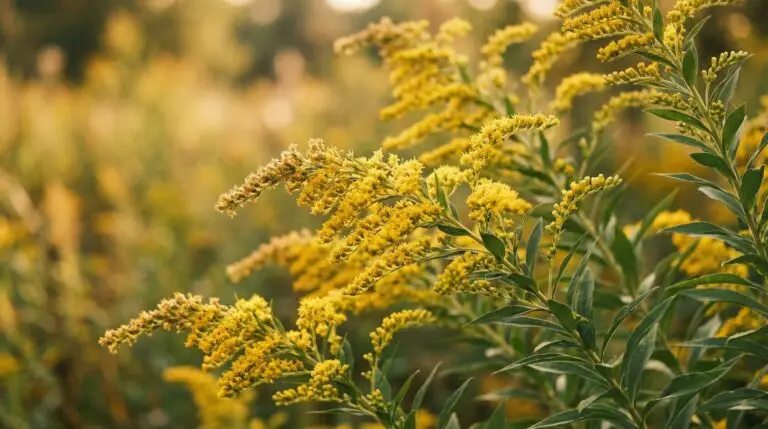
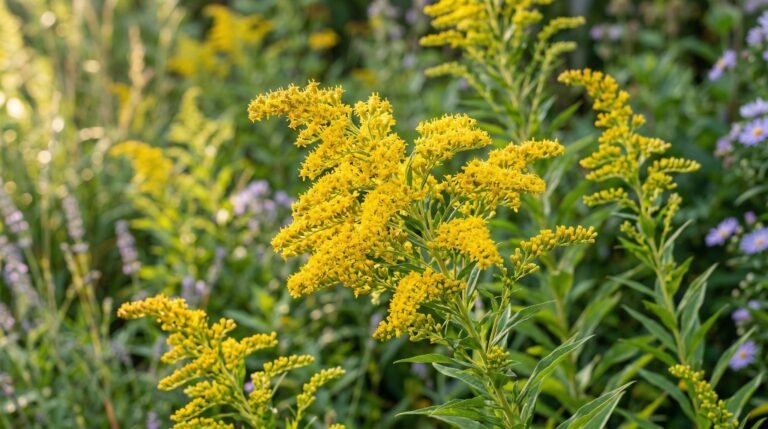
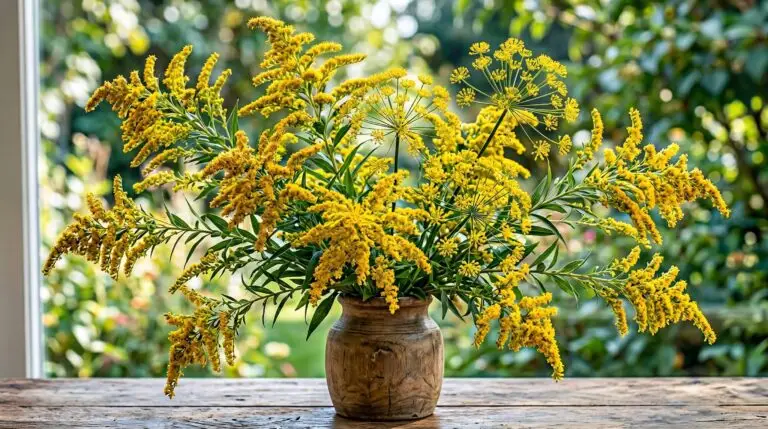
The primary challenge of growing goldenrod involves managing its natural tendency to spread through underground stems known as rhizomes. A rhizomatous plant extends laterally beneath the soil surface, sending up new shoots and expanding its footprint each season. Wild species like Canada goldenrod can quickly overtake a small garden bed, which is why I strongly recommend selecting named cultivars for residential gardens. Varieties such as ‘Fireworks’ offer a refined, clumping habit with arching floral wands that resemble exploding sparks, staying neatly in their designated space. ‘Wichita Mountains’ is another excellent selection that produces stiff, upright wands of yellow flowers and demonstrates exceptional drought tolerance once established. By choosing these cultivated forms, you secure the ecological benefits and aesthetic appeal of the genus without committing to a constant battle against aggressive expansion.
Companion planting for the late season garden
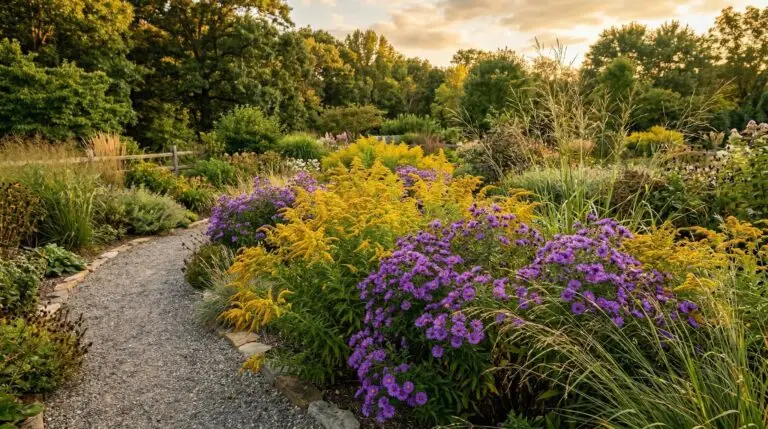
Designing a fall border requires pairing plants that share similar cultural needs and bloom times to create visual impact. The bright yellow plumes of goldenrod create a classic, highly effective contrast when planted alongside the cool purples and blues of a late blooming aster. You can extend the warm color palette by grouping them with a sturdy Black Eyed Susan, which often continues flowering right through the first light frosts. For early autumn overlap, positioning goldenrod behind a fading coneflower allows the fresh yellow blooms to draw the eye upward while the dark seed heads below provide structural interest. These native pairings evolved together in the wild, meaning they naturally require the same minimal irrigation and unamended soil conditions to thrive in your garden.
Maintenance and long term growing strategies
Once established, goldenrod requires very little intervention from the gardener, making it a highly reliable perennial for low water spaces. During the first growing season, you should water deeply once a week to encourage a robust root system, but subsequent years will require irrigation only during severe, prolonged droughts. I prefer to leave the stems standing through the winter months, as the dried seed heads provide forage for overwintering birds and add structural appeal to the dormant garden. In early spring, simply cut the dead stems back to the basal rosette of leaves before new growth emerges. Every three to four years, you may notice the center of the clump becoming woody or producing fewer flowers, which signals the time to lift and divide the plant. Dig up the entire root mass in early spring, discard the old center, and replant the vigorous outer sections to ensure your goldenrod returns with full strength for the coming season.
More About Goldenrod
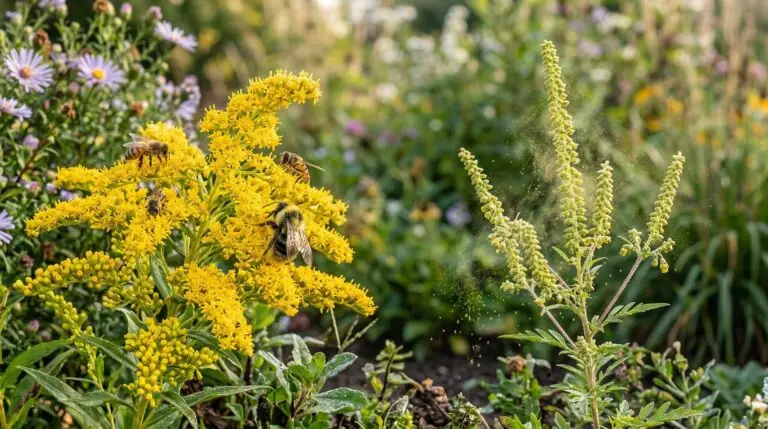
Goldenrod does not cause allergies and why ragweed is the real culprit
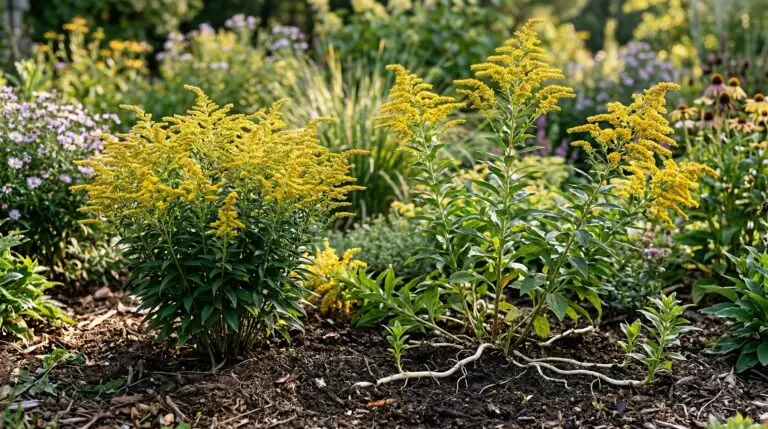
How to keep goldenrod from spreading aggressively in cultivated garden beds
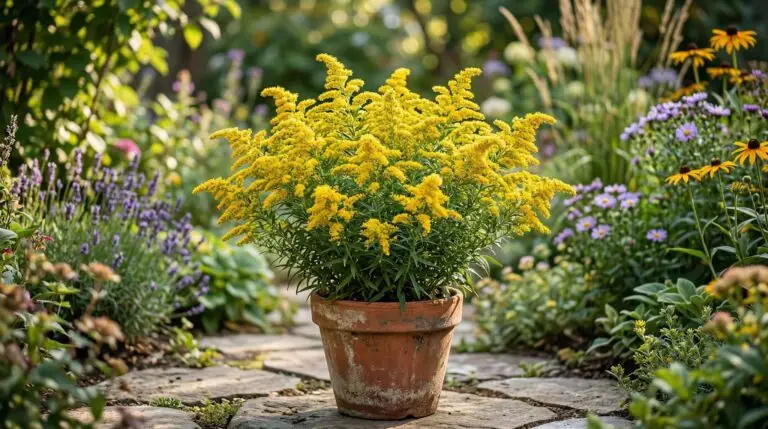
Growing goldenrod in containers for fall patio color when everything else is fading
Goldenrod flower meaning and the American wildflower that nearly became the national flower
Goldenrod in dried flower arrangements for warm autumn bouquets that last all winter
Companion plants for goldenrod: what to grow, what to avoid
Goldenrod for naturalizing in meadows and the wildflower garden it was born for
Best goldenrod varieties for gardens from compact Little Lemon to elegant Fireworks
Enjoying our flower guides? Add YourFlowersGuide as a preferred source on Google. It helps more readers find us.
Add to Preferred Sources