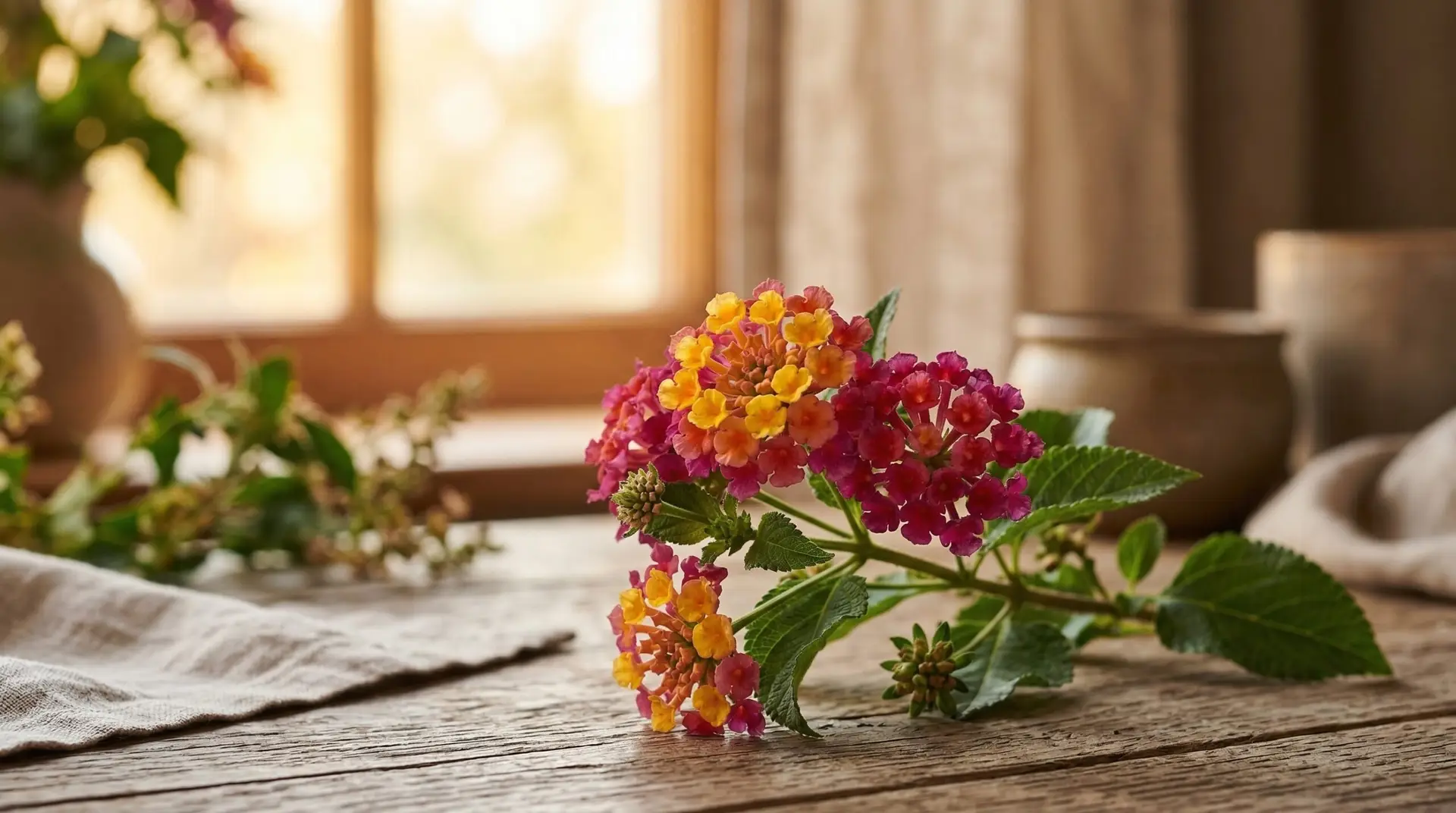
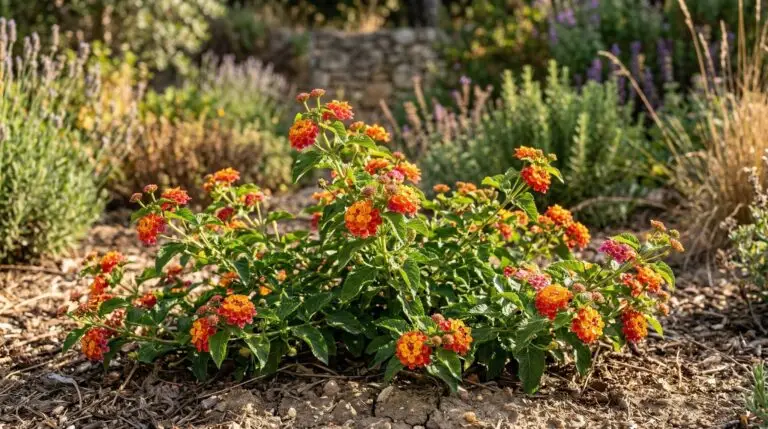
One of the first things gardeners ask when they start growing lantana is how a single plant manages to produce clusters of flowers in three or four different colors at the same time. You will often see a single round flower head with yellow blossoms in the very center, surrounded by a ring of orange, with an outer border of deep pink or magenta. This creates a miniature rainbow effect that makes the plant incredibly popular among perennial flowers for summer containers and garden beds. Many people assume they bought a special mixed variety that combines several different plants in one pot. They wonder if the nursery accidentally planted seeds from multiple plants together. The truth is much more interesting, as every single tiny flower in that cluster is exactly the same, just at a different stage of its life.
The natural follow-up question is whether this lantana color change is caused by the soil chemistry. Gardeners are used to adjusting soil acidity to change the bloom colors of plants like Hydrangea macrophylla, so it makes sense to wonder if fertilizer or pH is at work here. Lantana does not care about your soil pH when it comes to petal color. The color shift is entirely genetic and triggered by the natural aging process of each individual blossom. The plant has a built-in biological clock that dictates exactly when and how the pigments in the petals will transform. You do not need to buy special fertilizers to encourage this rainbow effect.
Contents 4 sections
How the color shift happens day by day
This leads to something many growers wonder about regarding how the actual progression works within the flower cluster. The flower heads, called umbels, bloom from the inside out. The newest flowers open in the center of the cluster, and they usually start out yellow or pale cream. As the days pass, these center flowers age and are pushed outward by even newer buds opening in the middle. This continuous growth from the center creates the distinct rings of color. By the time a flower reaches the outer edge of the cluster, it has gone through a complete chemical transformation and turned red, dark pink, or purple.
People often ask what actually causes the pigment to change inside the petals as they move from the center to the edge. When the flower first opens, its cells are full of yellow pigments called carotenoids. As the blossom matures over a few days, the plant begins to produce a different type of pigment called anthocyanin. Anthocyanins are responsible for the red, purple, and blue colors in many plants, and they are strong enough to completely mask the original yellow carotenoids. The gradual buildup of these red pigments is what creates the orange transition phase before the flower settles into its final dark pink or red form. The plant manufactures these new pigments on a strict schedule regardless of the weather outside.
The secret message meant for pollinators
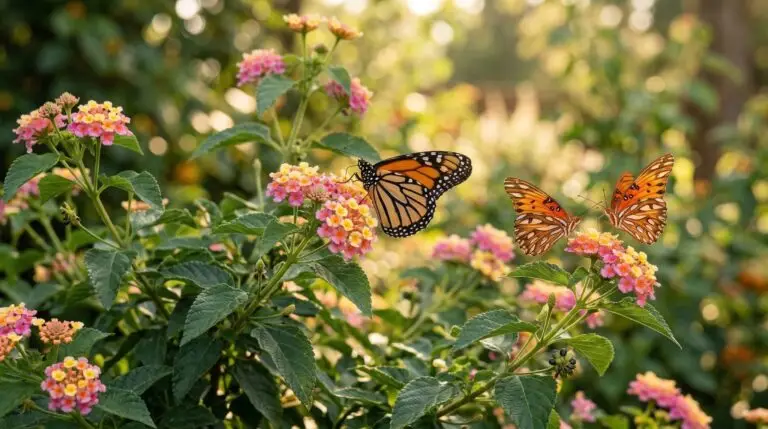
You might be wondering why a plant would spend so much energy manufacturing new pigments just to change the color of a flower that is about to drop off anyway. This brings us to the real reason why lantana changes color in the first place. The color shift is a highly evolved pollinator signaling strategy. The plant is communicating directly with bees and butterflies about which flowers are worth visiting. Producing nectar requires a lot of energy, and the plant only wants to feed insects that will help it reproduce. The flower is essentially putting up a vacancy sign for hungry insects.
The color coding is very specific and easy for insects to read. A yellow flower in the center of the cluster is newly opened, loaded with fresh nectar, and has pollen ready to be transferred. A red or dark pink flower on the outer edge has already been pollinated and its nectar reserves are completely empty. By clearly marking which flowers are full of food, the plant saves the pollinators from wasting time on empty blossoms. The insects learn to target only the yellow centers, which ensures the plant gets its unpollinated flowers visited first. This mutual agreement benefits the insect with a guaranteed meal and guarantees the plant a successful pollination.
What insects see that humans cannot
A natural question arises about whether insects actually see these colors the same way we do. Butterflies have excellent color vision and are naturally drawn to red, but bees cannot see red at all. To solve this problem, lantana uses UV patterns guiding bees directly to the nectar source. The yellow flowers in the center of the cluster absorb ultraviolet light in a specific pattern that creates a dark bullseye for bees. This invisible target acts like a runway, pointing the bee exactly where it needs to land to find the nectar and pick up the pollen. Human eyes completely miss this high-contrast map painted across the yellow petals.
Once the flower is pollinated and begins producing anthocyanins, it entirely loses its ultraviolet signature. The older red flowers essentially become invisible to bees, fading into the background foliage. The plant uses the bright red outer ring to catch the attention of passing butterflies from a distance, while the UV-marked yellow center gives the precise landing instructions up close. Plants in the same family, such as Verbena, share some traits for attracting specific insects, but the lantana multicolor display is a uniquely efficient system. The plant manages to attract different types of pollinators while directing them exactly where they need to go. This dual-signaling method makes the plant one of the most successful attractors in the summer garden.
Do all varieties change color
Another common question is whether every single lantana plant in the garden center will put on this color-changing show. While the wild species and the classic trailing varieties all feature the dramatic yellow-to-red shift, modern plant breeders have developed solid-color varieties. You can buy plants that produce entirely yellow, entirely white, or entirely pink flower clusters. These solid varieties still age and still stop producing nectar once pollinated. The chemical changes still happen inside the petals, but the breeders have selected plants where the visible pigment shift is much less obvious to human eyes. A solid yellow variety might just fade to a slightly paler yellow instead of turning bright magenta.
This leads to a question most gardeners never consider regarding what happens to the flower if a bee or butterfly never comes to pollinate it. If a newly opened yellow flower is kept isolated from insects, it will still age and change color eventually. The biological clock keeps ticking, but the plant will delay the color change for several extra days. It holds onto its yellow pigment and its nectar reserves longer, waiting and hoping for a late visitor to arrive. Once the flower realizes no pollinator is coming, it finally produces the anthocyanins, turns red, and drops from the plant to make room for the next round of buds. Even in isolation, the plant completes its life cycle according to its own internal chemistry.
More About Lantana
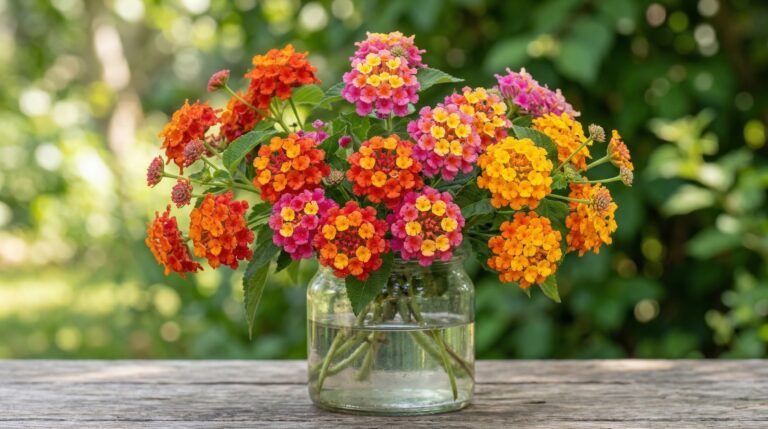
Best lantana varieties from multicolor Confetti to pure white Nivea
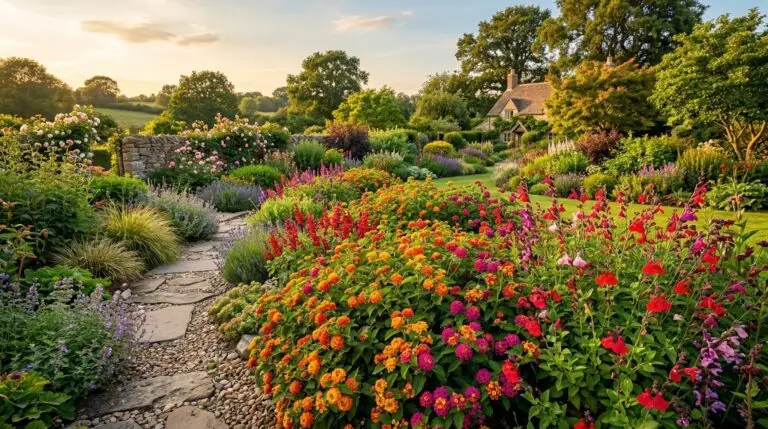
Companion plants for lantana that share its dry, sunny bed
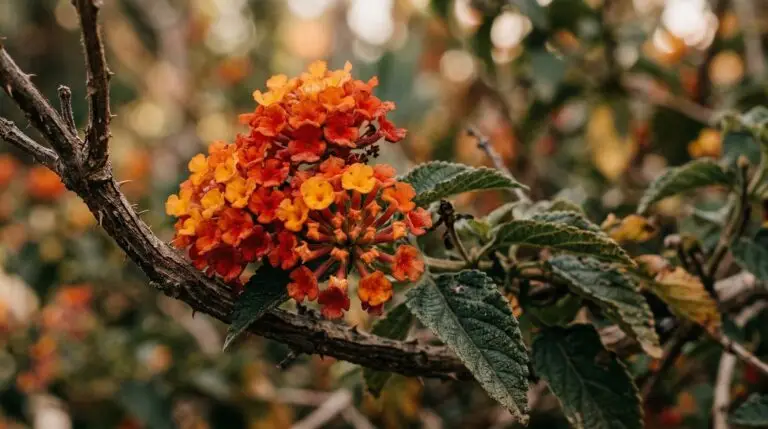
Lantana flower meaning and the resilient beauty of this tough tropical bloomer
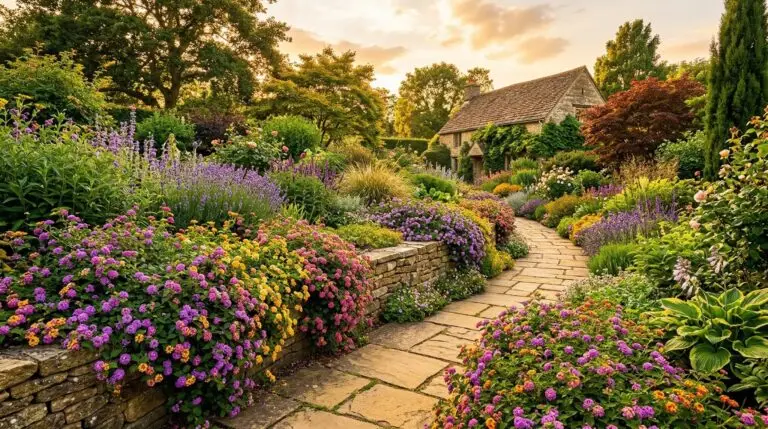
Lantana as a low-maintenance ground cover for slopes and hard-to-mow areas
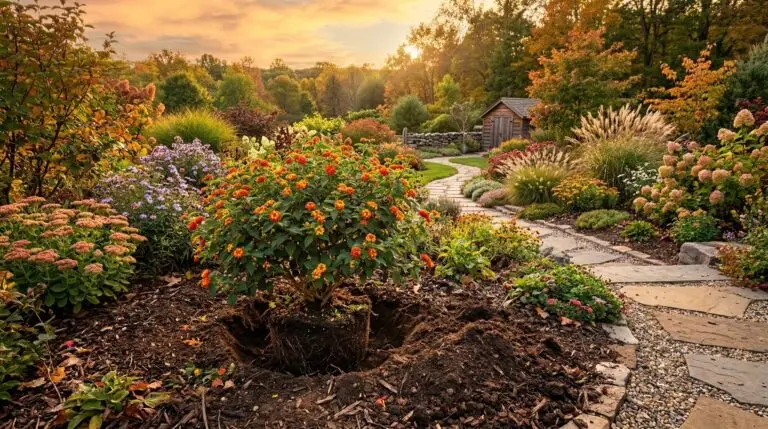
Overwintering lantana plants indoors for saving your favorite varieties until spring
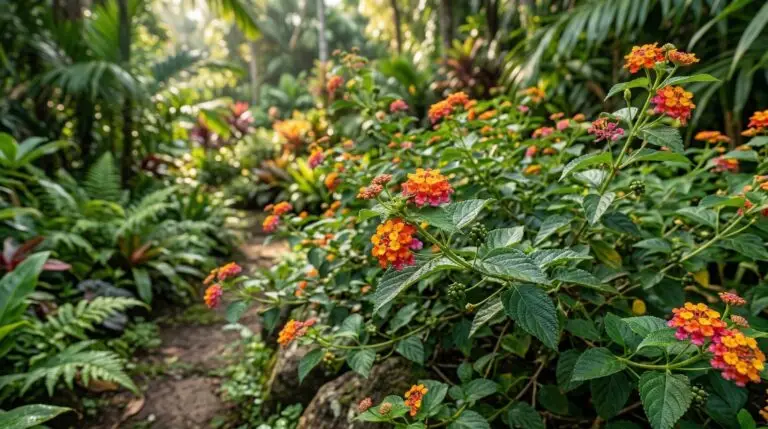
Is lantana invasive and how to grow it responsibly in warmer climates
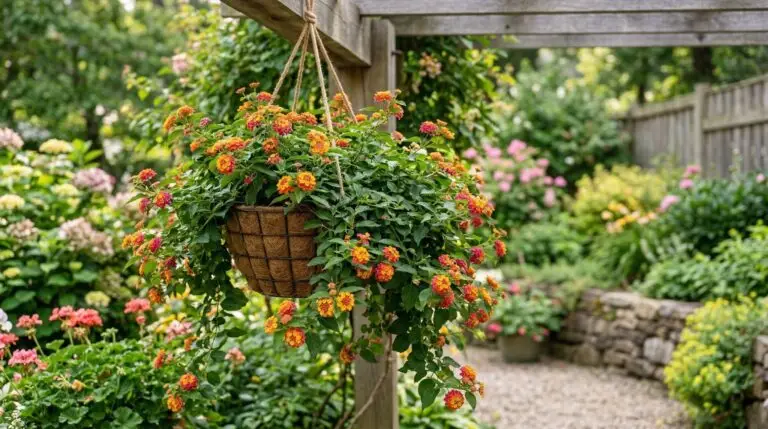
Growing lantana in containers and hanging baskets for summer patio color
How to grow lantana for non-stop color in the hottest driest spots in your garden
Lantana as a butterfly magnet and the pollinator garden star of summer heat
Enjoying our flower guides? Add YourFlowersGuide as a preferred source on Google. It helps more readers find us.
Add to Preferred Sources