Contents
Magnolia
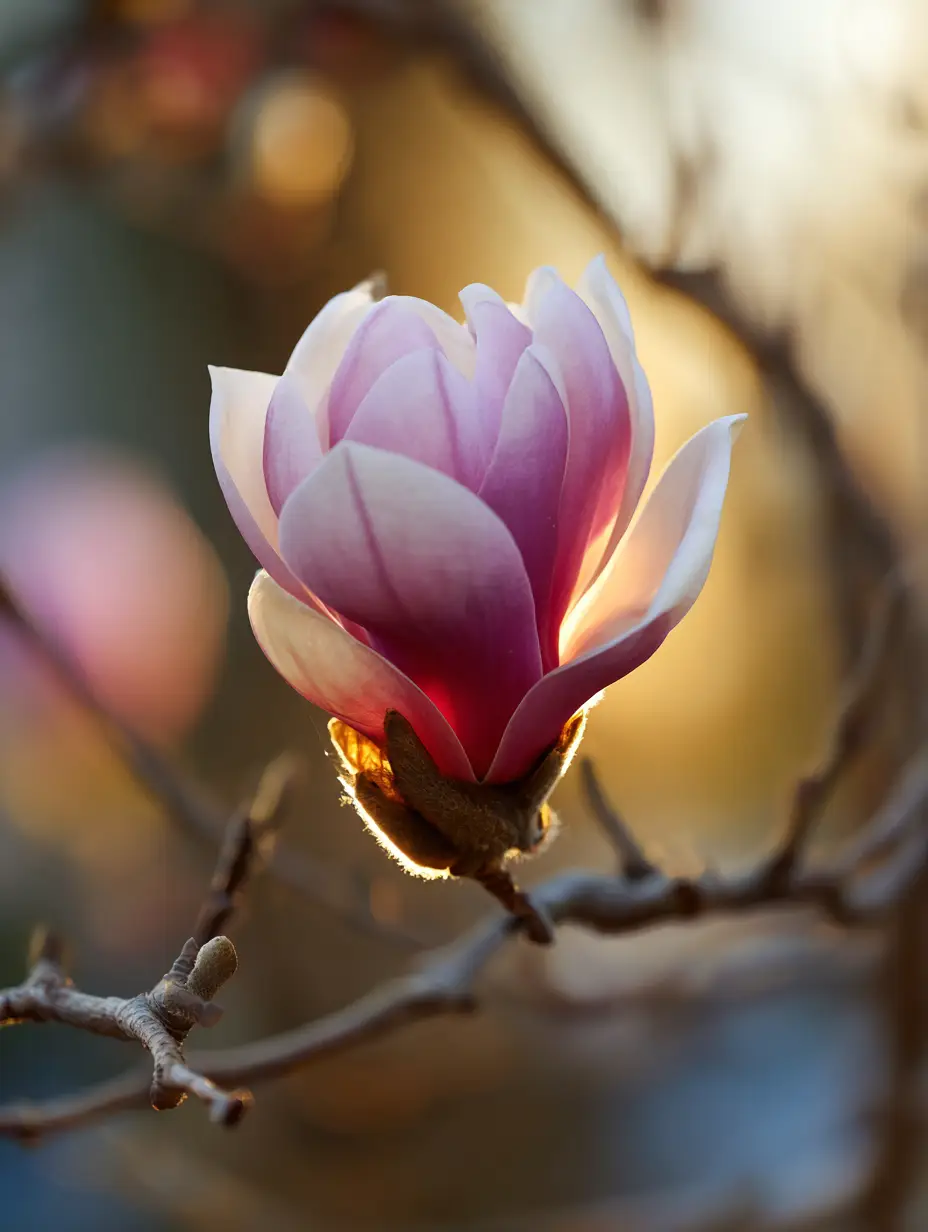
Magnolia is a genus of flowering trees and shrubs celebrated for its spectacular blossoms and glossy foliage. Among the many types of flowers grown in ornamental gardens, magnolias stand out for their large, showy blooms and rich history as one of the most ancient flowering plants. The flowers are typically broad and cup-shaped, appearing in stunning shades of white, cream, purple, yellow, or soft pink flowers depending on the species and cultivar. Many magnolia blossoms are pleasantly fragrant, making them popular fragrant flowers for landscaping. These elegant trees have a distinct presence in the landscape: in spring, a magnolia in full bloom becomes a focal point, rivaling other seasonal beauties like cherry blossoms and camellia shrubs. With their beautiful blooms, attractive cone-like seed pods, and lush green leaves, magnolias have earned a place as a quintessential flowering tree in parks and gardens across the United States. This profile provides a comprehensive look at magnolia flowers – from their botanical background and growing needs to their care, propagation, and common questions – to help you enjoy these majestic trees in your own garden.

A clear, step-by-step guide to soil, planting, watering, feeding, pruning, and winter care. Includes zone timing, container tips, companions, and quick fixes for common problems.

Bouquet Ideas
Explore simple, beautiful bouquet ideas for the home, gifts, and special occasions from romantic mixes to clean, minimal styles. Each idea includes suggested flower combinations, color palettes, and sizes, with photos for quick inspiration.
🌱 Taxonomy and origin
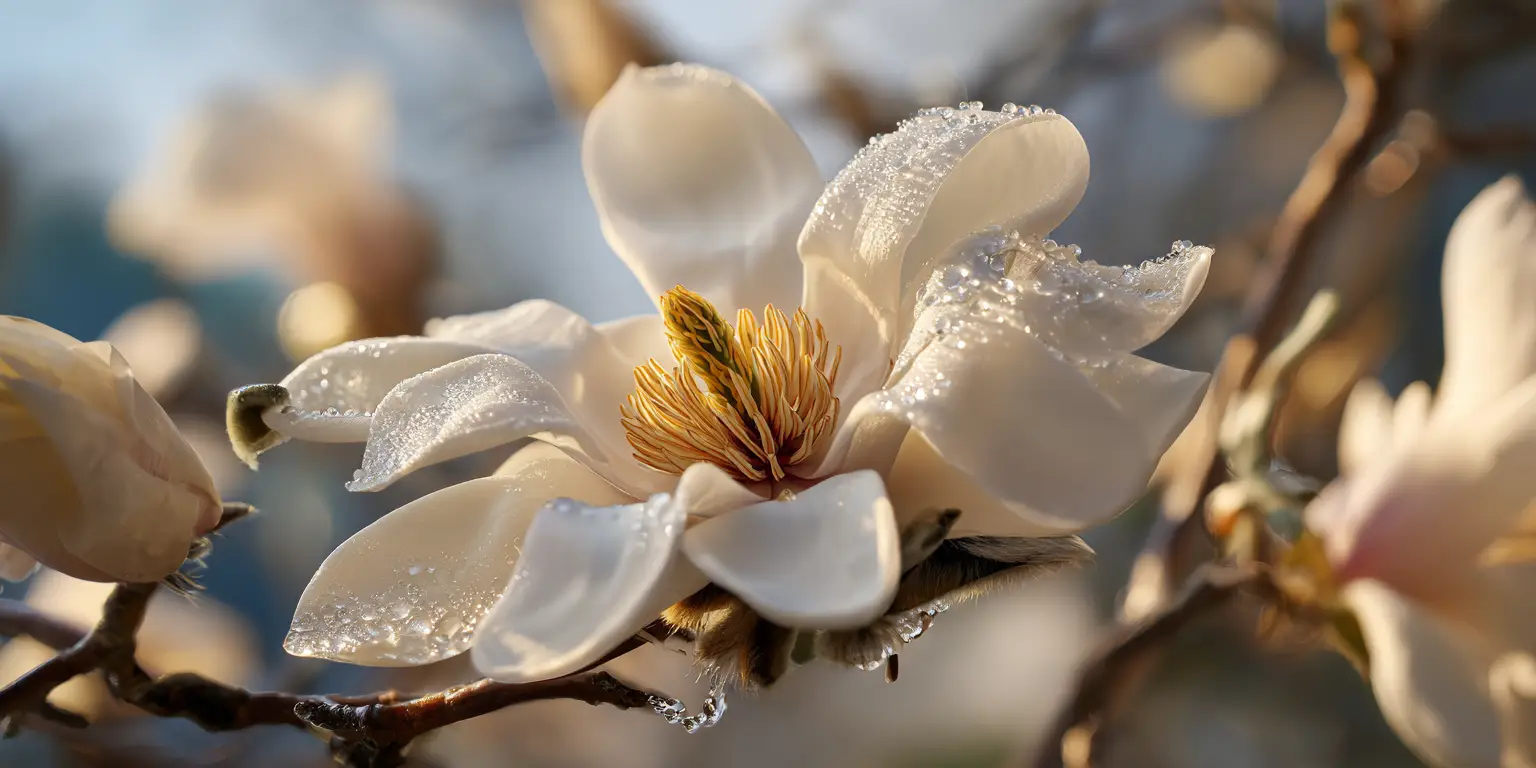
Magnolias belong to the genus Magnolia in the family Magnoliaceae. Botanically, they are notable for being an ancient lineage of flowering plants – magnolias evolved millions of years ago, even before bees existed, and were originally pollinated by beetles. The genus was named in honor of French botanist Pierre Magnol, reflecting its long history in botanical study. There are over 200 species in the Magnolia genus, native across a broad geographic range. Wild magnolia species are found in eastern North America, Central and South America, and throughout East and Southeast Asia. This disjunct distribution (with groups in the Americas and Asia) points to an old origin for the plant, dating back to when these continents were joined. In their native habitats, magnolias can be understory trees in forests or dominate woodland edges, often favoring moist, rich soils. Over time, many species and hybrids have been cultivated worldwide for their ornamental value. From the stately Southern magnolia of the American South to the spring-blooming pink saucer magnolias introduced from Asia, these plants carry a piece of botanical history into our modern gardens. Whether deciduous or evergreen, all magnolias share certain floral traits – large, tulip-like or starburst-like blooms with thick, waxy petals (technically “tepals”) and a central cone of carpels that later forms a red-seeded fruit. Their origin as one of the earliest types of flowers is evident in these unique flower structures. Today, magnolias are cherished worldwide, symbolizing beauty and longevity, and they continue to be hybridized and collected for gardens large and small.
🌸 Bloom time
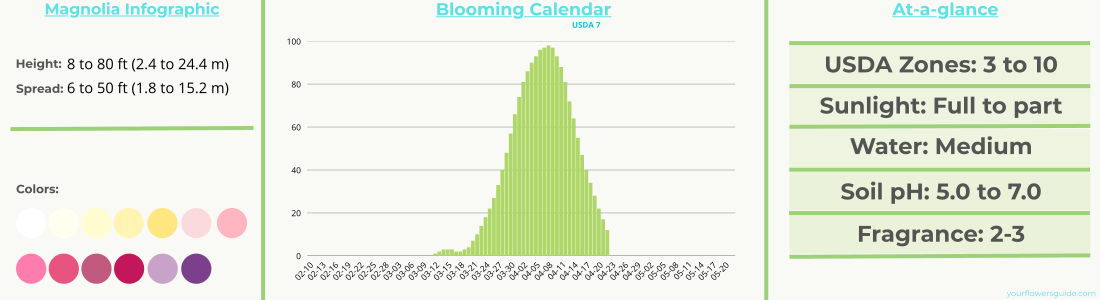
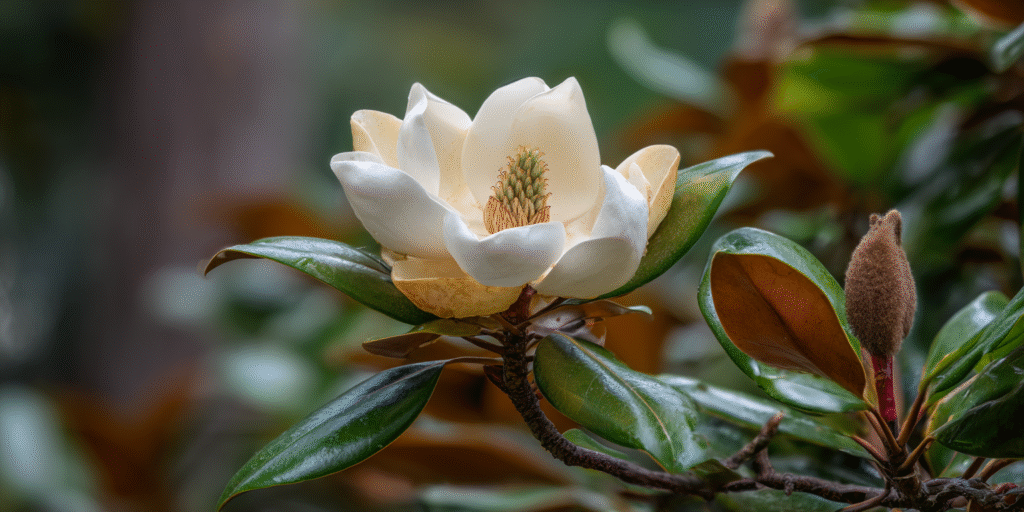
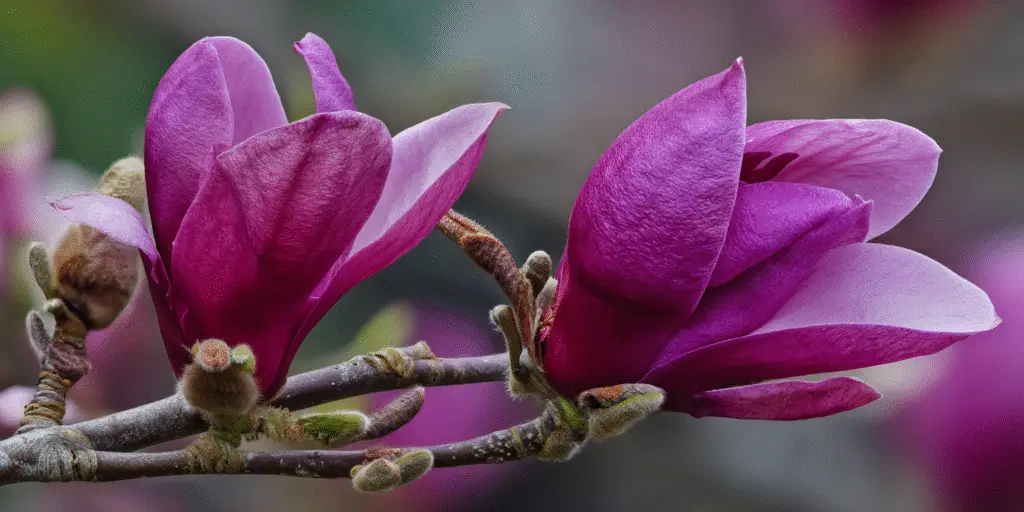
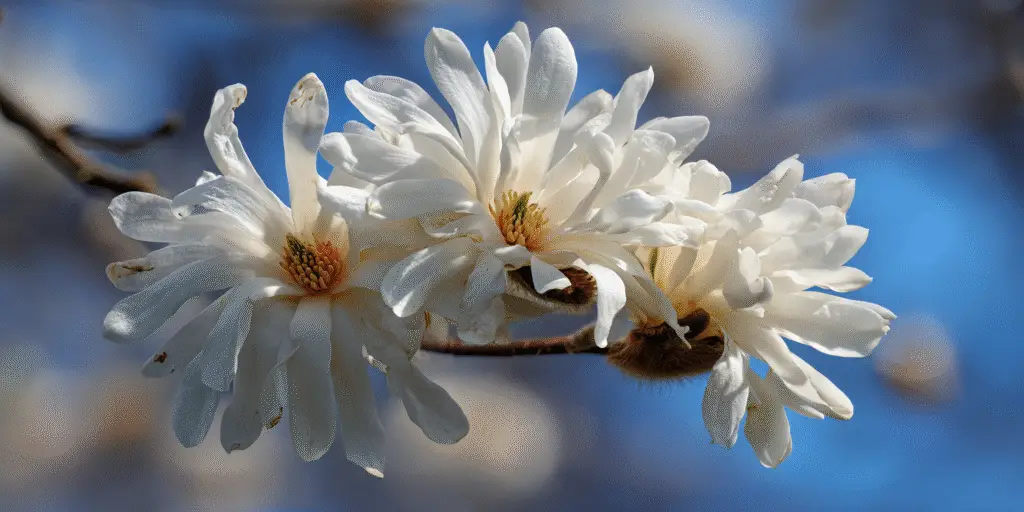
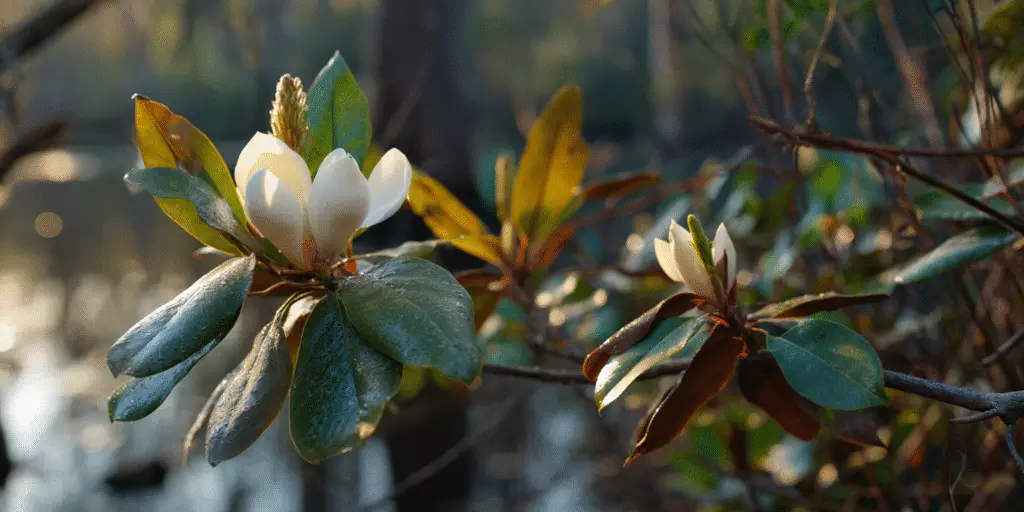
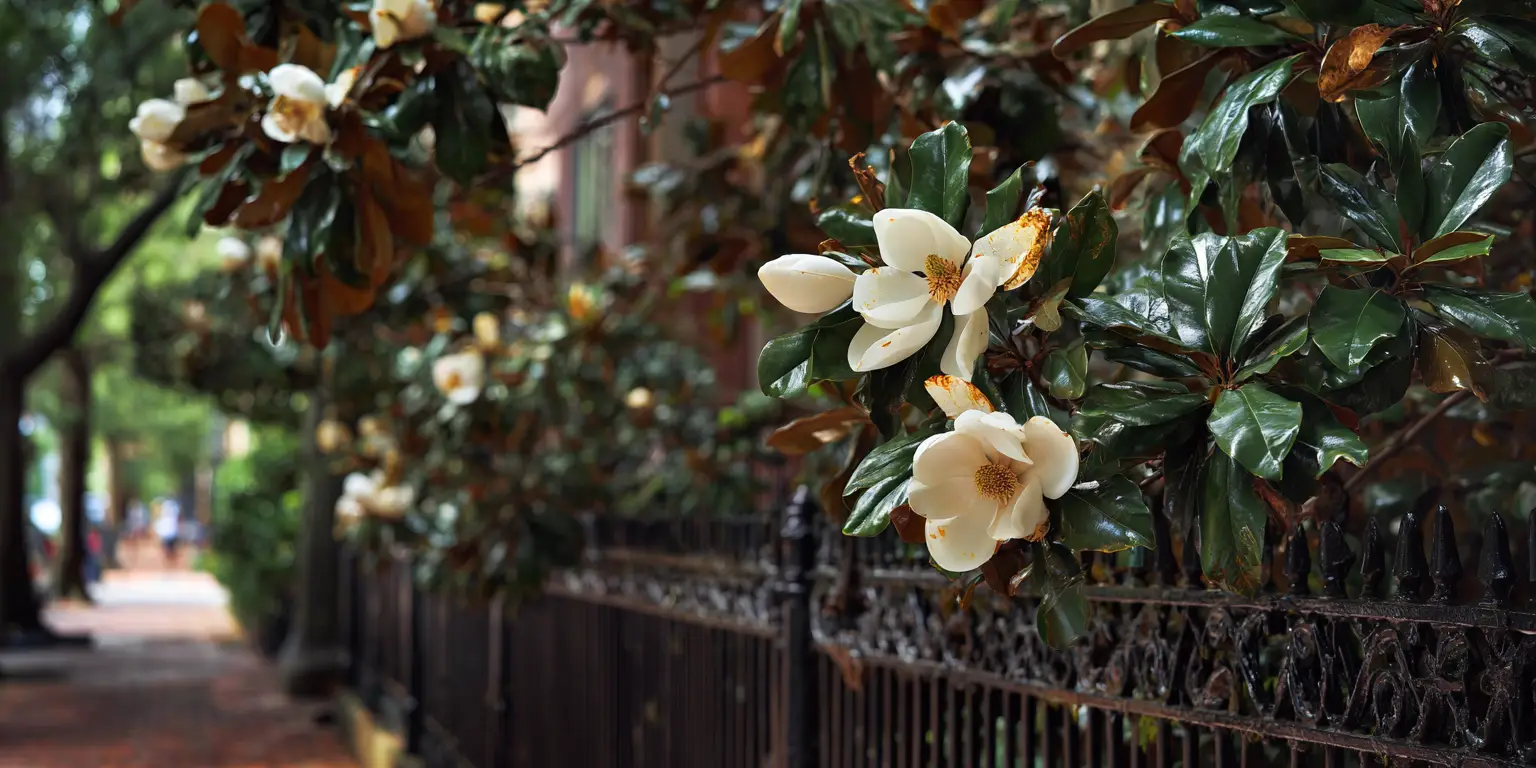
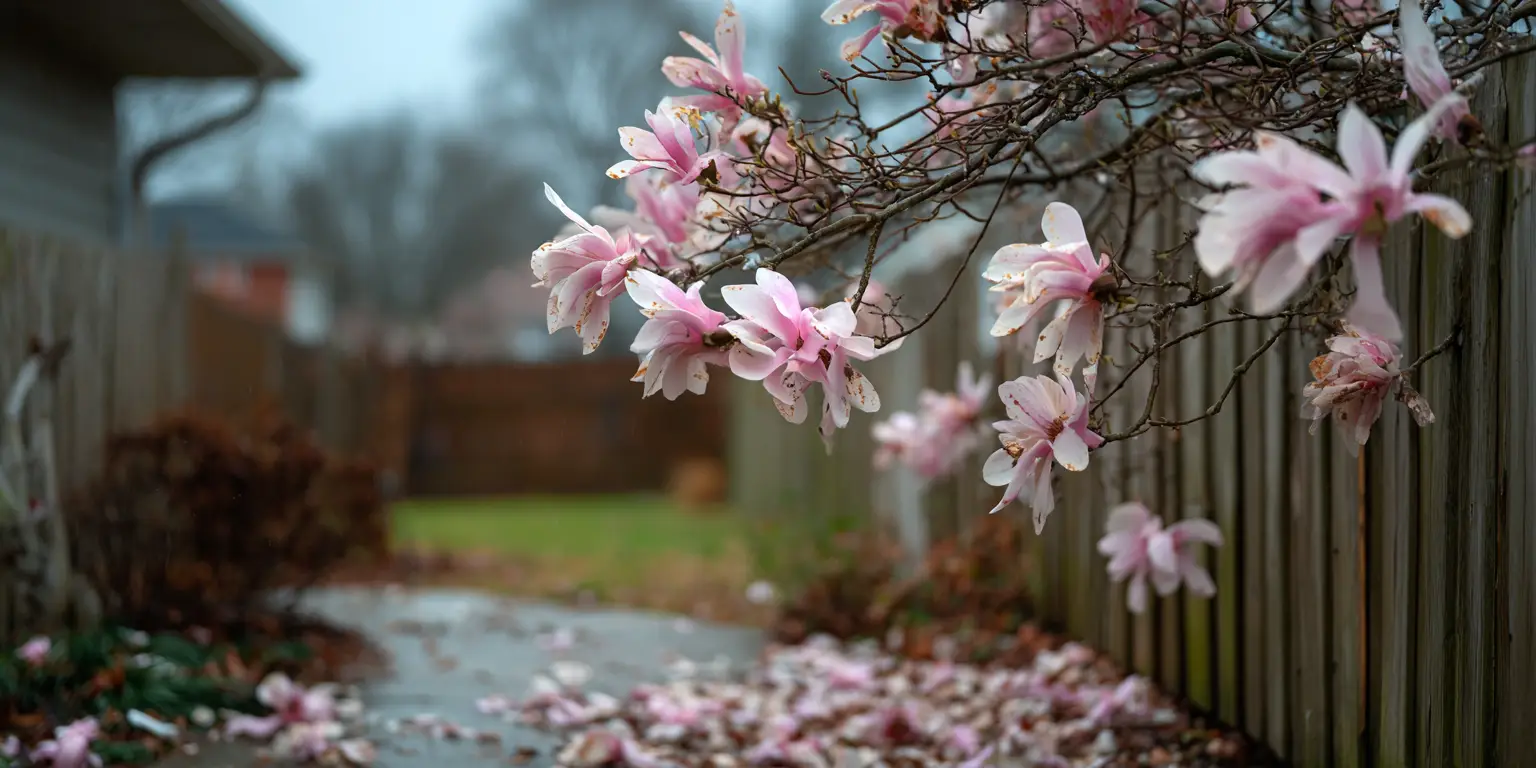
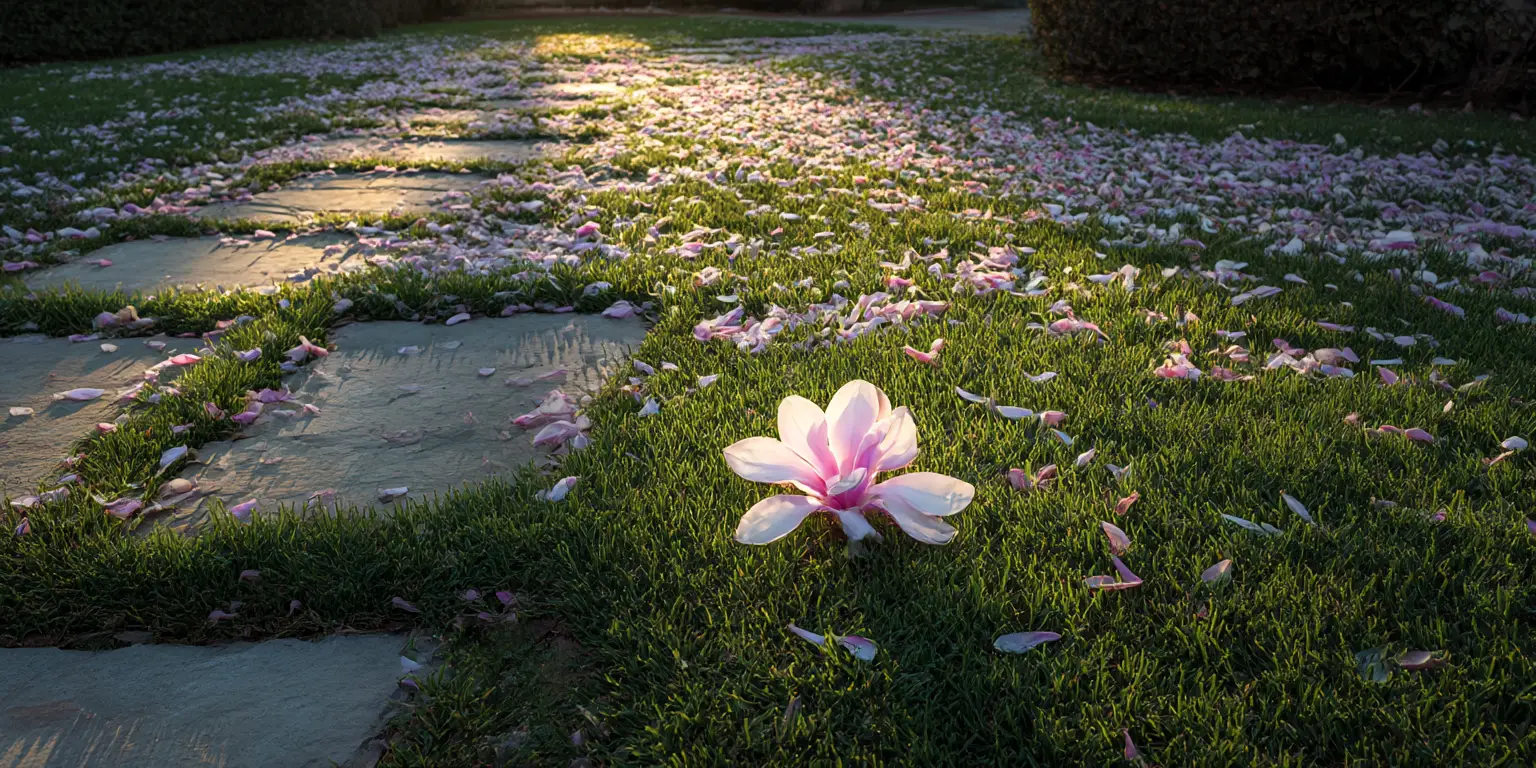
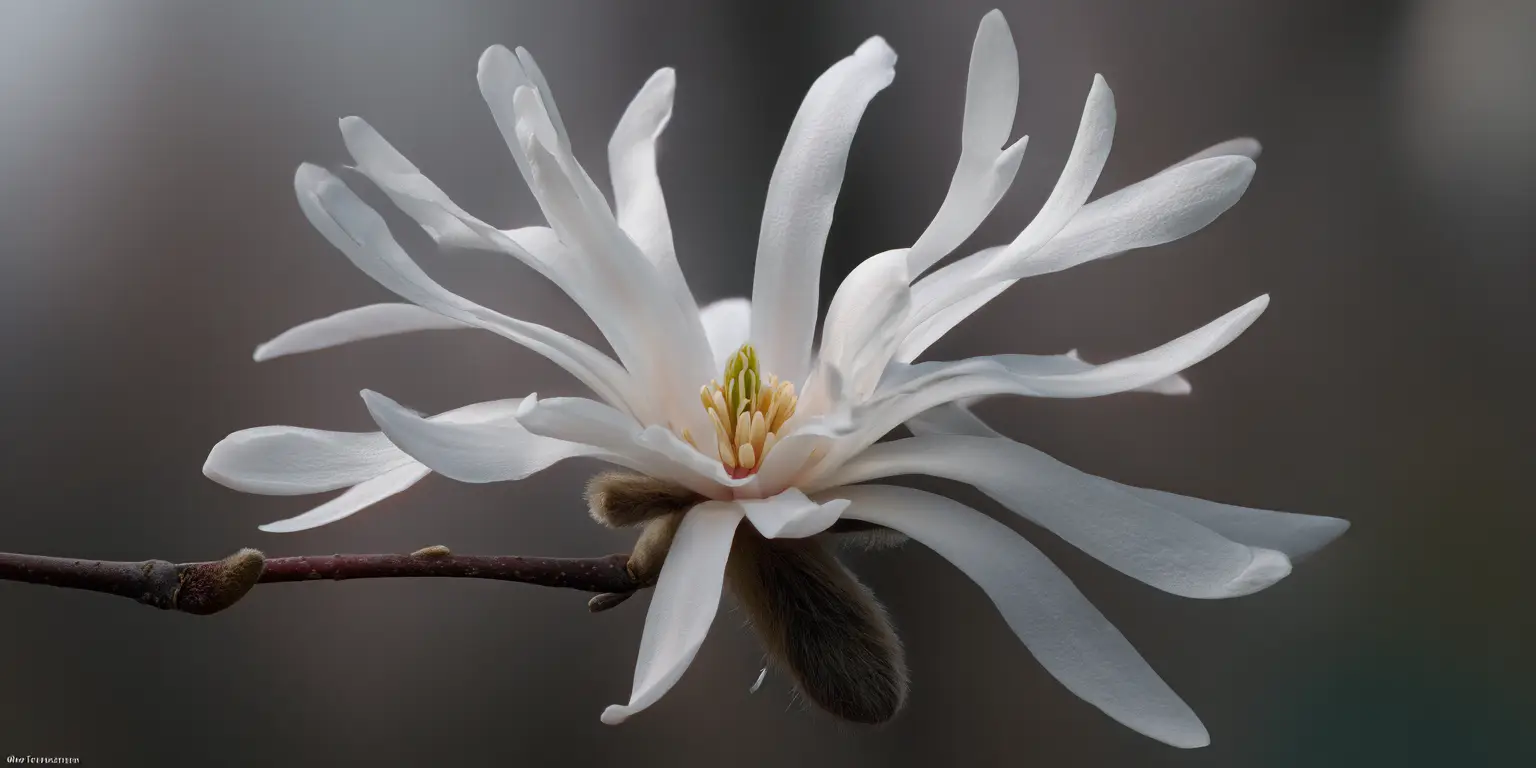
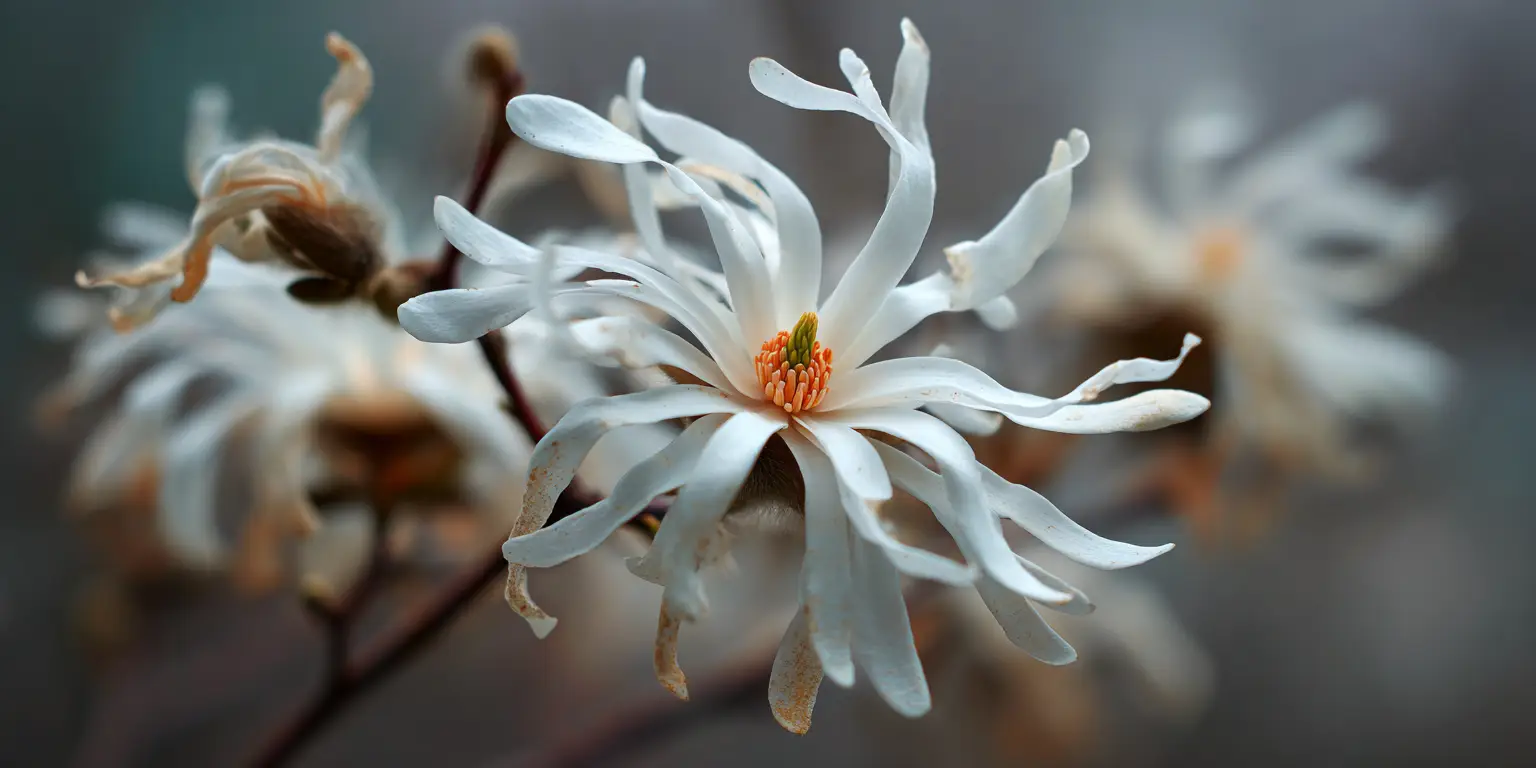
Bloom time for magnolia trees depends on the species, but most magnolias flower in the spring, making them iconic spring flowers in many regions. Many deciduous magnolias put on a dramatic show in early to mid-spring, often blooming on bare branches before the leaves emerge. For example, the star magnolia (Magnolia stellata) is known to burst into bloom as early as late winter or very early spring (February or March in some areas), displaying white starry flowers before anything else in the garden has woken up. Saucer magnolia (Magnolia x soulangeana) typically blooms a bit later in spring (around March to April), unfurling its large pink and purple tulip-shaped blossoms. These early blooms can sometimes be vulnerable to late frosts – a sudden freeze can damage open magnolia flowers, turning them brown. Other magnolia varieties have different bloom times: some hybrids and species may bloom in late spring or even early summer. The famous Southern magnolia (Magnolia grandiflora), an evergreen species, usually flowers in late spring and early summer (May through June and even into July) when the tree is leafed out, producing big creamy-white blossoms over an extended period. A few magnolias may also have a light rebloom or scattered flowers later in the growing season, but the main show is in spring. Each individual bloom typically lasts only about a week on the tree (often shorter if weather is hot or stormy), but a mature magnolia will have many buds opening in succession, extending the overall blooming period to several weeks. By timing and selecting different species, a garden can enjoy magnolia blooms from late winter all the way to early summer. Once the flowering is done, spent petals often fall around the base of the tree, creating a carpet of color, and the tree shifts into its fruiting stage as the red seeds develop.
📏 Height and spread
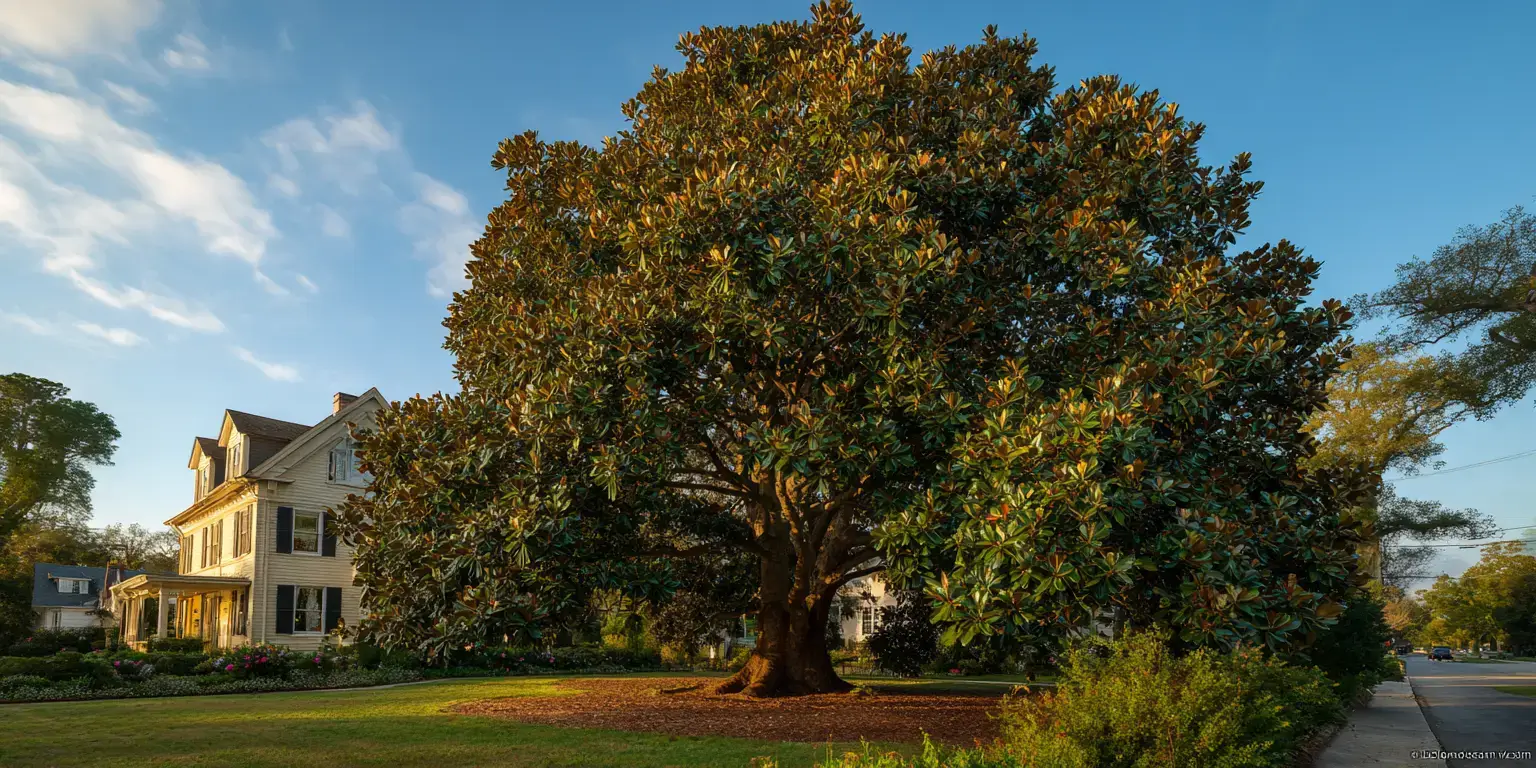
Magnolias exhibit a wide range of sizes and forms, from large shrubs to towering shade trees, so understanding the mature height and spread of your specific magnolia is important. Smaller magnolia species and cultivars, such as the star magnolia, may reach around 10 to 15 feet in height at maturity with a spread of about 8 to 10 feet. These compact types can fit in smaller gardens or even be grown as multi-stemmed shrubs similar in scale to large camellia or azalea bushes. Medium-sized magnolias include many of the deciduous hybrids like the saucer magnolia, which often grow to roughly 20 to 30 feet tall with a spread of 15 to 25 feet. They form small to mid-sized trees suitable for suburban yards, providing an impressive flower display without overwhelming the space. On the larger end of the spectrum are magnolia species that become true forest trees. The iconic Southern magnolia can attain 60 to 80 feet in height (or even more in ideal conditions) with a broad pyramidal crown spreading 30 to 40 feet wide. Its leathery evergreen leaves and enormous size make it a magnificent specimen tree where there is room. Another example is the cucumber magnolia (Magnolia acuminata), a tall native tree that can also exceed 50 feet. Generally, magnolias have a moderate growth rate – not extremely fast growing, but steady. They often grow upright when young and then spread out with age. The branching can be low and horizontal in some types, creating a beautiful silhouette. When planting a magnolia, be sure to allow enough space for its mature dimensions. Crowding a magnolia can lead to poor growth or the need for undesirable pruning. Also keep in mind that magnolias have shallow, spreading root systems, so the spread underground often mirrors the spread of the canopy. With proper siting, a magnolia will grow into its full glory, whether that’s a petite ornamental or a stately tree anchoring the landscape.
☀️ Light
Magnolias generally perform best with ample sunlight, though most can tolerate some degree of shade. In general, plant your magnolia in a location that receives full sun to light partial shade. Magnolia trees that get full sun (around 6-8 hours of direct light per day) tend to flower more profusely, as abundant light fuels the formation of blooms. The blossoms will often be larger and in greater quantity on a magnolia in a sunny spot. However, in very hot or dry climates, a bit of afternoon shade can be beneficial to prevent stress. Magnolias in the Deep South or southwest, for instance, might appreciate some protection from the harshest late-day sun, as intense heat can cause wilting or scalding of flowers and foliage. Light partial shade (dappled light or a few hours of shade in the afternoon) can help the tree cope with heat while still allowing enough sun for good blooming. It’s important to avoid deep shade, a magnolia grown in heavy shade (such as under dense taller trees or continuously on the north side of a building) will become thin, with sparse foliage and very few flowers. Additionally, consider wind exposure along with light: a site with full sun but strong winds might damage the brittle branches or knock off blossoms, so a somewhat sheltered spot is ideal. In summary, give your magnolia as much sun as you can, especially morning and midday sun, for the healthiest growth and best flowering. Balancing light and a bit of shade in hot regions will ensure your magnolia thrives and blooms beautifully.
💧 Water
Magnolias thrive with consistent moisture and will appreciate a regular watering schedule, especially during their establishment phase and in periods of hot, dry weather. Generally, magnolia trees prefer evenly moist, well-drained soil. They are not desert plants, so they don’t do well with prolonged drought, particularly when young. Water your magnolia deeply once or twice a week in the absence of rain, soaking the root zone thoroughly. The goal is to keep the soil moist like a wrung-out sponge – not waterlogged, but not bone dry either. Deep watering encourages the roots to grow down and spread, which helps the tree become more drought-tolerant as it matures. Using a layer of mulch (2-4 inches of wood chips or bark) over the root area is highly beneficial, mulch helps retain soil moisture and keeps the roots cool, while also suppressing weeds. Take care not to let the mulch touch the trunk to prevent rot. While magnolias enjoy moisture, they also require good drainage. Soggy or waterlogged soil can lead to root rot and decline. Avoid planting magnolias in low-lying areas where water pools after rain. If you have heavy clay soil that holds water, consider planting on a slight mound or amending the soil to improve drainage. Once established (after a few years), many magnolias can handle moderate dry spells and are somewhat drought-tolerant, but they will still flower best if given water during extended dry periods. As a rule of thumb, if the top few inches of soil have dried out and the leaves begin to look a bit limp, it’s time to water. In summary, consistent, moderate watering is key: too little water can cause poor growth and premature leaf drop, while too much water can suffocate roots. Maintaining that balance will keep your magnolia healthy and blooming.
🌍 Soil and pH
Like many ornamental trees, magnolias prefer soil that is rich, fertile, and well-drained. The ideal soil for a magnolia is a loamy, slightly acidic soil with plenty of organic matter. Aim for a soil pH in the mildly acidic range of about 5.5 to 6.5. This acidity helps magnolias uptake nutrients effectively and supports overall vigor. Gardeners with naturally acidic soil (common in regions with higher rainfall or coniferous forests) will find magnolias right at home. While magnolias love acidic conditions, they are relatively adaptable and can also grow in neutral to slightly alkaline soils, though extremely alkaline soil (high pH) may lead to nutrient deficiencies (such as iron chlorosis, where leaves turn yellowish). If your soil is very alkaline, you may need to amend it with organic matter like peat moss or compost, which can help gently acidify and improve soil texture. Magnolia roots also appreciate a soil that is loose and well-aerated – compacted or heavy clay soil can be a challenge. If planting in clay, take time to mix in compost and ensure good drainage. Interestingly, soil pH affects some plants’ flower colors (for example, hydrangea macrophylla produces blue flowers in acidic soil), but magnolia bloom colors are genetically fixed and won’t change with soil chemistry. What acidic soil does do is promote healthy growth and flowering in magnolias. These trees also benefit from a nutrient-rich environment, so working in organic matter and perhaps a balanced slow-release fertilizer in spring can support their needs. In summary, provide your magnolia with soil that is slightly acidic, fertile, and drains well. If those conditions are met, magnolias can actually tolerate a range of soil types – from sandy soils to clay – as long as extremes of pH or drainage are avoided. Healthy soil will reward you with a robust magnolia tree that displays lush foliage and abundant blossoms each year.
❄️ USDA hardiness
Magnolias can be successfully grown in a variety of climates, but each species or variety has its own range of cold hardiness. In the United States, most garden magnolias are suitable for USDA Hardiness Zones roughly between 4 and 9, with some exceptions on either end. The cold-hardiest magnolias include certain deciduous species like the star magnolia and some of the cucumber magnolia and magnolia hybrid varieties – these can often survive winter temperatures in Zone 4 (which can dip to -30°F or lower). For example, star magnolia (Magnolia stellata) is hardy to about Zone 4, making it a good choice for gardeners in the Upper Midwest or New England who want that early spring bloom. Saucer magnolias and many other deciduous hybrids are typically hardy to Zone 5 or 6, tolerating most moderate winter climates. On the warmer end, magnolias also thrive in the humid subtropical and southern climates. The Southern magnolia (Magnolia grandiflora), with its evergreen leaves, is adapted to mild winters and hot summers, performing best in Zones 7 through 9. In those zones, it’s a common sight in states like Georgia, Louisiana, and Florida. Some magnolia species native to the tropics (such as certain Asian magnolias) may even extend into Zone 10, but these are less commonly grown in the U.S. When choosing a magnolia, be sure to check the recommended USDA zone range for that specific variety. If you live in a colder zone, select a hardy deciduous type and plant it in a spot sheltered from harsh winter winds. In extremely hot regions (Zone 9 and above), some magnolias may struggle with heat stress, so providing irrigation and a bit of afternoon shade can help. It’s also worth noting that late spring frosts can be an issue in climates where magnolias bloom early – even if the tree itself is hardy, a frost can damage the buds. Gardeners in zones with unpredictable spring weather might opt for magnolia varieties that bloom slightly later or have some frost tolerance. Overall, there are magnolias suited to almost any region of the country: from cold-hardy flowering trees that can withstand northern winters, to heat-loving evergreens that flourish in the South. Matching the magnolia species to your USDA zone will ensure the best chances of long-term success.
🌼 Propagation and longevity
Propagation: Magnolias can be propagated in several ways, though it often requires patience. Growing a magnolia from seed is one method – magnolia seeds are enclosed in reddish berry-like pods that ripen in the fall. If collected and cleaned, these seeds usually need a period of cold stratification (a chill period) before they will germinate. You can plant seeds outdoors in autumn or refrigerate them over winter and sow in spring. Keep in mind, seed-grown magnolias take a long time to reach maturity, it’s not unusual for a magnolia grown from seed to wait 5 to 10 years (or even much longer, sometimes 15+ years) before it first blooms. For this reason, many gardeners prefer clonal propagation methods to reproduce a known cultivar and get a blooming plant sooner. Softwood or semi-hardwood cuttings can be taken from some magnolia varieties. Cuttings are usually taken in summer, treated with rooting hormone, and placed in a humid rooting environment. Some magnolias, however, are considered challenging to root from cuttings and may have low success rates. Air layering is another effective technique: this involves making a small wound on a low branch, wrapping it with moist moss and plastic until roots form, then cutting and potting that new plant. Air layering can produce a transplantable magnolia in a few months to a year. In commercial or nursery settings, grafting is commonly used – for instance, a desired hybrid magnolia may be grafted onto a hardy rootstock to combine vigor and special flower traits. For home gardeners, buying a young plant from a nursery is typically the fastest route to enjoying blooms, but those interested in propagation can experiment with these methods, keeping expectations realistic.
Longevity: When it comes to lifespan, magnolias are generally long-lived trees. With proper care and a suitable location, a magnolia can live for many decades. It’s not uncommon for magnolia trees (especially larger species like Southern magnolia) to live 80 to 100 years or more under good conditions, making them potential heritage trees in the landscape. Some individual magnolia specimens are known to have lived well over a century. Even smaller magnolia varieties tend to have a lifespan of several decades. To ensure your magnolia lives a long, healthy life, plant it where it has space to grow, and avoid damaging its trunk or roots. Magnolias have somewhat fleshy, shallow roots that do not like heavy disturbance – once a magnolia is established, it’s best not to transplant it. Minimize major pruning cuts as well, large wounds on magnolia limbs are slow to heal and can invite disease. Instead, do any necessary pruning when the tree is young to establish good structure, and thereafter only light pruning (such as removing dead or crossing branches) right after flowering. With these care practices, your magnolia will have the best chance to thrive for decades. A well-sited magnolia truly can be a lifelong (and beyond) addition to your garden, often outliving the gardener and delighting the next generation with its yearly bloom.
👃 Fragrance
One of the delightful attributes of many magnolia flowers is their fragrance. While not all magnolia species are strongly scented, a good number of them produce blossoms with a sweet or lemony aroma that can perfume the surrounding area. The Southern magnolia (Magnolia grandiflora) is famous for its large white blossoms that exude a rich, sweet lemon-vanilla scent – a single bloom can fill a patio with its fragrance on a warm summer evening. Deciduous magnolias, like the saucer magnolia, have a lighter perfume, you might catch a light sweet-floral smell if you put your nose close to the petals. Star magnolia flowers often have a pleasant fragrance described as spicy-sweet. Unlike some intensely perfumed plants like lilacs or gardenias, magnolia’s scent is usually gentle and not overpowering, but definitely noticeable. The fragrance can be an especially enchanting aspect of evergreen magnolias, which bloom later in the season – as if their beautiful appearance weren’t enough, the scent draws in pollinators and humans alike. Some less common magnolia species have unique fragrances, for instance, Magnolia champaca (champak) has extremely fragrant orange flowers used in perfumes, though this tropical type isn’t typical in U.S. gardens. In your landscape, planting a magnolia near a window, front porch, or walkway can allow you to enjoy its perfume when it’s in bloom. Keep in mind that weather can affect the strength of the scent – warmth often intensifies it, whereas a cool spell may make it fainter. Also, most magnolias do not continuously bloom all season, so their fragrance is a seasonal treat. If fragrance is a top priority, seek out cultivars known for it (for example, some newer hybrid magnolias are bred for extra fragrance). In summary, magnolia flowers rank high among beloved fragrant blossoms for their subtle sweet scent. They add not just visual beauty but also an aromatic dimension to the garden, enhancing the sensory experience of spring and summer days.
⚠️ Toxicity and pet safety
Gardeners with pets and children will be happy to know that magnolias are generally considered non-toxic. All parts of the magnolia tree – leaves, flowers, seeds, and bark – are not known to contain harmful toxins to dogs, cats, or humans. This means if your dog chews on a fallen magnolia cone or your child picks up a magnolia petal, there’s no poison danger (though consuming any plant material in large amounts could still cause a mild tummy upset simply because it’s not typical food). In contrast to some popular ornamental plants like azalea or oleander that are highly toxic, magnolia is a safe choice for family-friendly landscapes. The ASPCA (American Society for the Prevention of Cruelty to Animals) lists magnolia bushes/trees as non-toxic to pets. There are even anecdotes of wildlife nibbling on magnolia petals or seeds without ill effects. The only slight caution is that the red seeds of magnolia, while not poisonous, are very fibrous and not meant for consumption – if a pet or child tried to eat a bunch of them, they could experience some digestive discomfort or a blockage. Generally, however, animals are not attracted to magnolia seeds or wood. Some magnolia species have been used in traditional herbal remedies (such as magnolia bark), indicating the plant parts are not acutely toxic, though you should never ingest ornamental plants without proper knowledge. In summary, you can plant and enjoy your magnolia tree with peace of mind that it is a pet-safe and non-toxic addition to the yard. Of course, it’s always wise to discourage pets from chewing on landscape plants as a habit, but if an incident occurs with magnolia, serious poisoning is highly unlikely. This safety factor is yet another advantage of magnolias in home gardens, especially when compared to more hazardous flowering shrubs.
🌿 Vase life
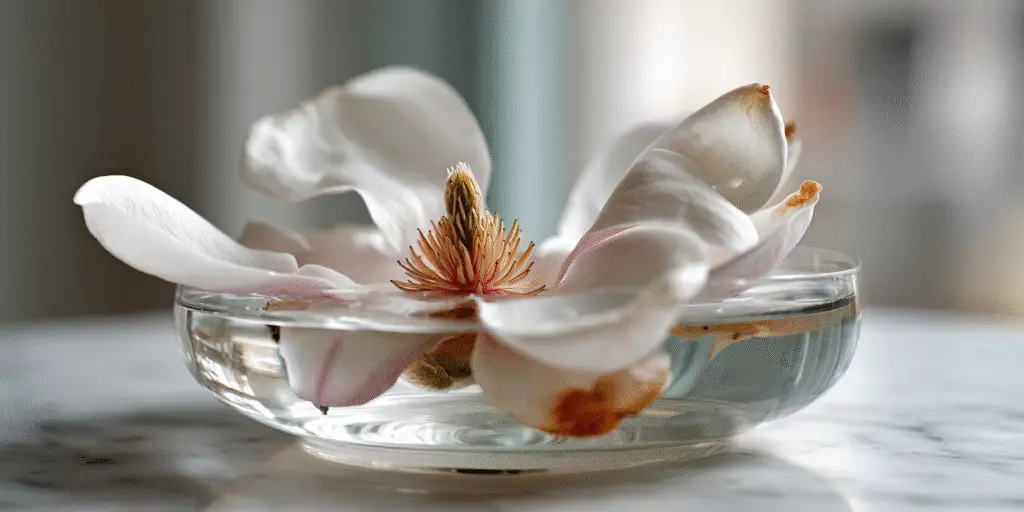
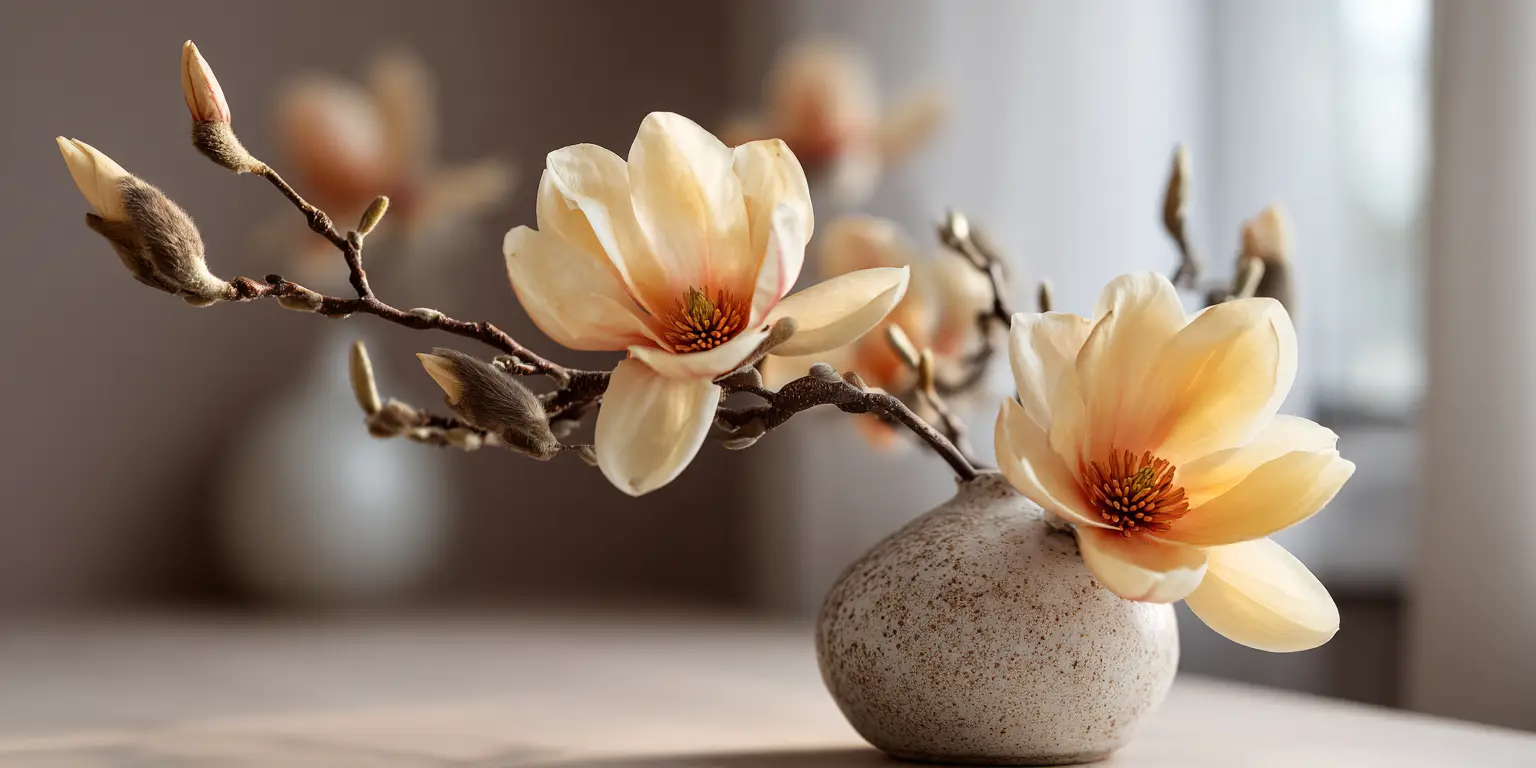
While magnolia flowers are breathtaking on the tree, they unfortunately have a relatively short vase life once cut. If you cut a fresh magnolia bloom to bring indoors, expect it to last only about a day or two at most as a perfect flower. The petals of magnolia are fleshy and delicate, once removed from the tree and placed in water, they tend to bruise and brown along the edges rather quickly. In many cases, magnolia blossoms start to wilt within 24 hours of cutting. You might extend that to 2-3 days with optimal conditioning – such as cutting the flowers in early morning, immediately placing them in cool water with floral preservative, and keeping the arrangement in a cool area away from direct sun or heat sources. Even so, magnolias are not long-lasting cut flowers compared to, say, roses or chrysanthemums. Because of this, magnolias are not commonly seen in professional floral arrangements except as very short-term display elements. Florists sometimes float magnolia blooms in shallow bowls of water as an event centerpiece, enjoying their beauty for just the duration of an event. Magnolia foliage, on the other hand, is quite long-lasting when cut – the glossy leaves can stay fresh for a week or more and are often used in wreaths and decorations. If you want to enjoy magnolia flowers indoors, one approach is to cut branches with buds and force them to open in a vase (similar to forcing forsythia or cherry blossoms). Cut them in late winter when buds are fat, and indoors they may open over a week, giving a beautiful (if brief) show. Just be mindful of the mess – as the flowers fade, the thick petals will drop. Overall, magnolia blossoms are best appreciated on the live plant, where new flowers can continually open to replace the spent ones. Their ephemeral nature in a vase makes each cut bloom a short-lived but exquisite treat.
🐛 Pests and diseases
Magnolias are generally hardy, robust plants with relatively few serious pest or disease problems. That said, there are a few issues to watch for to keep your magnolia healthy. One of the most common pests on magnolia trees is scale insects, particularly the magnolia scale. Magnolia scale is an oversized soft scale insect that attaches to twigs and sucks sap. Infestations of scale appear as oval, bump-like crusts on stems, these pests excrete sticky honeydew, which can lead to black sooty mold growing on the leaves. A bad scale infestation can weaken the tree and reduce blooming. If you notice sticky leaves or blackened moldy coating, inspect for scales. They can be managed by scrubbing off small infestations or, for larger outbreaks, applying horticultural oil or insecticidal soap according to label directions (usually in late summer or when the crawler stage is active). Apart from scale, magnolias may occasionally get aphids or thrips, which can distort new growth or flowers, but these are typically minor and often controlled by natural predators. In terms of diseases, magnolias are not highly disease-prone. A common issue in humid climates is algal leaf spot – a superficial problem where greenish gray patches (actually an algae) form on leaves. This may look concerning but rarely harms the tree, you can rake and dispose of fallen leaves to reduce it, but treatment is usually not necessary. Fungal leaf spots can occur if conditions are very wet, but again, they are mostly cosmetic. Canker or trunk wounds can sometimes trouble magnolias, especially if the bark is damaged. The bark of magnolia is thin and easily nicked by lawn equipment, which can open the door for infection – so take care to avoid mechanical injuries. Another thing to be mindful of is magnolia’s somewhat brittle wood, in areas with heavy snow or ice storms, branches can crack under weight, which is a physical damage issue rather than a disease, but those cracks should be pruned cleanly to allow the tree to heal. Root rot can affect magnolias in poorly drained, waterlogged soil, emphasizing the need for good siting. Deer generally do not prefer magnolia foliage, so they are not top on the menu, which is good news for gardeners in deer-populated areas. In summary, keep an eye out for scale insects and practice good garden sanitation (cleaning up debris, avoiding wounds) to prevent problems. A well-cared-for magnolia is quite resilient: most enjoy long lives with minimal pest or disease intervention needed. If issues do arise, they can typically be managed with proper care and timely treatment, ensuring your magnolia stays lush and blooming year after year.
FAQ
When is the best time to plant a magnolia tree?
The optimal time to plant a magnolia is during the dormant season in fall or in early spring. In most regions of the U.S., planting in fall (around late September through November, once the heat of summer has passed) gives the tree a chance to establish roots over winter. Early spring planting (as soon as the ground is workable but before the tree leafs out) is the next best window. Avoid planting in the peak of summer when heat stress is high. Always water a newly planted magnolia deeply and regularly for the first year, regardless of planting season, to help it establish. Planting during mild weather – not during extreme cold or hot spells – will reduce transplant shock and set your magnolia up for success.
How fast do magnolia trees grow?
The growth rate of magnolias is generally moderate. Most magnolia varieties are not super fast-growing trees, but they aren’t extremely slow either. On average, you might expect a young magnolia to put on about 1 to 2 feet of height per year under good conditions. Some types, like the saucer magnolia, have a moderate growth rate and can reach a decent size in 10-15 years. Others, like certain evergreen magnolias, start a bit slow but then grow steadily. Environmental factors play a big role: a magnolia planted in ideal soil with ample moisture and full sun will grow faster than one in less optimal conditions. It’s worth noting that magnolias grown from seed often take many years just to start blooming (they focus on building size first). Once a magnolia reaches maturity, the growth slows down as it puts more energy into flowering and maintaining itself. So while you won’t get instant shade from a magnolia, you will see it make noticeable gains each year, and with patience, it will become a sizable presence in the landscape.
Do magnolia trees need pruning?
Magnolias generally require little pruning and in fact prefer to be left to grow in their natural form as much as possible. These trees naturally develop an attractive shape. It’s best to avoid heavy or frequent pruning of magnolias because they have soft wood and their bark doesn’t heal easily from large cuts. However, light pruning or corrective pruning can be done if needed. If you have broken, dead, or crossing branches, you can remove those to improve the tree’s structure. The timing is important: the best time to prune most magnolias is immediately after they finish flowering. For spring-blooming deciduous magnolias, prune in late spring (early summer at the latest) once blooms fade, so you don’t cut off next year’s flower buds which form on old wood. For evergreen magnolias like Southern magnolia, pruning in late spring or early summer is also fine. When pruning, use clean, sharp tools and make cuts out to the branch collar to allow healing. Avoid cutting into large limbs unless absolutely necessary. Also, refrain from shearing or shaping magnolias like a hedge – they look best with their natural habit. In summary, prune sparingly and only as needed to remove problem limbs or gently shape the tree when it’s young. A well-placed magnolia tree should mature with a beautiful form without much pruning intervention.
Can magnolias be grown in containers or pots?
It is possible to grow certain magnolias in containers, but it requires the right variety and attentive care. Dwarf or smaller magnolia species are the best candidates for container growth – for example, a cultivar like Magnolia ‘Little Gem’ (a dwarf Southern magnolia) or a star magnolia can be grown in a large pot for a number of years. The container should be sizable (think whiskey barrel size or larger) to accommodate the magnolia’s root system, and it must have good drainage. Use a high-quality potting mix that is rich in organic matter and on the acidic side. Container magnolias will dry out faster than those in the ground, so regular watering is crucial (sometimes daily during hot weather). They will also benefit from a balanced fertilizer in spring since nutrients leach out of pots. You’ll need to monitor winter cold – the roots in a pot are more exposed to freezing temperatures, so in colder zones, consider insulating the pot or moving it to a sheltered location in winter. Over time, a container-grown magnolia may outgrow its pot, at that point you can either step it up to an even larger container or transplant it into the ground. While they are young and smaller, many magnolias can live happily in a pot on a patio, offering beautiful blooms at eye level. Just be prepared for extra watering and eventual size limitations. Large magnolia trees are not practical to keep in pots long-term, but enjoy the container phase while the plant is petite
Why isn’t my magnolia flowering?
If your magnolia is failing to bloom, there could be a few reasons to consider. First, age of the plant is a common factor – magnolias often need to reach a certain maturity before producing flowers. If you planted a young tree or grew one from seed, it may simply be too immature (some magnolias won’t bloom until they are several years old). Second, consider the sunlight: a magnolia in too much shade may not form many flower buds. Ensure it’s getting enough light, as blooming requires energy from the sun. Third, improper pruning can remove the flower buds. Remember that many magnolias form their spring bloom buds on the previous year’s growth, so if you pruned in fall or winter, you might have accidentally cut off the developing buds. Also, excessive fertilization with high-nitrogen fertilizer (like what you might use on a lawn) can spur lots of leafy growth at the expense of flowers – magnolias generally don’t need heavy fertilization. Another factor could be weather: a late frost can damage buds, preventing them from opening (so the tree did produce buds, but they were killed by cold). Lastly, the overall health and stress level of the tree matters. Drought stress or root problems can cause a magnolia to skip blooming and focus on survival. Evaluate these factors and address what you can – often the solution is patience (letting the tree age), ensuring proper light and care, and avoiding any practices that interfere with bud formation. Given the right conditions, your magnolia should eventually reward you with its gorgeous flowers.
Are magnolia roots invasive or damaging?
Magnolia tree roots are extensive but not typically considered invasive in the sense of aggressively seeking to damage structures. However, they do have some characteristics to be aware of. Magnolias tend to have wide-ranging, shallow root systems that often extend well beyond the canopy drip line. The roots nearer the surface mean that they can sometimes lift sidewalks or interfere with mowing if the tree is planted too close to paved areas. It’s wise not to plant a magnolia right next to a foundation, driveway, or sewer line – give it some space to expand. Compared to species like willows or silver maples which have notoriously invasive roots, magnolia roots grow more gently, but they will compete for water and nutrients with other plants in the vicinity. Because they are shallow, the roots also appreciate an undisturbed area (a wide mulch bed) rather than having grass up to the trunk. If you need to dig near a magnolia, do so carefully to avoid cutting major roots. In summary, magnolia roots aren’t out to crack your foundation, but the tree does need room to spread both above and below ground. Plant it at least 10 or 15 feet away from structures and you should have little to worry about. With adequate spacing, the roots will do their job supporting the tree without causing issues, and you’ll be able to enjoy your magnolia carefree.
What colors do magnolia flowers come in?
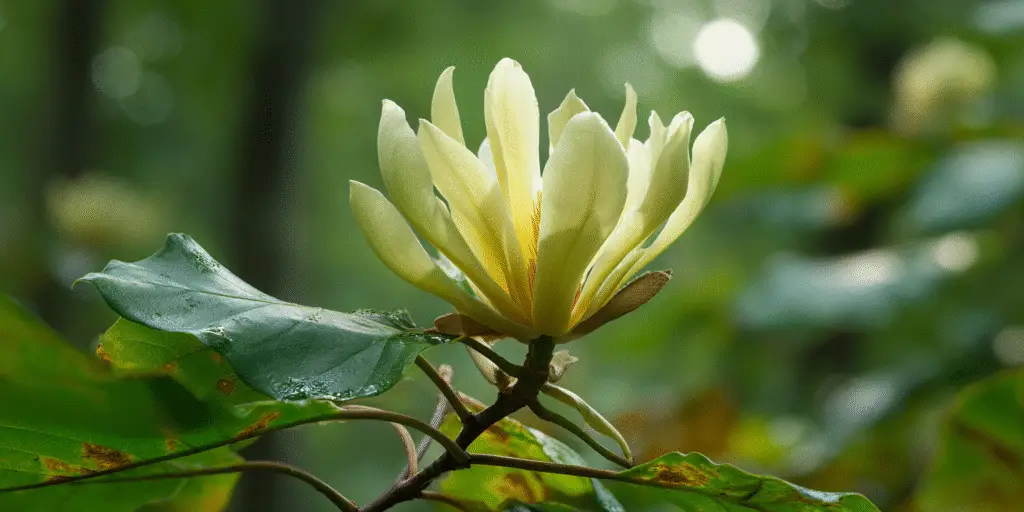
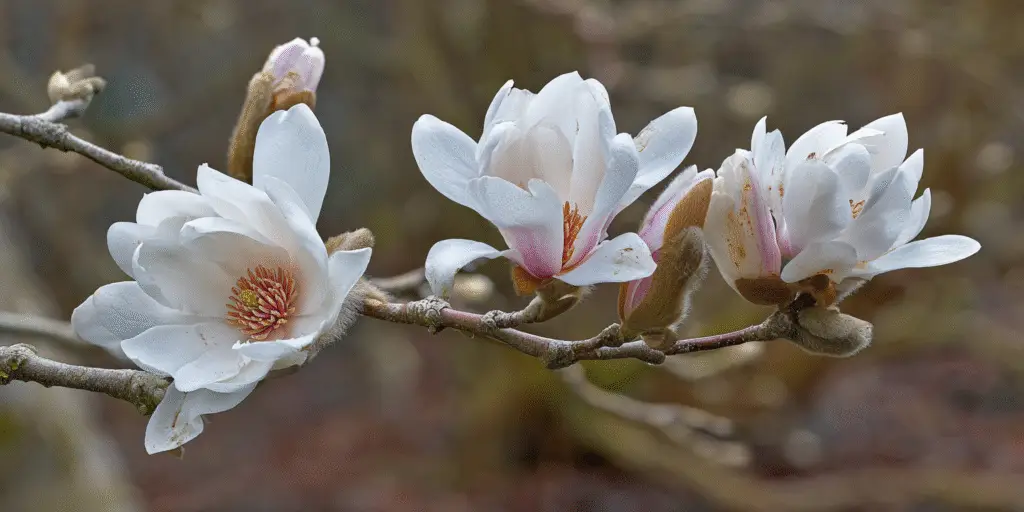
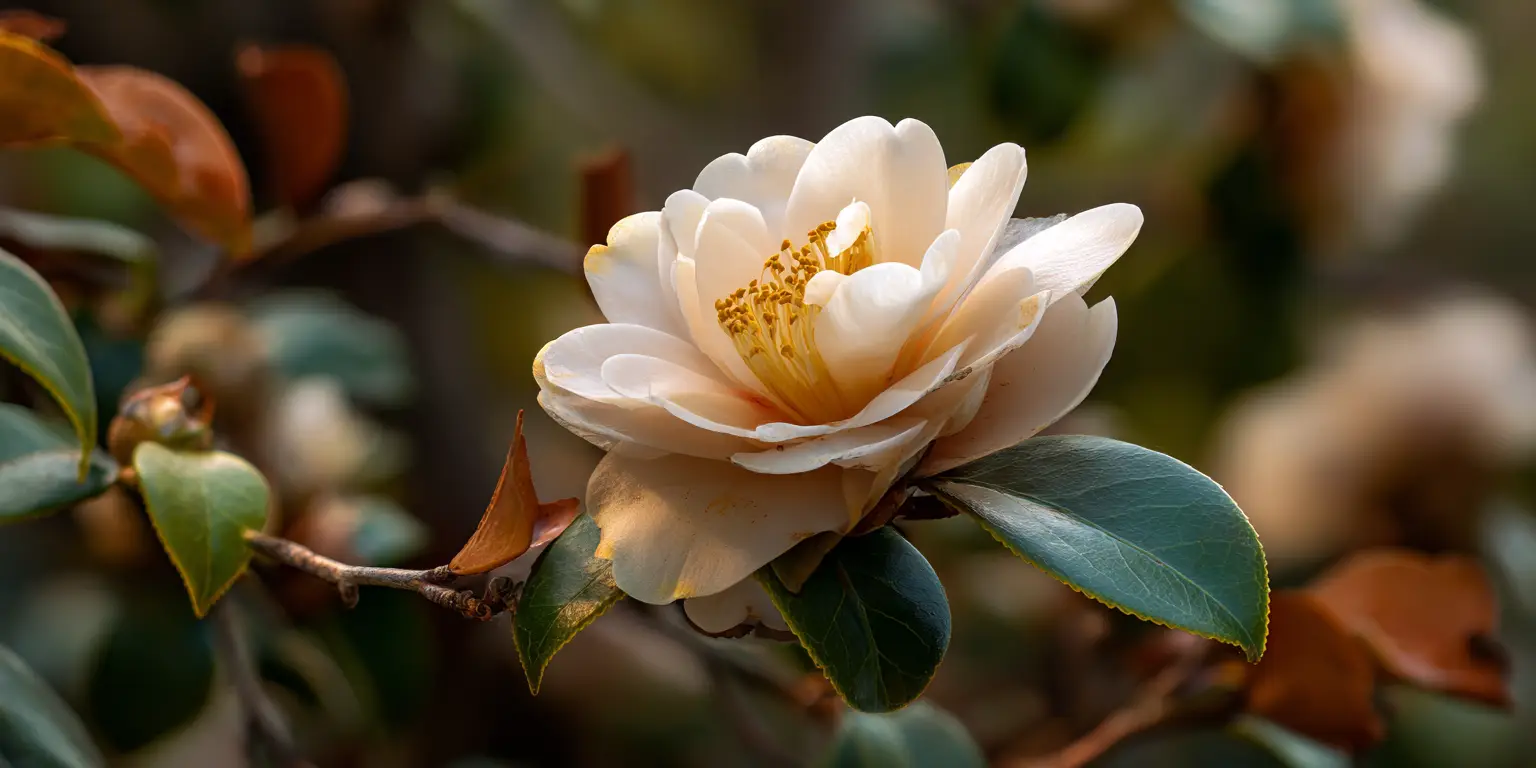
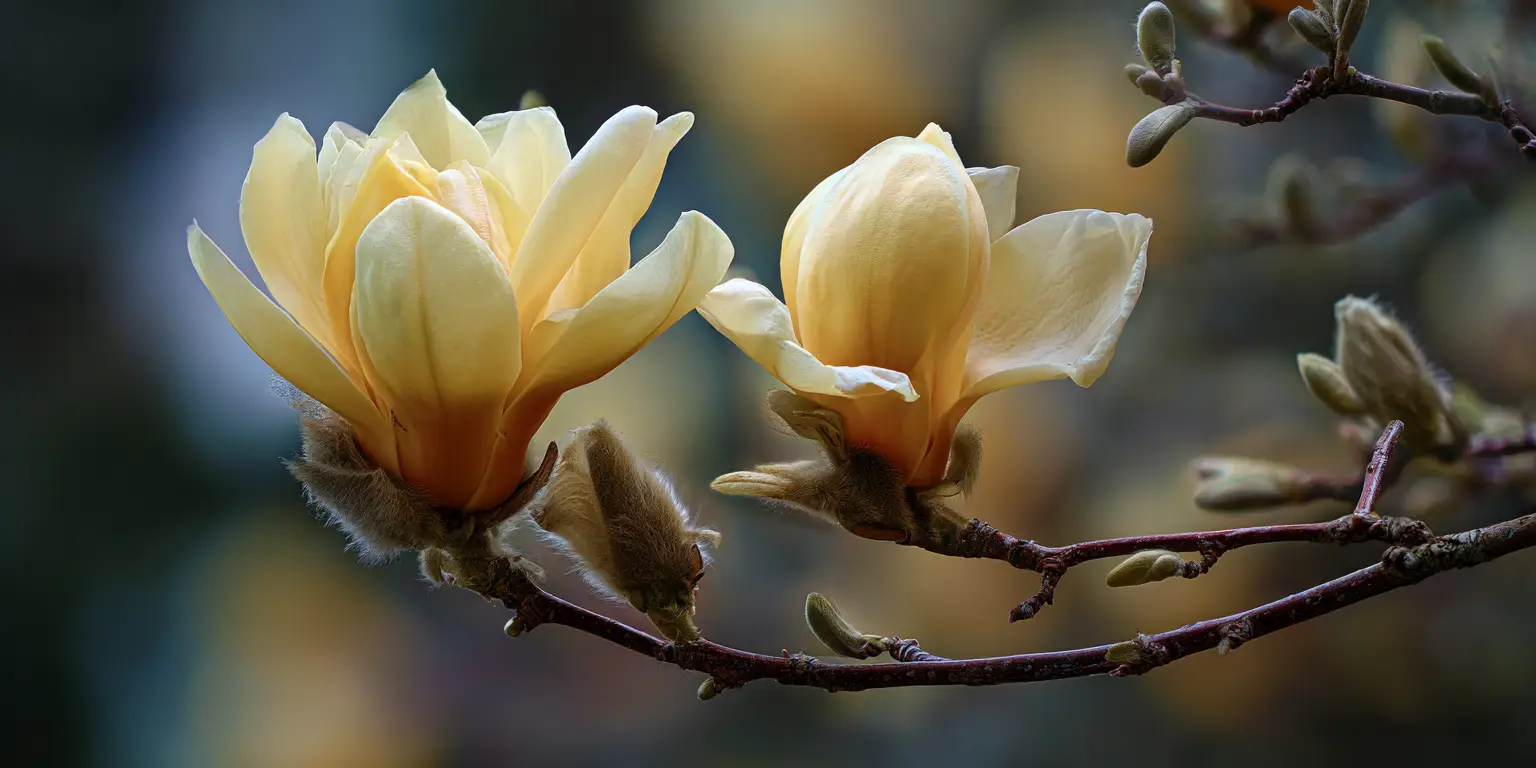
Magnolia flowers come in a surprisingly wide array of colors, though it depends on the species or hybrid. The most common hues people associate with magnolias are white and pink. Many beloved varieties, like the saucer magnolia, have blossoms that are pinkish-purple on the outside and whitish on the inside. Star magnolia flowers are usually pure white (some cultivars have a light blush of pink). Southern magnolia blooms are creamy white. Beyond those, there are magnolias with deep purple or magenta flowers (for example, the lily magnolia Magnolia liliiflora has rich purple blooms). Plant breeders have also developed magnolias with yellow flowers – a notable one is Magnolia acuminata (cucumber magnolia) which has a yellowish bloom, and its hybrids like ‘Butterflies’ or ‘Elizabeth’ magnolia that showcase clear pale yellow petals. You won’t find true blue or bright red in magnolias, blue flowers are not in this genus’s repertoire, and red tones are usually more of a pink-red or wine color in certain hybrids. Some magnolias that are described as “red” are often a deep rosy pink. There are even green-tinged magnolia blooms (for instance, the flowers of some varieties have a subtle greenish cream color). So, while the classic magnolia look might be a white or pink blossom on a tree, gardeners have many options ranging from ivory and blush, to purple and yellow. The foliage of the tree doesn’t affect flower color, but soil pH doesn’t either – unlike some flowers that change with pH, magnolia colors are fixed by genetics. When choosing a magnolia, look at pictures or see it in bloom if possible, to ensure you get the color you desire in your landscape.
How long do magnolia trees live?
Magnolia trees are known for their longevity. Many magnolias can live for decades, and some become century-old giants. The lifespan can vary by species and environment. For example, Southern magnolias often live on the order of 80 to 120 years in good conditions, and there are records of some living well past 150 years. Deciduous magnolias like saucer magnolia might have a slightly shorter typical lifespan (perhaps 50 to 100 years), but with ideal care, they too can live a very long time. Factors such as climate, diseases, and growing conditions will influence how long an individual tree lives. A magnolia in a well-tended garden with proper soil, water, and protection from severe injury can outlive one in a harsher street or urban environment. One reason magnolias tend to live long is that they don’t have many fatal pests or diseases that shorten their life drastically – as long as their basic needs are met and they avoid major physical damage, they just keep growing year after year. When you plant a magnolia, you can think of it as a legacy tree. It’s quite possible that the tree will be around for your children or even grandchildren to enjoy. To help a magnolia achieve its full lifespan, plant it in a suitable spot (where it won’t need to be moved or heavily pruned) and take care of it with proper watering and mulching. Given time, a magnolia can become a venerable old tree, adding beauty to the landscape generation after generation.
Are magnolia flowers used for anything besides ornamentals?
While magnolias are primarily grown for their ornamental appeal, they do have a few other uses, especially in cultural or traditional contexts. In the realm of cut flowers, magnolias are not commonly used in bouquets due to their short vase life, but magnolia leaves are often used by florists for greenery in arrangements and wreaths (the leaves are sturdy, shiny, and can be preserved or fresh for decorations). In some cultures, magnolia blossoms have symbolic meanings, for instance, in parts of Asia, magnolia flowers can symbolize purity and nobility, and you might see them in wedding decorations or other ceremonies. Magnolia petals and buds have been used in traditional herbal medicine (particularly in Chinese medicine, magnolia bark – called houpo – is used for certain remedies, and flower buds of Magnolia denudata are used to treat sinus issues). The fragrance of some magnolias, especially Magnolia champaca, has been harnessed in perfumery – the famous “Joy” perfume originally contained essence of magnolia champaca flowers. Additionally, the wood of magnolia trees, such as Southern magnolia, is sometimes used in woodworking (it’s a reasonably hard, fine-grained wood used for furniture or veneer, though it’s not a major commercial timber). Magnolia trees also provide ecological benefits: their flowers supply pollen to beetles and other pollinators, and their seeds (bright red arils) are eaten by birds and small mammals in late summer, helping wildlife. So, while you’re most likely to plant magnolia simply to enjoy its beauty and shade, it’s interesting to know that this tree has practical and cultural roles beyond just looking lovely in a garden.
Interesting tips
- Ancient Origins: Magnolias are often called “living fossils.” They evolved before bees, which is why their flowers are adapted to be pollinated by beetles. You might notice magnolia blooms have thick, waxy tepals – this sturdy construction is thought to protect the flower from crawling beetles as they do their pollinating work.
- Mulch for Success: Magnolia trees have shallow roots that benefit from a layer of mulch. Keep a wide ring of mulch (wood chips or bark) under the tree out to the drip line. This conserves moisture, keeps weeds down, and prevents lawn mowers from getting too close. Just leave a few inches of space bare around the trunk to avoid rot.
- Protecting Blooms: If you have a magnolia that blooms in very early spring, watch the weather. When a late frost is forecast during bloom time, you can throw a lightweight sheet or frost cloth over smaller magnolia trees overnight to help protect the delicate flowers from freezing. Uncover in the morning once temperatures rise.
- Transplanting Caution: Plan your magnolia’s location wisely. Magnolias generally do not like to be moved once established – they have fleshy roots that don’t respond well to transplant shock. It’s best to plant it in a spot you know will be its forever home. If you must transplant, do it when the tree is small and during the dormant season for the best chance of success.
- Companion Planting: Magnolias cast light shade under their canopy, especially the deciduous kinds after they leaf out. Consider underplanting your magnolia with shade-tolerant, shallow-rooted plants like hostas or spring bulbs. Also, magnolia blossoms are short-lived, to extend your garden’s flower show, pair magnolias with later-blooming shrubs – for example, after the magnolia’s spring display, lilacs or hydrangea macrophylla can take over with summer color, giving continuous interest.
- Minimal Fuss: One great thing about magnolias is that they’re relatively low-maintenance. They don’t need heavy fertilizing or constant care. In fact, overdoing it (too much fertilizer or water) can harm more than help. Usually, an established magnolia gets by with just a yearly spring feed of an all-purpose or slightly acidifying fertilizer and regular watering during dry spells. Simplicity is key – plant it right, then let it do its thing!
- Enjoy the Wildlife: Don’t be surprised if you see squirrels or birds investigating your magnolia in late summer. Magnolia seed pods, when they split open, reveal bright red seeds that are attractive to wildlife. Cardinals, finches, and other birds may come to snag a seed. These seeds aren’t harmful to pets, and it can be fun to watch nature enjoy the tree almost as much as you do. And when the petals fall, you can rake them up and add them to your compost – they’ll break down into rich organic matter.
Related Guides & Flowers
- Camellia – Evergreen shrub with large, waxy blossoms that echo Magnolia’s bold form in acid soils and part shade.
- Azaleas – Classic woodland companions for spring displays; thrive in the same acidic, well-drained conditions.
- Lilacs – Fragrant spring shrubs that overlap Magnolia’s early season in cooler regions; great for scent layers.
- Hydrangea macrophylla – Big summer heads extend color after Magnolia’s bloom, keeping the border showy.
- Forsythia – Earliest golden bloom signals spring and pairs well with Magnolia’s bud-to-bloom moment.
- Virginia Bluebells – Woodland perennial that carpets beneath deciduous Magnolias before leaf-out.
- Love-in-a-Mist (Nigella) – Airy, low annual that softens bed edges near Magnolia and fills the shoulder season.
- Hibiscus – Large, dramatic flowers that continue the “big-petal” look into late summer.
References
- Clemson University HGIC: “Magnolia” – Practical overview of species, flowering habits, and culture; notes on long juvenile period from seed.
- UF/IFAS EDIS: “Magnolia grandiflora: Southern Magnolia (ST371)” – Site selection, soil pH, moisture, and drought-tolerance nuances specific to Southern Magnolia.
- NC State Extension Plant Toolbox: “Magnolia” – Genus-level profile with uses and key problems including magnolia scale, verticillium wilt, and chlorosis on high-pH soils.
- Missouri Botanical Garden Plant Finder: “Magnolia grandiflora” – Detailed botanic notes, size, habit, and native range; helpful for accurate specs.
- ASPCA: “Magnolia Bush (Magnolia stellata)” – Pet safety reference indicating magnolias are non-toxic to dogs, cats, and horses; useful for a toxicity line.
Written by: Your Flowers Guide editorial team
We are a small independent group of flower lovers who research and review each guide using trusted horticultural and educational sources. Learn more about us