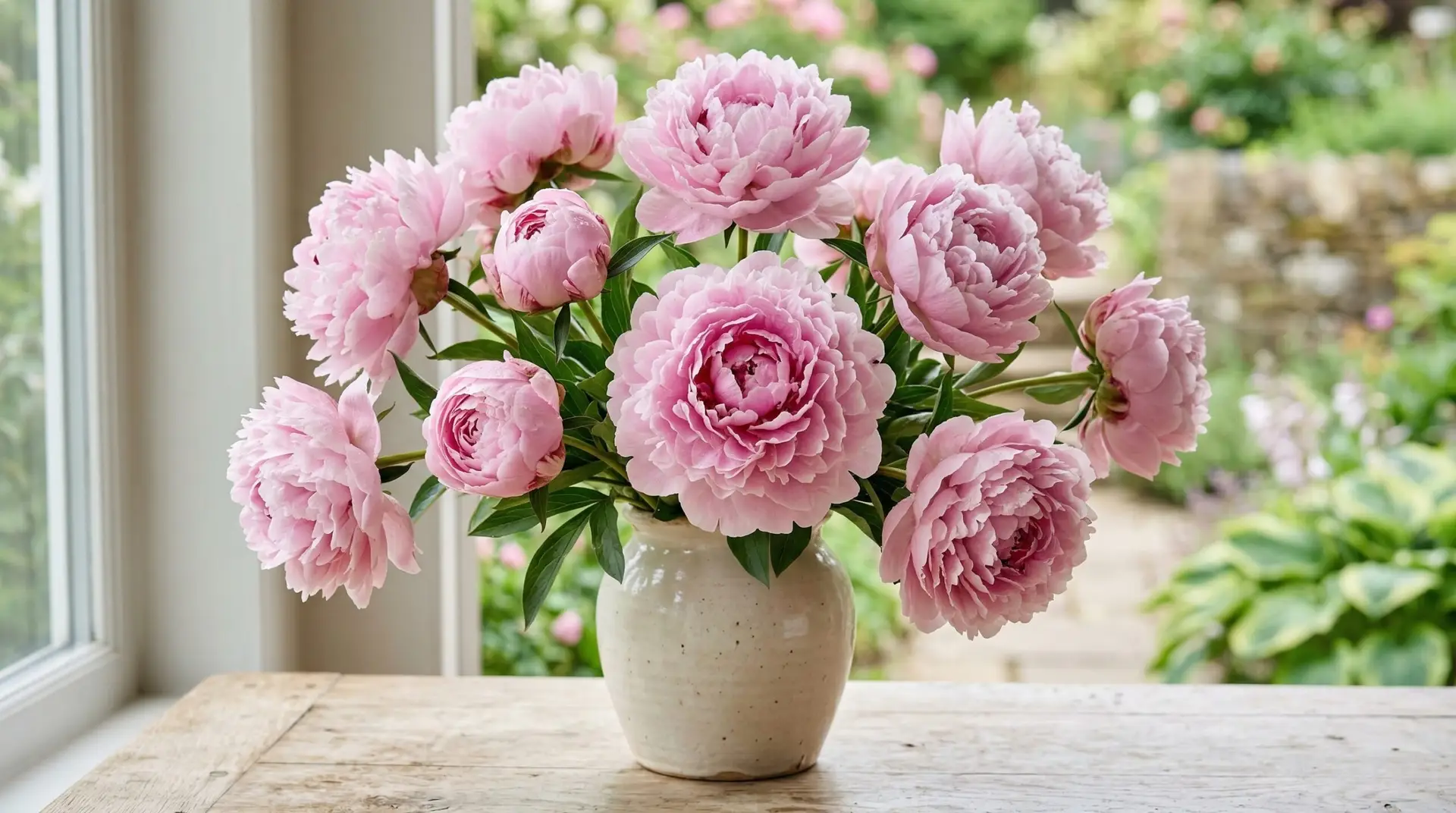
The catalog of available peonies is vast, filled with thousands of registered cultivars that span centuries of breeding. When faced with such an overwhelming selection, gardeners often default to whatever is available at the local nursery. A better approach is to be highly selective, treating your garden space as a gallery that only accepts the most reliable and rewarding performers. Many comprehensive guides attempt to catalog every possible color and form, but that approach dilutes the quality of the information. By narrowing our focus to a handful of exceptional herbaceous and intersectional hybrids, we can examine exactly what makes certain types of peonies worth the investment of time and soil.
Before looking at specific cultivars, we must establish a boundary for this collection. You will notice the absence of tree peonies in this curation, a deliberate omission based on their entirely different growth habits and pruning requirements. While tree peonies produce massive blooms on woody stems, they require a different level of patience and specific climate conditions that make them less universally successful. Herbaceous peonies die back to the ground every winter and return with predictable vigor, while Itoh hybrids combine the best traits of both categories. Focusing on these two categories provides the most practical and reliable options for the average garden bed.
Contents 3 sections
The standard bearers of herbaceous types
No curation of best peonies can ignore Sarah Bernhardt, a double pink herbaceous variety introduced over a century ago. Many modern gardeners dismiss it as too common, but its enduring presence in the horticultural trade is built on an ironclad constitution. The blooms are massive, heavily petaled, and carry a classic fragrance that newer hybrids often lack. Its primary flaw is well documented, as those enormous double blooms will pull the stems down to the mud after a heavy spring rain. We tolerate the need for staking because the sheer volume and quality of the late-season flowers remain unmatched by contemporary pink substitutes.
If Sarah Bernhardt is the essential pink, Festiva Maxima occupies the same foundational role for white peonies. Introduced in the middle of the nineteenth century, this variety produces large white double blooms marked by unexpected crimson flecks near the center. I frequently see newer white double varieties promoted in catalogs, yet they consistently underperform when compared to the vigor of this antique cultivar. Festiva Maxima establishes quickly, produces flowers reliably even in less than perfect soil, and carries a strong, clean fragrance. It requires the same mechanical support as any heavy double, but the visual reward of those crimson-splashed petals justifies the effort of placing a peony ring in early spring.
Moving away from the soft pastels, Kansas provides a necessary anchor of deep, saturated color in the spring garden. This variety produces brilliant carmine red blooms on stems that are notably stronger than those of older red cultivars. Many dark peony varieties suffer from weak necks or blooms that fade to an unappealing purple-brown under strong sunlight. Kansas holds its bright, clean color until the petals drop, making it a superior choice for both landscape impact and cutting. The foliage also remains clean and dark green long after the flowering period ends, providing an excellent backdrop for later blooming plants like a dahlia or late summer perennial.
Shifting forms and modern colors
The obsession with heavy double blooms often blinds gardeners to the structural advantages of the Japanese flower form. Bowl of Beauty is my primary recommendation for anyone tired of staking their plants, as its lighter flowers stand completely upright regardless of the weather. The blooms consist of a cup of fuchsia-pink guard petals surrounding a prominent center of pale yellow petaloids. This contrasting structure creates a visual lightness that heavy doubles cannot achieve. Because the flowers shed water easily rather than holding it like a sponge, Bowl of Beauty maintains its upright posture through heavy spring storms without any artificial support.
The introduction of coral genetics fundamentally changed the color palette available to peony growers. Coral Charm remains the most compelling of these early-blooming hybrids because of its fascinating color evolution. The semi-double flowers open as an intense coral peach and gradually fade through shades of tangerine and pale yellow before finishing as a soft cream. This shifting characteristic creates a dynamic display where a single mature plant will hold flowers in three or four different color stages simultaneously. The stems are thick and sturdy, requiring no staking, and the early bloom time bridges the gap between spring bulbs and the first flush of a rose bush.
The intersectional advantage
The most significant advancement in modern peony breeding is the development of Itoh, or intersectional, hybrids. These plants are created by crossing herbaceous peonies with tree peonies, resulting in plants that die back to the ground in winter but produce the large, exotic blooms and sturdy stems of their tree parent. Bartzella is the undisputed masterpiece of this category, producing massive sulfur-yellow blossoms with soft red flares at the center. Yellow was a color largely absent from reliable herbaceous peonies until these intersectional crosses became widely available. The foliage is deeply cut and remains pristine until frost, looking more like a small, elegant shrub than a typical dying herbaceous perennial.
While every variety in this curation deserves a place in a thoughtful garden, Bartzella is the ultimate recommendation. It eliminates every common complaint associated with growing peonies, offering stems that never flop, foliage that never looks tired, and a bloom color that commands absolute attention. The initial purchase price of an Itoh hybrid is often higher than a traditional herbaceous variety, but the return on investment is immediate and lasting. You get the romantic scale of the antique varieties combined with the structural integrity of modern breeding. If you only have space to plant one peony, Bartzella provides a flawless performance that the older classics simply cannot match.
More About Peonies
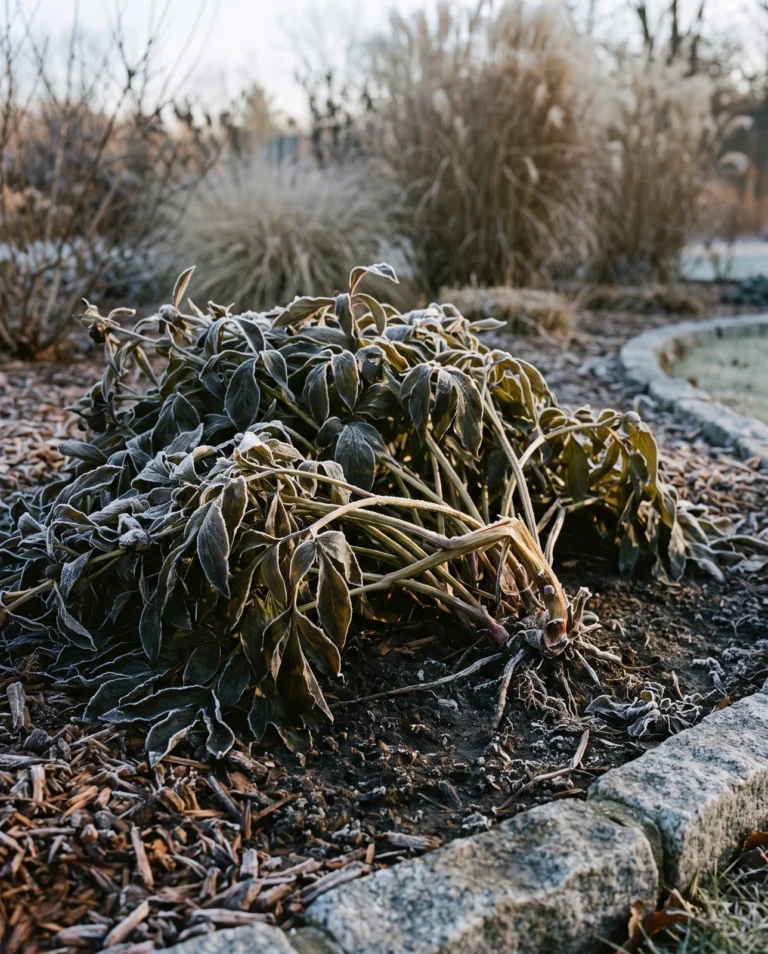
When to cut back peonies (and which ones to leave alone)
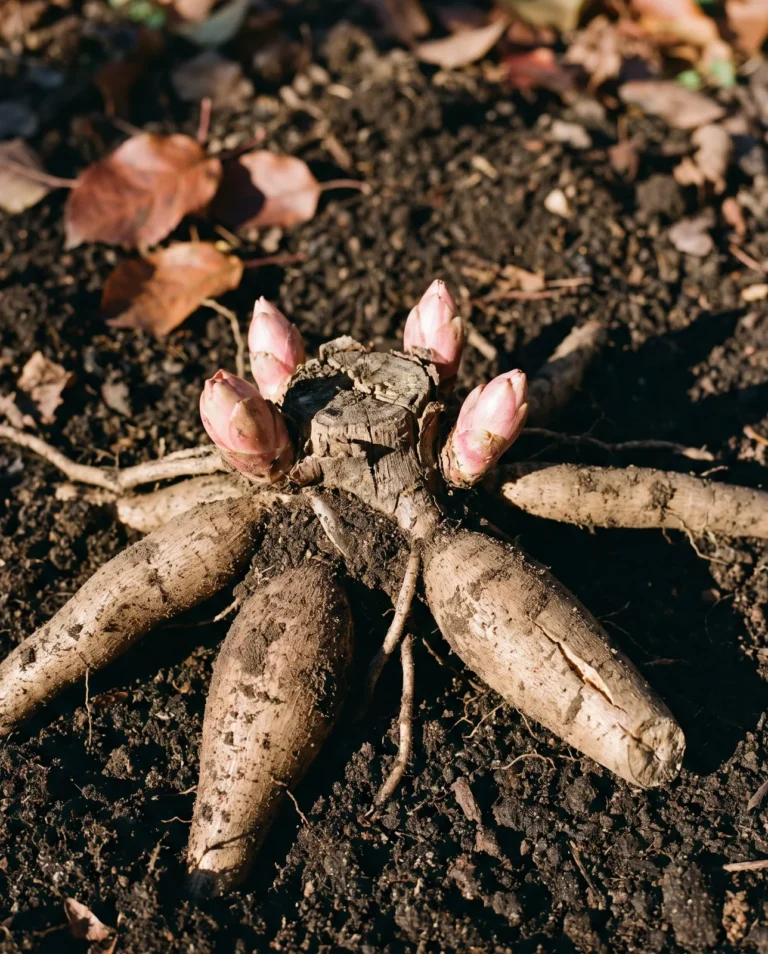
Planting peonies in fall: the depth that decides blooms
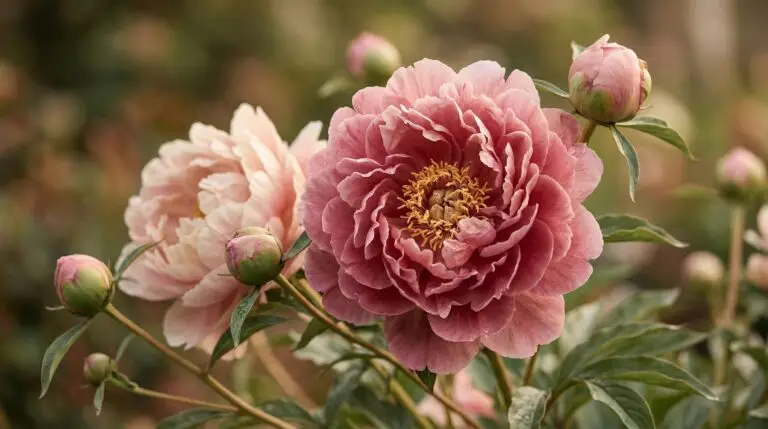
Peony flower meaning and why this bloom represents romance prosperity and good fortune
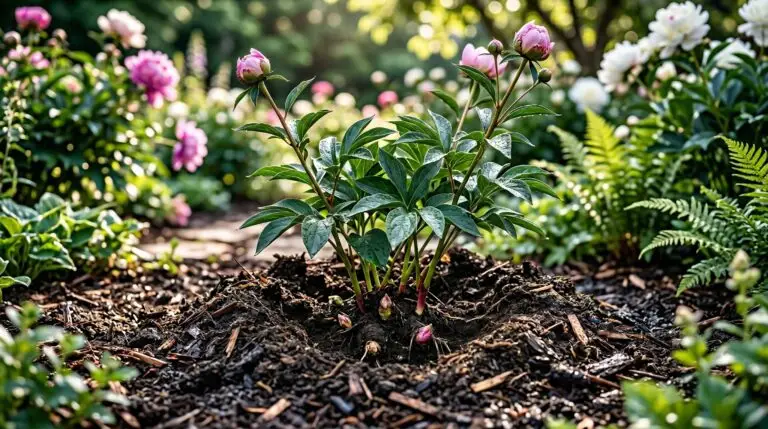
Why peonies fail to bloom and the planting depth mistake that keeps them flowerless
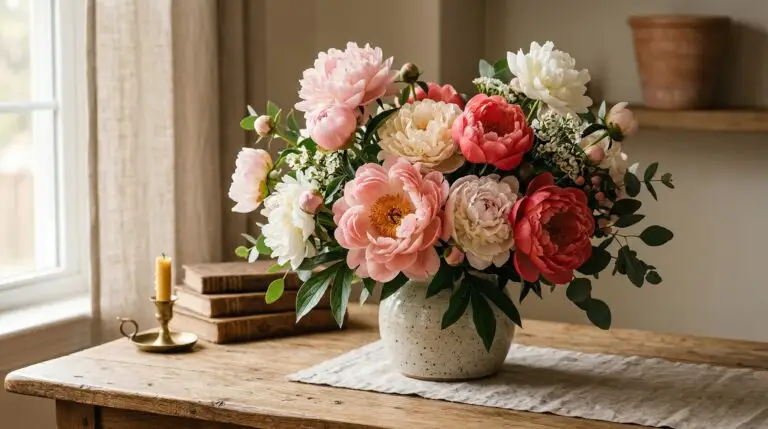
Peonies as the most coveted wedding flower and why brides pay premium for peony season
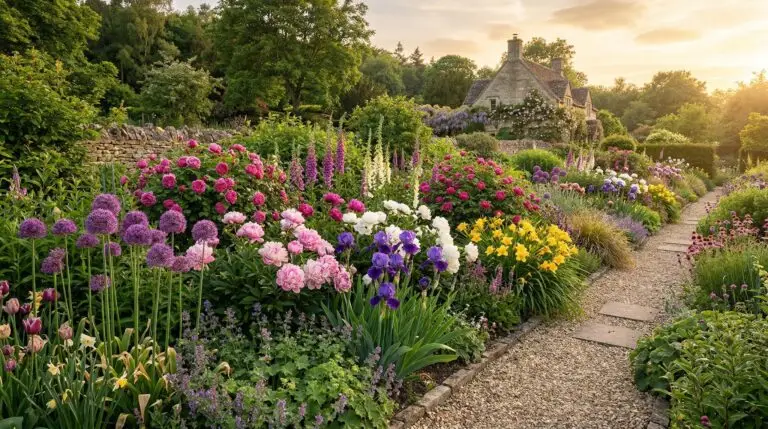
Companion plants for peonies that extend the beauty season beyond peony’s brief moment
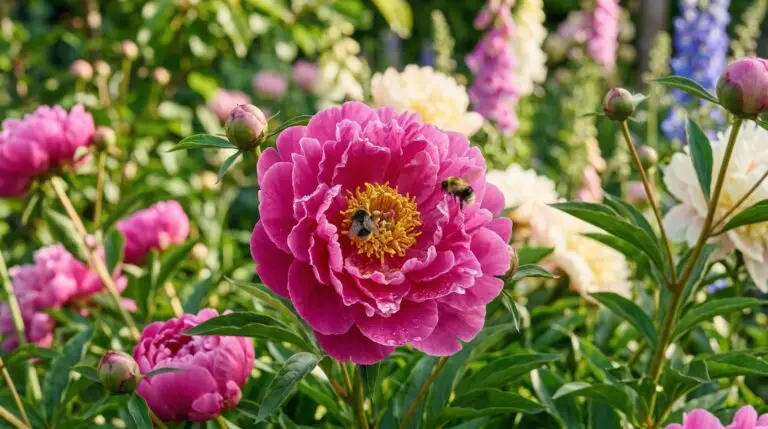
Why peonies need ants and the truth about the ant myth that refuses to die
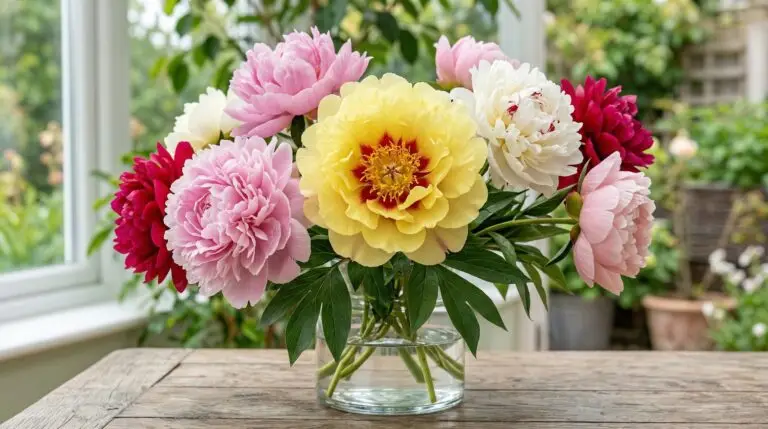
Itoh peonies the hybrid breakthrough that gives the best of both herbaceous and tree peonies
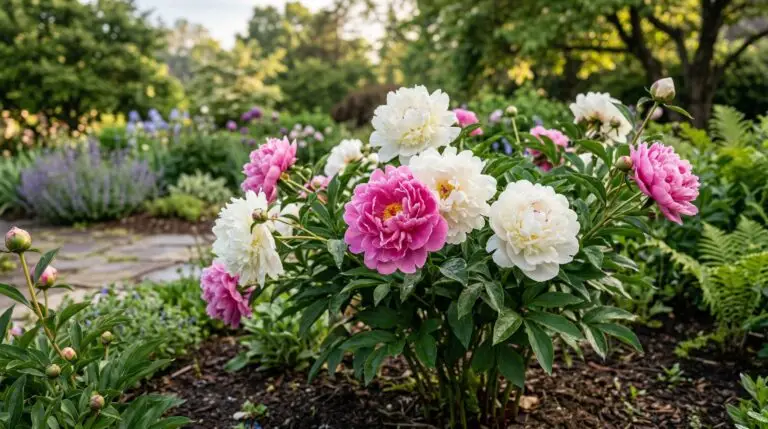
Growing peonies in warm climates and the chill-hour challenge in zones 8 and above
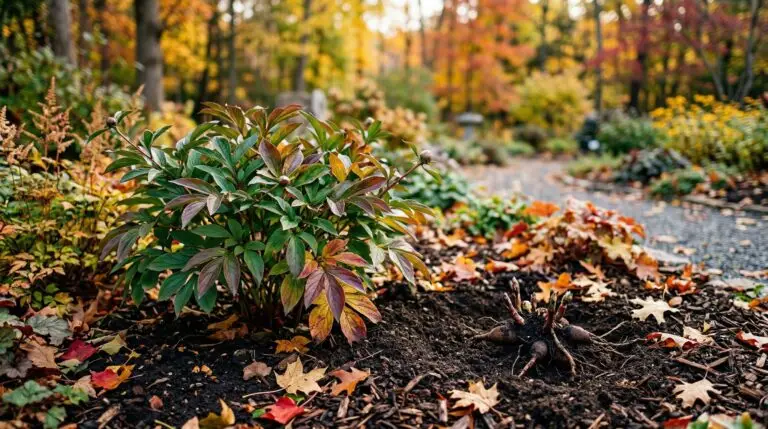
How to grow peonies for lush romantic blooms that last a lifetime in your garden
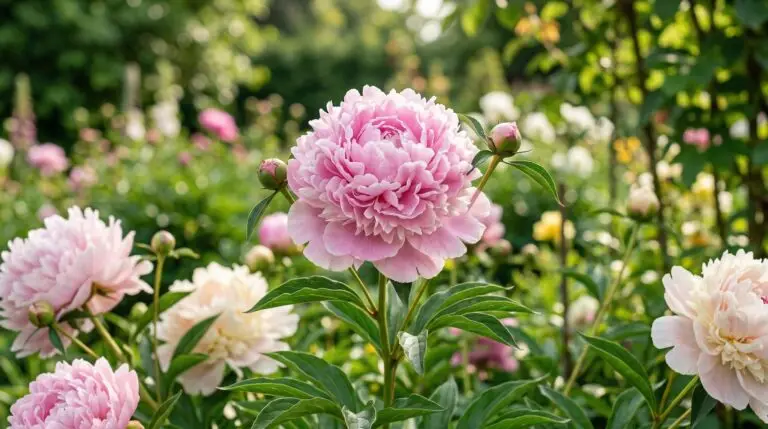
Cutting peonies at the perfect marshmallow stage for the longest vase life
Enjoying our flower guides? Add YourFlowersGuide as a preferred source on Google. It helps more readers find us.
Add to Preferred Sources