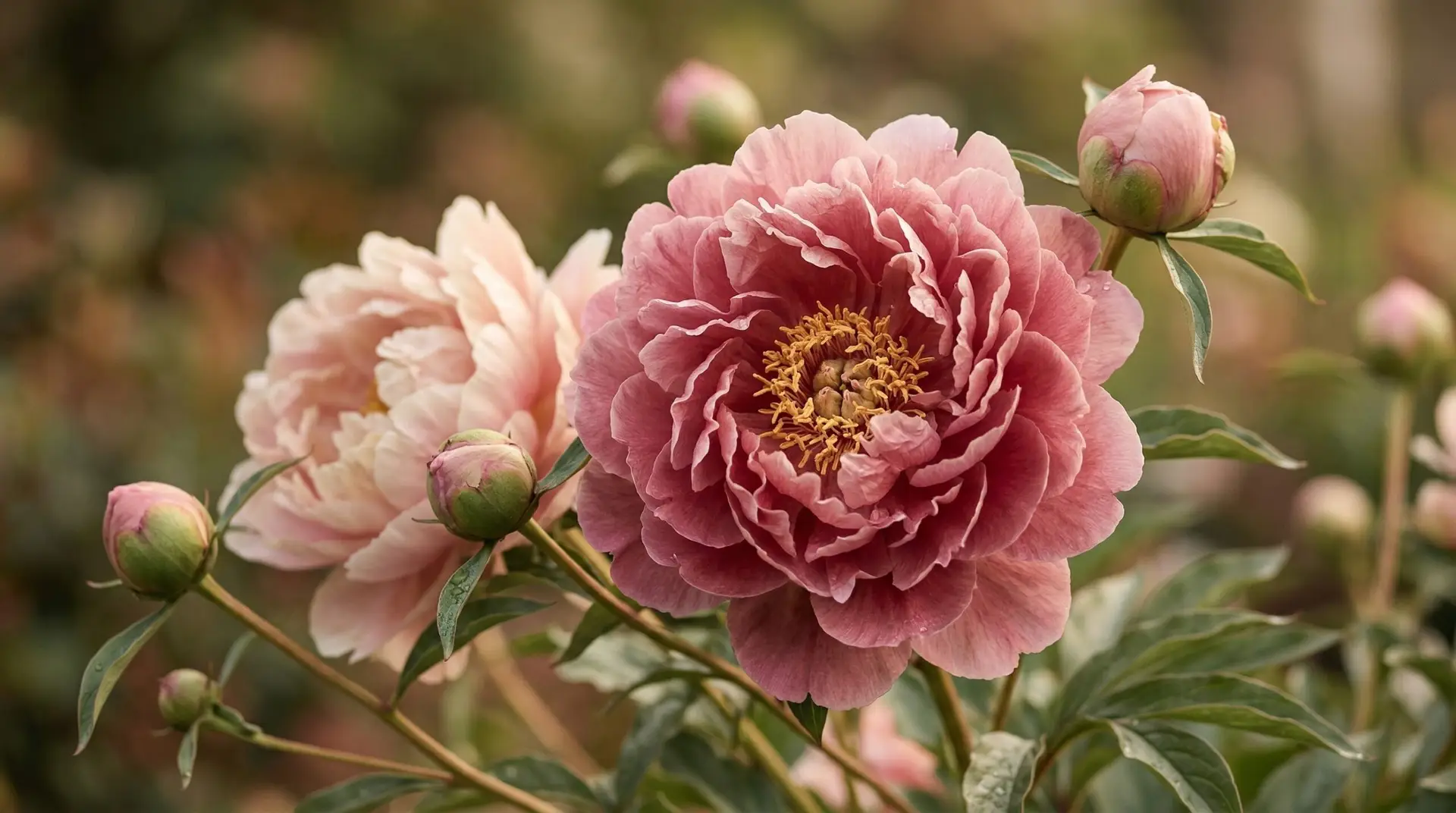
Long before the heavy blooms weigh down their stems, the peony begins its story as a cluster of crimson shoots pushing through the half-frozen spring soil. These early stalks look almost alien against the bare earth, rising with a quiet determination that hints at the massive flowers to come. In imperial China, gardeners watched this same spring ritual unfold within the walls of palace courtyards, where the plant became known as the king of flowers. The emperors of the Tang Dynasty cultivated these blooms so obsessively that the flowers became the literal face of wealth and honor. Citizens would pay exorbitant sums for a single root of a rare variety, treating the plants as family heirlooms passed across generations. To own a peony was to hold a piece of prosperity in your hands, a living symbol of good fortune that returned reliably year after year. The roots were divided and shared among merchants and nobles, and this practice slowly spread the plant’s reputation across the vast empire. Even today, the peony meaning carries this centuries-old association with abundance, rooted in those ancient gardens where royalty walked among the blooming shrubs.
The story of the peony flower language stretches far beyond the imperial gardens of the East, winding its way into the rugged hills of the Mediterranean. According to Greek mythology, the plant takes its name from Paeon, a mortal physician who tended to the wounds of the gods. When Paeon used a special root to cure Pluto of a battle injury, his teacher Asclepius grew violently jealous of the student’s healing skill. To save the young doctor from his teacher’s wrath, Zeus transformed Paeon into the very flower he had used to heal the underworld king. This myth embedded the plant with a deep association with healing and protection, a meaning that traveled alongside the roots as they made their way across the ancient world. Medieval herbalists eventually cultivated the plant in cloister gardens, grinding the hard, dark seeds and fleshy roots to treat stomach ailments and bad dreams. The flower became a protector of the household, a botanical guardian standing watch at the edge of the medicinal herb bed. People would string the carved roots into necklaces for children, and they believed the protective magic of the ancient Greek physician still pulsed through the plant’s veins.
Contents 3 sections
Bravery and the language of the garden
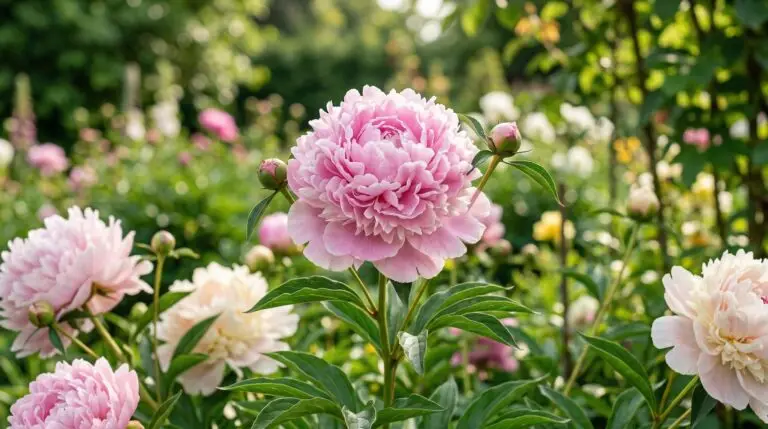
As the tightly wrapped buds swell in the late spring sun, they attract ants that march across the green sepals to drink the sweet nectar. This quiet relationship between insect and plant mirrors the complex ways different cultures interpreted the blooming process. When the flower made its way across the sea to Japan, it shed some of its purely medicinal reputation and took on a much fiercer symbolism. Japanese artists and gardeners began to associate the massive, heavy heads of the blooms with bravery and a fearless attitude toward life. The flower frequently appeared in traditional tattoos alongside lions and dragons, a pairing that represented a careful balance between fierce courage and fleeting beauty. A samurai might appreciate the blossom precisely because it blooms so extravagantly and then shatters completely in a strong wind, much like a warrior giving their all in a single moment. This is a stark contrast to the quiet resilience of a chrysanthemum, offering instead a loud, unapologetic display of courage that demands immediate attention. The sheer size of the open blossom defies the heavy spring rains, holding its heavy head high until the very last petal falls to the mud.
Colors of romance and lasting devotion
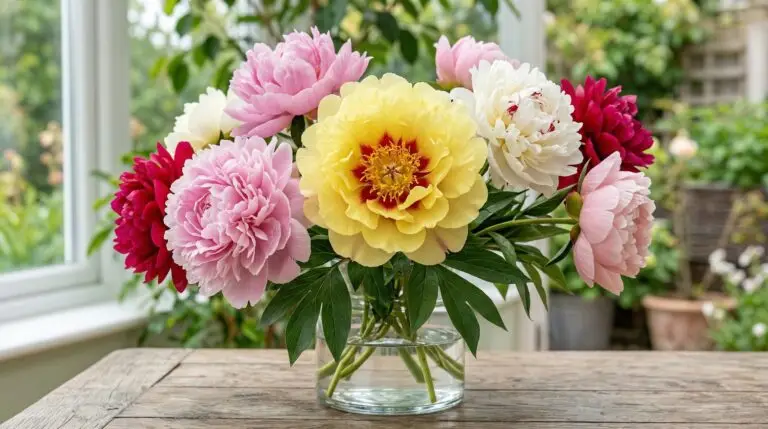
The actual opening of the flower happens almost overnight, transforming a garden bed into a mass of heavy, ruffled petals. This dramatic unfolding is exactly why the peony symbolism is deeply tied to romance and matters of the heart. During the Victorian era, when strict social rules prevented people from speaking openly about their affections, a carefully chosen bouquet did the talking for them. Giving a pink peony signaled a bashful, almost timid kind of love, the sort of quiet infatuation that grows over time. A deep red bloom carried a much heavier weight because it communicated deep respect and a passionate devotion that bordered on reverence. White varieties opened like pale clouds against the dark green foliage to represent sincerity and the pure intentions of the person offering the gift. Couples still lean on this historical flower language today, making it the traditional flower for a twelfth wedding anniversary. Reaching twelve years of marriage requires the same kind of deep roots and steady patience needed to grow a thriving garden. This shared need for time and care makes the long-lived shrub a perfect marker for lasting love.
Gardeners often plant these heavy bloomers alongside other classic romantic flowers and create beds entirely devoted to the language of love. While a rose might communicate immediate passion with its sharp thorns and tight buds, the peony speaks of a softer, more enveloping kind of affection. The sheer volume of the petals creates a sense of luxury and comfort, and the stems lack the defensive prickles of other romantic shrubs. Similarly, while a lily commands attention with its strong fragrance and architectural shape, the ruffled blooms we are discussing invite people to lean in closer and bury their faces in the soft folds. We choose one over the other based on the exact message we want to send. The massive size of a mature blossom makes it impossible to ignore, so any sentiment attached to it arrives with absolute clarity. A gardener who cuts a few stems to bring indoors fills a room with a soft, clean scent that lingers long after the sun goes down.
The lasting legacy of a long lived plant
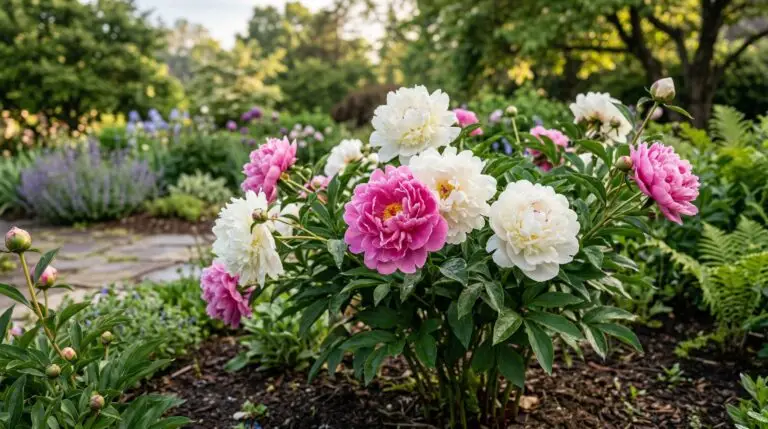
By the time summer heat sets in, the grand display comes to an end, and the massive petals drop to the earth in a colorful ring around the base of the plant. The stems remain and form a sturdy green bush that will quietly gather energy through the long, hot months. This life cycle is the true source of the plant’s connection to prosperity and good fortune, grounded in the physical reality of how it grows. A single plant can live for fifty years or more and outlast the person who originally dug the hole and settled the roots into the soil. When you plant one of these shrubs, you are making an investment in the future, and you lay down a foundation of beauty that will compound with each passing season. The clump grows wider, the roots dig deeper, and the number of flowers multiplies. This slow expansion offers a literal representation of wealth accumulating over time. It requires patience and a willingness to look past the bare dirt of winter, and you must trust that the crimson shoots will return when the ground thaws. The gardener who tends to these roots is participating in a ritual of optimism and banks on the promise of future springs.
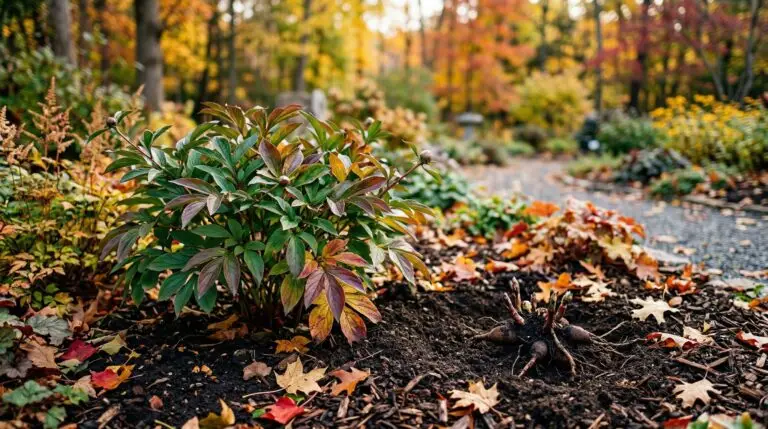
Every autumn, as the foliage turns yellow and finally collapses under the first hard frost, the gardener must cut the stems back to the earth. The garden looks empty, but beneath the surface, the thick storage roots hold the memories of ancient Greek healers, Chinese emperors, and Victorian lovers. When you walk past that bare spot in the January cold, you know exactly what is waiting just below the frost line. You are waiting for a living piece of history to wake up and repeat its ancient cycle. The quiet promise of those hidden roots connects your small patch of soil to centuries of human hope, romance, and the simple desire to see something beautiful return to the light.
More About Peonies
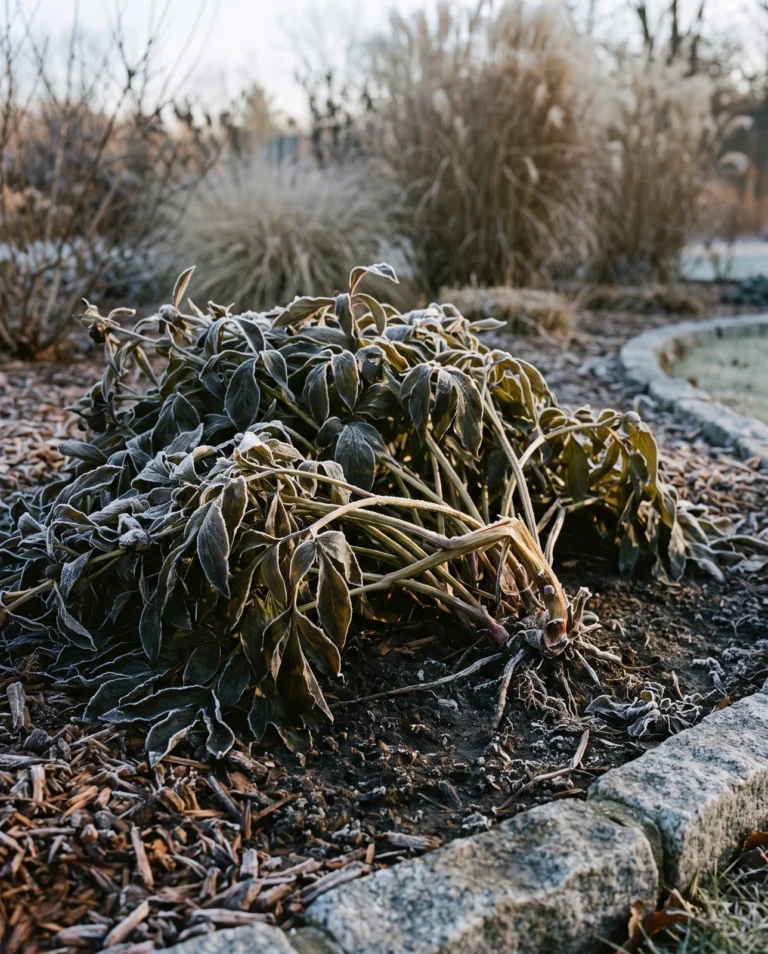
When to cut back peonies (and which ones to leave alone)
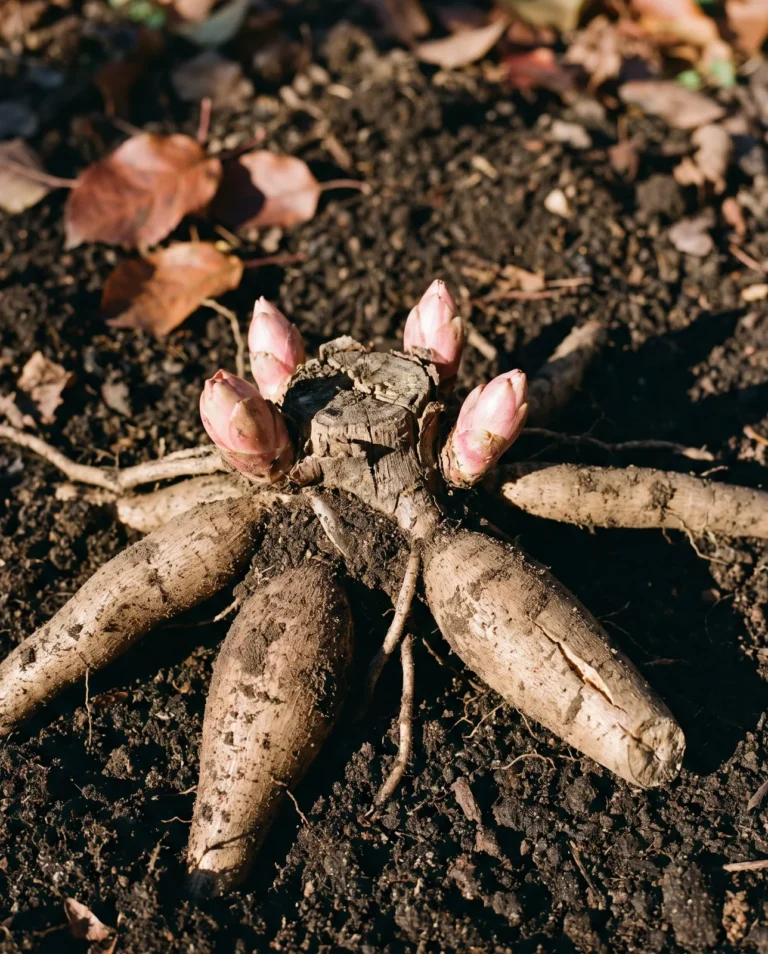
Planting peonies in fall: the depth that decides blooms
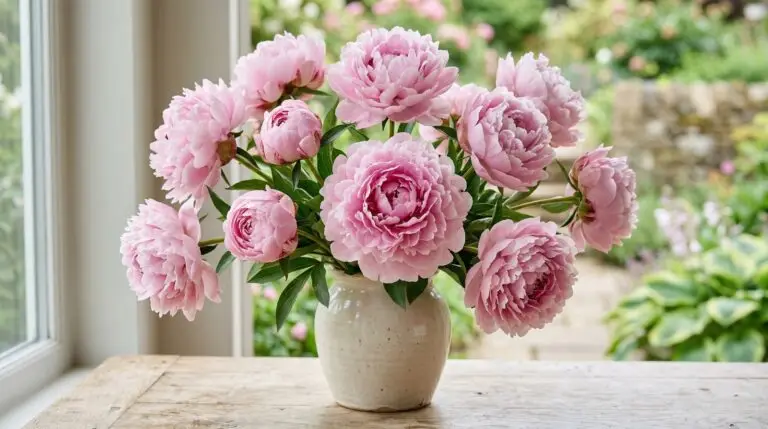
Best peony varieties from classic Sarah Bernhardt to trendy Coral Charm
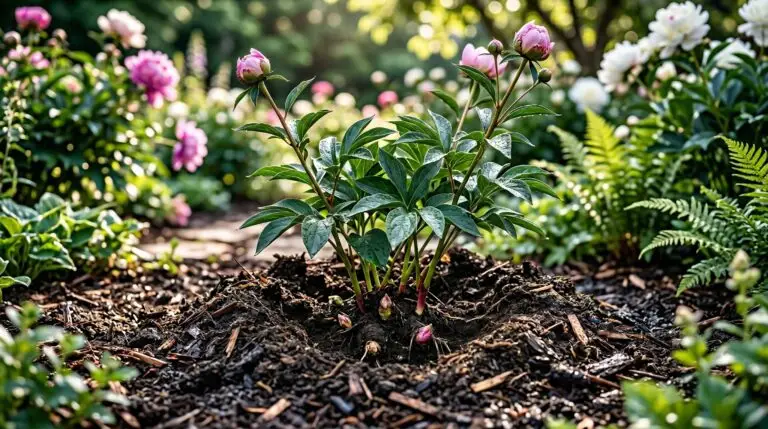
Why peonies fail to bloom and the planting depth mistake that keeps them flowerless
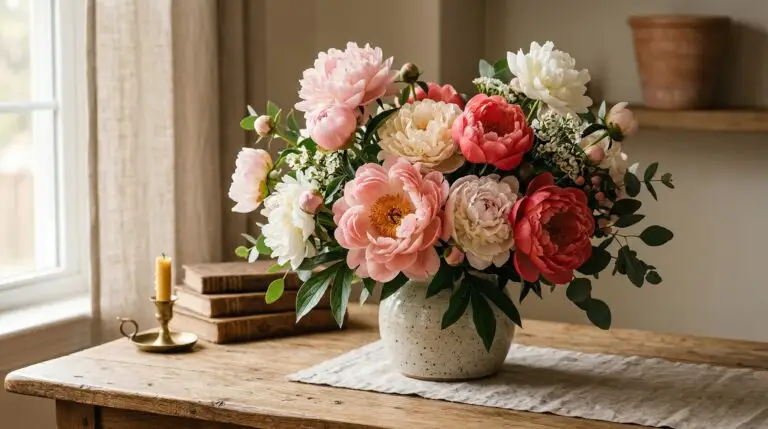
Peonies as the most coveted wedding flower and why brides pay premium for peony season
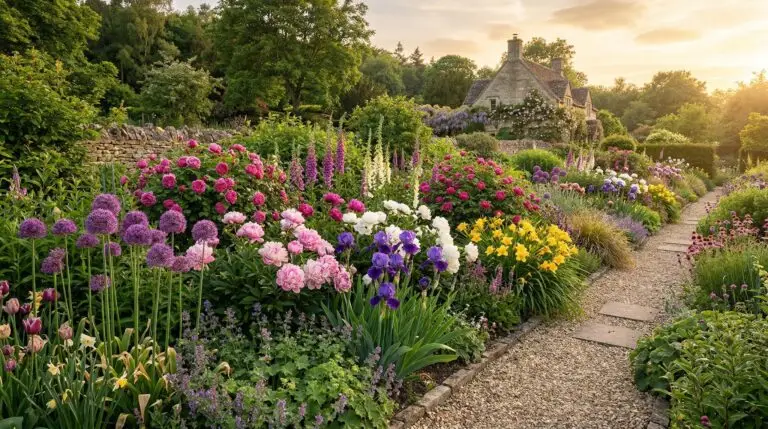
Companion plants for peonies that extend the beauty season beyond peony’s brief moment
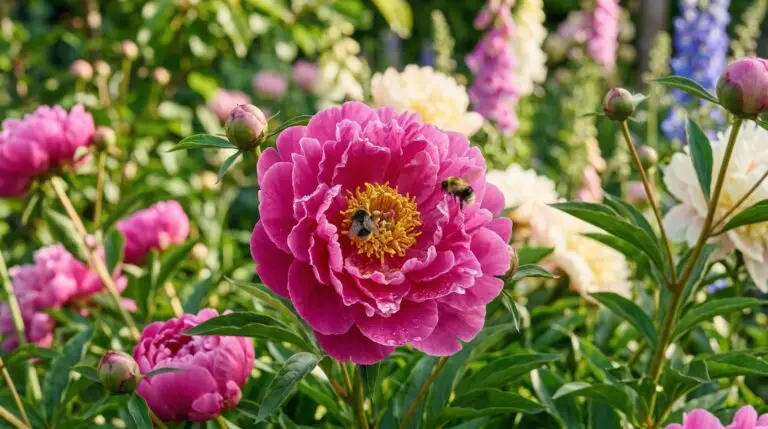
Why peonies need ants and the truth about the ant myth that refuses to die
Itoh peonies the hybrid breakthrough that gives the best of both herbaceous and tree peonies
Growing peonies in warm climates and the chill-hour challenge in zones 8 and above
How to grow peonies for lush romantic blooms that last a lifetime in your garden
Cutting peonies at the perfect marshmallow stage for the longest vase life
Enjoying our flower guides? Add YourFlowersGuide as a preferred source on Google. It helps more readers find us.
Add to Preferred Sources