How to Grow and Care: Peonies
Contents
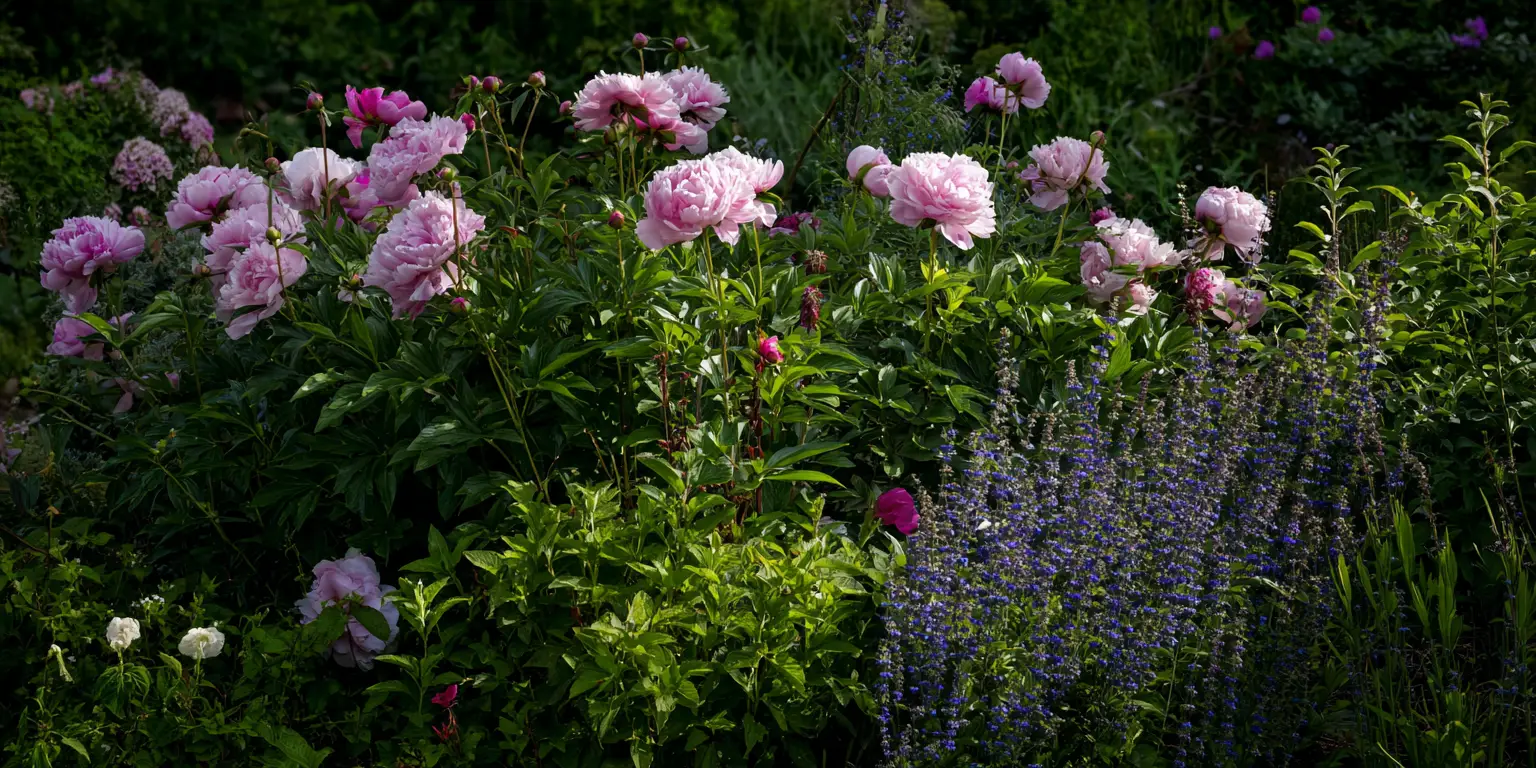
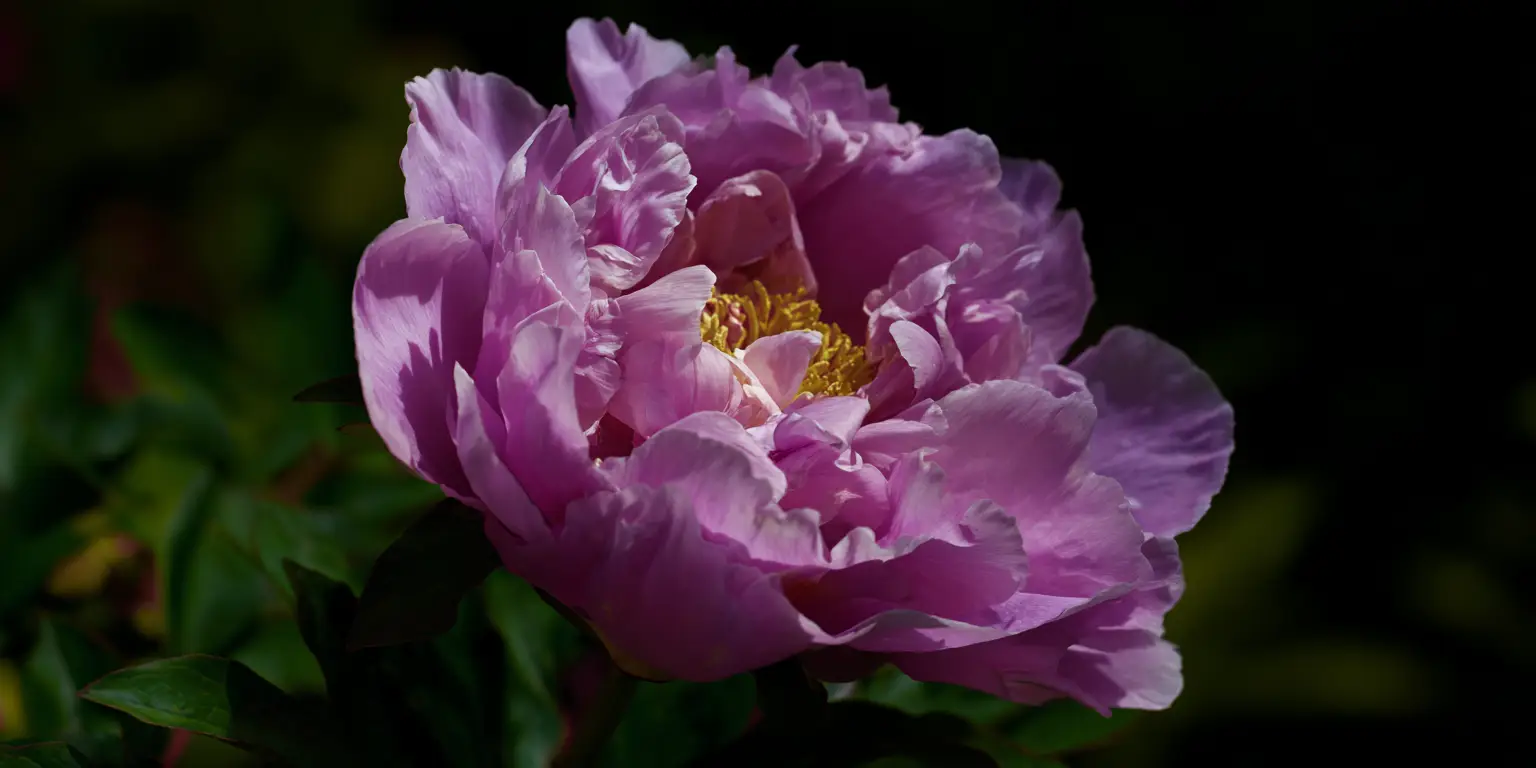
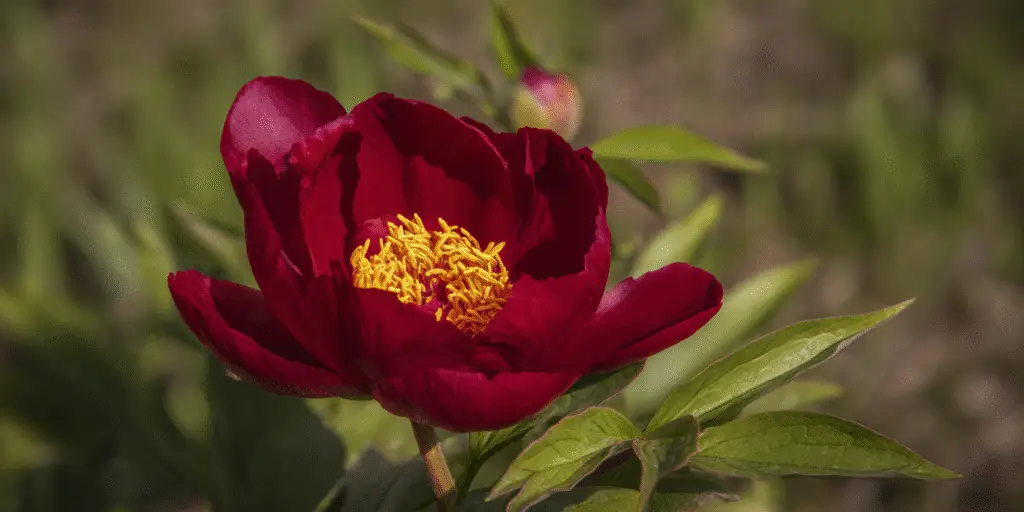
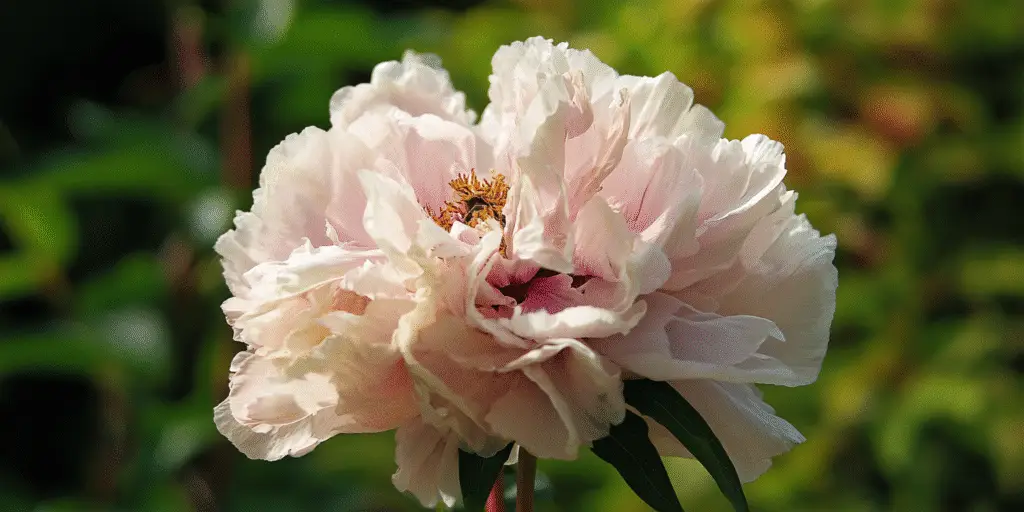
Peonies are long lived perennials prized for large, layered blooms and a refined leaf canopy that holds space in the border all season. The accepted botanical name for the garden peony most often grown in U.S. yards is Paeonia lactiflora. You will also find tree peonies listed under Paeonia suffruticosa group and intersectional peonies sold as Itoh hybrids, which are crosses between P. lactiflora and tree peonies. Most herbaceous peonies are hardy in USDA Zones 3 to 8 and need a period of winter chill to set buds. Give them full sun for best flower production and sturdy stems. In hotter summer regions, plan for morning sun with light afternoon shade to protect petals.
Think of peonies as lifetime plants. They prefer a permanent home, rarely need division, and repay good siting with decades of bloom. A successful plan is simple. Plant shallow so the buds called eyes sit near the surface. Choose a well drained spot with fertile loam and neutral to slightly acidic pH. Water deeply but infrequently to encourage deep roots, then mulch to steady soil moisture. Keep the crown open and clean to discourage disease. With these basics, peony care becomes a short seasonal checklist that fits nicely beside other favorites such as roses, lavender, and hydrangea macrophylla, and it complements color stories in pink flowers, white flowers, or purple flowers displays.
Soil & Bed Preparation
Peonies appreciate soils that are deep, fertile, and well drained. A loam or sandy loam with moderate organic matter is ideal. Heavy clay can be improved with composted plant material and coarse mineral amendments that add air space. Very sandy soil benefits from compost to hold moisture between waterings. Aim for a pH of about 6.5 to 7.0, which suits nutrient availability for peony roots. Do a soil test before planting and again every few seasons. Test reports will tell you whether to add lime to raise pH or elemental sulfur to lower it, and they will guide phosphorus and potassium additions that support roots and flowers. Avoid quick fixes or large single additions. Slow and steady amendments are better for soil biology and structure.
Drainage Test and pH Targets. Peonies fail most often in wet ground. To check drainage, dig a hole about 12 inches deep and 12 inches wide, fill it with water, let it drain, then fill again and time the second drain. Water should be gone in about 4 to 12 hours. Faster suggests droughty soil and slower points to a drainage problem. If the site holds water, build a raised bed 8 to 12 inches high or relocate to a slope or berm. For pH, collect a composite sample from the planting area and send it to your state Cooperative Extension or use a calibrated home kit. Target a pH near neutral. If you need to adjust, apply lime or sulfur in modest doses and recheck after several months because pH change is gradual.
Raised beds help where soils are heavy or compacted, and they also warm earlier in spring for better early growth. In raised beds use a blend that mimics a good garden loam, not pure compost or potting mix. If you garden in the ground, loosen the top 12 to 18 inches and blend in two to three inches of mature compost for moisture balance and microbial life. Peonies store energy in thick, fleshy roots attached to a crown. They are not bulbs, corms, or rhizomes, so they do not want a peat heavy bulb mix. They thrive in mineral soil with consistent texture and strong structure.
Planting Calendar by USDA Zone
Peonies prefer fall planting so new roots grow in cool soil and plants settle before summer. In Zones 3 to 4, set bare root divisions from mid September to early October and container plants by mid October, or plant in spring as soon as soil can be worked and before shoots stretch. In Zone 5, plant bare roots from late September to early November and containers until the ground freezes. In Zone 6, plant October to November. In Zone 7, plant October to early December. In Zone 8, plant November to early January, favoring cooler microclimates and early morning sun. Spring planting is possible everywhere but expect slower establishment the first summer. For hot humid coastal plains and very arid basins, choose spots with good air movement and light afternoon shade, and water deeply so roots are encouraged to probe down. At high elevation with rapid freeze and thaw, mulch after the ground freezes to buffer temperature swings. In zone 9 and warmer, traditional herbaceous peonies often lack winter chill and bloom poorly, so consider select tree peonies or intersectionals and test cooler microclimates near east facing walls.
Planting: Depth & Spacing
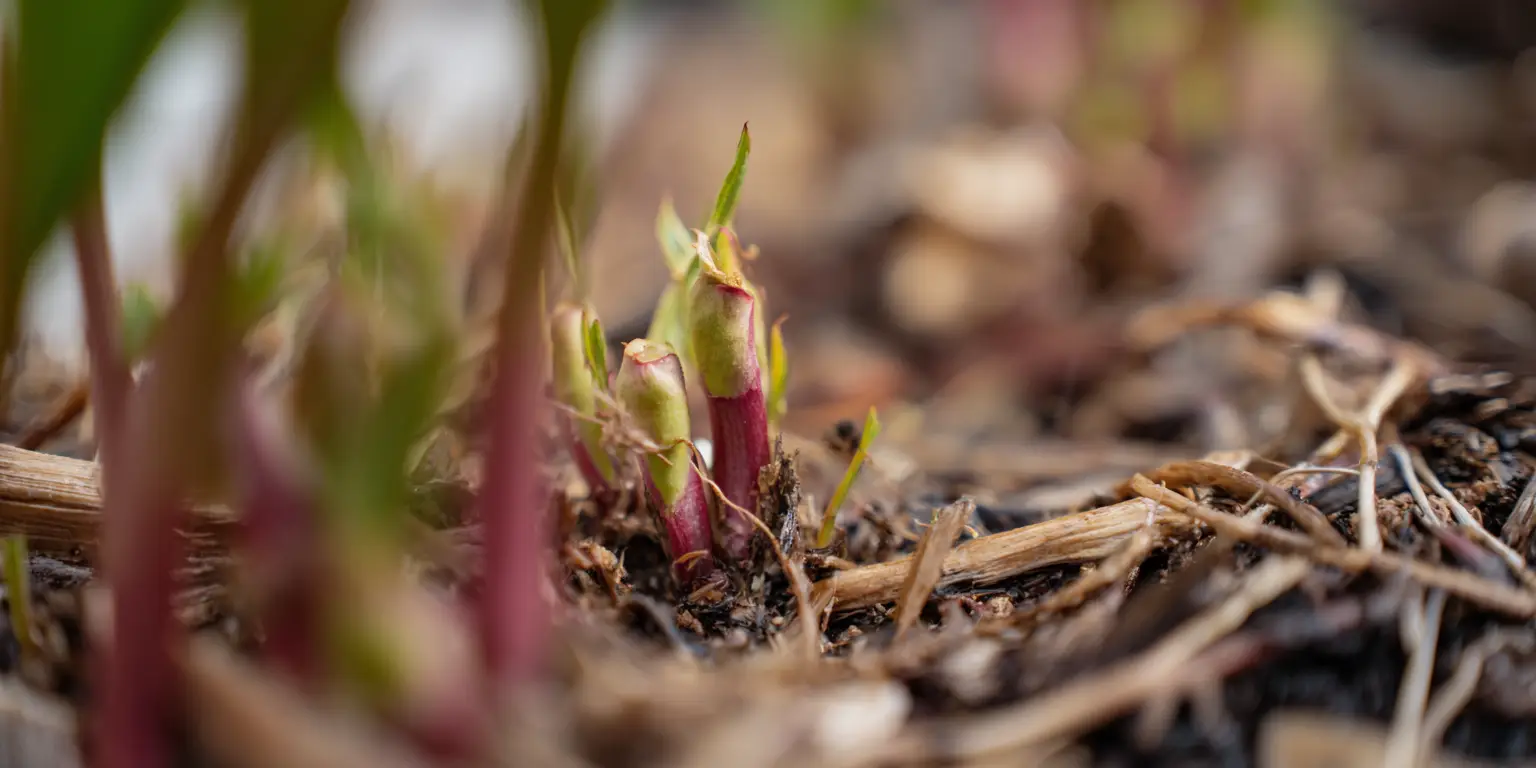
Peonies are not bulbs or corms. The storage system is a crown with thick, fleshy roots and visible growth buds called eyes. Plant them like shallow crowns, not deep bulbs. If a supplier calls them tubers, treat them as peony crowns with eyes, not as true tubers like dahlias.
Set eyes 1 to 2 inches below the final soil surface in cold winter regions. In warmer zones, place the topmost eye only half an inch to 1 inch deep. Depth matters because eyes planted too deep often result in leafy plants with few or no flowers. Spread the roots over a slight mound so they radiate outward. Backfill with the improved native soil and water to settle. Do not add fertilizer into the planting hole because salts can burn new roots. Space herbaceous peonies 3 to 4 feet apart center to center for air flow and future spread. For cut flower rows, set plants 3 feet apart in rows 4 feet apart so you can move between rows without breaking stems. Minimize transplant shock by pre soaking bare roots in clean water for about thirty minutes before planting, watering in with a gentle stream, and keeping the soil evenly moist through the first growing season.
For containers or field grown plants that come in pots, set the crown at the same soil level it had in the nursery pot. Gently tease roots that circle and trim damaged bits. Acclimate any greenhouse grown plant by setting it in bright shade outdoors for a week, then giving it a few hours of sun and gradually increasing to full sun. Space tree peonies 4 to 5 feet apart because the woody framework expands over time. Many tree peonies are grafted onto herbaceous understock. Plant so the graft union, often visible as a slight swelling on the lower stem, sits 4 to 6 inches below soil level to encourage the scion to root. Intersectional peonies grow like robust herbaceous plants with strong stems and can be spaced 3 to 4 feet apart.
Watering & Mulching
After planting, keep soil evenly moist but never saturated. A simple schedule is to provide about 1 inch of water per week from rain or irrigation in spring and early summer, which equals about 0.6 gallons per square foot. Use a straight sided can or rain gauge to measure and adjust based on weather. Water less in midsummer once plants are established, but do not allow extended drought while flower buds are forming in late summer. Deep, infrequent soaking teaches roots to grow down where soil stays cool and moist.
Apply 2 to 3 inches of organic mulch such as shredded leaves, pine needles, or fine bark in late spring after the soil warms. Pull mulch back so it does not touch the crown, leaving a clear ring 2 to 3 inches wide to keep the crown dry. Mulch conserves moisture, suppresses weeds, and buffers temperature swings that can heave crowns in freeze and thaw cycles. In rainy climates use a lighter, more open mulch so air can move. Avoid thick layers of compost right against stems because that can trap moisture and encourage crown rot. Overhead sprinklers are convenient but keep flowers and leaves wet, which favors leaf blotch and blight. Soaker hoses or drip lines are better for peony care and reduce disease pressure.
During sudden heat above 90°F (32°C), water in the early morning and consider temporary shade cloth for a few afternoons if petals scorch quickly, especially on very light colored cultivars. In prolonged drought, maintain a deep watering rhythm every 7 to 10 days, and keep mulch refreshed. If your water is very hard, a fine white film may form on leaves after overhead watering. This is cosmetic only. If saline irrigation or coastal salt spray is a concern, use fresh water sources and place beds away from roads and deicing splash.
Feeding
Peonies are moderate feeders. Start with the soil test, then feed lightly in early spring as shoots emerge with a balanced, slow release product or an organic fertilizer that provides roughly five percent nitrogen, ten percent phosphorus, and ten percent potassium. Scratch it into the top inch of soil in a wide ring and water in. A second light feeding right after bloom helps rebuild roots and buds for next year. Do not fertilize in late summer or fall because new soft growth can be damaged by cold. Skip fertilizer entirely the first year while roots establish, and skip any year when growth and flowering are vigorous and your soil test shows good nutrient levels.
Healthy soil biology matters more than high analysis numbers. Aim for a steady input of organic matter so earthworms and microbes build crumb structure and improve nutrient flow. A topdress of one half inch of compost in fall feeds the soil without smothering the crown. Retest soil every two or three years. If phosphorus is already high, use a low phosphorus lawn style fertilizer so you do not exceed recommended levels.
Pruning & Support
Remove spent flowers as blooms fade. Snip the stem just above a strong set of leaves so you retain green tissue that feeds the plant through summer. If you enjoy the architectural look of seed pods, leave a few, but heavy seed set can modestly reduce next year’s display. Inspect foliage periodically and remove any blackened shoots or spotted leaves as soon as you see them. Cleanliness in the peony patch is the best defense against leaf blotch and botrytis blight. Ants on buds are normal because buds exude nectar. They do not help flowers open and they do not harm plants, so there is no need to control them.
After a hard frost blackens foliage, cut herbaceous peonies back to ground level and remove all debris from the bed. Do not compost diseased leaves. Intersectional peonies are cut back when stems brown and loosen from the crown. Tree peonies are shrubs, so do not cut them to the ground. In late winter remove dead twigs and shape lightly by cutting just above outward facing buds. Tall herbaceous varieties with large flowers benefit from discreet support rings or stakes set in early spring before stems elongate. To limit disease spread, wipe pruners between plants with a cloth moistened with 70 percent alcohol or use a ten percent bleach solution and rinse tools at the end of the job.
Overwintering
In cold regions, wait until the ground has frozen and then apply 2 to 3 inches of mulch over the root zone to reduce heaving as freeze and thaw cycles lift crowns. Pull mulch away gradually in early spring when shoots are a few inches tall so growth does not blanch. Where voles are active, avoid thick straw that invites tunneling, and keep beds weed free so there is little cover. If rodents are persistent, set quarter inch hardware cloth as a vertical barrier at the edge of raised beds. Peonies in large containers appreciate protection to keep the root ball from freezing solid. Slide pots against a north or east foundation, pack them together, and insulate with leaves. In the warmest zones that lack deep freezing, remove heavy winter mulch very early to keep the crown from staying too wet. If you grow in a courtyard that heats up, give buds morning sun and afternoon shade so flowers last.
Growing Environments
Peonies are feasible in containers but they want more soil than most perennials. Choose a pot at least 16 to 20 inches wide and 16 to 18 inches deep, about 7 to 10 gallons in volume, with generous drainage holes. Use a potting mix formulated for outdoor containers that contains bark fines and perlite for air space. Avoid mixes that compact into a heavy mass. Elevate pots slightly so water drains freely and roots do not sit in a saucer of cold water. In the ground, think about microclimates. Beds that get morning sun and light afternoon shade often produce longer lasting blooms in hot summers. Gentle air movement lowers disease pressure. Avoid low spots where cold air pools in spring as buds can be nipped by late frost. Near walls, give at least 18 inches of space so heat reflected from masonry does not bake roots.
Companion Planting & Design
Peony foliage is handsome from spring to frost, but flowers are the brief spring peak. Pair peonies with perennials that shift the spotlight before and after bloom and that carry good foliage. Tulips and daffodils wake beds early with easy color, then go quiet as peonies leaf out. As the peony show winds down, catmint, hardy geraniums, and salvias pick up with a soft skirt that hides stem bases. For a June to July handoff, add daylilies or hardy ornamental grasses that catch light. In mixed borders, the peony’s rounded habit anchors drifts of annuals or small shrubs like boxwood. For pollinators, single and semi double peonies offer accessible pollen, and the bed can include native companions such as asters and coneflowers that carry nectar deep into summer. In wedding season plantings, peonies deliver the romantic focal point and pair well with airy spires and fillers, which makes them a natural subject in any wedding flowers guide or curated list of signature types of flowers for the spring garden.
References
- North Carolina State Extension. Peony (Paeonia spp.).
- ASPCA Animal Poison Control Center. Peony.
Written by: Your Flowers Guide editorial team
We are a small independent group of flower lovers who research and review each guide using trusted horticultural and educational sources. Learn more about us