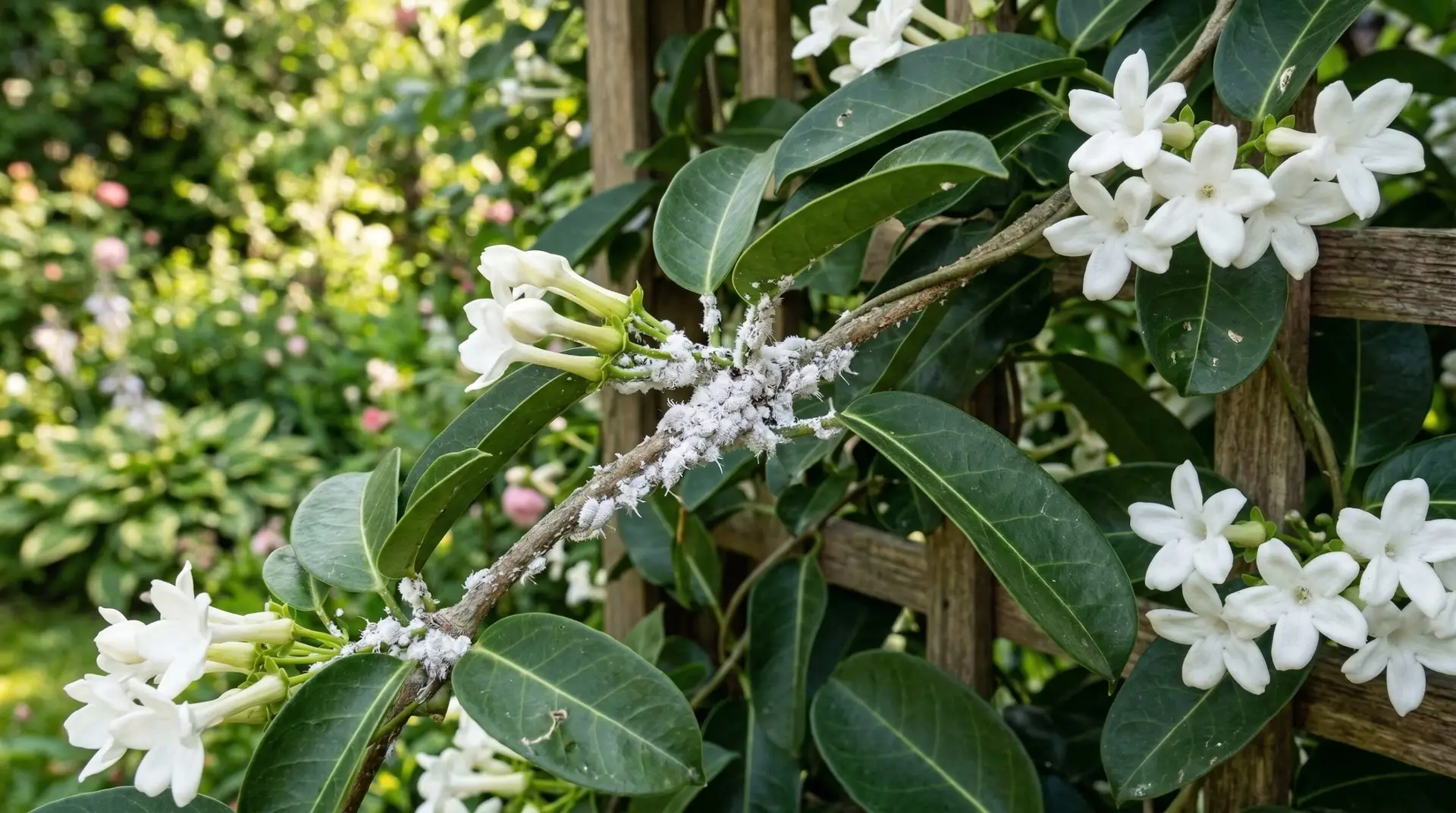
Stephanotis floribunda attracts sap-sucking insects at a rate that frustrates even experienced growers. The thick, waxy leaves and deep crevices along the twining stems provide ideal breeding grounds for mealybugs and scale. Left unchecked, these infestations drain the plant’s vitality, causing yellowing leaves and dropped flower buds. You cannot rely on systemic pesticides alone to keep this vine clean. Effective pest management requires physical intervention and strict environmental controls. Most growers fail because they treat the symptom rather than addressing the dry, stagnant air that invites these infestations. You must inspect the leaf axils and the undersides of the foliage every time you water.
Contents 4 sections
Identifying and treating stephanotis mealybug
The stephanotis mealybug appears as small, sticky cotton masses tucked tightly into the joints where leaves meet the main vine. These pests secrete a waxy substance that repels standard water sprays and weak insecticidal soaps. You must break through this physical barrier to kill the insect beneath. Dip a cotton swab in seventy percent isopropyl rubbing alcohol and touch it directly to the white tufts. The alcohol dissolves their protective coating and kills them instantly on contact. You will need to repeat this process every three days for two weeks to catch newly hatched nymphs. Much like a gardenia, this plant suffers heavily when mealybugs are allowed to establish colonies in the dense upper foliage.
Many sources suggest spraying the entire plant with neem oil to combat mealybugs, but this often causes more harm than good on stephanotis. Heavy oil applications can clog the stomata on the thick leaves and cause premature leaf drop. Spot treatment with alcohol remains the most effective and least damaging method for small to moderate outbreaks. Mealybugs can also hide in the top layer of potting soil. If you continue to see pests on the foliage after weeks of spot treatments, you should replace the top two inches of the potting mix. If the infestation has spread across the entire vine, you must take the plant outside or into a shower. Use a strong, focused stream of water to physically dislodge the bugs before applying any targeted insecticidal soap. Always test any spray on a single leaf and wait forty-eight hours to check for phytotoxicity before treating the whole plant.
Eradicating stephanotis scale on woody stems
Stephanotis scale presents a different challenge because these insects camouflage themselves against the older, woody sections of the vine. They look like small, flat brown or tan bumps that you might easily mistake for natural bark texture or plant scarring. Unlike mealybugs, adult scale insects do not move. They lock themselves in place, build a hard armored shell, and drain the sap from the stems. Scale insects have a brief crawler stage when they first hatch and move around looking for a permanent feeding spot. This is the only time they are vulnerable to standard insecticidal soaps. You will often notice their presence only after the plant drops healthy green leaves or produces sticky honeydew on the foliage below. This honeydew frequently attracts secondary problems like sooty mold, which blocks photosynthesis and further weakens the vine.
Contact sprays are entirely useless against adult armored scale. You must physically scrape them off the plant using your fingernail or a soft toothbrush dipped in rubbing alcohol. Scrub the woody stems gently to dislodge the adults without damaging the underlying plant tissue. For persistent stephanotis pests like scale, you may need to apply a systemic insecticide containing imidacloprid to the soil. The plant absorbs this chemical through its roots and distributes it through the vascular system, poisoning the sap that the scale insects feed upon. Apply systemic treatments early in the growing season when the plant is actively taking up water and nutrients.
Spider mites and the dry air problem
Spider mites target stephanotis vines when the ambient humidity drops below fifty percent. You will rarely see the mites themselves, but their damage appears as a fine, dusty webbing between the leaves and stems. The foliage will develop a stippled appearance, covered in tiny yellow dots where the mites have pierced the cells and drained the contents. These pests thrive in the dry, heated air of typical winter interiors. Raising the humidity is the only long-term solution to keep spider mites away from your plants. Similar to the environmental requirements of a moth orchid, this vine needs consistent moisture in the air to maintain its natural defenses.
Treat spider mite outbreaks by washing the foliage thoroughly with tepid water to wash away the webbing and the majority of the mite population. Follow this mechanical removal with a thorough application of horticultural oil mixed at a one percent dilution rate. You must spray the undersides of the leaves where the mites congregate and lay their eggs. Repeat this application every seven days for three weeks to break the reproductive cycle. Mites reproduce rapidly in warm, dry conditions, so missing a single treatment often allows the population to rebound completely. Keep the treated plant out of direct sunlight until the oil has completely dried to prevent severe foliar burns.
Preventive care and environmental controls
Prevention is always more efficient than treatment when managing stephanotis pests. Dust buildup on the broad leaves reduces photosynthetic capacity and creates a hospitable microclimate for mites and crawling insects. Much like maintaining a gardenia indoors, you must clean the leaves regularly to maintain plant vigor and spot early signs of infestation. Wipe each leaf with a damp microfiber cloth every two weeks during the active growing season. Do not use commercial leaf shine products. These chemical sprays leave a sticky residue that attracts dirt and clogs the pores the plant uses for transpiration.
A monthly shower provides the best preventative maintenance for indoor vines. Wrap the base of the pot tightly in plastic wrap to prevent the potting mix from washing away or becoming completely waterlogged. Run room temperature water over the entire vine for five minutes, making sure to hit the undersides of the leaves and the tight stem junctures. This regular mechanical washing disrupts the life cycles of mealybugs, scale crawlers, and spider mites before they can establish damaging populations. Allow the foliage to dry completely in a well-ventilated area before returning the plant to its normal growing location. A clean plant grown in high humidity with excellent air circulation rarely falls victim to severe pest pressure.
Proper air circulation is the final requirement for a pest-free stephanotis. Stagnant air allows moisture to sit on the leaves too long after watering, which can encourage fungal growth, while simultaneously allowing pests to move undisturbed. Place a small oscillating fan in the room to keep the air moving gently around the vine. The constant breeze makes it difficult for flying pests to land and deters spider mites from spinning their webs. Do not point the fan directly at the plant, as a strong, continuous draft will dry out the foliage and cause the very stress you are trying to avoid. You will never completely eliminate the risk of insects entering your home, but catching a single mealybug on a clean leaf is a minor task compared to fighting a systemic infestation.
More About Stephanotis
Propagating stephanotis from cuttings for new plants from your prized vine

How to get stephanotis to bloom indoors with the right winter rest and spring warmth
How to grow stephanotis for waxy white stars with an intoxicating jasmine-like fragrance
Stephanotis versus jasmine and choosing the right fragrant white vine for your home
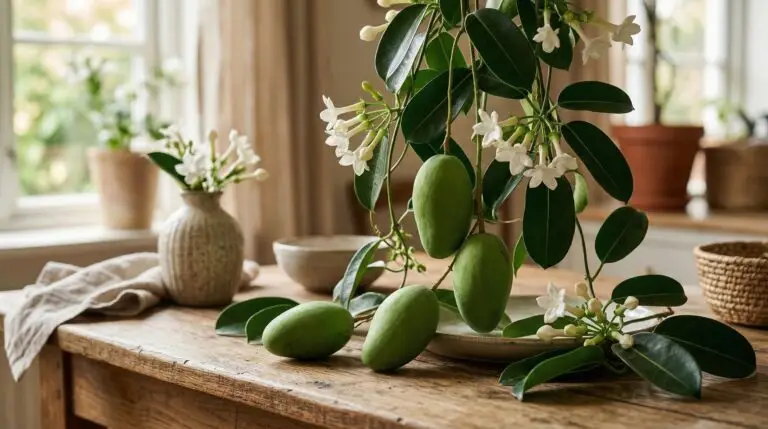
Stephanotis seed pods the giant green fruits that sometimes appear on indoor plants
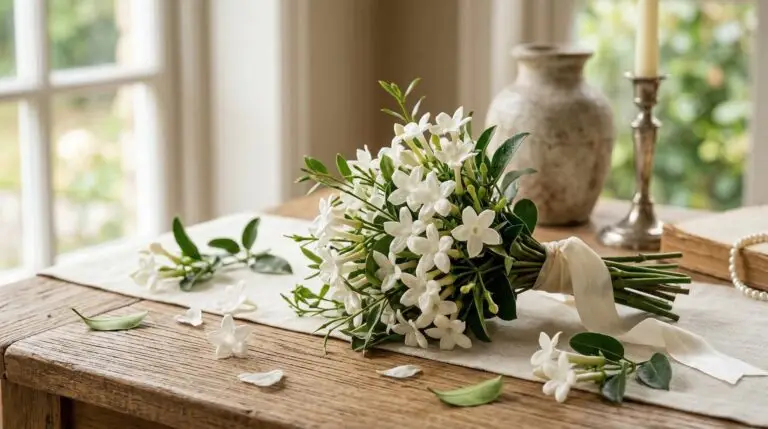
Stephanotis in bridal bouquets and why this is called the wedding flower
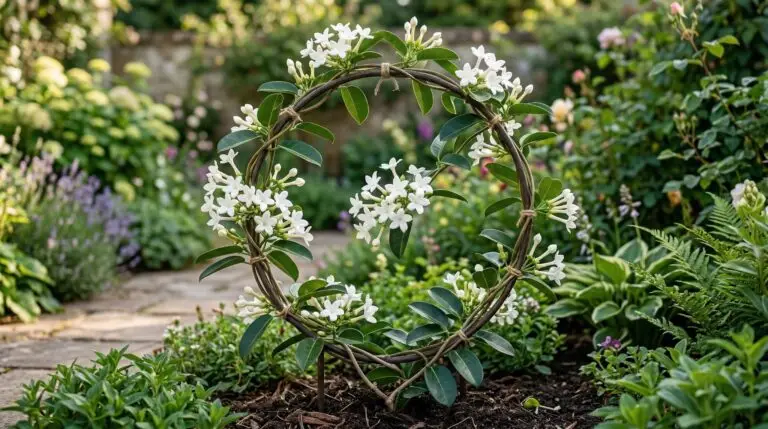
Growing stephanotis on an indoor trellis or hoop for a fragrant living room feature
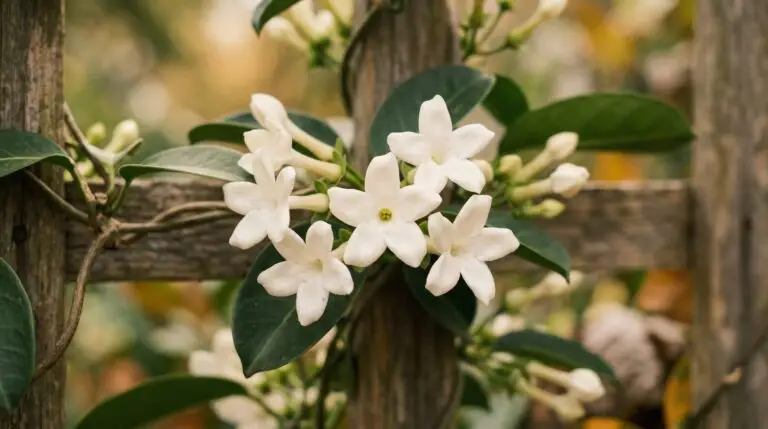
Stephanotis flower meaning and the marital happiness this bloom has promised for centuries
Why stephanotis drops buds and the temperature and light secrets to keeping flowers
Enjoying our flower guides? Add YourFlowersGuide as a preferred source on Google. It helps more readers find us.
Add to Preferred Sources